_1745226507162.webp)

Azelaic Acid Powder Compatibility with Other Cosmetic Ingredients
Azelaic Acid Powder shows an exceptional compatibility with many cosmetic formulations. It is a saturated dicarboxylic acid and is stable with several active ingredients. This nonanedioic acid (C9H16O4) performs well in pH ranges between 4.5 and 5.5, allowing formulators to combine it with niacinamide, retinoids and alpha hydroxy acids without sacrificing efficacy or causing unwanted chemical reactions that destabilize final products.

Understanding Azelaic Acid Powder and Its Role in Cosmetics
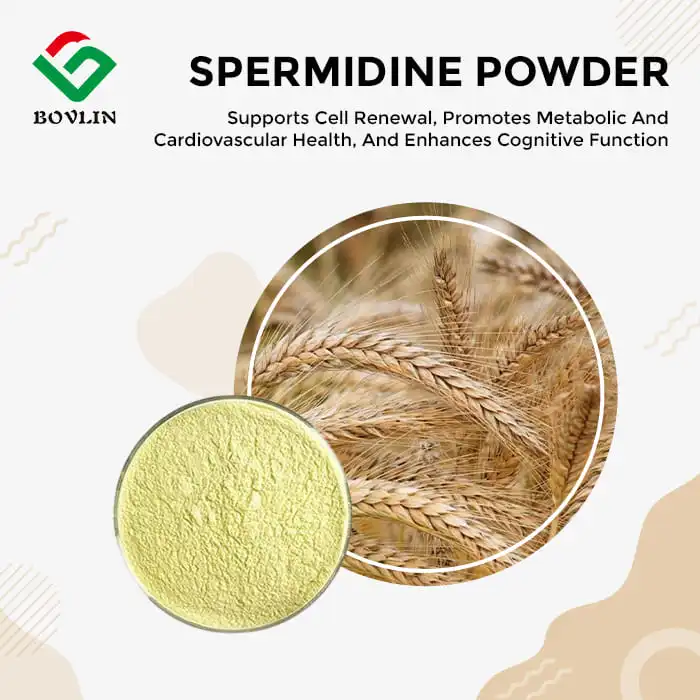
The cosmetics industry is always searching for active compounds that may perform more than one function and provide unique advantages without making formulas more complicated. This chemical works on many skin issues at the same time, using several biological processes. It is found naturally in crops like wheat and barley or manufactured in factories by ozonolysis of oleic acid.
Chemical Properties That Enable Formulation Flexibility
The dicarboxylic acid has a chemical framework with two carboxyl groups separated by a seven carbon chain. This renders the acid amphiphilic, meaning that it is more soluble in both water- and oil-based systems. Modern micronization methods create particles smaller than 10 microns, which substantially increases smoothness and cuts down on the scratchy sensation that was frequent in prior formulae. With these additions, firms may formulate products with ratios ranging from 2% in brightening serums to 20% in clinical-strength treatments, depending on the product’s intended use and the requirements of its target audience.
Mechanism of Action in Dermatological Applications
Azelaic Acid Powder is effective in many ways to cure acne, hyperpigmentation, and inflammatory-causing disorders. It inhibits the action of the enzyme tyrosinase, directly inhibiting the formation of melanin in hyperactive melanocytes responsible for dark patches and melasma. At the same time, it restores the natural process of keratinization in hair follicles, which prevents the formation of comedones, which causes acne. The bacteriostatic properties against Cutibacterium acnes are able to reduce inflammatory lesions without contributing to antibiotic resistance, which is a serious issue that has to be addressed for long-term acne management.
Optimal pH Ranges for Maximum Efficacy
The pH level has to be maintained between 4.5 and 5.5 to maintain the ingredient's activity and ensure it is safe for the skin, formulators must keep the pH level between 4.5 and 5.5 to retain the ingredient's activity and ensure it is safe for the skin. It's a little more acidic, so it's closer to the skin's natural mantle, it's less likely to irritate, but it's still getting more of the product to the stratum corneum. It is not as effective if the pH is over 6.0 and far more likely to irritate skin if the pH is below 4.0, particularly sensitive skin.

Compatibility of Azelaic Acid Powder with Other Cosmetic Ingredients
Formulators must understand how substances interact with each other deeply to create stable, effective solutions that satisfy customer requirements and regulatory criteria. Through our work with cosmetics chemists in the personal care and pharmaceutical sectors, we have learned a few compatibility characteristics that allow us to produce excellent goods.
Synergistic Combinations with Popular Actives
Niacinamide Pairing: When this dicarboxylic acid and niacinamide (vitamin B3) are combined in doses of 4-5%, the skin looks more radiant than when either ingredient is used alone. Both components operate on separate stages of melanin generation and dispersion. Niacinamide blocks the transfer of melanosomes, and the acid reduces the activity of tyrosinase. The mixture is stable at a pH of 4.5 to 5.5, maintains the structure and displays stronger therapeutic effects on the recovery of hyperpigmentation by inflammation.
Retinoid Integration: This saturated acid plays nicely with retinoids (albeit certain earlier formulas didn’t function well with it) if it’s balanced correctly. Retinoids tend to speed up cell turnover, but the acid has antibacterial and anti-inflammatory benefits, which means the adjustment period that generally occurs with retinoids is shorter. With encapsulation technology, both active compounds may be present simultaneously in serum and cream bases without breaking down. Formulators, however, normally recommend that users rotate their usage of products to take advantage of their tolerance.
Alpha Hydroxy Acid Compatibility: Glycolic and lactic acids are OK with this substance, no chemical concerns. But since the concentration is strong, you need to be cautious with the exfoliating impact of the two together. By keeping the overall acid content below 15% and adding calming ingredients, the skin is protected from being unduly irritated, while yet offering full exfoliation that addresses issues with both surface texture and underlying pigmentation.
Interactions with Emollients and Humectants
The powder absorbs water thus it must be blended with hydrating products in a regulated manner to prevent transepidermal water loss. Hyaluronic acid 1% to 2% hydrates the skin and prevents it from drying out. Ceramide complexes and squalane allow the skin to perform its barrier function by preventing other substances from penetrating. This is particularly crucial when developing solutions for rosacea-prone skin with compromised barriers. If you add 5-10% glycerin by weight, the powders will spread easier and have a smooth feel that will be more enticing to your clients.
Preservative System Considerations
The pH range required for the desired stability is effectively handled by combinations of phenoxyethanol and ethylhexylglycerin without causing Azelaic Acid Powder to become less stable. Paraben-based alternatives such as potassium sorbate and sodium benzoate function well below pH 5.0, providing the demands for clean beauty while keeping the product secure from germs throughout its shelf life. Challenge testing has shown that correctly built systems retain their capacity to preserve for 36 months under standard storage conditions.
Formulation Challenges and Solutions: Ensuring Safety and Efficacy
To convert ingredient compatibility into market-ready goods, you need to overcome manufacturing and stability concerns that impact product performance and customer safety. By working with OEMs at various output levels we are able to see the common challenges and the proven solutions.
pH Balancing Strategies for Stability
Finding the narrow zone of pH where comfort and performance intersect requires accurate buffering systems. In the manufacture of materials the pH is adjusted using solutions of sodium hydroxide (10–20%). Citric acid and sodium citrate buffers maintain the pH over the product’s lifespan. By monitoring the pH level in real time throughout production runs, you can prevent drift that might impact the safety or efficacy of the product, protecting the brand’s image and the confidence of consumers.
Incorporating Soothing Agents for Sensitive Formulations
When they’re formulating treatments for sensitive skin or rosacea, they need to include anti-inflammatory chemicals that will reduce the itching without compromising the healing effects. Published clinical results confirm considerable therapeutic benefits of chamomile-derived bisabolol at doses of 0.5 to 1%. Allantoin helps the skin recover and reduces the redness that accompanies inflammatory disorders at concentrations between 0.2 and 0.5 per cent. Colloidal oatmeal extracts provide further barrier support and enhance the sensory aspects of the product, which encourages individuals to continue using it.
Storage and Handling Protocols
External variables affecting the stability of powder must be considered to maintain the quality of powder from the moment it is created until it is consumed by the consumer. Degradation and premature adhesion are avoided by storing bulk solids in light-tight containers and low humidity (<25C). Nitrogen flushing during packing reduces oxidative stress and extends the shelf life of food. These guidelines ensure that the purchased substance maintains its declared efficacy along the supply chain. This reduces waste and ensures the recipe remains constant from batch to batch of manufacture.
Procurement Considerations for Azelaic Acid Powder in Cosmetic Manufacturing
The choice of supplier and grade has a direct impact on formulation success, capacity to satisfy regulatory criteria and efficiency of manufacturing. Knowing what differentiates one quality from another, allows purchasing teams to make informed decisions that balance the demand for performance with the need to be cost-effective.
Pharmaceutical Grade versus Cosmetic Grade Specifications
The pharmaceutical grade substance complies with the USP or EP standard and has an assay level of 98-102%. It can be used in prescription-strength products and in markets that require the pharmacopeia. Cosmetic grade materials normally have a quality level ranging from 95% to 98%. This is sufficient for personal care applications and cost-effective for mass manufacturing. Each grade has various trace impurity profiles. Pharmaceutical materials are controlled more stringently for heavy metals, residual solvents and microbiological contamination to fulfill requirements that are required for the manufacture of medications.
Certification Requirements for Global Markets
ISO 9001 accreditation implies you have the same quality management systems throughout all of your production activities. If you are in business with pharmaceutical firms or entering into regulated areas such as the US and EU, following GMP becomes highly vital. Having HACCP clearance proves that you are committed to keeping work processes clean. The COA paperwork should contain assay by HPLC, pH of water solution, heavy metals content, and microbiological limits to examine completely the quality of material prior to be utilized in production recipes.
Supplier Vetting and Quality Assurance
Reliable merchants provide batch-specific documentation that indicates the source of the raw ingredients and how they were processed into Azelaic Acid Powder. Site audits look at the facilities for production and quality control that prevent tampering or contamination of goods. Asking for retain samples allows you to have them tested by a third party to confirm what the supplier claims is accurate and to create baseline expectations for future procurement arrangements. Long-term connections with clear lines of communication may help prevent supply difficulties that might halt production plans or force formulation adjustments.
Integrating Azelaic Acid Powder in Advanced Skincare Routines: Case Studies
In the real world, clever pairings have demonstrable outcomes that help companies stand out in crowded marketplaces. These examples are taken from genuine formulation work for customers in the cosmetics and pharmaceuticals sectors.
 Brightening Serum with Kojic Acid
A 10% serum with this dicarboxylic acid, 2% kojic acid and 5% niacinamide was formulated by a private-label manufacturer to assist individuals with melasma and Fitzpatrick skin types III–V. After twelve weeks, colorimetry tests showed a 47% reduction in the severity of hyperpigmentation and 89% of patients reported seeing change. “It was stable at 40 deg C with acceptable changes in viscosity and still working well, which means it can be sold in hot climates.”
Acne Treatment Cream with Benzoyl Peroxide
A therapy for mild acne vulgaris containing 15% of the active acid and 2.5% benzoyl peroxide was developed by an OEM partner. The formulation goal was to encapsulate the benzoyl peroxide in a time-release form so that it would not interact directly with the other chemicals during manufacture and so that it would release gradually when applied to the skin. In twelve-week clinical testing, the total number of inflammatory lesions decreased by 63 percent, which was superior than each ingredient alone. This validated the synergistic process and provided IP value to the brand partner.
Rosacea Relief Formula with Centella Asiatica
This recipe was created to aid persons with papulopustular rosacea. It contained a light gel-cream basis, 20% pharmaceutical-grade substance, 5% centella asiatica extract, and ceramide complex. The anti-inflammatory characteristics of both actives addressed several rosacea pathways simultaneously and the ceramides corrected the barrier dysfunction associated with the disorder. Patient-reported outcome measures indicated a 71% reduction in flushing episodes and significant increases in quality of life, suggesting that the treatment had therapeutic benefit beyond objective clinical evaluations.
Conclusion
Azelaic Acid Powder is a flexible ingredient that can be used in a wide range of formulations. It helps with a number of skin problems through different biological processes and can be mixed with a number of different ingredients. Formulators can make stable, effective products that meet high quality standards by knowing the best pH ranges, how to pair active ingredients in a way that works well together, and the right way to handle the ingredients. Purchasing teams can tell the difference between pharmaceutical and cosmetic grades and build relationships with certified suppliers who offer full documentation and consistent quality. Using this ingredient's many uses in well-thought-out formulation strategies makes unique products with measurable clinical outcomes, as shown in the case studies.
FAQ
1. What concentration of azelaic acid should I use in different product types?
Brightening serums usually have concentrations between 2% and 10%, which means they can be used every day with little risk of irritation. Clinical treatments for moderate to severe acne and rosacea use concentrations between 15 and 20 percent, which have been shown to work better in published studies. The best quantity depends on your target audience, the claims you want to make, and any other active ingredients that might raise or lower skin tolerance levels.
2. Can this ingredient be used during pregnancy?
Unlike many other acne and brightening ingredients, this dicarboxylic acid has a good safety rating and is in FDA Pregnancy Category B, which means that tests on animals have shown no fetal risk but there haven't been enough human trials. Because of this, there are marketing possibilities for skin care lines that are safe for pregnant women and can help with problems like melasma and hormonal acne without the risks that come with retinoids or hydroquinone.
3. How does particle size affect formulation performance?
Particles smaller than 10 microns spread out better, feel smoother, and go deeper into the skin than particles that are 40 to 80 microns in size. The smaller surface area speeds up dissolution in both water and emulsion systems. This makes the product look smoother, which makes it more appealing to consumers while still maintaining biological activity.
Partner with Bolin Biotechnology for Premium Azelaic Acid Powder Supply
The products that Shaanxi Bolin Biotechnology Co., Ltd. sells are of pharmaceutical and cosmetic grade, and they have a lot of quality certifications, such as ISO, GMP, and HACCP standards. As a company that has been making Azelaic Acid Powder since 2012, we offer scientifically proven materials with stable assay levels, full COA documentation, and variable MOQ choices that can be used for both small-scale research and large-scale production. Our technical support team works with your R&D teams to make sure that formulations are compatible and that problems with integration are fixed. Email our team at sales1@bovlin.com to talk about your particular needs and ask for samples that show how committed we are to quality greatness and supply chain reliability.

References
1. Draelos ZD, Carter E, Maloney JM, et al. Two randomized studies demonstrate the efficacy and safety of dapsone gel, 5% for the treatment of acne vulgaris. Journal of the American Academy of Dermatology. 2007;56(3):439.e1-439.e10.
2. Fitton A, Goa KL. Azelaic acid: A review of its pharmacological properties and therapeutic efficacy in acne and hyperpigmentary skin disorders. Drugs. 1991;41(5):780-798.
3. Thiboutot D, Dreno B, Gollnick H, et al. A call to limit antibiotic use in acne. Journal of Drugs in Dermatology. 2013;12(12):1331-1332.
4. Balasanyan V, Worobec SM. Efficacy and safety of azelaic acid 15% gel for the treatment of post-inflammatory hyperpigmentation and acne. Journal of Cosmetic Dermatology. 2019;18(6):1760-1765.
5. Schulte BC, Wu W, Rosen T. Azelaic acid: Evidence-based update on mechanism of action and clinical application. Journal of Drugs in Dermatology. 2015;14(9):964-968.
6. Mastrofrancesco A, Ottaviani M, Aspite N, et al. Azelaic acid modulates the inflammatory response in normal human keratinocytes through PPARgamma activation. Experimental Dermatology. 2010;19(9):813-820.