_1745226507162.webp)

Can Kojic Acid Dipalmitate be used in oil-based formulations?
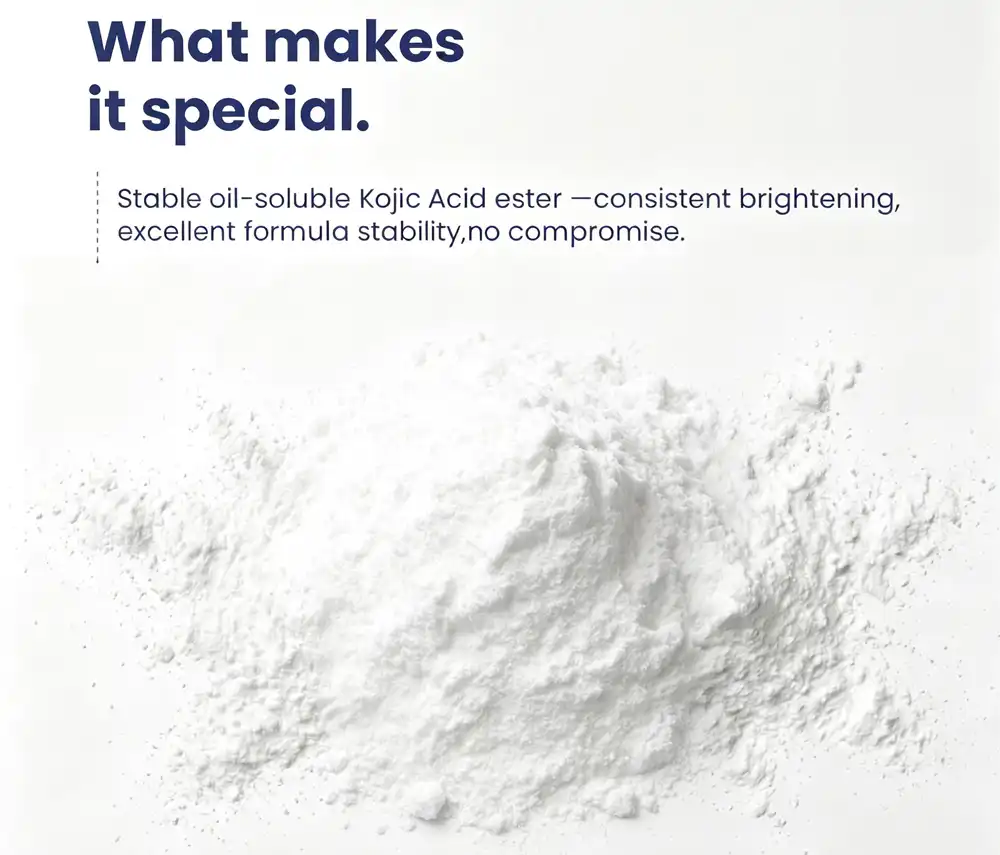
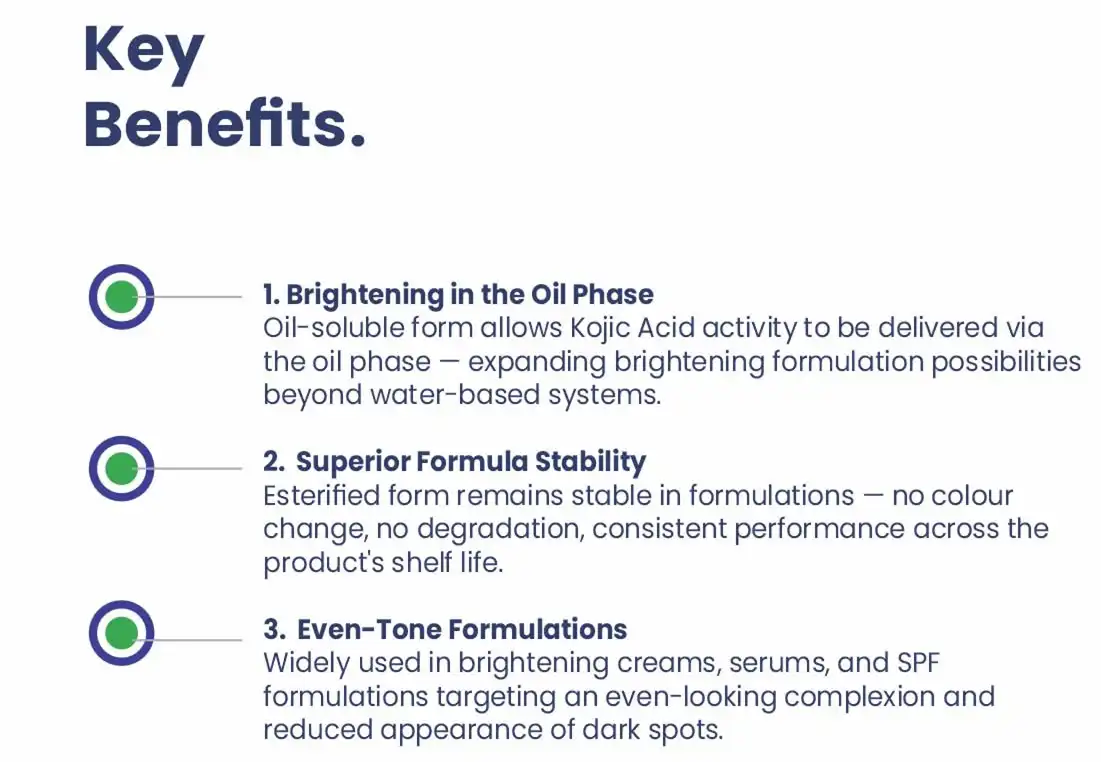
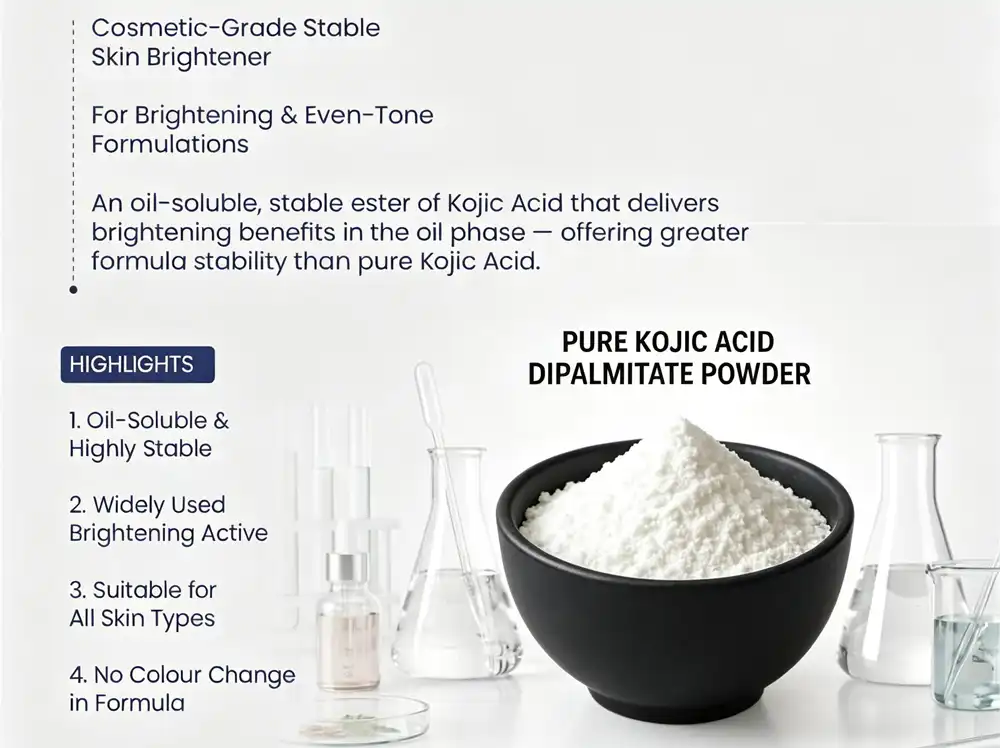
Yes, Kojic Acid Dipalmitate Powder can be used in oil-based products without any problems. Kojic acid dipalmitate powder is different from its parent product, kojic acid, which is hydrophilic. It is lipophilic because it has been esterified with two palmitic acid chains. This change to its structure makes it more soluble in lipid matrices, which makes it a great choice for serums that don't contain water, whitening treatments that use oil, and creams that are high in emollients. The Kojic Acid Dipalmitate Powder keeps the tyrosinase-inhibiting property that makes kojic acid useful while being more stable and having a lower oxidation potential in settings that aren't watery.
Introduction
More and more, the makeup and nutraceutical businesses need active ingredients that can do more than one thing and work the same way in all kinds of formulations. Kojic acid dipalmitate powder has become a stylish option to common skin-brightening ingredients, especially for companies making high-end oil-based skin care products. For people who buy things for other businesses, like product formulators at nutraceutical companies, R&D directors in pharmaceutical companies, and cosmetic chemists, knowing how this Kojic Acid Dipalmitate Powder works with lipid systems is important for making new products that can compete.
We talk about the whole formulation process, from molecular properties and solubility profiles to practical ways to integrate them and how to choose a provider. Product makers at functional food companies looking into topical health uses will learn useful ways to get around common formulation problems. OEM/ODM companies that work with private-label clients can use this information to come up with new ways to improve products that meet government standards and work well for a long time. We want to connect the worlds of ingredient science and buying strategy so that smart choices can be made about where to get things that meet both technical needs and business goals.
Understanding Kojic Acid Dipalmitate Powder and Its Properties
Chemical Structure and Enhanced Stability
Kojic acid dipalmitate powder is a chemically changed form of kojic acid (5-hydroxy-2-hydroxymethyl-4H-pyran-4-one), in which palmitic acid is joined to both of its hydroxyl groups to form an ester. A molecule with the CAS number 79725-98-7 and the molecular formula C38H66O8 is made by this change. The two palmitate chains make the molecular weight a lot higher—about 650 g/mol compared to 142 g/mol for kojic acid that hasn't been changed. This molecular improvement fixes the main problem with natural kojic acid: it can be easily oxidized and chelated with metal ions, which can change the color and make it less effective. The ester links protect the reactive hydroxyl groups and keep the core chromophore that stops tyrosinase from working.
Solubility Profile and Amphiphilic Behavior
Adding long-chain fatty acid groups changes the molecule's orientation profile in a basic way. When heated to 25°C, pure kojic acid dissolves easily in water (about 50 g/L), but the Kojic Acid Dipalmitate Powder is very attracted to fat. Studies done in the lab show that it dissolves best in medium-chain fats, isopropyl myristate, and different silicone fluids at amounts of 1% to 5% weight/weight. The molecule acts like an amphiphile at the oil-water contact when emulsifiers are present, but it still dissolves in oil most of the time. This feature lets formulators use higher concentrations in dry bases without having to deal with the crystallization problems that happen in water-based systems that use regular kojic acid.
Skin Brightening Mechanism and Bioactivity
The Kojic Acid Dipalmitate Powder is a prodrug that needs to be broken down by dermal esterases for active kojic acid to be released in the skin. This controlled-release process has two main benefits: it doesn't irritate the skin as much as free acid does, and it stops tyrosinase from working for longer amounts of time. In vitro studies show that the molecule keeps about 60–70% of the melanin-synthesis inhibition seen at the same molar amounts of kojic acid. In clinical studies, better tolerability profiles have been seen. Delaying activation also keeps the product from breaking down too quickly while it's being stored, which fixes problems with shelf life that happen with formulas that contain the parent chemical that hasn't been changed.
Challenges and Considerations in Using Kojic Acid Dipalmitate in Oil-Based Formulations
Dispelling Solubility Misconceptions
A lot of formulators think wrongly that lipophilic change makes it easy to mix with all oil phases. Even though Kojic Acid Dipalmitate Powder works better with oils than kojic acid, it still needs to be carefully mixed with the right oils and heated to the right temperatures for total breakdown. Crystallization can happen in oil systems that are very saturated or when the temperature of the mixture changes while it is being shipped. The compound's solubility changes with temperature. Usually, it needs to be slowly heated to 55–65°C to dissolve completely, and then it needs to be cooled down slowly to keep its stability. Understanding these details stops batch fails and makes sure that the product works the same way on all production runs.
Chemical Stability Under Environmental Stress
Even though the Kojic Acid Dipalmitate Powder is much more stable than kojic acid, it can still be broken down by water in very acidic or warm conditions. Compared to water-based systems, oil-based systems are naturally more resistant to hydrolysis. However, small amounts of water can cause ester cleavage over time. UV light doesn't directly break down the enclosed chromophore, but it can start free radical cascades in unsaturated oil carriers that damage the structure of the ingredient in a roundabout way. Accelerated stability tests should check not only that the active ingredients are still there, but also that the warming effect is still there. This is because partial hydrolysis can change how the active ingredient is released and how bioavailable it is.
Texture and Absorption Dynamics
Combining larger amounts of this Kojic Acid Dipalmitate Powder with oil bases can change how the finished product tastes. When amounts go above 3%, some formulas become slightly grainy or need to be rubbed for a long time before they are fully absorbed. While the palmitate chains make it easier for oils to dissolve, they also make the product thicker and may give it a brief occlusive feel when it's being used. Finding the right balance between high concentrations of active ingredients and a makeup look that people like is very important, especially for face serums where a light texture is very important. You can change these physical properties without affecting stability by choosing the right co-solvents, like ethylhexyl palmitate or caprylic/capric triglycerides.
Formulation Techniques and Best Practices for Oil-Based Products
Stepwise Integration Protocol
Preparing the ingredients and organizing the phases correctly is the first step to successful absorption. To make a concentrated master batch, we suggest mixing Kojic Acid Dipalmitate Powder with a small amount of the main oil phase ahead of time while the temperature is high. This method makes sure that the substance dissolves completely before it is mixed with the bulk mixture. In normal processing, the carrier oil is heated to 60–70°C, and the powder is added slowly while the oil is gently stirred to avoid areas of oversaturation. The concentrated solution can be cooled to 40–45°C after it has been fully dissolved before it is mixed with heat-sensitive ingredients or scent components. This thermal control keeps the active chemical from both dissolving too slowly and breaking down too quickly.
Optimal Carrier Oil Selection
Not all lipid transporters support the stable spread of the Kojic Acid Dipalmitate Powder in the same way. Through testing in our recipe laboratory, we've found a few good choices based on their ability to dissolve and how they taste. Isononyl isononanoate and isostearyl isostearate are great at solvating problems and don't make the skin feel too heavy. Squalane has a clean label appeal and good stability margins, but it needs to be processed at slightly higher temperatures. Silicone oils, like cyclomethicone or dimethicone copolyol, help the body absorb things quickly, but they might limit the highest concentration that can be reached. For clean beauty brands, natural oils like jojoba and fractionated coconut oil are a good mix between performance and market positioning. However, adding antioxidants becomes more important in these bases that are sensitive to oxidation.
Concentration Guidelines and Stability Enhancement
For skin brightening to work, finished goods usually need to have amounts of between 1% and 5% Kojic Acid Dipalmitate Powder. Lower amounts (1-2%) work well for daily face oils and body products that can be used on many areas. For specific hyperpigmentation repair, intense treatment serums may contain up to 5%. In most markets, regulations don't set exact limits on how much of this Kojic Acid Dipalmitate Powder can be traded, but it's still a good idea to use safety gaps and do patch tests. Adding lipophilic antioxidants like tocopherol (0.05–0.1%) or BHT at allowed amounts can improve long-term stability. Packaging in airless pump devices or clear glass bottles with little room further protects against oxidative degradation and keeps the product's effectiveness throughout its shelf life, which can last for 24 to 36 months if it's made correctly.
Comparative Insights: Kojic Acid Dipalmitate vs Other Skin Brighteners in Oil-Based Formulations
When procurement teams look at brightening actives for lipid-based delivery methods, they have to think about a lot of technical and business issues. While standard kojic acid powder is a cheaper raw material, it is very hard to mix with oil because it doesn't dissolve well and oxidizes quickly, changing the color from white to brown within months. Arbutin is somewhat compatible with oils, but it needs higher amounts (3–7%) to work as well, which can affect the cost of preparation and maybe even the texture of the product.
Niacinamide is commonly used in water-based systems, but it doesn't dissolve well in pure oil phases without special systems for packaging or emulsification that make things more complicated. The way it works—by focusing on melanosome transfer instead of tyrosinase inhibition—makes it more useful than useless. Retinol derivatives have many uses, such as making skin brighter, but they can be sensitive to light and need stricter stable routines, which can make production costs 15-20% higher.
The Kojic Acid Dipalmitate Powder is one of a kind because it is compatible with oils, has been shown to block tyrosinase, doesn't need a lot of concentration, and is safe. There are clinical comparison studies in the dermatological literature that show results that are similar to those seen with 2% hydroquinone over 12-week treatment times. However, these studies don't have the regulatory limits or long-term safety issues that come with using hydroquinone. This makes the ingredient a good choice for brands that want to sell their products in foreign markets where regulations are different.
Procuring Kojic Acid Dipalmitate Powder for Oil-Based Formulation Projects
Supplier Qualification and Certification Requirements
When buying makeup actives from other businesses, the suppliers must be carefully checked to make sure they meet quality standards and legal requirements. When looking for Kojic Acid Dipalmitate Powder, making sure the supplier has ISO 22716 (Good Manufacturing Practices for Cosmetics) certification shows that they follow standards for preventing contamination and keeping track of each batch. Suppliers who work with pharmaceutical companies should also provide GMP paperwork and keep thorough impurity profiles that list possible process-related contaminants. The Certificate of Analysis (CoA) must include information about the heavy metal content, microbial limits, and leftover solvent analysis. It must also say that the test is pure using HPLC methods, with a goal of 98% purity. Asking for method validation data and taking part in supplier audits gives you more trust when making big business promises.
Value-Added Services and Customization Options
Leading providers of ingredients offer services that go beyond providing raw materials and have a big effect on the success of formulations and the time it takes to get them to market. Brands can outsource recipe development and small-batch production with OEM and private label options. This is especially helpful for companies that don't have their own makeup chemistry experts. Internal R&D is made easier with technical support like solubility testing, stability methods, and help with regulatory paperwork. Some sellers have application labs where purchasing teams can test how well ingredients work in typical formulation patterns before committing to large orders. These value-added services explain a small price premium by shortening the time it takes to develop a new product and lowering the chance that the recipe will fail.
Commercial Terms and Supply Chain Logistics
Specialty cosmetic actives usually have minimum order sizes between 1 and 25 kilograms. Prices are based on volume agreements and purity grades. Pharmaceutical-grade material demands price premiums of 20-30% over cosmetic-grade alternatives due to enhanced analytical testing and paperwork requirements. Standards for packaging that stress keeping wetness out, like using double polyethylene bags inside fiber drums with desiccant packets, keep the consistency of the ingredients while they are being shipped internationally. Lead times depend on the time of year, but for stock items they are usually 2 to 4 weeks, and for special standards or high-purity grades they are 6 to 8 weeks. It is still common to negotiate sample provision before placing purchase orders. This lets formulation teams do basic compatibility and stability tests that confirm ingredient selection before committing to a purchase.
Conclusion
Formulators working on oil-based skin-brightening products for cosmetic, nutraceutical, and pharmaceutical uses can use Kojic Acid Dipalmitate Powder, which is a highly advanced option. Its ability to bind to fat and increase in stability make up for the main problems with regular kojic acid while still effectively blocking tyrosinase. To integrate ingredients well, you need to know how to choose the right carrier oil and the right heat processing settings to make sure the ingredients dissolve completely without breaking down. Comparative research shows that this brightening agent has clear benefits over other options in lipid delivery systems, especially when it comes to stability and regulatory flexibility. Professionals in charge of buying things should give more weight to sellers with strong quality systems, a lot of expert help, and flexible payment terms that work with the timelines for formula development. The ingredient can be used in a wide range of products, from high-end face oils to therapeutic skin treatments. This makes it a useful addition to formulators' active ingredient libraries.
FAQ
1. Does Kojic Acid Dipalmitate require emulsifiers in pure oil formulations?
In oil-based goods that don't contain any water, emulsifiers aren't needed to dissolve the Kojic Acid Dipalmitate Powder because it dissolves directly in the right carrier oils because it is lipophilic. Emulsifiers are very important when making emulsions of oil in water or water in oil because the ingredient needs to stay stable across phase borders. The type of emulsifier and its quantity are then chosen based on the structure of the emulsion that is wanted and the other ingredients in the mixture.
2. What safety measures should be taken during the producing process?
Standard safety rules for making cosmetics apply, such as making sure there is enough air flow to keep floating particles under control while powder is being handled and wearing the right safety gear. The substance doesn't pose a high risk of acute toxicity, but you should avoid coming into frequent touch with concentrated material on your skin. To keep ester bonds from breaking, processing temperatures should not go above 75°C for long amounts of time. Cross-contamination can be avoided in plants that make more than one product by cleaning equipment with the right chemicals.
3. How does stability compare between oil-based and water-based delivery systems?
Most of the time, oil-based formulas keep this ingredient more stable over time because they don't have the hydrolytic routes that break down esters in water. When oil bases are properly made, they usually lose less than 5 percent of their strength over 36 months, but emulsion systems lose 10 to 15 percent of their strength under the same conditions. This edge in stability immediately translates to a longer shelf life and continued effectiveness throughout the use period.
Partner with Bolin Biotechnology for Premium Kojic Acid Dipalmitate Powder Supply
Pharmaceutical-grade Kojic Acid Dipalmitate Powder is supplied by Shaanxi Bolin Biotechnology Co., Ltd., and it is specially designed for use in oil-based formulations. We have been making Kojic Acid Dipalmitate Powder since 2012 and have ISO 9001, GMP, and HACCP certifications that make sure the quality of every batch is the same. Our technical team offers full formulation support, which includes solubility optimization methods, stability testing tools, and regulatory paperwork that is specific to the markets you want to reach.
We know what nutraceutical makers, pharmaceutical formulators, and makeup scientists need in order to get reliable active ingredients. Our minimum order amounts are flexible enough to suit both the early stages of product development and large-scale commercial production. Sample requests are handled first, which lets your R&D teams test how well an item works before making a purchase pledge. Specialized packaging made for foreign shipping keeps the quality of the ingredients safe from our site to your production floor.
Email our business development team at sales1@bovlin.com to talk about your oil-based preparation projects and get detailed information. Find out how our knowledge of plant extracts and current manufacturing skills can help you come up with new products faster while keeping your supply chain reliable.

References
1. Burnett, C. L., et al. (2010). "Safety Assessment of Kojic Acid as Used in Cosmetics." International Journal of Toxicology, 29(6 Suppl), 244S-273S.
2. Lim, J. T. (1999). "Treatment of Melasma Using Kojic Acid in a Gel Containing Hydroquinone and Glycolic Acid." Dermatologic Surgery, 25(4), 282-284.
3. Saeedi, M., Eslamifar, M., & Khezri, K. (2019). "Kojic Acid Applications in Cosmetic and Pharmaceutical Preparations." Biomedicine & Pharmacotherapy, 110, 582-593.
4. Cabanes, J., Chazarra, S., & Garcia-Carmona, F. (1994). "Kojic Acid, a Cosmetic Skin Whitening Agent, is a Slow-Binding Inhibitor of Catecholase Activity of Tyrosinase." Journal of Pharmacy and Pharmacology, 46(12), 982-985.
5. Maeda, K., & Fukuda, M. (1996). "Arbutin: Mechanism of Its Depigmenting Action in Human Melanocyte Culture." Journal of Pharmacology and Experimental Therapeutics, 276(2), 765-769.
6. Draelos, Z. D. (2007). "Skin Lightening Preparations and the Hydroquinone Controversy." Dermatologic Therapy, 20(5), 308-313.