_1745226507162.webp)

Chaga Mushroom Extract: Functional Benefits & Formulation Applications for Manufacturers
When looking for high-quality plant-based ingredients for health and fitness products, chaga mushroom extract powder stands out as a scientifically proven, multipurpose ingredient. This concentrated extract comes from the fungus Inonotus obliquus, which mostly grows on birch trees in subarctic areas. It has a lot of beneficial chemicals, such as melanin, beta-glucans, and triterpenes. Bolin Biotechnology's experience shows that formulators of nutraceuticals, functional foods, and cosmeceuticals are putting more and more emphasis on chaga because it has powerful immune-modulating effects and is a great antioxidant. This makes it a key ingredient for differentiating products in highly competitive markets.
Understanding Chaga Mushroom Extract Powder: Composition & Nutritional Value Origins and Extraction Methods
The chaga mushroom does best in cold places with lots of birch woods, like Russia, Scandinavia, Canada, and some parts of Northern China. The sclerotium, a thick, dark mass, forms over many years and gathers bioactive molecules through its mutually beneficial relationship with the host tree. Two ways are used for commercial extraction: hot water extraction separates polysaccharides and beta-glucans, and alcohol extraction collects triterpenes such as betulin and betulinic acid. At Bolin Biotechnology, we use both methods one after the other to make full-spectrum extracts that keep the whole phytochemical matrix, which means that they have the most medicinal potential for use in later stages of production.
Key Bioactive Compounds
The nutritional structure of chaga extract is based on three main types of compounds. Polysaccharides, especially beta-D-glucans, make up 20 to 30 percent of good products. They help the immune system by activating macrophages and changing the levels of cytokines. Triterpenes, such as inotodiol and lanosterol derivatives, effectively reduce inflammation by blocking NF-κB pathways. Because it has a lot more melanin than other medicinal mushrooms, it protects against UV light and fights free radicals, which are benefits that are especially valued in cosmetics. Our standardized extracts always meet the same test standards, which include having at least 30% polysaccharides (Megazyme enzymatic method) and a confirmed triterpene content through HPLC profiling. These standards are very strict and meet medicinal and nutritional requirements.
Product Forms and Manufacturing Suitability
Manufacturers can buy chaga in a number of different forms, each of which is best for a different purpose. Spray-dried extract powders have bulk densities that are usually between 0.45 and 0.65 g/mL and can flow easily for packing and tableting. These powders are hygroscopic, which means they need to be stored properly, but they contain concentrated active ingredients that are good for high-dose vitamins. Dual-extract tinctures come in a liquid form that makes them easy to use in drinking uses, but some markets may be concerned about the amount of alcohol they contain. Spray-dried extracts that are water-soluble stay stable at boiling temperatures up to 100°C without precipitating in instant coffee blends and adaptogenic drink mixes. This is an important performance factor that we confirm through rapid stability testing.


Functional Benefits of Chaga Mushroom Extract Powder for Health & Immunity
Immune System Modulation
Clinical study has found that chaga affects the immune system in a number of different ways. Beta-glucans attach to complement receptor 3 (CR3) on immunity cells, which boosts the activity of phagocytic cells and natural killer cells. A study from 2011 in the Journal of Ethnopharmacology showed that chaga polysaccharides boosted the production of interleukin-2 and lymphocytes in people with weak immune systems. Instead of just "boosting" immunity, chaga regulates it in two ways: it stimulates immune reactions that aren't working well enough and reduces inflammation that is too high. Because of its complex activity profile, it works well in immune support formulas that target immune failure caused by stress, which is a growing market area for nutraceuticals.
Antioxidant Capacity and Cellular Protection
In ORAC (Oxygen Radical Absorbance Capacity) tests, chaga always gets one of the best scores of all natural chemicals. In quality extracts, it gets scores above 36,000 µmol TE/g. This amazing antioxidant power comes from polyphenols, superoxide dismutase (SOD) enzymes, and melanin chemicals working together. The amount of SOD stays the same during thermal processing, which is a big plus for companies that make drinks and functional foods and need active ingredients that don't get damaged by heat. In beauty products, melanin and phenolic substances get rid of free radicals that are made by UV light, which keeps keratinocytes from getting damaged by oxidation. For the best antioxidant performance in finished goods, we suggest chaga mushroom extracts with low ash content (below 5%) and polyphenol standardization that has been checked.
Anti-Inflammatory Properties and Emerging Research
Betulinic acid and other triterpenes have strong anti-inflammatory effects by stopping COX-2 and lowering levels of hormones that cause inflammation. Preclinical studies show that it might help with conditions that are marked by chronic inflammation, but there isn't a lot of human clinical evidence yet. New study on cancer shows encouraging results in the lab, with chaga products killing some types of tumor cells while leaving healthy cells alone. We remind formulation teams that these results are from early-stage research that needs to be confirmed by more study. However, they support presenting chaga as a complete wellness ingredient backed by growing scientific proof. Manufacturers who are responsible should be clear about these benefits, avoiding treatment claims and focusing on general health support.
Comparative Analysis: Selecting the Right Chaga Extract for Your Product Line
Format Comparison: Powder, Tincture, and Tea
Product designers have to make sure that the extract file works with the intended use and the desires of the target market. As long as they are stored properly, standardized powders usually last longer than 24 months and can be used for pills, tablets, sachets, and beverage mixes. While tinctures are convenient and absorb quickly, they come with some problems, such as higher costs per dose, alcohol content (usually 25–30%), and different rules in each market. Traditional tea cuts still have whole-spectrum chemicals, but each dose has smaller bioactive concentrations, so people need to learn how to prepare them properly. When we work with supplement companies in North America, 70% of them ask for spray-dried dual-extract powders because they are better at standardization and giving formulators more options.
Organic Certification and Source Verification
The choice between organic and standard has big effects on how brands are positioned and how much trust customers have in them. Organic approval (USDA, EU) makes sure that synthetic herbicides are not used during production and processing. It gives products a higher status but requires a lot of paperwork to be sent along the supply chain. Wild-harvested chaga from untouched northern woods grows naturally without any help from farming, but the process of certifying its origin is different for each one. Manufacturers who care about quality are asking for C-14 carbon dating confirmation more and more to tell the difference between material that was actually collected from the wild and mycelium that was grown quickly, which doesn't have the natural birch-derived triterpenes. At Bolin Biotechnology, our traceability methods record where the products came from and how they were harvested. This backs up clean-label claims that health-conscious customers like.
Quality Parameters Impacting Performance
Aside from basic specs, there are a number of more advanced quality marks that can tell the difference between better chaga extracts. The enzymatic Megazyme method for measuring beta-glucan content gives accurate bioactivity signs, while cheap carbs or maltodextrin can be used to fake high results in UV-spectrophotometry polysaccharide testing. Triterpene profile with HPLC shows that the source material is real sclerotium and not grain-grown mycelium, which makes different amounts of compounds. Heavy metal testing with ICP-MS takes into account the fact that mushrooms naturally store lead below 3 parts per million (ppm) and cadmium below 1 part per million (ppm). We give detailed Certificates of Analysis that list these factors. This way, regulatory teams can easily meet the needs of the FDA, the EU, and other countries.
Formulation Applications: Integrating Chaga Extract Powder into Nutraceuticals & Functional Products
Dietary Supplements and Immune Support Formulas
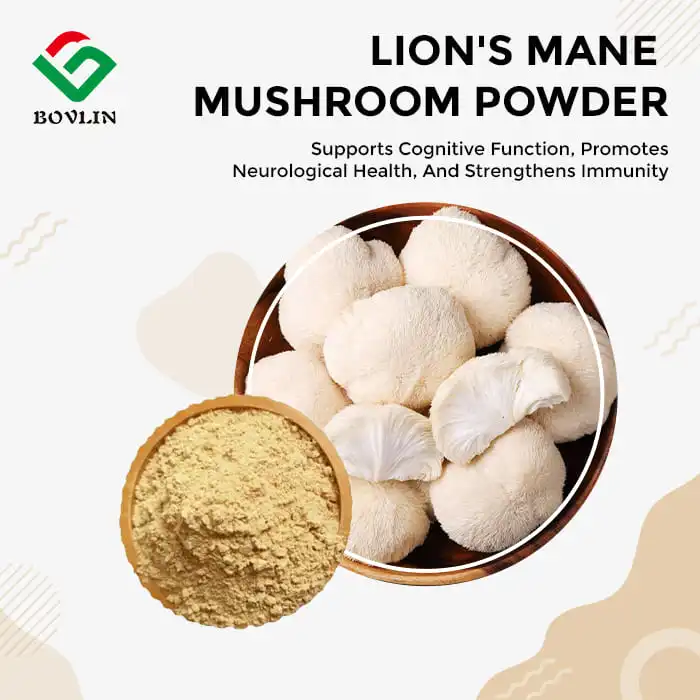
Encapsulation is the main way that chaga is delivered in the supplement industry. Manufacturers usually put 300 to 500 mg of extract into each capsule, so taking one to two capsules a day is recommended. Because the powder absorbs water easily, it needs certain flow agents, like 0.5 to 1% silicon dioxide, to keep it from bridging in automatic encapsulation hoppers and keep the fill weights uniform. More and more people are interested in synergistic mushroom mixes that include chaga, cordyceps, lion's mane, and reishi. These blends make goods that help the immune system and the brain. For chewy recipes, chaga's natural dark color does two things: it adds rich color without using artificial dyes, and it also gives a lot of vitamins. It was found that pectin-based sweets hold the extract better than gelatin matrices, staying stable during 18-month shelf life tests.
Functional Beverages and Mushroom Coffee
The mushroom coffee market has grown a lot, and chaga, lion's mane, and cordyceps are some of the most important ones. Quality extracts have earthy, slightly vanilla-like notes that go well with roasted coffee beans without being too strong. Important technical requirements include keeping colloidal stability at boiling temperatures and stopping sediment from forming in cold drinks. Water-soluble spray-dried extracts that are made especially for use in beverages are easier to mix than regular chaga extract powders. We suggest that instant coffee blends use 150 to 250 mg of extract per dose, taking into account how it will affect the taste and the cost. Adaptogenic tea recipes benefit from chaga's antioxidants and traditional health links, making them appealing to people who want to drink something other than coffee.
Cosmeceutical and Skincare Applications
Chaga has a lot of melanin and polyphenols, which are used to make anti-aging and sun protection goods. The extract works well in serums, creams, and lotions that protect against UV damage and repair the skin layer. Some of the technical hurdles are making sure that oil-in-water emulsions spread evenly and keeping the active ingredients stable across the pH ranges that are common in skin care products (pH 4.5–6.5). These problems can be solved with microencapsulation methods or specific emulsification protocols, which lead to stable formulations that last longer. Depending on the claimed effectiveness and stability data, usage quantities are usually between 0.5% and 3% in finished goods. Safety tests always show that the product is very compatible with the skin and doesn't cause sensitization at the amounts that are suggested.
The ability to be used in a variety of situations is due to strict quality control and recipe support. At Bolin Biotechnology, we work with product development teams to find the best extraction factors, particle size distribution, and carrier selection. This way, we can make sure that our products work well with a wide range of industrial processes. Our technical documentation kits include formulation rules, stability routines, and regulatory support materials that help new goods with chaga get to market faster.
Strategic Procurement of Chaga Mushroom Extract Powder for B2B Clients
Supplier Evaluation and Quality Verification
A successful buying process starts with a thorough screening of suppliers that looks at many aspects of quality. Ask for detailed instructions that include the ratio of extraction, the methods of standardization, and the rules for scientific testing. Suppliers you can trust give you batch-specific Certificates of Analysis that show the amount of polysaccharides, triterpenes, heavy metals, microbiological state, and pesticide screens. We suggest asking for samples to be kept so that they can be checked by a third party, especially when working with a new source. Supply chain openness, such as recording where mushrooms were harvested, processing facility certifications (GMP, ISO 22000, HACCP), and tracking systems, shows that operations are mature and lowers the risk of contamination that has hurt lower-tier mushroom ingredient providers.
Pricing Dynamics and Contract Negotiation
The price of chaga extract depends on a number of factors, such as the method used for extraction, the level of standardization, the organic certification, and the size of the order. Dual-extract tablets that have been standardized for beta-glucan and triterpene command higher prices than basic hot-water extracts. This is because they are more bioactive and require more work to make. Tiered price structures are usually unlocked by making a volume promise, but buying teams should weigh the savings in costs against the costs of keeping inventory and the length of time a product will last. We've seen that known sellers have more stable prices than trading companies or brokers, whose spot-market buying makes prices change all the time. Long-term supply deals with yearly promises to volume and price reviews every three months keep production going while letting costs be optimized.
Marketplace Versus Specialized Ingredient Suppliers
B2B marketplaces make it easy to compare prices, but they can be hard to use when it comes to quality control and technology help. Specialized plant extract makers offer clear benefits, including direct connections with harvest groups that guarantee the validity of the materials, specialized QC labs that carry out advanced analytical testing, and technical teams that help with formulating issues. When making custom specs, like changing particle sizes for certain uses, coming up with unique standardization ratios, or coming up with unique spray-drying parameters, the supplier's research and development (R&D) skills come in very handy. Since 2012, Bolin Biotechnology has become an expert in plant extraction. This lets us offer advice that general trading platforms can't, which lowers the risks of formulation and speeds up the launch of successful products.
Conclusion
Chaga mushroom extract powder is a scientifically proven and widely viable ingredient that can be used in a wide range of products, from anti-aging makeup to immune system boosters. The known bioactive makeup of the extract, especially beta-glucans, triterpenes, and melanin, supports a wide range of health uses, which are backed by growing clinical proof. To make a good product, you need to carefully choose your suppliers and make sure they check the quality of their products. You also need to choose the right format for the job and have formulation experts who can deal with technical issues like hygroscopicity and dispersion stability. As the need for pure, effective ingredients grows, chaga extract gives companies new ways to set their products apart in the health market, which is very competitive.

FAQs
What is the optimal dosage for chaga mushroom extract in supplement formulations?
Based on clinical studies and traditional use patterns, daily doses of 500 mg to 3,000 mg of standardized extract may work, but it depends on the quantity and the purpose of the use. Most immune-supporting vitamins have between 1,000 and 1,500 mg per day, spread out over two to three amounts. Dosing guidelines should be based on normal extract ratios and carbohydrate content instead of the weight of the raw material. To make sure that the product always works, we suggest doing stable studies that prove the bioactives stay in the product throughout its shelf life.
How does chaga extract compare with reishi or other medicinal mushrooms?
If you compare chaga to reishi, cordyceps, or lion's mane, it has higher antioxidant capacity (ORAC values), but each mushroom has its own unique chemical makeup. Reishi is good at changing the immune system through triterpenes, and lion's mane is good at supporting nerves by stimulating nerve growth factors. The melanin content and betulinic acid from birch trees make chaga's processes special. Many companies make beneficial mixes by putting together mushroom extracts that work well together to make complete health products.
What safety considerations should formulators address?
Chaga has been shown to be very safe in clinical studies, with few side effects reported at the suggested doses. Possible reasons not to use it are possible reactions with blood-thinning medicines because it thins the blood a little and possible problems with autoimmune diseases because it boosts the immune system. Quality control that checks for heavy metal contamination and bacterial purity is still very important. We offer a wide range of safety information to back up GRAS self-affirmation for food uses and cosmetic safety reports for topical goods.
Partner with Bolin Biotechnology for Premium Chaga Mushroom Extract Powder Supply
Bolin Biotechnology's main business is selling pharmaceutical-grade chaga mushroom extract powder to companies across North America that make nutraceuticals, useful foods, and cosmetics. Since we started in 2012, we've had strict quality standards for every production lot. These include full heavy metal screening, enzymatic beta-glucan verification, and full triterpene testing. Our ISO 22000 food safety management systems and GMP-certified sites make sure that the quality of our products always meets the strictest government standards. Our expert team can help you with formulations and regulatory paperwork, whether you need standard bulk numbers for current production or custom extraction specs for new formulations. This will shorten the time it takes to develop your product. You can talk to our sourcing experts at sales1@bovlin.com about your unique needs, ask for samples, or look into ways to work together with a reliable chaga mushroom extract powder manufacturer.

References
Géry A, Dubreule C, André V, Rioult JP, Bouchart V, Heutte N, Eldin de Pécoulas P, Krivomaz T, Garon D. Chaga (Inonotus obliquus), a Future Potential Medicinal Fungus in Oncology? A Chemical Study and a Comparison of the Cytotoxicity Against Human Lung Adenocarcinoma Cells (A549) and Human Bronchial Epithelial Cells (BEAS-2B). Integrative Cancer Therapies. 2018;17(3):832-843.
Kim YO, Park HW, Kim JH, Lee JY, Moon SH, Shin CS. Anti-cancer effect and structural characterization of endo-polysaccharide from cultivated mycelia of Inonotus obliquus. Life Sciences. 2006;79(1):72-80.
Shashkina MY, Shashkin PN, Sergeev AV. Chemical and medicobiological properties of chaga (review). Pharmaceutical Chemistry Journal. 2006;40(10):560-568.
Cui Y, Kim DS, Park KC. Antioxidant effect of Inonotus obliquus. Journal of Ethnopharmacology. 2005;96(1-2):79-85.
Zheng W, Miao K, Liu Y, Zhao Y, Zhang M, Pan S, Dai Y. Chemical diversity of biologically active metabolites in the sclerotia of Inonotus obliquus and submerged culture strategies for up-regulating their production. Applied Microbiology and Biotechnology. 2010;87(4):1237-1254.
Glamočlija J, Ćirić A, Nikolić M, Fernandes Â, Barros L, Calhelha RC, Ferreira IC, Soković M, van Griensven LJ. Chemical characterization and biological activity of Chaga (Inonotus obliquus), a medicinal "mushroom". Journal of Ethnopharmacology. 2015;162:323-332.