_1745226507162.webp)

Creatine vs. Creatine Monohydrate: What's the Difference?
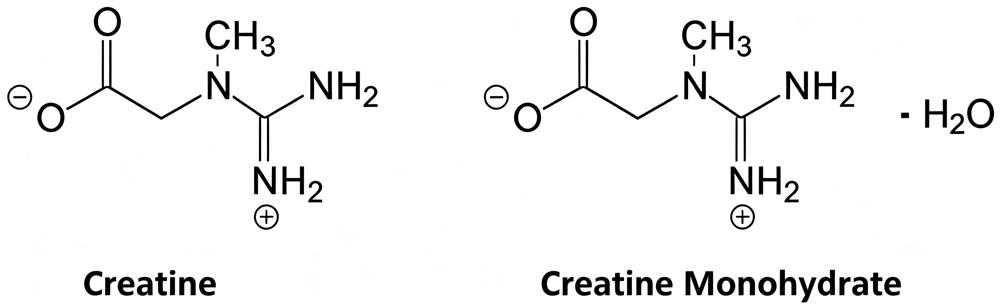
Everyone in the procurement and formulation teams always wants to know the difference between creatine and creatine monohydrate. It's a basic question that affects how products are made, how well they work for customers, and how well they follow the rules. Creatine is a nitrogenous organic acid (C4H9N3O2) that is made by the body and can be found in foods like fish and red meat. When it comes to supplements, creatine monohydrate powder is the stable form. It was made so that it could be used in functional foods, therapeutic formulations, and sports nutrition. It has a crystalline structure with one water molecule for every creatine molecule. Manufacturers who need reliable raw materials that meet high standards should choose this monohydrate form. It has better shelf stability, more accurate dosing, and consistent bioavailability.
Understanding Creatine and Creatine Monohydrate
The Biological Foundation of Creatine
It changes the way our bodies work. Adenosine triphosphate (ATP) can be quickly replaced when you work out hard because creatine is an important energy carrier in muscle tissue. The amino acids glycine, arginine, and methionine are used as building blocks by our bodies every day to make about 1.3 to 1.9 grams. This natural compound can show up in more than one form in metabolic pathways. But its free-base structure isn't stable enough to store or mix for a long time.
Creatine Monohydrate as the Industry Standard
To make a lot of supplements, creatine monohydrate powder became the most popular form. This is because it is stable at the molecular level. The word "monohydrate" comes from the fact that each molecule of creatine bonds with only one molecule of water. This makes a stable lattice structure that doesn't fall apart when the supplement is handled or stored. The sarcosinate and cyanamide reaction route is usually used in a controlled GMP environment for business purposes. High-Performance Liquid Chromatography (HPLC) shows that this makes raw material that is more than 99.9% pure. Pharmaceutical and nutraceutical buyers want quality that stays the same from batch to batch and quality records that can be tracked. This level of precision in manufacturing meets those needs.
Muscle Performance Enhancement Mechanisms
Phosphocreatine levels in muscle cells can rise by 10 to 40 percent if a person takes in extra creatine monohydrate. This depends on their starting level and how much they normally eat. When you do a lot of high-intensity exercise, this higher phosphocreatine pool speeds up the process of making ATP. On a physical level, this leads to noticeable gains in strength, sprint speed, and training volume. Researchers have known for 30 years that taking 3–5 grams of creatine every day keeps the amount of creatine in muscles at a healthy level. This helps athletes of all levels reach their performance goals. Creatine monohydrate is a well-known supplement that helps with these things. It is a big part of pre-workout mixes, recovery mixes after a workout, and performance supplements that you take on their own.
Key Differences Between Creatine and Creatine Monohydrate
Chemical Composition Variations Across Forms
Except for the standard monohydrate, there are a lot of different kinds of creatine supplements on the market. The molecules change in each one in their own way. A hydrochloride group is added to creatine hydrochloride to make it dissolve more easily in water. An ester bond is added to creatine ethyl ester to make membranes more permeable. Adding alkaline powder to buffered creatine makes the pH more stable, and micronizing pure creatine monohydrate powder makes the particles smaller (to about 200 mesh) so it's easier to mix with other things. There are different brands of creatine that say they are different, but the basic molecule in all of them is the same. The only things that are different are how they are delivered and the physical and chemical features that matter for formulation issues.
Bioavailability and Absorption Rate Analysis
If you take creatine monohydrate by mouth, it is absorbed between 95% and 99% of the time, according to clinical evidence. Peak plasma concentrations happen 60 to 90 minutes after the drug is taken by mouth. Claims vary on which forms are better at dissolving, like creatine hydrochloride. Controlled studies, on the other hand, show that there are no statistically significant differences between monohydrate and the supplement in terms of how well it works or how well muscles absorb it. When the body breaks down food, it changes all forms of creatine into free creatine. This is done before it is taken in by the body through active transport systems in the intestine. Because of this physiological fact, monohydrate is still the best choice. It is the best value because it is safer and costs less to make, without lowering its effectiveness.
When procurement teams know about these absorption dynamics, they are more likely to believe what suppliers say. When companies sell their own blends of creatine that they say make it more bioavailable, you should ask for pharmacokinetic data that has been reviewed by experts in the field. People studies that show it is better than monohydrate aren't very strong. This is usually because of marketing strategies rather than real formulation benefits.
Efficacy Profiles and Clinical Validation
There have been more than 1,000 studies on creatine monohydrate that show how it changes body composition, exercise capacity, muscle strength, and even how it could be used in medicine. There are a lot of systematic reviews and meta-analyses in this large body of research, and they all show the same ergogenic benefits for all populations. Scientists don't agree on all types of creatine being good for you. Most of the proof for them comes from studies that were paid for by the companies that made them. These studies had small sample sizes and short intervention periods. There's no doubt that the International Society of Sports Nutrition believes monohydrate is the best form. They say this because it is safe and cheap for athletes.
Side Effect Considerations and Tolerance Profiles
Muscles often hold on to water for a short time when you take creatine monohydrate as a supplement. This is because creatine has osmotic properties that make cells hold more water and store more creatine. People who are loading up gain 1-2 kg of weight during this time because their cells take in water. This is because muscles are more hydrated than fat builds up. Some people who use it say that taking more than 10 grams at once gives them mild stomach pain. You can ease this pain by taking the medicine with food or space out the doses. Different kinds of creatine, like creatine hydrochloride, which dissolves better and needs less of a dose, can help people who are sensitive to these side effects. Standard monohydrate, on the other hand, is fine for most people.
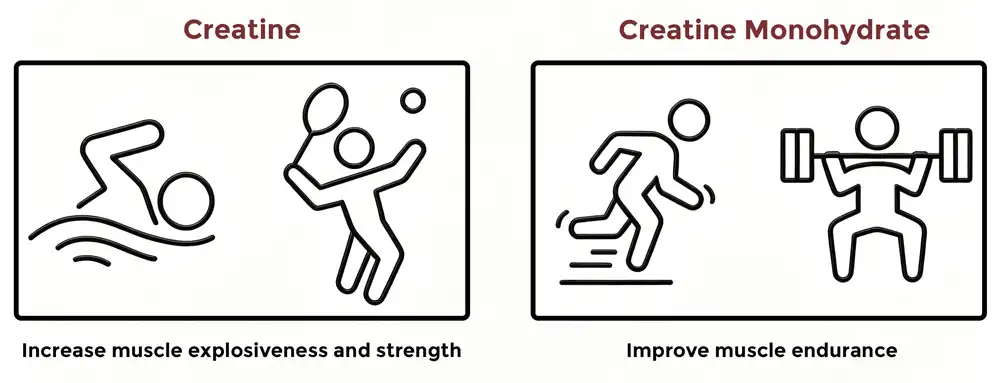
Comparative Procurement Insights for Different Creatine Types
Market Supply Landscape and Sourcing Options
About 15,000 metric tons of creatine monohydrate were sold around the world every year. Most of it was made by a small group of specialized companies that make sure their factories are clean enough for pharmaceutical use. There are usually drums that hold 25 kg, supersacks that hold 500 kg, and containerized shipments for people who buy a lot. The price ranges depend on the quality of the raw materials. For example, premium micronized versions cost more because they are milled more times. Suppliers who have been around for a while can give you full certificates of analysis that include tests for heavy metals, residual solvents, microbe contamination, and purity. This is important paper work for quality assurance protocols and regulatory submissions.
When procurement managers look at possible suppliers, partners who can show they can do vertical integration should be given more weight. Manufacturers who control the synthesis chemistry, crystallization processes, and particle size reduction of creatine monohydrate powder make batches that are more consistent than distributors who repackage imported materials. There are well-known production hubs in a certain area that have strict rules for the environment and quality management systems that meet international standards. These are good places to look for goods.
Price-Performance Analysis Across Creatine Variants
When looking at cost per dose, creatine monohydrate is the best choice. Its bulk pricing also lets finished product margins be competitive. Some types of creatine, like creatine hydrochloride, cost 300–500% more than creatine monohydrate. These work better because they come in smaller servings and break down faster. Both the ethyl ester and buffered versions of creatine are very expensive, but they are not worth the money when you look at how well they work in the body. When customers are willing to pay more for specialty forms, it's a chance for smart procurement teams to make more money. But it's still important to be open and honest about how different forms work to keep your brand's credibility.
Detailed cost modeling should incorporate total formulation expenses beyond raw material acquisition. All the costs that go into making a product should be included. It may cost a little more per unit of micronized creatine monohydrate powder, but it's easier to mix and doesn't take as long to make for liquid suspension uses. Full total-cost-of-ownership models show that these operational efficiencies further down the line often make small investments in ingredients worth it.
Certification Requirements and Quality Assurance Protocols
Suppliers you can trust have a lot of certifications that show they care about quality and following the rules. When a company gets ISO 9001 certification, it means that they use quality management systems to make sure that the way they make things is always the same. Good Manufacturing Practice (GMP) certification for pharmaceutical or dietary supplement uses proves that rules for keeping records and preventing contamination are followed. Systems-based risk analysis is what HACCP certification does to make sure that food is safe. This is very important for creatine that will be used in drinks and foods that are good for you.
Along with certificates of analysis from the supplier, testing by third-party, independent labs adds another level of proof. There are worries about contamination in the sports nutrition industry. To deal with this, groups like Informed-Sport and NSF Certified for Sport check labels for illegal substances and make sure they are correct. When people buy things, the contracts should say how often tests will be done, how much error is okay for important specs, and what should be done when materials don't meet the standards for acceptance.
How to Choose the Right Creatine Product for Your Business Needs?
Client Segmentation and Application Matching
Because it has the most research backing it and is the least expensive, sports nutrition companies that cater to serious athletes concentrate on creatine monohydrate powder. These customers would rather use tried-and-true delivery methods than try something new. They also like it when products are clearly marked. Brands that sell wellness products to people who care about their health and want to age in a healthy way may want to look into creatine forms that focus on clean labels and claims of minimal processing. For pharmaceutical uses, you need USP-grade creatine monohydrate that meets the standards for API use, along with data on how stable it is so you can figure out how long it will last.
Functional beverage developers face unique solubility challenges requiring micronized particle sizes pure creatine monohydrate powder solutions preventing sedimentation during shelf storage. When creatine gets too hot or too acidic, it changes into inactive creatinine. This is why ready-to-drink products need to be tested for stability across pH ranges and temperature changes. There are more than just how well these materials work that are taken into account when choosing them. They want suppliers to be able to give them stability data packages and help with formulations.
Critical Quality Indicators for Procurement Evaluation
Purity tests with HPLC should always be higher than 99.0%, and the best grades should get as high as 99.9% purity. Loss on drying (LOD) numbers between 10% and 12% show that the monohydrate stoichiometry is correct. Changes in the deviations show either anhydrous conversion or too much moisture, which makes the substance less stable. The total amount of heavy metals must be less than 10 parts per million, and lead, mercury, cadmium, and arsenic must all be called out on their own. For dietary supplements, the total plate counts of microbes should be less than 1,000 CFU/g, and pathogens like Salmonella and E. coli should be less than 10 copies per gram.
The way the particle sizes are spread out has a big impact on how well a formulation works, especially when it needs to dissolve quickly or mix evenly. Normal creatine monohydrate has a mesh size of 80 to 100, but micronized versions have a mesh size of 200 mesh or less. By using laser diffraction to measure particle size, you can be sure that materials meet certain processing requirements. The packaging works better when the bulk density is between 0.5 and 0.65 g/ml. This also helps predict how the powder will flow during automated processes like tableting or encapsulation.
Supplier Evaluation and Partnership Strategies
The long-term success of procurement depends a lot on more than just the specifications of the materials. It also depends a lot on what the supplier can do. By looking at technical support resources, you can find partners who can help you make your formulation better, set up testing protocols for stability, and write up documents for the government. When it comes to working together, suppliers with customer service teams that know what pharmaceutical and nutraceutical companies need are better than commodity traders who don't know much about technology.
Production capacity assessments verify suppliers can scale with business growth without compromising quality or delivery timelines. By asking to see the facility or reading audit reports, you can be sure that it follows GMP and is a high-tech factory. Managing inventory in ways like keeping safety stock levels, making sure lead times are reliable, and being flexible when orders need to be changed can affect how strong the supply chain is. Establishing dual-source strategies lowers the risk of disruption, but it takes the same amount of time and research to qualify secondary suppliers.
Benefits and Risks of Using Creatine Monohydrate Powder in Bulk Supply
Market Demand Drivers and Growth Opportunities
There is a growing market for sports nutrition around the world, and products with creatine monohydrate powder are a big part of that growth. People who aren't into bodybuilding now know more about how safe and effective creatine is. People who are into fitness, older people who want to avoid sarcopenia, and people who want to get smarter are all examples of this. Because of this shift in the population, there is room for new products that come in easy-to-use forms, have formulas that help with more than one health goal, and have marketing plans that are specific to each gender.
Scientific research exploring creatine applications beyond athletic performance strengthens market fundamentals. Studies that looked at how creatine protects neurons, how it affects mood, and how it affects metabolic health show that it is a versatile ingredient that can be used in many different products. When brands go into these new markets, they can use creatine monohydrate because it is a mature ingredient that has already been shown to be safe. This way, they don't have to deal with the regulatory uncertainty and consumer doubt that come with using new ingredients.
Quality Control Imperatives During Procurement
Enforcing strict inspection protocols for incoming materials keeps the supply chain honest and prevents problems with quality variation. An important part of risk management is putting materials in quarantine and not letting them be used until tests show they meet the standards. You can stop fraud or substitution by checking someone's identity with infrared spectroscopy or other methods that aren't related to supplier certificates. Having a separate lab regularly check the test results from a supplier builds trust in quality systems and looks for any testing holes.
The way creatine monohydrate powder is stored has a big impact on how stable it is, and it needs to be kept in controlled warehouses. Keeping the temperature below 25°C and the relative humidity below 60% keeps water from getting in and doing damage. Using first-in, first-out inventory rotation and limiting the amount of time that materials can be stored help keep the quality of the materials high all along the supply chain. These rules for running the business keep the product safe from the time it is bought until it is sent to customers. This makes less trash and fewer complaints from customers.
Risk Mitigation Through Strategic Supplier Partnerships
Developing collaborative relationships with reputable creatine monohydrate suppliers creates mutual value extending beyond transactional exchanges. Preferred supplier programs offering volume commitments in exchange for pricing stability, priority allocation during supply constraints, and co-development support strengthen competitive positioning. Transparency regarding production challenges, raw material sourcing, and regulatory landscape changes enables proactive rather than reactive business planning.
Contractual protections including quality guarantees, indemnification clauses, and clear written specifications in quality agreements formalize expectations and accountability. Dispute resolution mechanisms and performance metrics establish objective frameworks for partnership evaluation. Regular business reviews assessing service levels, quality trends, and ongoing efforts to make things better will help keep relationships healthy and help you find ways to make things better.
Conclusion
The main difference between creatine and creatine monohydrate is how they are used, not how they work biologically. While "creatine" refers to a naturally occurring compound and its various forms, creatine monohydrate powder is the stabilized, commercially viable form that rules the supplement industry thanks to its proven effectiveness, low cost, and consistent production. The best way for procurement professionals to buy this kind of ingredient is to give priority to suppliers with pharmaceutical-grade quality systems, thorough testing protocols, and technical knowledge that helps formulations work. There is a lot of scientific proof that creatine monohydrate works. Not only that, but consumers like it and regulators think well of it. It's an important part of sports nutrition, functional foods, and wellness products because of this.
FAQ
What makes creatine monohydrate superior to other creatine forms?
More than 1,000 studies have shown that creatine monohydrate is safe and works. This is more than any other form of creatine. The molecules stay stable because of the water molecule that is attached to them. This keeps the potency the same while they are being stored or made. Some kinds, like creatine hydrochloride or ethyl ester, don't have as much research behind them, and they usually cost a lot more without really helping with bioavailability. The International Society of Sports Nutrition says that creatine monohydrate is the best and most cost-effective choice for athletes.
How does particle size affect creatine monohydrate functionality?
Particle size directly influences dissolution rate and suspension stability in liquid applications. Standard creatine monohydrate at 80-100 mesh works well for powders, capsules, and tablets but may settle in beverages. Micronized creatine monohydrate at 200 mesh or finer provides enhanced solubility, reducing grittiness in ready-to-drink products and improving consumer experience. Manufacturers should select particle size specifications aligned with their specific formulation requirements and processing equipment capabilities.
What quality certifications should buyers require from creatine monohydrate suppliers?
Reputable suppliers maintain ISO 9001 certification for quality management systems, GMP certification specific to dietary supplements or pharmaceuticals, and HACCP certification for food safety protocols. Third-party testing through programs like Informed-Sport or NSF Certified for Sport provides additional assurance regarding banned substance screening. Buyers should request certificates of analysis documenting HPLC purity assays, heavy metal content, microbial limits, and particle size distribution for each production lot.
Partner with Bolin Biotechnology for Premium Creatine Monohydrate Powder Supply
Shaanxi Bolin Biotechnology Co., Ltd. delivers pharmaceutical-grade creatine monohydrate powder meeting the stringent requirements of nutraceutical manufacturers, OEM partners, and functional food brands worldwide. Our micronized formulations achieve superior solubility profiles ideal for beverage applications, while our standard mesh options optimize tableting and encapsulation processes. Every batch undergoes rigorous HPLC purity verification, heavy metal screening, and microbial testing, backed by complete certificates of analysis and regulatory support documentation. As an established creatine monohydrate powder manufacturer since 2012, we maintain ISO, GMP, and HACCP certifications ensuring consistent quality and supply reliability. Contact our technical team at sales1@bovlin.com to discuss your specific formulation requirements, request samples, and explore how our plant-based solutions support your product development goals.
References
Kreider, R.B., Kalman, D.S., Antonio, J., Ziegenfuss, T.N., Wildman, R., Collins, R., et al. (2017). International Society of Sports Nutrition position stand: safety and efficacy of creatine supplementation in exercise, sport, and medicine. Journal of the International Society of Sports Nutrition, 14(1), 18.
Cooper, R., Naclerio, F., Allgrove, J., & Jimenez, A. (2012). Creatine supplementation with specific view to exercise/sports performance: an update. Journal of the International Society of Sports Nutrition, 9(1), 33.
Butts, J., Jacobs, B., & Silvis, M. (2018). Creatine Use in Sports. Sports Health: A Multidisciplinary Approach, 10(1), 31-34.
Wyss, M., & Kaddurah-Daouk, R. (2000). Creatine and creatinine metabolism. Physiological Reviews, 80(3), 1107-1213.
Hall, M., & Trojian, T.H. (2013). Creatine supplementation. Current Sports Medicine Reports, 12(4), 240-244.
Jäger, R., Purpura, M., Shao, A., Inoue, T., & Kreider, R.B. (2011). Analysis of the efficacy, safety, and regulatory status of novel forms of creatine. Amino Acids, 40(5), 1369-1383.


_1775716267875.png)