_1745226507162.webp)

Functional Properties of Wheatgrass Powder: Applications in Health Products
Because it has a lot of concentrated beneficial substances that are good for you, organic wheatgrass powder is now an important part of many modern health products. This good-for-you food comes from picking young wheat shoots before the grains form. There are many times when it has been scientifically proven to work. Organic wheatgrass powder is a versatile raw material that meets strict quality standards and meets customer demand for plant-based nutrition with a clean label. It is high in chlorophyll, vitamins, minerals, and enzymes. Knowing what makes a product useful helps buying teams make smart sourcing decisions that make the product work better and be more competitive in the market.
Understanding the Functional Properties of Organic Wheatgrass Powder
Organic wheatgrass powder is easy to identify due to its high nutrient density and distinctive chemical structure. This part talks about the main good things about it that make it a great ingredient for health items.
Comprehensive Nutritional Profile
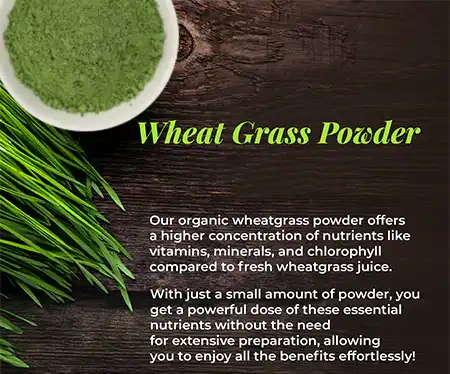

Organic wheatgrass powder contains a huge amount of important nutrients that assist the body in a variety of processes. Vitamins A, C, E, and K are found naturally in the food. These vitamins help cells stay healthy, the immune system work better, and free radicals are fought. Not only does it give you vitamins, but it also has minerals like iron, calcium, magnesium, and potassium that are good for your heart, lungs, and bones. It's a complete protein source since it has all eight amino acids that your body needs. This makes it great for formulas that are based on plants. This whole food base saves businesses time and money because it lets them make health products that do more than one thing.
Chlorophyll Content and Bioactive Compounds
This organic wheatgrass powder is very green because it has a lot of chlorophyll in it. The best grades often have over 70% chlorophyll. There is a lot of detoxification power in chlorophyll. It helps the liver work and cleans up cells. According to study, chemicals that are high in chlorophyll help get rid of toxins in the environment and keep the blood healthy. Besides chlorophyll, wheatgrass powder has a lot of chemicals that help the body break down food and take in nutrients. If you make these enzymes into powder the right way, they stay solid and keep working for as long as the product is kept correctly.
Antioxidant Capacity and Free Radical Protection
Lab tests with ORAC (Oxygen Radical Absorbance Capacity) and other common methods always show that organic wheatgrass powder has a lot of antioxidant power. Beta-carotene, vitamins C and E, and polyphenolic chemicals all work together to form a strong antioxidant matrix that protects cell structures from damage caused by oxidation. This useful quality is closely linked to claims that a product will help you age well, keep your skin healthy, and keep your cells alive. This is a great way for companies that make anti-aging vitamins or functional drinks to make their goods stand out. There is solid evidence to back this up that shows the claims made for regulatory purposes are true.
Alkalizing Properties and pH Balance Support
The minerals in organic wheatgrass powder help make the body more alkaline. This can help balance out the acidic foods that most people eat these days. It can make things more acidic because it is full of alkaline minerals. These minerals help keep the pH of different body functions in the right range. Formulation teams that make health products for gut health, metabolic health, or detoxification do like this useful feature. The alkalizing effect works well with other nutritional parts, giving the product more benefits that make users happy and make it work better.
Applications in Health Products: Industry Use Cases and Formulations
Due to its adaptability, raw wheat grass powder can be used in a wide variety of products. Each one uses its own special qualities to help your health in different ways. Teams that make new products can learn a lot from apps that people actually use.
Dietary Supplements and Capsule Formulations
One of the best ways to get nutrients into your body is to take encapsulated wheatgrass powder. It's simple to use, and you can control how much you take. Most of the time, 500 to 1000 mg of organic wheatgrass powder is in each pill from a maker. Most of the time, this is mixed with spirulina, chlorella, or prebiotic carbohydrates, which all work well together. The powder naturally sticks together, which makes it easy to shape into pills. Adding just a few excipients can help with both stability and breakdown. To keep food fresh for longer, quality control protocols must make sure that the amount of wetness is less than 5%. This stops enzymes from breaking down the food. Let a third party check your food for bacteria, heavy metals, and chemical leftovers. This will show that you follow the rules and earn your customers' trust.
Functional Beverages and Ready-to-Mix Products
It's important to think about how well it mixes with other flavors, stays the same color, and dissolves in drinks. It's easy for the organic wheatgrass powder to dissolve in water and drink as long as it's treated the right way to get tiny particles spread out. Most green drink mixes, smoothie boosters, and wellness shots have between 1 and 3 grams added per dose so that the health benefits are balanced with how good the product feels. To hide the taste of grass, using natural sweeteners, lemon notes, or mint items can help to balance out its flavor. Testing for stability under conditions of quick aging makes sure that chlorophyll degradation stays low for the whole shelf life. This means that the bright green color that tells customers the food is fresh stays the same.
Nutraceutical Powders and Superfood Blends
In bulk powder form, many different kinds of nutrient-dense plant materials are put together to make full superfood recipes. A lot of the time, things like maca, ashwagandha, medicinal mushrooms, and adaptogenic herbs are mixed in with 10–25% organic wheatgrass powder. When the different food patterns work together, they make the product more useful than the sum of its parts. When formulating a product, the people in charge need to think about particle size accuracy to make sure that the doses stay the same and the particles don't separate while the product is being stored. The supplement should be mixed with 5–10 grams of plant-based milk, yogurt, or shakes every day. If the directions are clear, people are more likely to do what they say.
Dosage Recommendations and Safety Considerations
Two to three teaspoons (about six to nine grams) of organic wheatgrass powder every day is good for your health in general, according to research and traditional use. Larger amounts may be used in therapeutic practices with clear health goals when a medical person is present. Safety data shows that a lot of different types of people can handle it well. Wheatgrass that hasn't been turned into grains, on the other hand, is gluten-free when it is picked before it does. As the body gets used to taking in more chlorophyll, stomach problems may happen once in a while in the first few days of use. As the amount is slowly increased, this problem typically goes away. You should be able to read on the sticker that this product should not be used by people who are pregnant, nursing, or who already have health problems.

Strategic Procurement of Organic Wheatgrass Powder for B2B Clients
To make sure you have a steady supply of organic wheatgrass powder, you need to carefully check the skills, quality systems, and certifications of your providers. When you buy things strategically, you can keep the quality of the goods the same while also cutting costs.
Certification Standards and Quality Verification
Suppliers must show that they follow well-known organic certification programs, such as USDA Organic, EU Organic, or similar foreign standards that check how goods are grown, processed, and tracked. People who make things should look for sources who have more than just organic approval. For added peace of mind, they should search for providers that are certified in ISO 9001 quality management, GMP (Good Manufacturing Practice), and HACCP food safety. These badges show that the business has well-organized ways to check the quality of their products, which lowers the chance of contamination and makes sure that every batch is the same. If you ask for Certificates of Analysis (CoA) for sample production lots, you can check important quality factors such as the amounts of heavy metals, vitamins, and microbes. If you make quality deals with acceptance standards for moisture content, particle size distribution, and color values, you can't legally get material that isn't up to par.
Supplier Selection Criteria and Partnership Development
You should think about more than just prices when you're looking at different sources. Before you join forces, you should also think about how the friendship will last. A study of production capacity checks to see if providers can make their goods better while also increasing their capacity to meet rising demand. The way prices are structured and how stable the supply chain is are both affected by the geographic sourcing plan. Some buyers like buying from domestic sources because the wait times are faster, while others buy from foreign sources because the prices are better. When you tell your providers where they get their raw materials, how they handle them, and how they keep track of their stock, you build trust in their business skills. The working conditions and quality processes in the plant can be checked by a third party if you ask for facility audits or inspection reports. When it comes to working together on product development, some providers stand out because they offer private labeling, have flexible minimum order amounts, and let you get help from experts.
Price Dynamics and Cost Optimization Strategies
Lots of things affect the price of organic wheatgrass powder on the market, like how much grass grows in the fields, how much it costs to license, how it is processed, and how supply and demand change from place to place. Premium types that have more chlorophyll, smaller particles, or better absorption are more expensive, but they work better, so the price difference is worth it. When volume is used to set prices, prices tend to drop after a certain point. Buyers must, however, weigh the advantages of bulk deals against the costs of having stocks and the need to keep goods fresh. In order to avoid price changes and ensure a steady supply, it is best to set up yearly supply deals with clear market signs. Having ties with more than one seller lowers the risk of supply problems and keeps prices low through smart competition in the sourcing market.
Future Trends and Innovations in Wheatgrass Powder Applications
The market for organic wheatgrass powder is always moving as new technologies come out, consumer tastes change, and scientists learn more. If manufacturers can guess these trends, they will be able to stay ahead of the competition.
Enhanced Bioavailability and Novel Delivery Systems
New ways of preparing food try to make it easier for the body to take in nutrients by using microencapsulation, liposomal transport systems, and smaller particle sizes. For nano-milling, very small powder pieces with more surface area are made. This might speed up digestion. Microencapsulation stops fragile chemicals from breaking down and lets nutrients be released at controlled rates that work best for the body. More absorption was seen in early tests when black pepper extract or healthy fats were mixed with wheatgrass powder. These substances help the body absorb the powder better. Firms can make their products stand out with these new technologies by comparing absorption data to back up claims that their products work better.
Personalized Nutrition and Targeted Formulations
Because people want personalized health answers, wheatgrass recipes are made to fit the needs or health goals of certain groups of people. Performance-enhancing goods mix branched-chain amino acids, salts, and wheatgrass to help the body heal and last longer. The vitamins in wheatgrass are mixed with resveratrol, collagen peptides, and other substances that slow down the aging process in products for good aging. Doctors can give personalized amount advice based on the results of a person's health tests, genetic data, or microbiome analysis when digital health is integrated. With this move toward exact nutrition, there are more chances to sell high-end goods and get people more involved in their health through personalized solutions.
Sustainability and Regenerative Agriculture Practices
Brands are buying more and more goods that help them reach their environmental goals because they care about the earth. Organic approval that promotes regeneration is the next level up from organic standards that are already in place. It checks farming ways that actively improve the health of the land, store carbon, and make more space for wildlife. Brands that care about the environment are more likely to buy from suppliers who use safe farming methods. Customers who care about the environment can see that brands care about sustainability if they use blockchain technology or detailed sourcing stories to make their supply lines more open. Carbon footprint analysis and water usage numbers help businesses be more environmentally friendly in a way that can be measured and used in their marketing and environmental reports.
Conclusion
There are many ways that organic wheatgrass powder can be used, and it works well in a lot of different nutrition, health, and useful food products. The crop was grown in a clean way and has a lot of different nutrients. This gives farmers an item that can be used in many ways and meets both government and customer standards. High-quality products are always available thanks to smart buying that checks certifications, builds relationships with sellers, and follows quality control steps. Personalized nutrition, better bioavailability, and an emphasis on sustainability are some of the market trends that businesses that build strong relationships with their providers and stay up to date on new technologies will be able to keep making health goods that are reliable and better than the competition.

FAQ
What is the recommended daily dosage of organic wheatgrass powder for supplement formulations?
Taking two to three teaspoons (about six to nine grams) a day has been shown to be good for your health in both test tubes and old-fashioned ways. If a doctor tells them to, higher numbers can be used in therapeutic mixes with specific health goals. For people who are new to concentrated green superfoods, manufacturers should think about slow introduction plans to keep the time it takes for the gut to get used to them as short as possible.
How do I verify the authenticity and quality of organic wheatgrass powder suppliers?
You should look at a supplier's organic certification paperwork from well-known groups like the USDA or the EU, as well as their ISO quality management credentials. You should also ask for recent Certificates of Analysis that show they meet standards for microbes, pesticides, and heavy metals. You can be more sure of the quality of the manufacturing process and the steps taken to stop pollution if a third party checks the facility or writes an inspection report.
Are there contraindications or safety concerns associated with wheatgrass powder?
A lot of different people think that organic wheatgrass powder is healthy. When picked before grains form, wheatgrass is gluten-free, so people with celiac disease can eat it without getting sick. Sometimes, tummy issues may happen in the first few days of use. As the amount is slowly raised, this typically goes away. Before beginning a nutrition program, women who are pregnant, nursing, or who already have health issues should talk to a doctor.
Partner With Bolin Biotechnology for Premium Organic Wheatgrass Powder
Bolin Biotechnology makes organic wheatgrass powder that is made to high quality standards that meet international approval needs and has been shown by science to be healthy. We have sold organic wheatgrass powder since 2012, and we test it carefully to make sure that the nutrients stay the same, the product is organic, and there are no other substances in it. Our production skills let us offer private marking, adjustable minimum order quantities, and expert formulation help that speeds up the making of your product. You can use the Certificates of Analysis, organic approval, and other legal support papers that we give you to get into any market in the world. We have built long-term ties with some of the biggest names in nutraceuticals in North America and Europe by being open with them and managing our supply chain in a reliable way. You can email our technical team at sales1@bovlin.com to talk about your unique formulation needs. You can also ask for samples of our products along with all the analysis paperwork, or you can look into custom processing options that are made to fit your needs. On bolinbiotech.com, you can find all the technical details. You can also find out how our organic wheatgrass powder for sale can help your company by making your goods better and more valuable.
References
Kothari, S., Jain, A. K., Mehta, S. C., & Tonpay, S. D. (2011). Hypolipidemic effect of fresh Triticum aestivum grass juice in hypercholesterolemic rats. Acta Poloniae Pharmaceutica, 68(2), 291-294.
Padalia, S., Drabu, S., Raheja, I., Gupta, A., & Dhamija, M. (2010). Multitude potential of wheatgrass juice (Green Blood): An overview. Chronicles of Young Scientists, 1(2), 23-28.
Durairaj, V., Hoda, M., Shakya, G., Pajaniradje, S., & Rajagopalan, R. (2014). Phytochemical screening and analysis of antioxidant properties of aqueous extract of wheatgrass. Asian Pacific Journal of Tropical Medicine, 7(S1), S398-S404.
Bar-Sela, G., Tsalic, M., Fried, G., & Goldberg, H. (2007). Wheat grass juice may improve hematological toxicity related to chemotherapy in breast cancer patients: A pilot study. Nutrition and Cancer, 58(1), 43-48.
Ferruzzi, M. G., & Blakeslee, J. (2007). Digestion, absorption, and cancer preventative activity of dietary chlorophyll derivatives. Nutrition Research, 27(1), 1-12.
Ben-Arye, E., Goldin, E., Wengrower, D., Stamper, A., Kohn, R., & Berry, E. (2002). Wheat grass juice in the treatment of active distal ulcerative colitis: A randomized double-blind placebo-controlled trial. Scandinavian Journal of Gastroenterology, 37(4), 444-449.