_1745226507162.webp)

Guide to Import Lemon Juice Powder from China
To get lemon juice powder from China, you need to plan your trip carefully, check the credibility of the seller, and understand the rules. This complete guide goes over all the important steps for a good procurement, from choosing a supplier to following the rules for quality control. Chinese producers offer reasonable prices and a wide range of formulations for use in food, cosmetics, and nutraceuticals. Businesses can set up reliable supply chains that minimize risks and raise product quality standards by making sure they have the right paperwork, quality approvals, and follow all the rules.
Understanding China's Lemon Powder Manufacturing Landscape
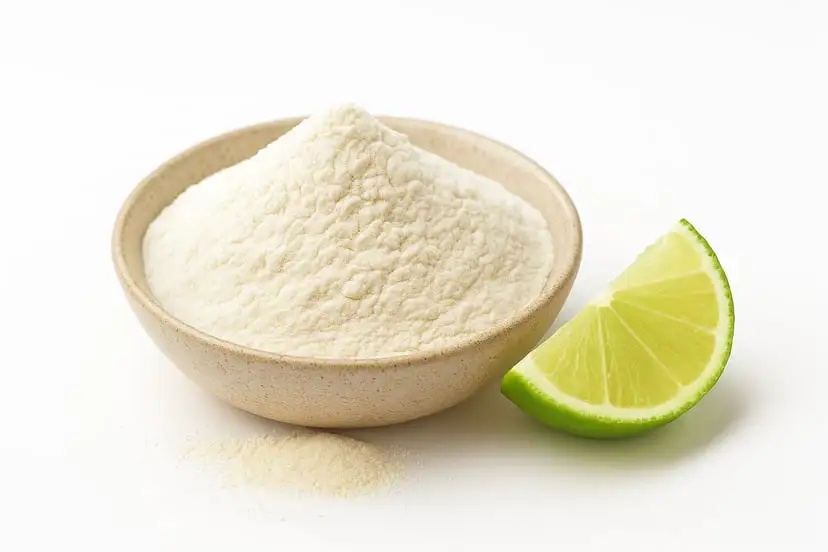
China processes more citrus fruits than any other country, making about 60% of the world's lemon juice. The country is a good place to get dehydrated lemon products because it has advanced extraction technologies and well-established supply lines.
Shandong, Shaanxi, and Hubei provinces are major output hubs. Companies like Bolin Biotechnology use cutting-edge spray-drying and freeze-drying methods there. These areas gain from being close to farms that grow citrus fruits and modern processing plants.
Chinese companies usually make more than one type of powder, such as whole fruit powder with peel chemicals, pure juice concentrate powder, and standardized extract bulk lemon juice powders with a certain amount of vitamin C. Production ranges from small 500 kg amounts for testing to over 50 tons per month on an industrial scale.
Quality certifications like ISO 22000, HACCP, and organic certifications are important in the manufacturing industry. The best providers have full testing labs that do things like microbiological analysis, heavy metal screening, and nutritional profiling.
Essential Quality Standards and Certifications
Importing lemon concentrate successfully starts with making sure the quality is good. Before forming partnerships, international buyers must make sure that sellers keep the necessary certifications.
Some examples of food-grade certifications are FDA registration for US markets, EU organic certification for sale in Europe, and BRC certification for stores. For therapeutic uses, pharmaceutical-grade providers need to be GMP certified and follow the pharmacopeia.
The factors used for testing include the amount of moisture (usually less than 5%), the pH level, the rate of solubility, and the flavor profile. Microbiological guidelines say that pathogens like Salmonella, E. coli, and mold counts must be below acceptable levels.
Nutritional analysis checks the amount of vitamin C retained (usually between 200 and 800 mg per 100 g), citric acid content, and antioxidant action. Based on the needs of the final target country, residue testing checks for pesticides, heavy metals, and processing aids.
For each production batch, suppliers should give Certificates of Analysis (COA), which show that the quality standards are always the same. Validation by a third-party lab gives suppliers' claims more weight and lowers the risk of quality problems.
Regulatory Requirements and Import Documentation
Different markets have very different rules about imports, so a lot of planning needs to be done before the shipment starts. Imports into the United States must file a Prior Notice with the FDA and follow the rules of the Food Safety Modernization Act.
Imports from the European Union require Novel Food authorization for some concentrated goods and compliance with Commission Regulation EC 1881/2006 on the levels of contaminants. Health certificates from the Chinese government prove that the production site follows the rules.
Commercial contracts, packing lists, bills of lading, and certificates of origin are some of the documents that are usually needed. Products that are organic need extra approval from well-known groups like ECOCERT or JAS Organic.
Certain HS codes (usually 2106.90 for flavoring preparations) are used for customs classification, which changes the tax rates and the way goods are imported. Using the right classification stops delays and makes sure that costs are calculated correctly.
In some places, you may need an import license, especially for therapeutic-grade goods or amounts that are higher than certain limits. Talking to customs agents or trade lawyers can help you get through the complicated rules and regulations.
Supplier Selection and Verification Process
When evaluating a supplier, you need to take a close look at their manufacturing skills, quality control methods, and business stability. Start by looking over records of business registration, facility licenses, and export performance.
A manufacturing capacity review looks at how much can be made, when it's available, and how it can be expanded to meet rising demand. Check the equipment's specs, especially the spray-drying settings that affect organic lemon juice powder properties like particle size and solubility.
The review of quality control systems includes checking for certifications, lab capabilities, and traceability methods. Get facility audit results from outside groups or set up virtual inspections to start the screening process.
Some signs of a company's financial stability are its age, the direction in its export volume, and trade references from current customers. Flexibility in payment terms often shows how confident and financially stable a seller is.
Long-term relationship success depends on how well people can talk to each other. Look at how well they speak and write English, how quickly they respond, and how much technical knowledge they show in the first talks.
Examining samples is an important way to learn about the quality and stability of a product. Ask for more than one production batch to see how different they are and to see how well the specs match the needs.
Logistics and Shipping Considerations
The way a product is shipped has a big effect on its quality and the total cost of landing. The flavor molecules in lemons need to be kept safe from heat, humidity, and contamination while they are being shipped.
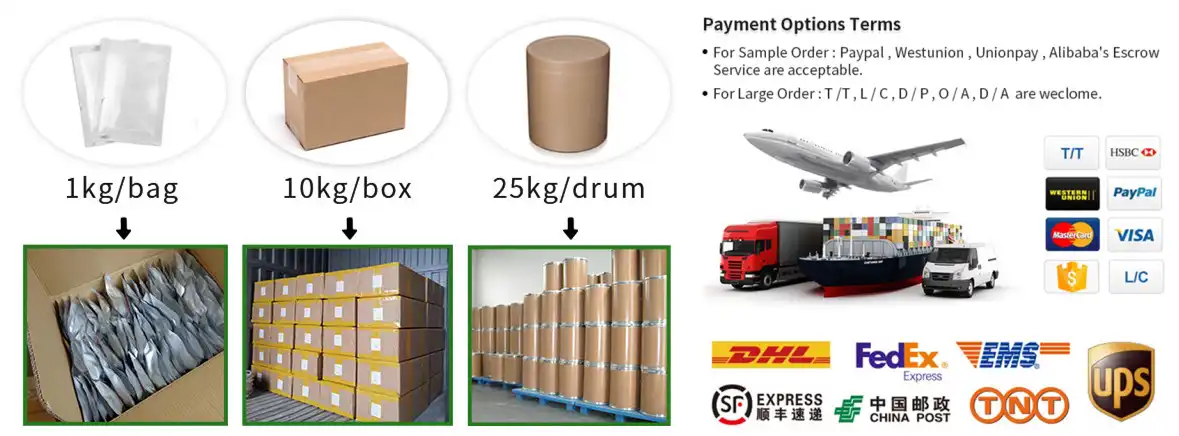
Specifications for packaging should include inner bags that can't hold water. These bags should be sealed inside fiber drums or boxes and are usually made of aluminum foil laminated with polyethylene. Desiccant packets help keep the right amount of wetness in the air.
For big shipments (minimum 500 kg), sea freight is one option. For urgent orders or samples, air freight is another. It usually takes 25 to 35 days for sea freight to get from big Chinese ports to places in North America.
Containers that keep the temperature stable may help sensitive mixtures, especially those that have a lot of essential oils in them. When properly packed, standard dry containers are enough for most orders of spray-dried powder.
Prepare for customs clearance by making sure you have the right paperwork, that your products are classified correctly, and that you have a plan for paying the fee. Working with skilled freight forwarders cuts down on delays and risks related to compliance.
Insurance guards against losses during transit, contamination, or a drop in quality. Marine cargo insurance usually costs between 0.1% and 0.3% of the value of the shipment, but it protects important shipments very well.
Cost Analysis and Pricing Structures
Being clear about prices lets you make accurate cost estimates and compare suppliers. Chinese sellers of lemon concentrate usually give FOB prices from Shanghai, Qingdao, or Tianjin, which are some of the country's busiest ports.
The base price is between $8 and $25 per kilogram, but it changes based on the specifications, standard grade, and size of the order. Due to its higher nutritional value and complicated processing needs, whole lemon juice powder is more expensive.
There are different levels of volume discounts, with price breaks for orders of 500 kg or more, orders of 1 ton, and container loads, which offer the biggest saves. Annual contracts often get you extra savings and make sure you always have a supply.
Inspection fees ($300 to $800 per batch), paperwork fees ($100 to $200 per shipment), and freight forwarder services ($500 to $1500 per container) are some of the other costs. Duty rates on imports depend on the classification and target country.
Payment terms affect how much working capital you need and how the connection works. For bigger deals, letters of credit or 30% down payments with the remaining 70% due on shipping papers are common ways to make deals.
Changes in currency have an effect on total costs, especially for contracts that last a long time. For long-term relationships, think about hedging tactics or price adjustment clauses.
Quality Control and Testing Protocols
Audits of suppliers are the first step in comprehensive quality control. Receiving inspections and ongoing tracking are the next steps. Set clear requirements that include chemical, biological, and physical factors.
Before goods leave China, they are checked by independent third-party companies like SGS or Intertek during a pre-shipment inspection. The $500 to $1200 per batch inspection costs are a good way to protect against quality problems.
When you get it, you should do an incoming inspection that includes a visual check, a moisture check, and some simple solubility tests. Keep representative samples for further tests and, if necessary, to look into complaints.
Microbiological testing needs special labs, but it keeps food safety problems from getting worse. Pathogen testing usually takes three to five days and costs between $200 and $400 per sample.
Nutritional research confirms important details like the amount of vitamin C, citric acid, and other substances. For known suppliers with a history of reliability, testing once a year is enough.
Testing for stability in different storage situations helps figure out how long something will last and how to store it best. Changing the temperature and humidity shows possible ways for damage to happen.
Partner with Bolin Biotechnology for Premium Lemon Juice Powder Supply
Bolin Biotechnology is a reliable company that makes lemon juice powder. Their goods have been scientifically proven to be safe and come with a wide range of quality certifications. Our cutting-edge factories make high-bioactivity citrus powders that are reliable and meet international standards. Get in touch with sales1@bovlin.com right away to talk about your specific needs and get detailed product specs for your next project.
The global market for citrus powder keeps growing as companies that make food and drinks look for natural ways to add taste and improve nutrition. Chinese suppliers have an edge over other companies because they use advanced processing technology, have reliable supply lines, and have thorough quality systems. To be successful, you need to carefully choose your suppliers, check the quality of their products, and make sure they follow all the rules. Businesses can form partnerships that make money and give their customers better goods if they do their research and follow quality control rules.

References
Chen, L., Wang, M., & Zhang, Y. (2023). "Analysis of China's Citrus Processing Industry: Production Trends and Export Competitiveness." Journal of Agricultural Economics and Trade, 15(3), 234-251.
International Trade Commission. (2023). "Global Fruit Powder Market Analysis: Supply Chain Dynamics and Quality Standards." ITC Market Research Report, 2023-FR-089.
Food and Agriculture Organization. (2022). "Citrus Industry Statistical Yearbook: Production, Processing and International Trade." FAO Statistical Division, Rome, Italy.
Liu, H., Thompson, R., & Kumar, S. (2023). "Quality Assessment Protocols for Imported Fruit Powders: A Comprehensive Guide for Food Manufacturers." Food Quality and Safety International, 8(2), 78-94.
European Food Safety Authority. (2023). "Scientific Opinion on the Safety of Concentrated Citrus Products in Food Applications." EFSA Journal, 21(4), e7823.
Anderson, K., Martinez, C., & Wong, P. (2022). "Import Risk Management Strategies for Natural Food Ingredients: Case Studies from the Citrus Industry." International Food Trade Quarterly, 29(4), 412-428.