_1745226507162.webp)

How Liposomal Resveratrol Supports Cellular and Antioxidant Health?
Because it surrounds trans-resveratrol in phospholipid bilayers, liposomal resveratrol changes how cells are protected. This makes it easier for cells to take in and use. The compound's antioxidant qualities are better because of this better delivery method. It is now better at fighting free radicals and helping mitochondria work and cells fix themselves. Liposomal encapsulation keeps resveratrol from breaking down better than other supplement types. This means it has the best anti-aging, heart health, and overall cellular energy benefits.
Understanding Liposomal Resveratrol and Its Cellular Benefits
The Science Behind Liposomal Encapsulation Technology
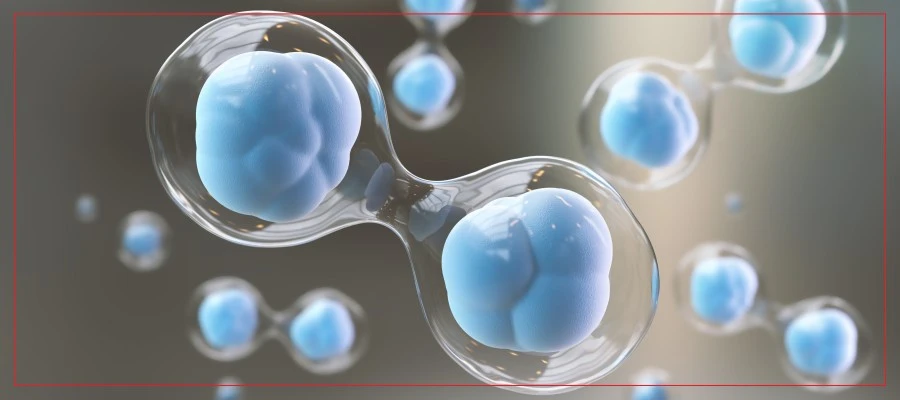
Putting resveratrol into liposomes is a big step forward in getting nutrients to cells. In this method, resveratrol molecules are put inside very small structures that look like bubbles. These structures are made of phospholipids, mostly phosphatidylcholine. When these amphiphilic molecules are in water, they make bilayer structures on their own, which look like cell structures and are made up of membrane-like gaps. Resveratrol molecules that don't like water can stick to the parts of these phospholipid bilayers that don't like water, while chemicals that dissolve in water can be stored in the parts that do like water.
The shape of this structure is very good for releasing cells. Resveratrol doesn't break down in the digestive system because of the liposomal transporters. They also make it easier for target cells to directly join their membranes together. When it comes to therapy, liposomal forms are the best because they can have solubility rates that are up to 18 times higher than regular the substance.
Cellular Uptake and Bioavailability Enhancement
Liposomal resveratrol makes it easier for cells to take in things in a number of ways. Because of how they are made, phospholipids allow for direct membrane fusion, endocytosis, and quiet passage across the walls of cells. This multi-modal delivery method makes sure that resveratrol gets to the right parts of cells, where it can turn on sirtuins. These are proteins that are necessary for cells to stay alive and keep their metabolism in check.
Studies in humans have shown that liposomal delivery methods can keep plasma concentrations fixed for a long time. This means that the healing effects last longer. Particles on the nanoscale, which have a size of 50 to 200 nanometers, are easier for cells and tissues to get to. However, the immune system has a harder time recognizing and getting rid of them.
Antioxidant Mechanisms at the Cellular Level
When liposomes are used to carry resveratrol, it makes it much more powerful as an antioxidant. The molecule gets rid of reactive oxygen species (ROS) and reactive nitrogen species directly. It also improves the function of the body's own antioxidant enzyme systems. Catalase, superoxide dismutase, and glutathione peroxidase are made more by cells when liposomal resveratrol is present. All of these things work together to protect against reactive stress.
Getting rid of free radicals isn't the only good thing for cells. Autophagy is the process by which cells get rid of protein clumps and replace old parts of themselves. Liposomal resveratrol helps this process. It is very important for cells to stay healthy and for problems that come with getting older to stop. The substance also keeps the walls of mitochondria steady and makes ATP production more efficient. This helps the cell use energy more efficiently.
Comparing Liposomal Resveratrol with Traditional Forms
Bioavailability and Absorption Differences
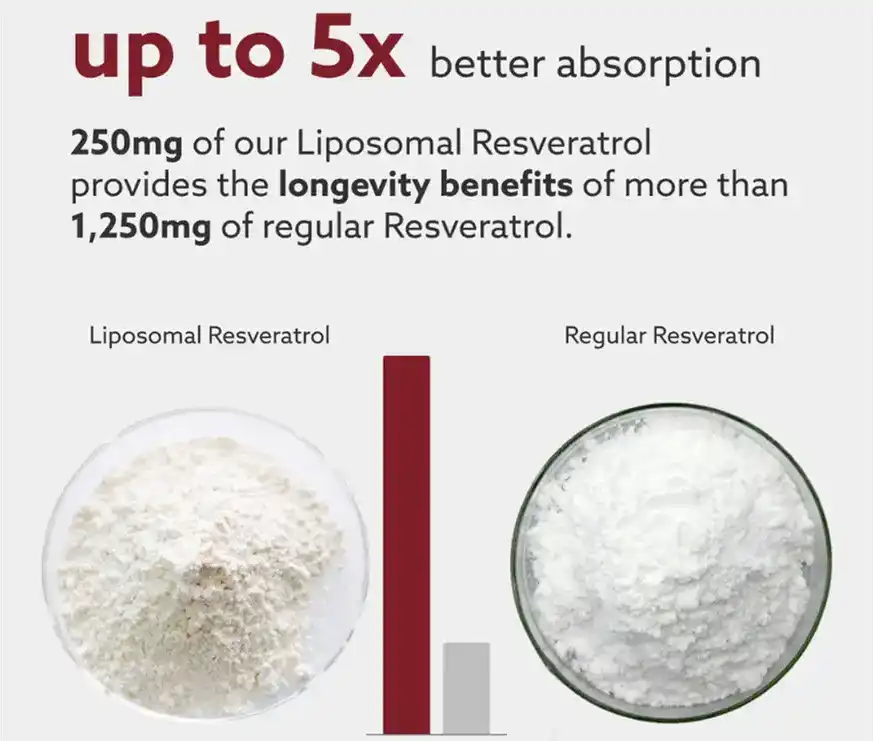
Sometimes resveratrol pills don't work because the body breaks them down too fast and they don't mix well with water. Most pills and tablets have bioavailability rates of less than 1%, which means that most of the active ingredients are broken down before they reach the areas they're supposed to reach. Even though trans-resveratrol powder is more concentrated than grape sources, it still doesn't work as well as liposomal resveratrol powder.
No need to worry about these issues with liposomal formulas because of how they are supplied. The phospholipid carriers protect the resveratrol as it passes through the gut. They also make it easier for the body to receive through the veins and the portal vein. Pharmacokinetic studies show that peak plasma concentrations happen two to four hours after administration. With standard forms, however, only very small amounts can be found.
Stability and Storage Considerations
For business-to-business buyers, stable storage is a very important trait. Traditional resveratrol is quickly broken down by oxygen, heat, and light, so it needs to be kept in special cases and treated with care. Because of these stability issues, a product may not last as long or work as well, especially in large holding areas that are common in production.
Liposomal encapsulation adds safe phospholipid walls that make things more stable. Because the packaging method keeps resveratrol safe from things that break it down, it works for a long time. Liposomal goods that are made correctly have stability profiles that last longer than 24 months if they are kept correctly. This makes it easier to manage the supply chain and plan stocks.
Dosage Efficiency and Cost-Effectiveness
Liposomal resveratrol is more bioavailable than other types, which means that smaller amounts can work better for treatment. You might need to take 500–1000 mg of regular supplements for them to work, but 50–100 mg of liposomal vitamins can do the same thing. Because of this dosage economy, companies can save money on materials and make goods that take up less room.
Also, liposomal systems are better because they are easy to make and can be used for more things. Liposomal resveratrol can be used in drinks, useful foods, and makeup as a liquid or a powder. This freedom makes it easier to make things and gives people who make them more ways to sell them.
Health Benefits and Usage Insights for Targeted Applications
Anti-Aging and Longevity Applications
Resveratrol in the form of liposomes shows a lot of promise for anti-aging goods as it can start processes that make people live longer. The chemical makes more SIRT1, a protein that is linked to how long cells live and how well their metabolism works. A clinical study found that taking vitamins every day can help slow down the aging process of cells by keeping telomeres long and lowering inflammation levels.
The market for anti-aging products wants ingredients that have been shown to work more and more. Resveratrol in the form of liposomes meets this need by making your skin, brain, and body use energy better. These benefits, along with others like vitamin C, collagen peptides, and omega-3 fatty acids, can be used by formulators who make goods for middle-aged and older people.
Cardiovascular and Metabolic Health Support
Heart health is another big market for liposomal resveratrol. The chemical helps endothelial cells work better, improves blood flow patterns, and keeps blood pressure in check by controlling the nitric oxide route. There are studies that show oxidative stress factors in heart cells have gone down and vessel flexibility has gone up.
Being more sensitive to insulin and having better control over glucose metabolism are some metabolic health perks. AMPK is an important enzyme that controls how cells use energy, and liposomal resveratrol turns it on. This method may help people who are at risk for metabolic syndrome and help them keep their weight in a healthy level.
Sports Nutrition and Recovery Enhancement
Liposomal resveratrol has applications in sports nutrients that are unique. High-intensity exercise causes a lot of reaction stress, which hurts muscles and takes longer to heal. Liposomal resveratrol helps fight free radicals that are made when you work out. It also helps mitochondria change and build muscle protein.
Recovery benefits go beyond what vitamins alone can do. Being able to get rid of inflammation with this chemical may help muscles feel less sore after working out and speed up the adaptation process. Because of these steps, liposomal resveratrol can help both beginner players and professional sports nutrition formulas.
Procuring Liposomal Resveratrol: What B2B Buyers Need to Know?
Quality Certifications and Manufacturing Standards
A lot of what makes business-to-business buying work is how well sources are screened and quality control rules are followed. Several permits, including GMP (Good Manufacturing Practices), ISO 22000, and HACCP compliance, should be held by reputable liposomal resveratrol producers. It is possible to watch a product all the way through the supply chain as long as these rules are followed. The quality of the product stays the same.
Tests by a third party are very important for liposomal goods to make sure they work because they are so involved. Buyers should ask for analysis records that show the particle size distribution, how well the capsules work, how much resveratrol is in them, and the results of bacterial tests. To meet the due dates for product development and regulatory reports, stability studies and shelf-life proof data come in handy.
Supply Chain Considerations and Bulk Ordering
To do a good job with the supply chain, you need to know how to get liposomal resveratrol in a way that works for that product. You may have to wait longer for them to arrive than with other extract sources because of how they are made. People who want to buy things should work with sellers who can regularly make a lot of items that are of good quality.
When planning how to buy in bulk, you should think about how much room you have and how stable the goods need to be. For liposome goods to stay whole while they are being shipped and kept, they may need special temperature settings and packing materials. Making clear rules about how to pack, label, and fill out paperwork keeps the supply chain going easily and keeps the product's quality high.
Private Label and OEM Opportunities
You can make a lot of money through private label and OEM partnerships because more and more people want high-end supplement recipes. A few of the services that seasoned liposomal resveratrol providers can provide include formula creation, legal advice, and unusual packing choices. Brands can get their products on the market faster and with better quality thanks to these deals. They also help keep research costs and time to market low.
Certain concentration levels, recipes with ingredients that work well together, and custom shipping forms for liposomal resveratrol powder are all things that can be changed. In order for OEM relationships to work, everyone needs to be on the same page about quality standards, legal requirements, and market placement goals.
Bolin Biotechnology: Your Trusted Liposomal Resveratrol Partner
Company Expertise and Manufacturing Capabilities
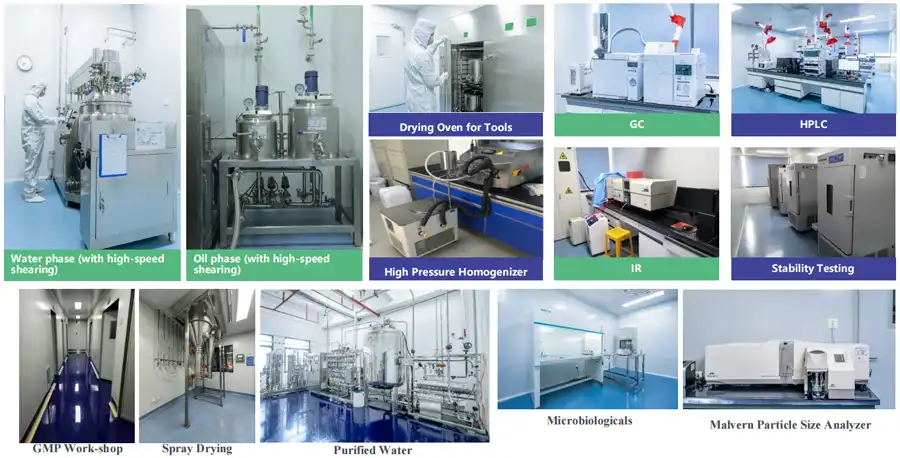
Since its start in 2012, Shaanxi Bolin Biotechnology Co., Ltd. has been studying, creating, and making plant products for more than ten years. By mixing old plant knowledge with new liposomal technology, our business makes high-quality resveratrol goods that are sold all over the world. Our factories are state-of-the-art and have the most up-to-date quality control and packaging technology.
We know everything there is to know about making a product, from getting the raw ingredients to checking and accepting the finished item. The company's research team works closely with partners in business and school to find new ways to use liposomal transport methods and make them better. Because we are open to new ideas, the products our customers buy are at the cutting edge of what we know about nutrition.
Product Portfolio and Customization Options
To meet the needs of various businesses, Bolin Biotechnology offers a variety of liposomal resveratrol choices. As part of our product line, we offer both basic recipes with stable profiles that are known and developed specifically for each use. There are different strengths, mix types, and ways to give our products, like spray-dried powders, ready-to-use solutions, and liquid concentrates.
In everything we do, quality is still the most important thing to us. There are tight tests that are done on all of the goods, such as HPLC analysis to find out how much resveratrol is in them, particle size analysis to see how pure the liposomes are, and full stable studies. We stay in line with international standards like GMP, ISO, and HACCP certifications to make sure that our products meet the highest quality standards for use as medicines, supplements, and cosmetics.
Technical Support and Customer Service Excellence
We care more about our customers' progress than just getting them goods. We also offer full help with technology. We offer detailed recipe advice, help with legal paperwork, and ongoing consultations throughout the whole process of making a product. Our technical team knows a lot about how to process ingredients and make them work better in some cases.
Good customer service is very important to the business, and expert account management makes sure that people can get in touch quickly and that orders are filled properly. Since we understand how important a steady supply chain is for manufacturing, we keep the right amount of inventory on hand to guarantee that goods are always available.
Conclusion
Liposomal resveratrol is a big step forward in the health of cells and the use of antioxidant supplements. It works better as a medicine and is more bioavailable than standard kinds. More and more scientific evidence shows that it works to slow down age, protect cells, and keep the heart healthy. This opens up a lot of options for people who make products in many fields. Liposomal technology can help companies that want to buy high-quality materials make their goods work better and stand out in the market. People can make smart decisions that lead to great product development projects when they know what people are looking for, how to measure quality, and what the product could be used for.
FAQs
What makes liposomal resveratrol more effective than regular resveratrol?
Putting resveratrol inside liposomes makes it much more bioavailable. This is because they use safe phospholipid transporters to help cells take it in and keep it from breaking down. That's because this technology can make absorption up to 18 times faster than with regular formulas. This means that lower amounts can still work well and have therapeutic benefits that last for a long time.
How should liposomal resveratrol be stored for optimal stability?
The best place to store things is cool, dry, and out of direct sunlight. Most of the time, it should be below 25°C. Regular resveratrol is less stable than liposomal resveratrol. If you store it properly, it will work for at least 24 months. You should check with your providers because different formulas may need different amounts of space to be stored.
What quality certifications should buyers look for in suppliers?
Suppliers with a good name should have GMP, ISO 22000, and HACCP licenses, as well as proof that they've been tested by a third party. When you look for analysis results, make sure they include a lot of details, such as the range of particle sizes, how well the capsules worked, and bacterial tests. To help make sure the product is stable and follows the rules, formal paperwork and stability studies are used.
Partner with Bolin Biotechnology for Premium Liposomal Resveratrol Solutions
If you want to get liposomal resveratrol, Bolin Biotechnology has the best quality, the best prices, and the best customer service in the business. We've been making liposomal resveratrol for over ten years, and we can help you with everything from normal recipes to one-of-a-kind projects. Our team can help you with technical problems, make sure you follow the rules, and find open supply chain options that work for you. Send us an email at sales1@bovlin.com right now to talk about your project, get samples of our products, or find out how we can work together on a private label.
References
Walle, T. (2011). Bioavailability of resveratrol. Annals of the New York Academy of Sciences, 1215(1), 9-15.
Summerlin, N., Soo, E., Thakur, S., Qu, Z., Jambhrunkar, S., & Popat, A. (2015). Resveratrol nanoformulations: challenges and opportunities. International Journal of Pharmaceutics, 479(2), 282-290.
Hurst, W. J., Glinski, J. A., Miller, K. B., Apgar, J., Davey, M. H., & Stuart, D. A. (2008). Survey of the trans-resveratrol and trans-piceid content of cocoa-containing and chocolate products. Journal of Agricultural and Food Chemistry, 56(18), 8374-8378.
Springer, M., & Moco, S. (2019). Resveratrol and its human metabolites-effects on metabolic health and obesity. Nutrients, 11(1), 143.
La Porte, C., Voduc, N., Zhang, G., Seguin, I., Tardiff, D., Singhal, N., & Cameron, D. W. (2010). Steady-state pharmacokinetics and tolerability of trans-resveratrol 2000 mg twice daily with food, quercetin and alcohol (ethanol) in healthy human subjects. Clinical Pharmacokinetics, 49(7), 449-454.
Cottart, C. H., Nivet-Antoine, V., Laguillier-Morizot, C., & Beaudeux, J. L. (2010). Resveratrol bioavailability and toxicity in humans. Molecular Nutrition & Food Research, 54(1), 7-16.