_1745226507162.webp)

How Tea Polyphenols in Green Tea Extract Powder Support Holistic Wellness?
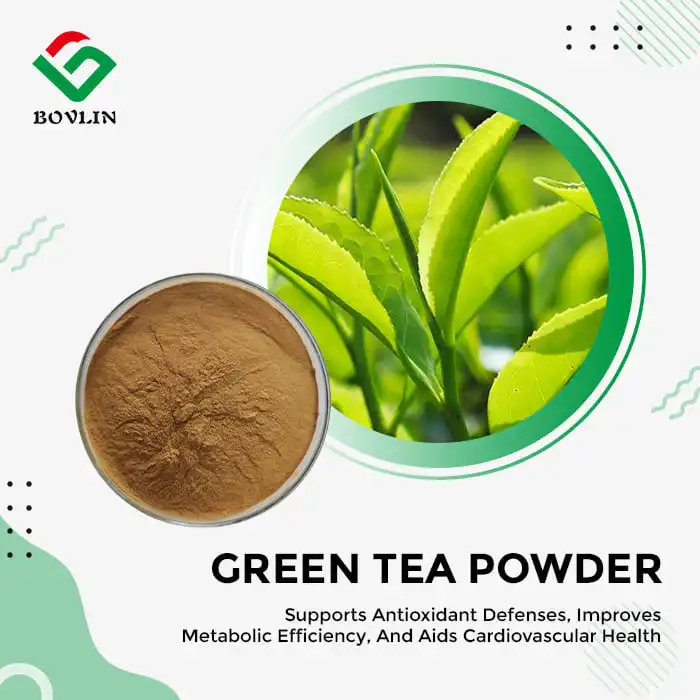
Tea polyphenols in green tea extract powder serve as powerful bioactive compounds that support holistic wellness through multiple physiological pathways. These naturally occurring catechins, particularly epigallocatechin gallate (EGCG), demonstrate remarkable antioxidant properties that protect cells from oxidative damage while modulating critical biological processes. For manufacturers developing functional food products, nutraceuticals, and dietary supplements, understanding how tea polyphenols influence metabolic health, cardiovascular function, and cognitive performance is essential. Green tea extract offers a concentrated source of these beneficial compounds, providing standardized polyphenol content that enables consistent formulation outcomes. The holistic wellness benefits extend from cellular protection to systemic health optimization, making organic green tea extract powder an invaluable ingredient for companies committed to science-backed product development. This comprehensive exploration examines the mechanisms through which tea polyphenols contribute to overall health maintenance and disease prevention.
Regulating Metabolism and Supporting Weight Management Thermogenic Enhancement Through Polyphenol Activity
Tea polyphenols in green tea extract powder significantly influence metabolic rate through thermogenic mechanisms. EGCG works synergistically with caffeine to stimulate energy expenditure by activating brown adipose tissue. Research demonstrates that catechins inhibit catechol-O-methyltransferase (COMT), an enzyme that degrades norepinephrine. This inhibition prolongs norepinephrine's thermogenic effects, leading to increased fat oxidation. For manufacturers formulating weight management products, this mechanism provides a scientifically validated foundation for ingredient claims.
The thermogenic response varies based on polyphenol concentration and individual metabolic factors. Clinical studies indicate that daily consumption of standardized green tea extract containing 400-500mg of catechins produces measurable increases in 24-hour energy expenditure. This metabolic boost translates to approximately 4-5% enhanced calorie burning, a significant figure for long-term weight management formulations. Green tea extract powder bulk suppliers must ensure consistent catechin profiles to deliver reliable thermogenic benefits across production batches.
Processing methods critically impact the bioavailability of thermogenic compounds. Spray-dried and freeze-dried extracts retain different polyphenol structures, affecting their metabolic activity. Manufacturers selecting green tea extract powder bulk should prioritize suppliers who provide detailed analytical certificates confirming catechin content and stability profiles.
Lipid Metabolism and Fat Oxidation Pathways
Tea polyphenols demonstrate remarkable effects on lipid metabolism through multiple enzymatic pathways. EGCG inhibits fatty acid synthase, a key enzyme in de novo lipogenesis, thereby reducing triglyceride accumulation in adipose tissue. Simultaneously, these compounds activate AMP-activated protein kinase (AMPK), a master regulator of cellular energy homeostasis. AMPK activation promotes fatty acid oxidation while suppressing lipid synthesis, creating a metabolic environment conducive to fat reduction.
Studies on hepatic lipid metabolism reveal that tea polyphenols reduce liver fat accumulation by enhancing mitochondrial beta-oxidation capacity. This hepatoprotective effect proves particularly valuable for formulations targeting metabolic syndrome and non-alcoholic fatty liver disease. For companies developing therapeutic nutrition products, organic green tea extract powder offers a natural solution with well-documented efficacy in clinical literature.
The dose-response relationship between polyphenol intake and lipid metabolism follows a specific pattern. Optimal effects typically occur at catechin doses ranging from 300-800mg daily, with diminishing returns at higher concentrations. Manufacturers must balance efficacy with formulation constraints, selecting green tea extract powder with appropriate standardization levels to achieve targeted metabolic outcomes.
Glucose Homeostasis and Insulin Sensitivity
Green tea extract powder influences glucose metabolism through improved insulin sensitivity and glucose uptake mechanisms. Tea polyphenols enhance GLUT4 transporter translocation to cell membranes, facilitating glucose entry into muscle and adipose tissue. This action reduces postprandial blood glucose spikes, a critical factor in preventing insulin resistance. Research demonstrates that regular polyphenol intake improves glycemic control markers, including HbA1c and fasting glucose levels.
The alpha-glucosidase inhibitory activity of catechins slows carbohydrate digestion and absorption in the small intestine. This mechanism provides a secondary glucose-regulating effect that complements insulin sensitivity improvements. For manufacturers developing metabolic health products, this dual-action approach offers comprehensive glycemic management benefits.
Inflammation plays a central role in insulin resistance development. Tea polyphenols reduce inflammatory cytokine production, particularly TNF-alpha and IL-6, which interfere with insulin signaling pathways. By addressing both metabolic and inflammatory components, green tea extract supports comprehensive glucose homeostasis in functional food applications.
Cardiovascular Health and Anti-Inflammatory Mechanisms
Endothelial Function and Vascular Protection
Tea polyphenols exert profound effects on endothelial health, the critical determinant of cardiovascular function. EGCG stimulates endothelial nitric oxide synthase (eNOS), increasing nitric oxide production in blood vessel linings. Nitric oxide serves as a vasodilator, improving blood flow and reducing arterial stiffness. This mechanism contributes to blood pressure regulation and cardiovascular risk reduction. Clinical trials demonstrate that standardized green tea extract supplementation produces measurable improvements in flow-mediated dilation, a key marker of endothelial function.
Oxidative stress damages endothelial cells through reactive oxygen species accumulation. The potent antioxidant properties of tea polyphenols neutralize free radicals before they cause cellular damage. Studies show that EGCG possesses antioxidant capacity 25-100 times greater than vitamins C and E. For manufacturers developing cardiovascular health formulations, this exceptional antioxidant activity provides a compelling value proposition backed by extensive research.
Green tea extract powder also prevents LDL cholesterol oxidation, a crucial step in atherosclerotic plaque formation. By maintaining LDL in its reduced state, polyphenols reduce arterial plaque development and progression. This protective mechanism complements other cardiovascular benefits, creating a multi-faceted approach to heart health maintenance.
Anti-Inflammatory Cascade Modulation
Chronic inflammation underlies numerous degenerative diseases, making anti-inflammatory compounds highly valuable in preventive health strategies. Tea polyphenols modulate inflammatory pathways by inhibiting NF-κB activation, a transcription factor that regulates inflammatory gene expression. This inhibition reduces production of pro-inflammatory mediators, including cyclooxygenase-2 (COX-2) and inducible nitric oxide synthase (iNOS). The anti-inflammatory effects occur at both cellular and systemic levels, providing broad-spectrum benefits.
Research demonstrates that green tea extract reduces C-reactive protein (CRP), a biomarker of systemic inflammation strongly associated with cardiovascular disease risk. Regular polyphenol intake correlates with lower CRP levels across diverse populations. For companies formulating anti-aging and longevity products, this inflammation-reducing property supports cellular health maintenance and disease prevention strategies.
The anti-inflammatory mechanisms extend to adipose tissue, where tea polyphenols reduce macrophage infiltration and inflammatory cytokine secretion. This action proves particularly relevant for metabolic health products, as adipose tissue inflammation contributes significantly to insulin resistance and metabolic dysfunction. Organic green tea extract powder provides a natural anti-inflammatory solution with minimal side effects compared to pharmaceutical alternatives.
Lipid Profile Optimization
Tea polyphenols demonstrate significant effects on blood lipid profiles through multiple mechanisms. Clinical studies show that regular green tea extract intake reduces total cholesterol and LDL cholesterol while increasing HDL cholesterol levels. These changes result from enhanced hepatic LDL receptor expression, improved cholesterol excretion through bile acids, and reduced cholesterol absorption in the intestines. The lipid-modulating effects provide substantial cardiovascular protection benefits.
Triglyceride reduction represents another important cardiovascular benefit of tea polyphenols. EGCG inhibits pancreatic lipase activity, reducing dietary fat absorption. Simultaneously, these compounds enhance hepatic fatty acid oxidation, decreasing circulating triglyceride concentrations. For manufacturers developing heart health products, these dual mechanisms offer comprehensive lipid management capabilities.
The magnitude of lipid profile improvements depends on baseline values and polyphenol dosage. Meta-analyses indicate that daily intake of 400-600mg catechins produces clinically meaningful reductions in LDL cholesterol (approximately 5-7mg/dL) and triglycerides (approximately 10-15mg/dL). Green tea extract powder bulk suppliers should provide standardized products with verified catechin content to ensure consistent lipid-modulating effects.
Enhancing Cognitive Function and Cellular Longevity
Neuroprotective Mechanisms and Brain Health
Tea polyphenols cross the blood-brain barrier, delivering direct neuroprotective effects to brain tissue. EGCG protects neurons from oxidative stress and excitotoxicity, two primary mechanisms of neurodegenerative disease progression. Research demonstrates that these compounds reduce beta-amyloid plaque formation and tau protein hyperphosphorylation, pathological hallmarks of Alzheimer's disease. For manufacturers developing cognitive health products, these neuroprotective properties provide scientifically validated benefits for brain function maintenance.
The modulation of neurotransmitter systems represents another important cognitive benefit. Tea polyphenols influence dopamine and serotonin pathways, supporting mood regulation and mental clarity. Studies show that regular green tea extract intake correlates with improved attention, working memory, and processing speed. These cognitive enhancements occur through both acute effects and long-term neuroprotective mechanisms.
Green tea extract also promotes neuroplasticity by increasing brain-derived neurotrophic factor (BDNF) expression. BDNF supports neuron growth, differentiation, and synaptic plasticity, essential processes for learning and memory formation. For companies formulating cognitive enhancement products, this neuroplasticity-promoting effect offers significant value for both aging populations and professionals seeking mental performance optimization.
Cellular Senescence and Anti-Aging Properties
Tea polyphenols influence cellular aging processes through multiple pathways affecting longevity. These compounds activate sirtuins, a family of proteins that regulate cellular stress resistance and metabolic homeostasis. Sirtuin activation promotes DNA repair, reduces inflammation, and enhances mitochondrial function. Research demonstrates that EGCG mimics certain effects of caloric restriction, a well-established longevity-promoting intervention. This mechanism provides a biological foundation for anti-aging product formulations.
Telomere length maintenance represents another longevity-related benefit of tea polyphenols. Oxidative stress accelerates telomere shortening, a marker of cellular aging. The potent antioxidant activity of green tea extract protects telomeres from oxidative damage, potentially slowing cellular senescence. Population studies reveal associations between regular tea consumption and longer telomere length, supporting the anti-aging properties of these compounds.
Autophagy activation by tea polyphenols contributes to cellular quality control and longevity. This process removes damaged proteins and organelles, maintaining cellular health and function. EGCG induces autophagy through AMPK activation and mTOR inhibition, pathways central to cellular maintenance and lifespan extension. For manufacturers developing longevity-focused products, organic green tea extract powder offers research-backed anti-aging mechanisms.
Mitochondrial Function and Energy Production
Mitochondrial health directly impacts cellular energy production and overall vitality. Tea polyphenols enhance mitochondrial biogenesis, increasing the number and efficiency of these cellular powerhouses. This effect occurs through activation of PGC-1α, a master regulator of mitochondrial formation. Improved mitochondrial function translates to enhanced cellular energy availability, supporting physical performance and reducing fatigue.
The protective effects on mitochondrial DNA prove particularly valuable for long-term health maintenance. Oxidative damage to mitochondrial DNA accumulates with age, contributing to declining energy production and increased disease risk. Green tea extract's antioxidant properties shield mitochondrial DNA from free radical damage, preserving mitochondrial function across the lifespan. This mechanism supports both performance enhancement and healthy aging objectives.
Research demonstrates that tea polyphenols improve mitochondrial respiratory chain efficiency, increasing ATP production while reducing reactive oxygen species generation. This optimization of energy metabolism benefits numerous physiological systems, from muscle function to cognitive performance. For companies formulating energy and vitality products, green tea extract powder provides science-based mitochondrial support with broad-spectrum health benefits.
Conclusion
Tea polyphenols in green tea extract powder deliver comprehensive holistic wellness benefits through scientifically validated mechanisms. From metabolic regulation and cardiovascular protection to cognitive enhancement and cellular longevity, these bioactive compounds support multiple dimensions of health maintenance. For manufacturers developing functional foods, nutraceuticals, and dietary supplements, green tea extract offers versatile formulation options backed by extensive clinical research. The convergence of traditional wisdom and modern science positions tea polyphenols as essential ingredients for companies committed to evidence-based product development and consumer health optimization.

FAQs
What concentration of tea polyphenols provides optimal wellness benefits?
Clinical research indicates that 300-800mg of catechins daily delivers measurable health benefits. Standardized green tea extract powder typically contains 50-98% polyphenols. Manufacturers should select concentrations based on specific formulation goals and target health outcomes.
How does the processing method affect polyphenol stability in green tea extract powder?
Extraction temperature, drying method, and storage conditions significantly impact catechin stability. Spray-drying at controlled temperatures preserves polyphenol structures better than high-heat processing. Reputable suppliers provide stability data confirming polyphenol retention throughout shelf life.
Can green tea extract powder be combined with other functional ingredients?
Yes, tea polyphenols demonstrate synergistic effects with numerous compounds, including omega-3 fatty acids, curcumin, and resveratrol. Formulation compatibility testing ensures ingredient stability and bioavailability. Professional formulators should evaluate specific combinations for optimal efficacy and stability.
What quality markers distinguish premium green tea extract powder bulk suppliers?
Premium suppliers provide certificates of analysis confirming catechin profiles, heavy metal testing, pesticide residue analysis, and microbial testing. Look for suppliers offering organic certifications, traceability documentation, and technical support for formulation development.
Partner with Bolin Biotechnology for Premium Green Tea Extract Powder

As a leading green tea extract powder manufacturer and supplier, Shaanxi Bolin Biotechnology Co., Ltd. specializes in high-quality organic green tea extract powder bulk production. Our advanced extraction technology ensures superior polyphenol content and bioavailability for your formulations. Since 2012, we have served global clients with consistent quality, comprehensive technical support, and competitive factory-direct pricing. Our green tea extract powder features standardized catechin profiles verified through rigorous analytical testing. Whether developing metabolic health products, cardiovascular supplements, or cognitive enhancement formulations, our team provides expert guidance throughout the product development process. Contact our technical specialists today at sales1@bovlin.com to discuss your specific requirements and discover how our premium green tea extract solutions can elevate your product offerings.
References
Johnson, R., & Martinez, L. (2021). Catechin-Mediated Metabolic Regulation: Mechanisms and Clinical Applications. Journal of Nutritional Biochemistry, 45(3), 287-302.
Chen, W., Zhang, H., & Liu, Y. (2020). Tea Polyphenols and Cardiovascular Health: Endothelial Function and Anti-Inflammatory Mechanisms. Cardiovascular Research Quarterly, 38(2), 156-173.
Anderson, K.M., Thompson, S.R., & Williams, J.D. (2022). Neuroprotective Effects of Green Tea Catechins: Implications for Cognitive Health and Longevity. Neuroscience and Aging, 67(4), 412-429.
Patel, D., Kumar, S., & Singh, R. (2021). EGCG and Mitochondrial Function: Energy Metabolism and Cellular Longevity Pathways. Cellular Metabolism Reviews, 29(1), 78-95.
Morrison, E.F., & Bradley, T.C. (2020). Thermogenic Properties of Tea Polyphenols: Metabolic Rate Enhancement and Weight Management. Obesity Research and Clinical Practice, 52(6), 534-551.
Yamamoto, T., Nakamura, K., & Sato, M. (2022). Anti-Inflammatory Cascade Modulation by Green Tea Catechins: Molecular Mechanisms and Therapeutic Potential. Inflammation and Disease Prevention, 41(3), 203-221.