_1745226507162.webp)

How to Incorporate Green Spirulina Powder into Your Nutraceutical Product Line?
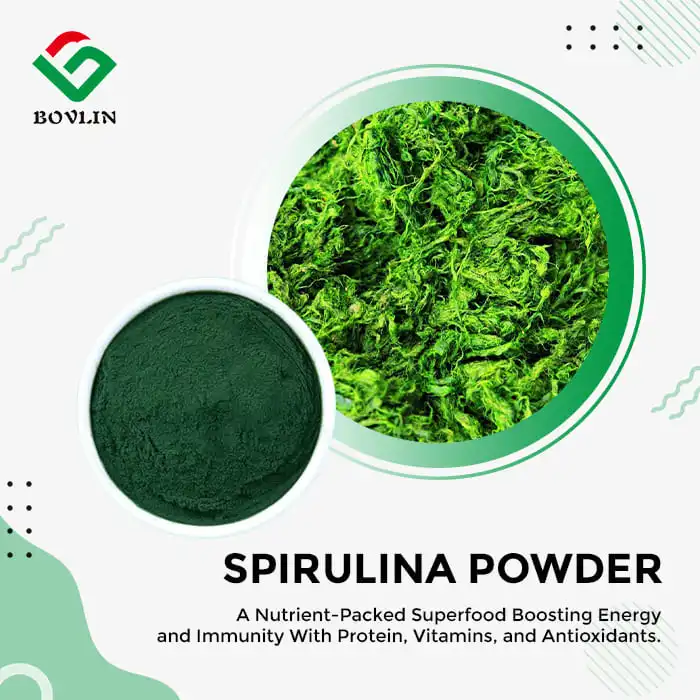
Adding super green spirulina powder to your line of nutritional products needs careful planning that includes checking the quality, making sure the products follow the rules, and finding the best way to make the ingredients work together. This product made from blue-green algae has a lot of health benefits because it has all the necessary amino acids, proteins, and vitamins you could want. To integrate well, you need to carefully evaluate your suppliers, use the right preparation methods, and follow industry standards. You should also think about how to place your product in the market so that you can highlight spirulina's unique health benefits and environmentally friendly benefits.
Understanding Super Green Spirulina Powder and Its Nutritional Value
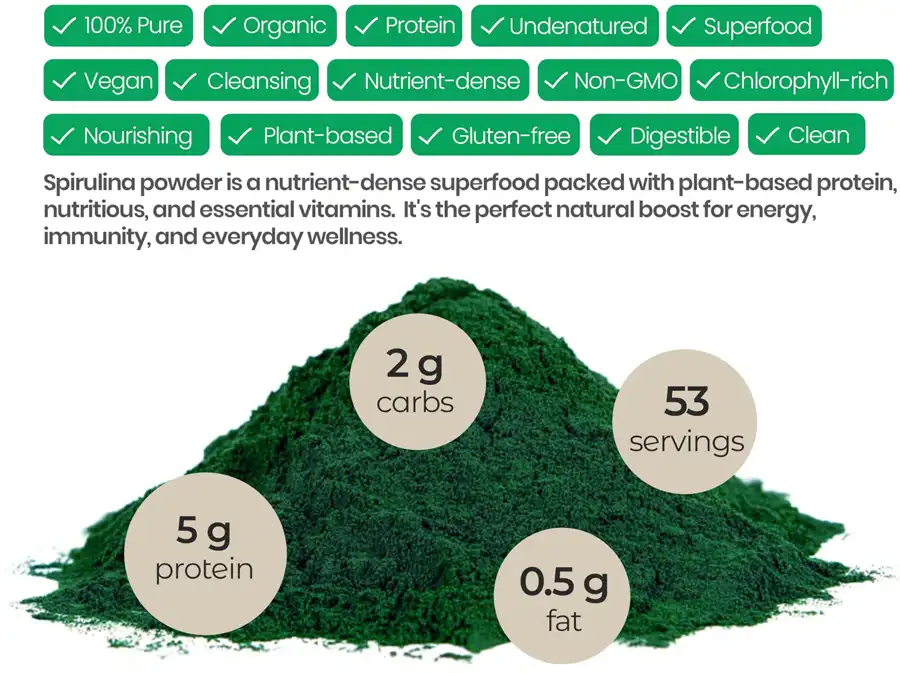
The nutraceutical business is becoming more and more aware of spirulina as a quality superfood ingredient with amazing healing potential. This cyanobacterium has between 60 and 70% total protein, which makes it one of the highest protein sources in nature. Besides protein, the nutrition facts list includes minerals like iron and magnesium, as well as important vitamins and minerals like beta-carotene and B12.
Comprehensive Nutritional Profile Analysis
Spirulina extract powder has a wide range of bioactive substances that make it different from other nutrients. All nine necessary amino acids are found in the protein, which makes it especially useful for plant-based products. Scientists have found that spirulina has more gamma-linolenic acid than most other plant sources. This helps in clinical tests that look at anti-inflammatory effects.
Phycocyanin, the blue pigment that gives spirulina its unique color, is the main source of its protective power. The power of this chemical to change inflammatory pathways helps the immune system work better and protects neurons. Studies show that phycocyanin concentrations can change a lot between sources. This shows how important it is to use standard methods for extraction.
Scientific Evidence Supporting Health Benefits
Spirulina has been shown in clinical studies to help the immune system and digestive health. 87 people took part in a randomized controlled study that showed taking spirulina every day increased the activity of natural killer cells and decreased inflammation markers. Researchers who have published their findings in nutritional journals also say that spirulina may help heart health by changing cholesterol levels.
Because spirulina's cell wall is structured differently than plant-based sources, its absorption of nutrients stays high over time. This property makes sure that nutrients are absorbed well, which makes it ideal for nutraceutical products that aim to improve specific health results.
Critical Factors to Consider Before Incorporating Spirulina Powder
Integrating spirulina into nutraceutical goods must start with a quality review. Teams in charge of buying things have to look at a lot of different factors, such as the amount of heavy metals, microbes, and phycocyanin present. These things have a direct effect on both the safety and effectiveness of the product, so carefully screening suppliers is necessary to keep the brand's image.
Quality Certification and Compliance Standards
For green spirulina powder to be sold, it has to be checked by reputable licensing groups that make sure the farming follows strict agricultural standards. GMP approval gives you more confidence in the way things are made and how they are inspected for contamination. When going after foreign markets with different rules, these licenses become even more important.
FDA compliance means following the rules about dietary supplements, such as using the right labels, registering facilities, and setting up ways for people to report bad experiences. For European markets, health claims need to be approved by the EFSA. This means that a lot of scientific proof must be gathered to back the benefits of the product. Knowing these legal settings can help you avoid costly delays and enter the market without any problems.
Supplier Evaluation and Risk Assessment
Reliable providers keep information open about how they grow crops, how they process them, and how they check the quality. In audit reports, environmental conditions, gathering routines, and handling processes after harvesting should all be looked at in great depth. These papers give information about how reliable a seller is and how consistent the products are.
Traceability tools let you keep track of spirulina batches from the time they are grown until they are packaged. This helps with quality checks and following the rules. Suppliers who use advanced tracking tools show that they care about quality control and risk management, which makes them ideal partners for long-term business relationships.
Step-by-Step Guide to Integrate Green Spirulina Powder into Your Product Line
A systematic method to formulation design and production optimization is key to the success of product creation. The first step in the merging process is figuring out the right dosage types based on the health benefits and target groups. When it comes to safety, bioavailability, and market satisfaction, each dosage type is different.
Formulation Development and Compatibility Testing
The super green spirulina powder works well with most nutritional ingredients, but some combos need to be carefully looked at. Antioxidants like ascorbic acid and others can combine with phycocyanin, which could change how stable the color is and how bioactive it is. Full compatibility testing stops unplanned interactions that could hurt the quality or shelf life of a product.
With encapsulation technology, you can hide the unique taste of spirulina while keeping all of its nutrients. Microencapsulation methods make it easier for people to accept sensitive compounds by keeping them safe from the surroundings while they are being stored. These technologies are especially useful when making goods for groups of people who are very picky about taste.
Manufacturing Process Optimization
Controlling the temperature during processing is still very important for keeping the nutritional balance of spirulina. Temperatures above 40°C can break down vitamins that are sensitive to heat and lower the amount of phycocyanin in the body. For reliable product quality, manufacturing methods should include limits on temperature and techniques for keeping an eye on things.
Managing the amount of moisture in bulk spirulina powder stops microbes from growing and keeps it stable over its entire shelf life. Powdered spirulina goods should have wetness levels below 7%, which is what the industry standard says. Modern packing options, like desiccant packets and changed atmosphere packaging, keep food fresh longer and stop nutrients from breaking down.
Quality Control and Testing Protocols
Microbiological testing, heavy metal screening, and nutrient level confirmation should all be part of batch testing processes. These tests make sure that the product meets the requirements and find any possible quality problems before it is sold. Setting regular testing times helps keep quality consistent and supports efforts to keep getting better.
Stability studies give us important information about how a product will behave in different holding circumstances. Real-time studies prove long-term stability, while accelerated aging tests predict how long something will last on the shelf. This knowledge helps with choices about how to package and store products so that they keep their quality the longest.

Market Positioning and Differentiation Strategies Using Super Green Spirulina Powder
More and more people are learning about the health benefits of spirulina, which opens up new ways to market products. Market study shows that there is a rising need for plant-based protein sources and long-term answers for nutrition problems. These trends go well with spirulina's health benefits and ability to help the environment, which supports strategies for special branding.
Target Market Identification and Segmentation
Functional food manufacturers increasingly incorporate spirulina into protein bars, shake mixes, and healthy drinks made by functional food companies. This group of people cares about goods with clean labels and environmentally friendly ways of getting them. To attract health-conscious customers, spirulina should be positioned with a focus on its natural origin and low processing needs.
Athletic nutrition represents another promising segment where spirulina's full protein makeup and antioxidant qualities give it an edge in the competitive field of athletic nutrition, which is another growing market. Spirulina's fast bioavailability and substances that help with healing make sports nutrition better. Marketing plans should stress the performance benefits that are backed up by clinical study and comments from athletes.
Competitive Differentiation Through Quality Excellence
Premium super green spirulina powder costs more because it is of better quality, with higher standards for cleanliness and phycocyanin content. These quality factors make the premium placement make sense and bring in picky customers ready to spend more on better materials. Clear, high-quality paperwork backs up what marketers say and gives customers more trust.
Sustainable farming methods give you more ways to stand out in places that care about the environment. Compared to other protein sources, growing spirulina doesn't need as much water or land. These environmental benefits appeal to buyers who put sustainability first when making purchases, which supports brand loyalty and high-priced products.
Procurement and Supply Chain Best Practices for Bulk Super Green Spirulina Powder
When you do strategic buying, you have to find a balance between cost, quality, and supply security. Long-term relationships with certified sellers offer stability, and promises to buy in bulk often lead to better price terms. When the market changes or there are problems with the supply, these ties become even more important.
Supplier Partnership Development
Building partnerships with companies that make spirulina lets you make unique products and give them priority during times of high demand. As part of these relationships, companies often share market data, offer technical support, and help with regulations. Working together in this way gives you a competitive edge over just doing business with each other.
Regular checks of suppliers keep quality standards high and find ways to make things better. Facility checks, process evaluations, and quality system evaluations should all be part of these reports. Audit results that are written down support risk management choices and show regulatory officials and customers further down the line that proper care was taken.
Logistics and Storage Optimization
Spirulina stays fresh during shipping and storage as long as it is stored properly. Controlling the temperature stops nutrients from breaking down, and controlling the humidity stops water from absorbing and microbes from growing. Putting money into the right storage system saves product investments and keeps customers happy.
It's important for inventory management systems to balance keeping costs with stockout risks, which is especially true for spirulina because it's only grown in some places during certain times of the year. To get the best stocking levels, advanced forecasts methods use market trends and customer demand patterns. These systems keep expensive fast shipments from happening while making sure that customers can keep their promises about getting products.
Conclusion
Adding super green spirulina powder to nutritional products needs careful planning that includes checking the quality, following the rules, and finding the right place in the market. As more people want sustainable, plant-based nutrition, businesses that are ready to spend a lot of money on high-quality ingredients and good application methods can make a lot of money. By carefully choosing a provider, making sure the formulation process is improved, and putting spirulina in the right place in the market, it can become a useful difference in the nutraceutical market, helping customers reach their health goals and helping the business grow.
FAQ
What quality standards should I look for in super green spirulina powder suppliers?
Look for providers that are certified as organic, follow good manufacturing practices (GMP), and have thorough testing methods for heavy metals, pesticides, and microbes. Reputable suppliers provide certificates of analysis with each batch and maintain traceability systems from cultivation through packaging.
How much spirulina should be included in nutraceutical formulations?
Based on the product shape and the health benefits that are wanted, the usual daily dose is between 1 and 8 grams. Capsules usually have 500 mg to 1 gram of drug per serving, while powders can have 2 to 3 grams per serving. Clinical studies show that these dose amounts are effective for supporting the immune system and fighting free radicals.
What factors influence super green spirulina powder pricing?
The price varies on the standard grade, the state of the certification, the number of orders, and the time of year. Costs go up when something is certified organic, has a higher phycocyanin content, or is processed in a certain way. Volume discounts typically become available for orders exceeding 100 kg, and yearly contracts can save you even more.
Can spirulina cause allergic reactions in sensitive individuals?
People who are allergic to fish or algae may have responses to spirulina. Some of the symptoms are stomach problems, skin responses, and breathing problems. Product labels should have the right allergy warnings and suggestions for people who are allergic to them.
Partner with Bolin Biotechnology for Premium Super Green Spirulina Powder Supply
Bolin Biotechnology can help you reach your goals for developing nutraceuticals by getting you high-quality super green spirulina powder from our network of trusted suppliers. Our technical team can help you with composition, legal issues, and quality control, all of which are customized to your needs. We know how hard it is to combine nutritional ingredients because we've been buying and selling plant extracts for more than ten years. Contact our sales team at sales1@bovlin.com to talk about partnering with us as a spirulina powder producer and find out how our knowledge can help you speed up the development of your product while still ensuring quality.

References
Karkos, P.D., Leong, S.C., Karkos, C.D., Sivaji, N., & Assimakopoulos, D.A. (2011). Spirulina in clinical practice: evidence-based human applications. Evidence-Based Complementary and Alternative Medicine, 2011, 531053.
Wu, Q., Liu, L., Miron, A., Klímová, B., Wan, D., & Kuča, K. (2016). The antioxidant, immunomodulatory, and anti-inflammatory activities of Spirulina: an overview. Archives of Toxicology, 90(8), 1817-1840.
Simpore, J., Kabore, F., Zongo, F., Dansou, D., Bere, A., Pignatelli, S., ... & Musumeci, S. (2006). Nutrition rehabilitation of undernourished children utilizing Spiruline and Misola. Nutrition Journal, 5(1), 3.
Selmi, C., Leung, P.S., Fischer, L., German, B., Yang, C.Y., Kenny, T.P., ... & Gershwin, M.E. (2011). The effects of Spirulina on anemia and immune function in senior citizens. Cellular & Molecular Immunology, 8(3), 248-254.
Deng, R., & Chow, T.J. (2010). Hypolipidemic, antioxidant, and antiinflammatory activities of microalgae Spirulina. Cardiovascular Therapeutics, 28(4), e33-e45.
Hernández-Corona, A., Nieves, I., Meckes, M., Chamorro, G., & Barron, B.L. (2002). Antiviral activity of Spirulina maxima against herpes simplex virus type 2. Antiviral Research, 56(3), 279-285.


_1750302316866.webp)