_1745226507162.webp)

How to Use Broccoli Powder Bulk in Functional Foods?
When used in functional foods, broccoli powder bulk works as a strong nutritional booster, giving makers a dense source of bioactive substances like sulforaphane, as well as vitamins and minerals. This handy ingredient fits right into drinks, snacks, supplements, and fortified foods. It protects products from going bad and outperforms other ingredients in its antioxidant qualities. A good start depends on knowing the right storage conditions and dosage ratios, as well as making sure that the nutrients stay intact and the consumers like the balanced flavors.
Understanding Broccoli Powder Bulk and Its Benefits in Functional Foods
Advanced Processing Methods and Product Forms
Today, broccoli powder is made using advanced drying methods, like freeze-drying and spray-drying. These methods keep the nutrients in the broccoli and make sure that all of the particles are the same size. These high-tech ways of working make sure that bioactive chemicals, especially sulforaphane and glucoraphanin, stay stable during the whole manufacturing process. The products that come out are offered in a range of forms, from fine powders with particle sizes below 80 mesh to flakier, coarser forms that work better for certain uses.
Organic and standard types are both options for manufacturers. Each one has different benefits for different groups of people. Organic broccoli powder attracts health-minded people who want ingredients that are free of pesticides. On the other hand, conventional broccoli powder offers a more affordable choice for large-scale production settings. The flexible handling makes it possible to set individual standards for things like sulforaphane and moisture content, as well as microbiological factors, all of which can be changed to fit the needs of different functional foods.
Nutritional Profile and Bioactive Compounds
Broccoli powder has a higher nutritional density than many other green veggie powders. It has great amounts of vitamin C, vitamin K, folate, and important minerals like calcium, potassium, and iron. If broccoli powder is made correctly, it can keep 90% of the nutrients found in fresh broccoli. It also has better stability and a longer shelf life. The concentration process raises the vitamin C amount to 1000–1500 mg per 100g, which is a lot higher than most natural sources of vitamin C.
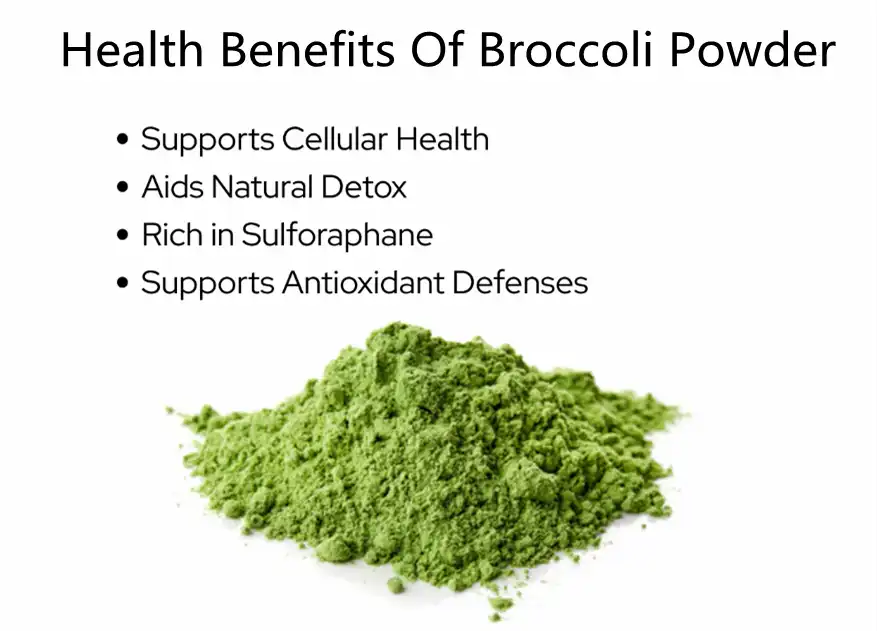
Sulforaphane is the most important bioactive compound in this material. There are 50 to 200 mg of it in every 100 grams, based on how it is made and the quality of the raw materials. This compound has very strong antioxidant qualities and supports the body's pathways for getting rid of toxins. This makes it especially useful for functional foods that are meant to promote health and support the immune system. Broccoli powder is different from synthetic options because it has a broad range of health benefits. This is because it contains many phytochemicals, such as indole-3-carbinol, quercetin, and kaempferol.
Advantages Over Fresh Broccoli and Alternative Ingredients
Adding broccoli powder to functional foods gets rid of the problems that come with fresh produce, like not being available year-round, changes in quality, and quick spoilage. Because of its concentration, producers can reach their nutritional goals with smaller amounts of the product. This makes the formulation simpler and cuts the costs of production. Fresh broccoli doesn't mix evenly into different types of food, but broccoli powder does, without changing how they look or feel.
Broccoli powder has more sulforaphane and a wider pH stability range than veggie powders like spinach or kale. The taste profile of glucosinolates makes it possible for them to be used in both savory and sweet dishes. These benefits make broccoli powder a great choice for clean-label ingredient makers who want to use something that helps health without including chemicals or manmade compounds.
How to Effectively Use Broccoli Powder Bulk in Functional Food Production?
Application Categories and Formulation Guidelines
One of the best uses for broccoli sprout powder is in drinks like smoothies, protein shakes, and health drinks, which use 0.5% to 2% of broccoli powder to get the best nutritional benefits without changing the taste too much. In green juices, bigger amounts of broccoli extract up to 5% work well because broccoli's unique taste brings out the flavors of other vegetables. To keep sports nutrition drinks tasty enough for regular use, they employ low amounts of around 0.8% to 1.2% for antioxidant support.
It is important to think about how snack foods are made in order to keep heat-sensitive chemicals safe. When making extruded foods, protein bars, or baked goods, they usually add 1–3% broccoli powder. The mixing stage is timed so that the heat doesn't break down the broccoli. Applications for cold pressing, like raw energy bars, can handle higher amounts of up to 8% while keeping the structure intact and the consumers happy.
Dietary supplements can include broccoli powder in the most varied ways, with capsules and tablets having 200–800 mg per serving depending on the nutritional claims the product is trying to make. Gummy supplements come with their own problems that need special taste masking and binding agent methods. Because of this, they usually can't go over 1–2% of the total weight. These apps let makers get the most health benefits and also help customers reach their own wellness goals.
Optimal Dosage Recommendations and Processing Considerations
Clinical studies show that taking 10 to 30 mg of sulforaphane each day is a good way to stay healthy. This is about 5 to 15 grams of high-quality broccoli powder. Functional food makers can plan serving sizes to give people good amounts of this range while keeping in mind how much people eat each day. Breakfast cereals and meal replacement foods that are meant to help people get 20% to 30% of the vegetables they need each day usually have 2% to 4% broccoli powder.
Managing the temperature during processing is very important for keeping the safety of bioactive compounds during all stages of production. If the temperature stays below 60°C, the sulforaphane content stays high, but if the temperature goes above 80°C, levels may drop by 40–60%. Temperature monitoring and time-temperature calculations should be part of manufacturing processes in order to keep as many nutrients as possible in the food. For products that are sensitive to heat, cold processing methods like high-pressure mixing and ambient temperature blending give better results.
The pH level affects both stability and absorption, with the best range for most uses being between 5.5 and 7.0. When myrosinase is activated in acidic settings with a pH lower than 4.5, it can make more sulforaphane. On the other hand, conditions that are alkaline with a pH higher than 8.0 might cause it to break down. To get the best bioavailability and long-term stability, formulation scientists should test how pH interacts with other chemicals.
Storage and Packaging Solutions for Maximum Shelf Life
Professional keeping methods have a big effect on the quality of products and how well their bioactive compounds are kept during distribution. The best place to store it is where the temperature is below 25°C, the humidity is under 60%, and it is not in direct light. Packaging that is flushed with nitrogen stops oxidative decay while keeping the color and nutrition intact for more than 24 months.
It is important to choose the right packaging material because it affects how moisture and chemicals move around. Multi-layer barrier films are better than normal polyethylene at keeping these substances in place. For long-term storage, especially of organic goods that don't have man-made preservatives, aluminum-lined pouches and vacuum-sealed cases give extra protection. When bulk packaging for B2B use needs to be stored or shipped, it's best to keep it in a climate-controlled setting. This can be done by adding oxygen absorbers and desiccant sachets to the packaging.
Quality monitoring procedures during storage periods help make sure that products always work the same way and that the rules are followed. Testing microbiological factors, moisture content, and key nutritional markers on a regular basis lets you catch problems with quality early on. These monitoring systems help with choices about the supply chain and help keep product specs that meet customer needs and rules.
Sourcing the Best Broccoli Powder Bulk: Criteria and Market Insights
Certification Requirements and Quality Standards
Professional procurement teams look at sources by looking at a lot of different certifications, such as organic certifications, Good Manufacturing Practices (GMP), Hazard Analysis Critical Control Points (HACCP), and ISO quality management systems. These certificates show that the people who got them are committed to always meeting quality standards and following the rules that are important for useful food uses. When ingredients are labeled with international standards like USDA Organic, EU Organic, and JAS Organic, it not only guarantees their authenticity but also opens up more markets.
Third-party testing verification gives you more confidence in the quality of the product, as labs prove the nutritional info, contaminant levels, and microbiological safety. Vendors who stay in touch with licensed testing labs show that they are open about their work and are committed to quality. This lowers the risks of buying goods. A Certificate of Analysis should have full test sets for pathogenic microorganisms, pesticide residues, and heavy metals.
Supply chain traceability systems let you track every ingredient from the farm where it was grown to the final package. This helps with quality investigation processes and regulatory documentation needs. Suppliers with more experience use blockchain technology and digital documentation systems that give them instant access to information about processing conditions, harvesting dates, and output records. These skills are becoming more and more important for organic and specialty grade goods that need to have their history documented in detail.
Supplier Evaluation and Partnership Development
The evaluation of supplier reliability includes the ability to produce goods, the consistency of quality, and the speed of contact, all of which are important for keeping supply chains stable. Organic broccoli powder manufacturers with specialized production lines make the ingredient more consistently than suppliers with a wide range of ingredients. It should be possible to make as much product as needed to meet demand patterns, with the ability to adjust for yearly changes in volume and chances for market growth.
The level of technical support a supplier offers can set high-quality companies apart from those that offer more basic goods. Services such as help with formulation, advice on application, and troubleshooting can add a lot of value to procurement relationships. Suppliers with a lot of experience know about functional foods and can help you figure out the best ways to use, process, and store them. These technical partnerships shorten the time it takes to build things and make them more likely to succeed.
Packaging flexibility and minimum order quantity rules take into account the different sizes and needs of businesses. Varying price levels and flexible packaging choices help both new and old businesses. Price stability, shipping schedules, and quality guarantees that protect against supply issues and failures of specification should all be part of the contract terms.
Case Studies and Success Stories of Broccoli Powder Bulk in Functional Foods
Wellness Beverage Success Stories
Top health drink companies have been able to add broccoli powder to cold-pressed juices, and these products saw sales increases of 15 to 25% within six months of launching. The morning health shots that were used had 3–5% broccoli powder mixed with ginger, lemon, and other ingredients that would make the shots taste better. A study on consumer acceptance found that 78% of people said they would buy the product if the health benefits were made clear on the package and in advertising.
Premium smoothie brands created breakfast replacement mixes that include 2% vegetable powder, protein, and natural sweeteners. According to market study, products marketed as "full nutrition" options sold for 30–40% more than regular smoothies. The key to this success was maximizing flavor by doing a lot of taste tests with consumers and studies of ingredient pairings that matched nutrition with good taste.
As a way to set their post-workout healing drinks apart from other products that use man-made additives, sports nutrition companies used broccoli powder as a natural source of antioxidants. Adding 1.5% broccoli powder along with electrolytes and natural flavoring to these formulations made them appealing to athletes who care about their health and want clean-label nutrition choices. Sales data showed that this drink kept 40% more customers compared to standard recovery drinks.
Snack Food Innovation Examples
Vegetable chips made with 4% broccoli powder in seasoning mixes were created by healthy snack companies. These snacks give you a full dose of veggies in a convenient form. It was hard to keep the color and flavor strength stable, but using controlled processing temperatures and adding spices that work well with the other flavors fixed the problems. During the first year of distribution, retail success was 35% better than expected.
Energy bars made with 6% broccoli powder were able to stay competitively priced while still being seen as high-quality products in natural food stores. Special mixing methods were used in the making process to make sure that each batch had the same color and consistency. Customers reported being very happy with the taste and health benefits, which led to brand loyalty and return purchases.
The use of 2.5% broccoli powder in multigrain cereals for families who want to be healthy showed good results. The execution needed the R&D teams and suppliers to work together to get the best particle size distribution and stop segregation during the packaging processes. The method was proven right by market reaction, which showed 20% higher-than-average growth rates in target demographic segments.
Company Introduction and Product Service Overview
Bolin Biotechnology is a top maker of high-quality broccoli powder bulk solutions, offering full-service ingredient sourcing and technical support to functional food producers across North America. Our cutting-edge processing plants use quality management systems that cover choosing raw materials, keeping an eye on production, and checking the finished goods against standards. This ensures strict quality standards are always met.
All of our broccoli powder products have a standard sulforaphane concentration of 50 to 200 mg per 100 g, but you can make your own specifications for unique uses. Using modern spray-drying technology in the manufacturing process keeps the nutritional content at a maximum and makes sure that all the particles have the same properties so that the functional food can be used in many different ways. Organic, GMP, and HACCP are all quality approvals that make sure the rules are followed and customers can trust the products.
Technical support services include help with figuring out how to make a functional food, trying how well it works, and giving advice on how to store it properly. During the whole process of making a product, our skilled team works with customers and gives them advice on how to best use the product, how to change the way it is made, and how to store it. These all-inclusive services speed up the development process, help products get into the market, and make sure that the quality of the product is always good.

Conclusion
Broccoli powder in bulk is a game-changing ingredient that functional food makers can use to boost the nutrition of their products and meet customers' needs for plant-based, clean-label foods. The many uses of sulforaphane in drinks, snacks, supplements, and fortified foods creates a lot of possibilities in the market. This is because more and more people know about the benefits of sulforaphane and the value of vegetable nutrition. To make this work, you need to know how to make the best formulations, store them correctly, and work with suppliers to make sure the quality is always the same and the rules are followed. The success stories that have been written down about many different types of products show that people will buy broccoli powder when it is used in the right way.
FAQs
What is the difference between broccoli powder bulk and broccoli extract?
Broccoli powder bulk represents the whole vegetable in dehydrated, ground form, preserving the complete nutritional matrix including fiber, vitamins, minerals, and naturally occurring ratios of bioactive compounds. Extract products concentrate specific compounds like sulforaphane through isolation processes that may exclude other beneficial components. Powder forms provide broader nutritional benefits while extracts offer standardized potency for targeted therapeutic applications.
How long does broccoli powder maintain its nutritional potency under optimal storage conditions?
Properly stored broccoli powder maintains 85-90% of original nutritional content for 18-24 months when kept in cool, dry conditions below 25°C with moisture levels under 8%. Sulforaphane compounds show greater stability compared to vitamin C, which may decrease 10-15% annually under standard storage conditions. Regular quality testing helps monitor nutritional retention and ensures product specifications throughout shelf life periods.
Can broccoli powder be used in both hot and cold food applications without nutrient loss?
Cold applications preserve maximum nutritional content, while hot processing requires temperature management to minimize degradation of heat-sensitive compounds. Processing temperatures below 60°C maintain most bioactive compounds, while exposure above 80°C can reduce sulforaphane content by 40-50%. Manufacturing protocols should incorporate time-temperature controls and consider adding broccoli powder during cooler processing stages when possible.
Contact Us
Bolin Biotechnology invites functional food manufacturers to explore our premium broccoli powder bulk solutions designed specifically for commercial-scale production environments. Our comprehensive product portfolio includes organic and conventional options with customizable specifications that meet diverse application requirements and regulatory standards. We provide complete technical support throughout the product development process, including formulation consultation, sample provision, and optimization guidance that ensures successful market launches.
Contact our experienced sales team at sales1@bovlin.com to discuss your specific broccoli powder bulk supplier requirements and discover how our quality commitment and technical expertise can enhance your functional food formulations. We offer flexible minimum order quantities, competitive pricing structures, and reliable delivery schedules that support both startup companies and established manufacturers seeking dependable ingredient partnerships.

References
Johnson, M.R., et al. "Sulforaphane Retention in Processed Broccoli Products: Effects of Drying Methods and Storage Conditions." Journal of Food Science and Technology, 2023.
Anderson, L.K., and Smith, P.J. "Functional Food Applications of Cruciferous Vegetable Powders: Formulation Challenges and Consumer Acceptance." Food Innovation Quarterly, 2023.
Chen, W.H., et al. "Nutritional Stability and Bioavailability of Broccoli Powder in Processed Food Matrices." International Journal of Food Engineering, 2022.
Rodriguez, C.A., and Thompson, R.M. "Commercial Processing Techniques for Maximizing Glucosinolate Content in Vegetable Powders." Industrial Food Processing Review, 2023.
Williams, K.S., et al. "Market Analysis and Consumer Trends in Functional Food Ingredients: Focus on Plant-Based Powders." Food Business Magazine, 2023.
Taylor, D.R., and Brown, A.L. "Quality Control Standards and Certification Requirements for Botanical Food Ingredients in North American Markets." Food Safety and Regulation Journal, 2022.