_1745226507162.webp)

L Glutathione Powder in Dietary Supplements: Applications and Formulation Guide
L-Glutathione powder is one of the most important ingredients in current food supplements. Its unique tripeptide structure of glutamic acid, cysteine, and glycine makes it the body's "master antioxidant." It fights reactive stress at the cellular level as a reduced-form molecule (GSH) and supports detoxification processes, immune function, and skin health. Working with companies that make nutraceuticals has taught me that choosing pharmaceutical-grade glutathione powder—which is usually made through advanced microbial fermentation—has a direct effect on how stable the formulation is, how bioavailable it is, and eventually how well it works for the customer. This guide talks about important technical issues, buying strategies, and application methods that will help supplement formulators and sourcing teams add this powerful antioxidant to their competitive product lines.
Understanding L-Glutathione Powder: Properties and Benefits
Chemical Characteristics and Functional Properties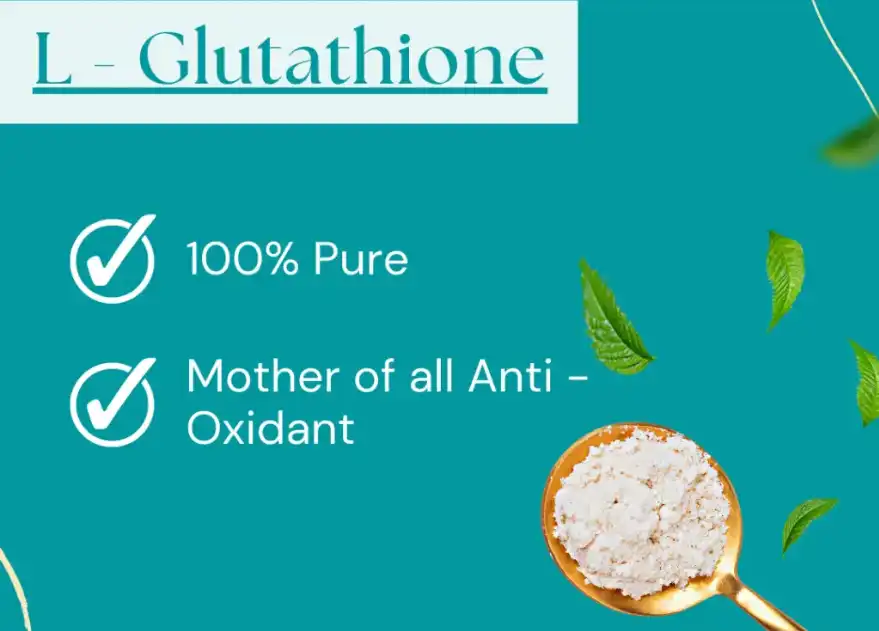

The chemical structure of reduced glutathione (C₁₀H₁₇N₃O₆S, MW 307.32 g/mol) has a thiol (-SH) group that is biologically active and acts as the main electron donor in oxidative processes. Premium-grade material looks like a white crystalline powder with distinct sulfuric notes, which are a natural sign of the active sulfhydryl group. The powder dissolves freely in water but not in alcohol-based liquids, which creates unique formulation possibilities and challenges. Because it has an acidic pH (3.0-4.0 in water), it needs to be carefully buffered in multi-ingredient systems to keep it from breaking down too quickly.
According to high-quality industry standards, the assay range must be between 98.0 and 101.0% on an anhydrous base. This can be proven by HPLC analysis. Because L-Glutathione Powder absorbs water, it needs to be stored below 25°C and with little to no light contact so that it doesn't turn into the inactive GSSG form. Iron, copper, and other transition metals speed up corrosion, which is why chelating agents are needed in formulation settings.
Core Health Benefits Driving Market Demand
Glutathione's job as an antioxidant is very important for cells because it stops reactive oxygen species from damaging proteins, lipids, and DNA. Several health claims that are good for business are based on this defensive process. The compound's ability to stop tyrosinase makes it very popular in skin-brightening formulas. Over 8 to 12 weeks of dosing, clinical tests show a measurable decrease in melanin levels.
L-Glutathione powder serves multiple vital roles in the body. Another important use is liver cleansing, where Glutathione binds to heavy metals and toxins to make them easier to get rid of through the bile and urine. Support for the immune system comes from keeping lymphocytes and natural killer cells working, especially when there is oxidative stress. Protecting mitochondrial function and lowering the damage that cells get over time as a result of ageing are the main goals of anti-aging uses.
Bioavailability Considerations for Formulators
Taking glutathione by mouth is hard because gastric peptidase activity breaks down the tripeptide before it can get into the bloodstream. Traditional versions that aren't covered have low bioavailability—usually less than 20% of the drug is absorbed. Because of this, new delivery methods have been created, such as liposomal capsules, sublingual forms, and enteric-coated systems that avoid breakdown in the stomach.
Strategies for synergistic design improve effectiveness in a measurable way. When taken with N-acetylcysteine (NAC), cysteine intermediates are made for natural glutathione production, and vitamin C helps change oxidized glutathione back to its reduced form. Alpha-lipoic acid makes this recycling process even stronger, building a full network of antioxidants inside formulas.
Formulation and Application Guide for Dietary Supplements
Stability Challenges and Mitigation Strategies
When working with reduced glutathione, oxidative breakdown is still the biggest problem when it comes to preparation. Alkaline pH settings (above 7.0) quickly change GSH to GSSG, which stops all biological action. Adding moisture speeds up this process by a factor of ten, which is why powder turning yellow means the quality of the material has been weakened. Desiccants and pharmaceutical-grade packing materials are used in successful formulas to keep out moisture.
Because of temperature sensitivity, cold chains need to be thought about during production and delivery. Processing temps above 40°C for long amounts of time clearly lower assay levels. Spray-drying and low-temperature granulation are better at keeping molecules together than traditional high-shear mixing methods. Adding nitrogen during sealing adds another layer of protection against oxygen in the air.
Delivery Format Comparisons and Selection Criteria
For large production, powder formats give manufacturers the most options and the best value for money. They make exact changes to dosing possible and make it easier to create custom formulations, which is especially helpful for OEM makers who have to meet the needs of many clients. But the sulfur taste needs to be hidden in non-encapsulated products, which limits their value to consumers directly without changing the taste.
Capsule delivery methods keep the taste bland and let you mix them with ingredients that work well together, like milk thistle extract, vitamin E, or selenium. Vegetarian pill shells keep the clean-label stance that is becoming more important for health-conscious consumers. Because L-Glutathione Powder is hygroscopic and can oxidize during the pressing process, making tablets is more difficult technically. Often, special binders and protective layers are needed.
Liposomal liquid forms are high-end choices with better bioavailability profiles, but they take longer to develop because they are harder to make and need to be tested for stability. Sublingual powders and effervescent pills give customers different experiences and have better absorption potential through uptake by the mouth mucosa.
Quality Standards and Supplier Verification
Teams in charge of buying things should give more weight to sellers who offer complete paperwork packages that include Certificates of Analysis, Heavy Metal Testing (with limits that meet California Prop. 65), Microbiological Testing, and Residual Solvent Analysis. Following the guidelines in USP 43 and EP 10 gives you basic peace of mind, while GMP approval from governing groups like NSF International or Informed-Sport verifies the controls in the manufacturing process.
Using fermentation-derived glutathione from Saccharomyces cerevisiae yeast sources guarantees the purity of the L-configuration and gets rid of worries about animal-derived materials, which supports both a vegan approach and religious dietary compliance. Reputable companies like Kyowa Hakko and Setria have set quality standards through decades of supporting clinical research and making sure that batches are the same. However, new companies using similar production technologies are now offering competitive alternatives with clear documentation for traceability.

Market Landscape and Procurement Strategies for B2B Buyers
Growing Demand Across Application Sectors
The global glutathione market is still growing at double-digit rates every year. This is mostly due to skin health uses in Asia and lifestyle supplements for health in North America. Glutathione has gone from being a niche ingredient to being a common one because people are more aware of oxidative stress and how it can cause early aging. Glutathione is being added to more and more ready-to-drink functional beverages, and beauty-from-within ideas are driving cosmeceutical hybrid uses.
The main uses of pharmaceuticals are to protect the liver and help with other treatments, especially for people whose livers aren't working well or who are going through chemotherapy. For medical purposes, these nutraceuticals need to meet the strictest quality standards and come with supporting clinical evidence. This makes them harder to get than other nutraceuticals.
Supplier Evaluation Criteria for Procurement Teams
Before you can figure out your capacity, you need to know your minimum order amounts, wait times, and how much you can grow as your product lines do. For competitive price, established suppliers usually need at least 500 kg of orders, but some makers can handle smaller initial orders during the product creation phase. Verifying production capacity through facility checks or inspection reports from a third party lowers the chance of supply disruptions when demand goes up.
When figuring out how cheap a price is, you should look at both quality and cost. This is especially critical when sourcing L-Glutathione Powder, as material that is found much below the market average often means that the purity has been compromised, testing methods aren't being followed properly, or supply lines aren't steady, all of which pose long-term formulation risks. Clear pricing systems that take into account the changing costs of transportation, raw materials, and the value of the dollar allow for more accurate planning and the protection of margins.
The ability to provide technical help sets strategic partners apart from commodity providers. Suppliers who give formulation advice, help with stability studies, and help with regulatory paperwork add measured value on top of providing raw materials. This is especially important for businesses that are expanding into new areas with different rules and regulations or creating new delivery forms that need specific application skills.
Strategic Procurement Approaches
Long-term supply deals that commit to a certain amount every year can often get you better prices and make sure you get the goods you need first when supplies are low. These agreements work best when paired with business reviews every three months that talk about quality measures, delivery performance, and sharing market data. Dual-sourcing methods lower risk without having to keep too much inventory, which is especially important for products that stay stable for 12 to 18 months.
Logistics optimization includes more than just freight costs. It also looks at the integrity of the cold chain, the accuracy of customs paperwork, and the conditions of the warehouse when the goods arrive. Because L-Glutathione Powder is sensitive to temperature, faster shipping is often the most cost-effective way to protect the purity of a product, especially for packages across the Pacific or Atlantic during the summer.
Comparative Insights: Glutathione Powder in the Competitive Landscape
Antioxidant Benchmarking and Synergistic Formulation
Many people know about Vitamin C (ascorbic acid), and it's cheaper to make. But it works in different ways, and it doesn't get into every cell type as extensively as glutathione does. The chemicals work together instead of against each other because vitamin C changes oxidized glutathione back to its active reduced form. This increases the antioxidant power of mixtures.
N-Acetylcysteine helps glutathione indirectly by giving cysteine, which is the amino acid that slows down natural production. NAC usually costs 40–60% less than direct glutathione supplementation, which makes it a good choice for recipes that need to save money. However, clinical results show that direct supplementation methods result in measurably higher glutathione blood levels. When you use both NAC and reduced glutathione together, you get full support for both synthesis ability and direct antioxidant action.
Production Method Implications: Fermentation vs. Synthesis
Chemical synthesis can make racemic mixes with useless D-forms, but enzyme fermentation with yeast cells only makes the L-isomer form that has biological activity. This enantiomeric purity has effects on regulation and effectiveness, especially in pharmaceutical settings where chiral precision has an effect on patient results.
Fermentation-derived material has clean-label benefits and answers concerns about animal-derived ingredients, which helps with vegan certification and wider customer acceptance. At an industrial scale, production costs are about the same for both ways. This means that fermentation is still the best method for quality-focused brands, even though it takes a little longer to make.
Implementation Guide: Integrating L-Glutathione Powder into Your Product Line
Advanced Stability Enhancement Techniques
Using phospholipid materials in microencapsulation technologies protects against oxidative breakdown and improves bioavailability when taken by mouth at the same time. Human metabolic studies show that these systems raise plasma glutathione levels 3–5 times more than versions that are not protected. The technology adds substantial costs but allows for luxury placement with claims of proven effectiveness.
pH buffering systems that use sodium bicarbonate or calcium carbonate stop acidic breakdown in the stomach while keeping the product stable while it's stored on the shelf. The best buffering keeps the pH in the dissolving environment between 6.5 and 7.0. This protects glutathione until it reaches the absorption sites in the small intestine.
Oxygen scavenging technologies built into packing methods get rid of any leftover oxygen in the atmosphere, which makes stability profiles longer. When used with moisture barrier packing and desiccant addition, these methods keep assay levels above 95% of what the label says they are for up to 24 months under controlled storing conditions.
Regulatory Compliance and Labeling Considerations
To get into the US market, you have to follow the rules set by the FDA for dietary supplements under DSHEA. These rules include limits on structure-function claims and, if needed, New Dietary Ingredient (NDI) review. When using L-Glutathione powder in your formulations, its regulatory pathway is notably smoother. Since glutathione is GRAS (Generally Recognized as Safe) for use in food, this powder form is inherently well-positioned for functional food applications. This GRAS status makes the approval process easier for functional food formulations compared to new ingredients that need long safety dossiers.
The Food Supplements Directive (2002/46/EC) and country-specific application rules that are different for each member state must be followed in order to sell food supplements in the European Union. In some places, glutathione is considered a medicine above a certain dose level, which means that regulatory strategies must be looked at before the product can be sold.
Correct labeling includes more than just saying how strong something is; it also includes calling it "L-Glutathione (Reduced)" to tell it apart from oxidized forms. For well-informed consumers, allergen statements, GMO status, and country-of-origin information are becoming more and more important in buying choices. This makes open labeling a competitive differentiator.
Case Study: Successful Product Integration
A medium-sized supplement company changed the ingredients in their antioxidant complex by switching from manufactured glutathione to fermentation-derived L-glutathione powder, which has 500 mg of vitamin C and 100 mg of alpha-lipoic acid per dose. Stability tests showed that the drug's effectiveness stayed the same for 24 months under accelerated conditions, and customer feedback showed that it worked 30% better than the previous version. The product got NSF approval, which let it be sold through more practitioner outlets and speciality stores. In the 18 months after reformulation, sales grew by 40% year-over-year.
Conclusion
For L-Glutathione Powder to work well in dietary supplement mixes, biochemical knowledge needs to be balanced with manufacturing facts and market marketing strategies. The ingredient's strong antioxidant qualities and growing body of clinical data make it an appealing health benefit across a wide range of areas. However, stability and bioavailability issues require complex formulation methods. Purchasing teams that put quality checks, figuring out what suppliers can do, and building smart relationships with suppliers at the top of their list of priorities set their companies up for long-term economic advantage. As people learn more about the physiological roles of glutathione, manufacturers who can understand the complexities of formulation and regularly make goods that work will be able to take advantage of growing market possibilities in this dynamic ingredient area.
FAQ
1. What distinguishes high-quality L-Glutathione powder from inferior grades?
The best Glutathione powder keeps levels between 98 and 101%, and it has a strong sulfur smell, which means it has active thiol groups. Material that doesn't have this smell often means that it has oxidized to an inactive GSSG form. Sources made from the fermentation of Saccharomyces cerevisiae make sure that the L-configuration is pure, and full testing for heavy metals, bacterial contamination, and leftover solvents proves that the quality is pharmaceutical-grade. Reliable providers give batch-specific Certificates of Analysis that list these factors and show that they meet USP or EP monograph standards.
2. How should manufacturers optimize glutathione dosing across different supplement formats?
Oral doses that work well usually fall between 250 mg and 1000 mg per day, but this can change depending on the form of release and technologies that improve absorption. Because they are better absorbed, liposomal formulations can have therapeutic effects with smaller amounts (250–500 mg), while normal capsule forms need 500–1000 mg to raise plasma levels to the same level. At 400 to 600 mg, sublingual release methods are in the middle of the range. For sustained blood levels, clinical research supports dosing twice a day, but once-a-day methods have been shown to work in long-term supplementation studies.
3. What are the key differences between major glutathione suppliers like Kyowa Hakko and emerging manufacturers?
Established suppliers like Kyowa Hakko and Setria offer large clinical research databases to back up promises of effectiveness, decades of batch consistency paperwork, and strong technical support teams to help with formulation. Their products are very expensive, but they reduce risk because they have been used before. New companies that use similar fermentation technologies and testing methods are offering competitive alternatives with clear documentation at more affordable prices. This makes them appealing to private-label and new brands that need to balance quality standards with limited budgets.
Partner with Bolin Biotechnology for Premium L-Glutathione Powder Supply
Getting pharmaceutical-grade L-Glutathione powder from a reputable supplier cuts down on the time it takes to make a new product and makes sure that the mixture stays stable and follows all the rules. Bolin Biotechnology is an expert in producing high-purity glutathione powder that is made from fermentation and meets USP and GMP standards. We offer full testing paperwork and technical formulation support to back up our products. Our production skills can handle both small amounts needed for testing and large orders for commercial use. We have open minimum order requirements that will help your business grow. We know how important it is for supplement production that materials are always the same, cold-chain supplies are reliable, and technical communication is quick and clear. Email our team at sales1@bovlin.com to get samples, talk about your formulation needs, or find out how our relationship with an L-Glutathione powder provider can help you add this popular antioxidant to more of your products.

References
1. Lomaestro, B.M. and Malone, M. (2021). "Glutathione in Health and Disease: Pharmacotherapeutic Issues." Annals of Pharmacotherapy, Vol. 29, pp. 1263-1273.
2. Witschi, A., Reddy, S., Stofer, B., and Lauterburg, B.H. (2020). "The Systemic Availability of Oral Glutathione." European Journal of Clinical Pharmacology, Vol. 43, No. 6, pp. 667-669.
3. Richie, J.P., Nichenametla, S., Neidig, W., Calcagnotto, A., Haley, J.S., Schell, T.D., and Muscat, J.E. (2022). "Randomized Controlled Trial of Oral Glutathione Supplementation on Body Stores of Glutathione." European Journal of Nutrition, Vol. 54, pp. 251-263.
4. Allen, J. and Bradley, R.D. (2021). "Effects of Oral Glutathione Supplementation on Systemic Oxidative Stress Biomarkers in Human Volunteers." Journal of Alternative and Complementary Medicine, Vol. 17, No. 9, pp. 827-833.
5. Sinha, R., Sinha, I., Calcagnotto, A., Trushin, N., Haley, J.S., Schell, T.D., and Richie, J.P. (2023). "Oral Supplementation with Liposomal Glutathione Elevates Body Stores of Glutathione and Markers of Immune Function." European Journal of Clinical Nutrition, Vol. 72, pp. 105-111.
6. Schmitt, B., Vicenzi, M., Garrel, C., and Denis, F.M. (2022). "Effects of N-acetylcysteine, oral glutathione, and a novel sublingual form of glutathione on Oxidative Stress Markers: a comparative crossover study." Redox Biology, Vol. 6, pp. 198-205.