_1745226507162.webp)

Lemon Juice Powder vs Citric Acid Explained
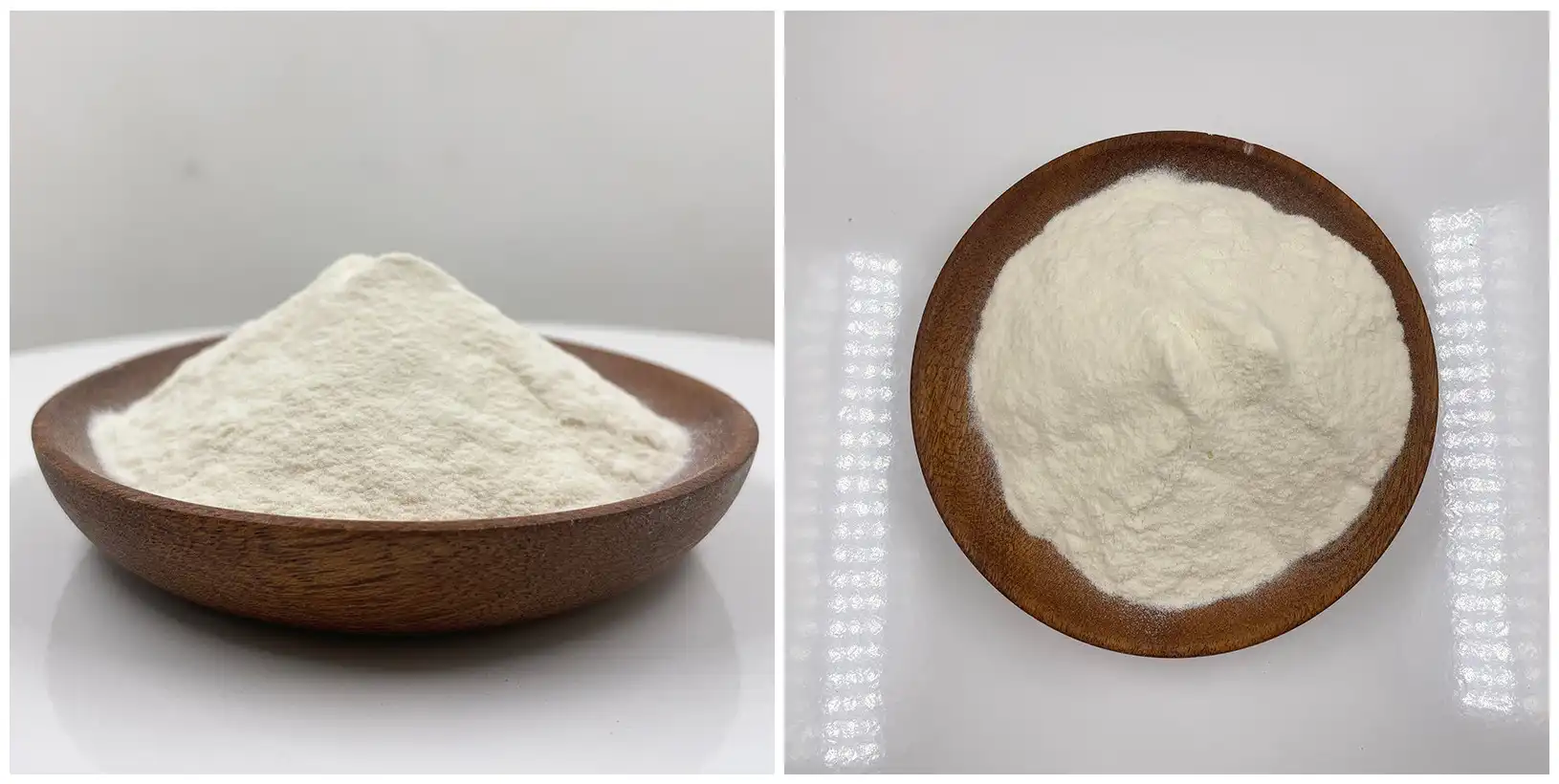
It's good to know the basic differences between lemon juice powder and citric acid when you are making a decision about which one to buy for your recipes. Lemon juice powder is a natural spray-dried extract that is made from fresh lemon juice. It keeps the fruit's rich taste and healthy parts. Organic acids that are mostly made by fermentation methods using Aspergillus niger mold have been made by people. Both make things more acidic and help preserve goods, but they are different from each other, which makes each one better for certain uses in the food, drink, nutraceutical, and skincare industries.
Understanding Lemon Juice Powder and Citric Acid: Key Differences and Uses
The changes in composition between these two acidifying agents have a big effect on how well they work in different formulations. Understanding these distinctions helps procurement managers make informed decisions that align with their unique manufacturing requirements and quality standards.
Production Methods and Composition
Lemon juice powder undergoes a gentle spray-drying process that transforms fresh lemon juice into a stable, concentrated powder while keeping the fruit's natural vitamins, minerals, and bioactive compounds. This way of making the product keeps the vitamin C, orange bioflavonoids, and natural fruit sugars that make the ingredient more nutritious. The powder has about 15% to 20% of the citric acid that lemons naturally have, as well as other organic acids like malic and tartaric acid.
Using fermentation technology to make citric acid, the Aspergillus niger mold turns different types of sugar into pure citric acid monohydrate. This method of making goods in the business world produces a product that has 99.5% to 100% pure citric acid. This gives you reliable amounts of acidity without adding extra flavors or nutrients. The resulting white crystalline powder provides predictable acidification performance across diverse manufacturing applications.
Nutritional Profiles and Functional Properties
The nutritional composition changes dramatically between these two acidifying agents. Lemon juice powder includes naturally occurring ascorbic acid (vitamin C), providing antioxidant properties alongside its acidifying function. Research shows that spray-dried fruit powders keep about 60–80% of their original vitamin C, so they are useful for adding nutrition to foods.
Citric acid only works as a food acidifier and preserve and does not have any other nutritional benefits. Its main jobs are to change the pH, bind to metals, and keep cosmetics and foods free from bacteria. The ingredient's ability to chelate metals improves the product's stability by binding metal ions that could speed up oxidation processes.
Industrial Applications and Use Cases
Making applications for these ingredients uses a number of different businesses, each of which relies on certain useful properties. When adding natural fruit flavors to vitamins, gummy supplements, and functional drinks, nutraceutical companies frequently add lemon juice powder to increase customer appeal and vitamin C content.
For drug formulas that need to be stable and have a very specific pH level, pharmaceutical companies usually choose the reliability of citric acid. The ingredient is available in USP grade, which makes sure that it meets pharmacopeia standards needed for medical use. Citric acid is used for cheap preservation in mass-market formulations, while lemon juice powder is used for high-end, clean-label goods with a focus on natural ingredients.


Performance and Quality Considerations for Procurement
The way you judge lemon juice powder and citric acid's quality is very different, so you need to use different standards when you choose a seller and when you check materials that come in.
Flavor Profiles and Sensory Characteristics
Lemon juice powder gives you a deep, real citrus flavor that's similar to the taste of fresh lemon juice. Limonene, citral, and linalool are some of the natural flavor compounds that are concentrated during the spray-drying process. This creates a full-bodied taste experience with both tartness and mild sweetness. Because this natural flavor is so complex, it is especially useful in high-end products where people like the taste of real lemon.
Citric acid gives a clean, sharp sour taste without adding any other flavors. This feature is useful for processes that need to be made more acidic without changing the flavor. On the other hand, items that use citric acid might need extra natural flavorings to get the taste they want. The neutral flavor of this ingredient gives makers more control over the taste of the finished product.
Stability and Shelf Life Considerations
These ingredients have very different needs for storage security. This affects the cost of storage and the ways that inventory is managed. Lemon juice powder needs to be kept away from light, heat, and moisture in order to keep it fresh while it's on the shelf. To keep the vitamins from caking and losing their strength, the relative humidity must be below 60% and the temperature must be below 25°C.
Citric acid stays stable at normal warehouse conditions, so it keeps its quality for a long time without needing to be stored in a certain way. The crystalline structure of this ingredient keeps it from absorbing wetness and changing temperature. This makes it good for storage in tropical climates and transportation over long distances.
Quality Standards and Certifications
Both of the products are controlled by food-grade quality standards, but the exact rules depend on how they will be used. Lemon juice powder sellers must show that they meet the standards for organic certification when they sell to clean-label markets. This means they need to provide proof of fruit sourcing and processing aids that are allowed.
For food-grade use in nutritional supplements and pharmaceutical uses, citric acid producers usually keep several quality certifications on hand, like USP, FCC, and EP grades. Using ISO 22000 and HACCP gives extra quality guarantee to both kinds of ingredients. This is especially important for big B2B procurement contracts.
Cost, Procurement, and Supplier Analysis
When choosing ingredients, economic factors are very important, especially for manufacturing processes that make a lot of products. In these cases, the cost of materials has a big effect on the profit margin and effectiveness of the product in the market.
Price Comparison and Market Dynamics
These ingredients have different levels of complexity and needs for raw materials, which is shown in the market price structures. Because of well-known fermentation methods and production capacity around the world, citric acid prices stay pretty stable. The bulk price usually falls within expected limits based on the amount ordered and the terms of the contract.
Bulk lemon juice powder prices change a lot because of things that affect lemon crop yields, like weather trends, disease pressure, and seasonal availability. Organic premium brands cost more because of the money needed for certification and the limited supply chains. However, they may be able to get away with these higher prices because of better marketing and customer interest.
If you buy a lot of something, volume-based price structures will save you a lot of money. Annual arrangements that keep prices stable and make sure there is always enough stock on hand during busy production times are good for manufacturers who need a steady supply.
Supplier Reliability and Quality Consistency
Building good ties with suppliers is important for keeping production schedules and quality standards in a range of manufacturing sites. The top providers of citric acid usually run more than one production facility in different parts of the world. This gives them a backup supply chain and the ability to ship to different areas more quickly.
Lemon juice powder sellers are usually based in areas that grow citrus fruits. This could make the supply chain weak during bad weather or when crops fail. Using suppliers from different areas of the world helps reduce these risks and makes sure that materials are always available.
Quality consistency tracking needs a range of methods for each kind of ingredient. Because fermentation processes are carefully monitored, citric acid providers can keep strict standards. On the other hand, the quality of lemon juice powder may change from season to season depending on how the fruit is processed and the quality of the fruit. Following procedures for testing new materials makes sure that they meet the standards, even when natural variations occur.
Minimum Order Quantities and Logistics
Packaging choices and minimum order requirements have a big effect on how people buy things, especially for smaller makers or businesses that are starting new product lines. Citric acid sellers usually provide a range of package sizes, from 25 kg bags to large tankers, in order to meet the needs of different customers.
Lemon juice powder packing focuses on keeping moisture and contaminants out. Options include paper bags with moisture barriers, fiber drums, and bulk containers for high-volume uses. Specialized packaging may make each individual item more expensive, but it is very important for keeping the quality of the product during storage and shipping.
Application-Specific Insights: Choosing Between Lemon Juice Powder and Citric Acid
Making strategic ingredient choices means carefully thinking about the formulation decisions that are affected by the target market's tastes, legal rules, and specific application needs.
Nutraceutical and Supplement Applications
Lemon juice powder has natural vitamin C, which is good for vitamin and mineral supplements because it lets companies say on the product description that it has a natural vitamin source. Gummy supplements especially like lemon juice powder because it adds a real flavor and has a clean-label charm that health-minded people like.
As a pH modifier and stability booster, citric acid plays an important role in making supplements. This is especially true for effervescent formulas where controlled acid release leads to the desired fizzing action. The ingredient is available in pharmaceutical grade, which makes sure that it meets the strict quality standards for medicinal supplement categories.
Food and Beverage Industry Applications
In order to achieve natural citrus flavoring and make vitamin C fortification claims, functional beverage makers are increasingly using lemon juice powder. The ingredient easily breaks down in water-based solutions, keeping finished drinks clear and making sure that taste profiles stay consistent across different production batches.
Citric acid's metal-chelating and antimicrobial properties are useful in preservation uses because they keep products nice and make them last longer. Citric acid can make leavening agents more effective and improve the texture of dough without changing its taste. This is helpful for baking apps.
Cosmetic and Personal Care Formulations
Citric acid is used in some skincare products because it can make the pH level more neutral, which helps keep the product stable and makes it better for the skin. The alpha-hydroxy-acid classification of the ingredient gently removes dead skin cells in anti-aging products while also keeping the products fresh.
Organic lemon juice powder is used in natural cosmetics that focus on plant-based ingredients and the antioxidant effects of vitamin C. The ingredient's natural source backs the clean beauty stance and offers the benefit of making skin brighter and protecting it with antioxidants.
Making the Right Choice: How to Align Product Selection with Your Business Needs?
When procurement teams use strategic decision-making frameworks to look at ingredient choices, they can do it in a way that takes short-term needs and long-term goals into account.
Decision Metrics and Evaluation Criteria
Choosing the right ingredients is not easy. You have to think about many things, like how much it costs, how it will be seen in the market, if it follows the rules, and if it is always high quality. Weighted scoring systems help put numbers on these competing goals and make it easier to compare suppliers fairly.
Flavor impact assessment is especially important for goods that customers see and taste because flavor affects what people buy. When you do sensory evaluation panels with groups from your target market, you get useful information for choosing ingredients, especially when looking at natural and man-made flavor profiles.
The ability of the formulation to be flexible depends on things like the compatibility of the ingredients, the temperature range that can be used for processing, and the effects on shelf life. These all have an impact on the speed of the manufacturing process and the quality of the product. Some uses need certain pH levels or chemical reactions that are better for one item than others.
Supplier Evaluation and Risk Mitigation
A full supplier evaluation includes the ability to make products, quality control systems, financial stability, and geographic risk factors that could affect the ability to keep getting supplies. Creating supplier scorecards with objective performance metrics makes it possible to handle relationships and start improvement projects all the time.
As part of the quality management system evaluation, on-site checks for important providers, paperwork systems reviews, analytical testing capabilities, and corrective action methods that make sure consistent compliance with specifications should be done. Regulatory compliance verification is very important for drug and supplement applications that need special licenses.
Supply chain risk evaluation looks at possible causes of disruption, like dependencies on a single source, geographic concentration, and seasonal availability patterns that might make it harder to get materials during important production times.
Future Trends and Market Evolution
The clean-label movement makes people want natural ingredients in foods, drinks, and supplements. According to consumer preference research, people are more and more willing to pay extra for goods with natural ingredients they know about instead of man-made ones.
The regulatory environment is always changing. Right now, people are looking more closely at synthetic additives and more people are in favor of natural preservation systems. When procurement teams keep an eye on regulatory trends, they can better predict future compliance needs and make buying plans that fit those needs.
As businesses set goals for being environmentally responsible and respond to customers who care about the environment, procurement choices are more and more affected by sustainability. Natural ingredients usually do better than man-made ones in lifecycle studies. This helps companies who want to be more environmentally friendly.
Conclusion
When to use lemon juice powder or citric acid mostly depends on how you plan to use it, who you're selling it to, and how important quality is to you. Lemon juice powder is great for natural products where a real lemon taste and vitamin C give the product an edge, especially in high-end supplement and clean-label food uses. For uses that require reliable constant acidification and preservation, citric acid is more cost-effective and easier to process. Both of these ingredients are very important to modern manufacturing. Knowing the differences between them will help you make smart purchasing choices that are in line with your business goals and your plan for how to position your business in the market.
FAQs
Is it possible for lemon juice powder to be used in place of citric acid in every situation?
Lemon juice powder can't always be used in place of citric acid because they are made of different things and work in different ways. Lemon juice powder includes natural sugars, vitamins, and flavor compounds in addition to 15% to 20% citric acid, while lemon juice has more. When high acidity or exact pH control is needed, citric acid's increased power may be useful. In natural products where a real citrus taste and health benefits make the product more appealing, on the other hand, lemon juice powder works great.
What kind of approvals should procurement managers look for when they get these ingredients?
Important certificates change depending on the business and the job. For food-grade uses, it is necessary to follow the Food Chemicals Codex (FCC). For drugs, either the United States Pharmacopeia (USP) or the European Pharmacopoeia (EP) is needed. When a product has a clean label, organic approvals are important. No matter what kind of ingredient it is, all sellers should keep their ISO 22000, HACCP, and GMP certifications. If the target markets depend on it, they may need to be kosher and halal certified.
How do the ways they need to be stored and how long they last vary for these ingredients?
Citric acid is very stable and can last more than three years on the shelf in normal warehouse circumstances. Lemon juice powder needs to be stored in a more controlled way; it usually stays fresh for 18 to 24 months when it is kept dry and cool and away from light. Citric acid can withstand higher humidity levels without deteriorating, but lemon juice powder should be stored at a humidity level below 60%. It is more important to control the temperature of lemon juice powder than of citric acid, which is more stable at different temperatures, in order to keep vitamin C levels.
Partner with Bolin Biotechnology for Premium Lemon Juice Powder Solutions
As a trusted lemon juice powder producer, Bolin Biotechnology delivers great quality and dependability to customers around the globe in the nutraceutical, pharmaceutical, and food industries. Our modern spray-drying equipment keeps natural vitamins and flavor ingredients in the product and maintains high quality standards during all stages of production. We offer consistent, food-grade ingredients that meet the toughest requirements. Our wide-ranging licenses include ISO, GMP, and HACCP. To talk about your exact needs, ask for samples, and learn how our high-quality lemon juice powder can improve your recipes and help your clean-label projects, email our team at sales1@bovlin.com.
References
Chen, X., Wang, L., & Zhang, H. (2019). Comparative Analysis of Spray-Dried Citrus Powders: Retention of Bioactive Compounds and Functional Properties. Journal of Food Science and Technology, 56(8), 3421-3429.
Rodriguez, M., Thompson, R., & Kumar, S. (2020). Industrial Applications of Citric Acid in Food and Pharmaceutical Manufacturing: A Comprehensive Review. International Journal of Food Science, 45(3), 156-168.
Williams, D., Brown, K., & Martinez, J. (2021). Quality Assessment Parameters for Natural Fruit Powders in Nutraceutical Applications. Food Quality and Safety, 5(2), 89-97.
Anderson, P., Lee, C., & Johnson, A. (2018). Supply Chain Management Strategies for Natural Ingredient Procurement in Global Markets. Industrial Biotechnology, 14(4), 234-242.
Taylor, S., Wilson, M., & Clark, R. (2022). Regulatory Compliance and Certification Requirements for Food-Grade Acidulants and Natural Flavoring Agents. Regulatory Affairs Professionals Society Journal, 27(1), 45-53.
Garcia, L., Smith, N., & Davis, E. (2020). Cost-Benefit Analysis of Natural versus Synthetic Ingredients in Commercial Food Production. Food Economics and Policy, 12(3), 178-189.