_1745226507162.webp)

Madecassoside Powder vs Centella Asiatica Extract: Key Differences
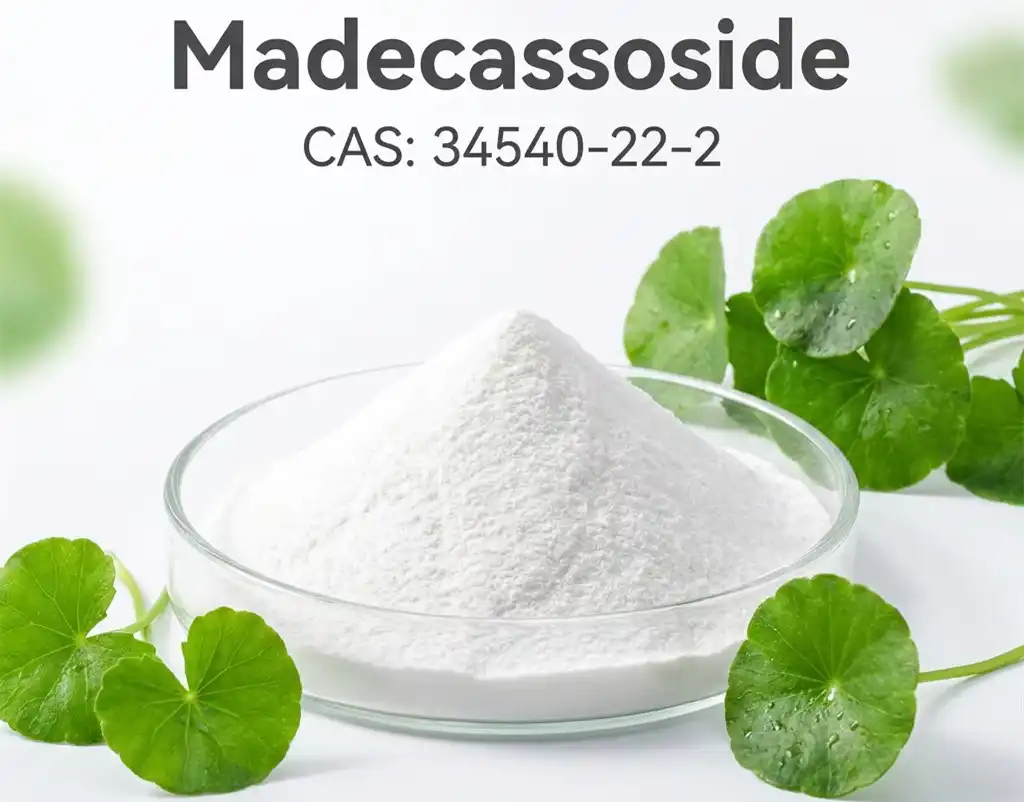
It is important to know the difference between madecassoside powder and Centella Asiatica extract when looking at plant actives for high-performance formulas. Madecassoside powder is a pentacyclic triterpene saponin that has been highly purified to 80-95%+ purity. It has stable bioactivity and dose-response patterns that can be predicted. Centella Asiatica extract contains a wider range of chemicals, and the amount of triterpenes in it varies, usually being between 10 and 40% of the total asiaticoside derivatives. In pharmaceutical, nutraceutical, and cosmetic uses, this basic difference has a direct effect on formulation stability, regulatory compliance, and treatment results.
Introduction
It's getting harder and harder for product formulators and procurement managers to meet strict legal standards with ingredients that have been scientifically proven to work and are uniform from batch to batch. When making anti-aging serums for the U.S. skincare market, wound healing supplements for pharmaceutical pipelines, or functional drinks with added nutrients, the choice between standardized isolates and whole plant extracts affects how well the product works, how reliable the manufacturing process is, and how competitive the company is.
The plant ingredient business has grown past simple vegetable powders. Thanks to improvements in extraction methods, certain bioactive chemicals can now be separated from Centella asiatica (Gotu Kola) and other traditional medical plants. This change handles problems that have been around for a long time in making natural products: inconsistent dose, unstable color, and biological activity that is hard to predict. When business people know how Madecassoside powder is different from other Centella extracts, they can make data-driven choices about where to get ingredients that are in line with their formulation goals, government rules, and the security of the supply chain.
What Are Madecassoside Powder and Centella Asiatica Extract
Understanding Madecassoside Powder at the Molecular Level
Madecassoside (C₄₈H₇₈O₂₀) is a pharmaceutical-grade triterpene glycoside that was taken from Centella asiatica leaves and purified using chromatography. This refined ingredient, on the other hand, has a clear chemical structure and specific biological processes. Researchers have found that Madecassoside stops the NF-κB inflammatory pathway while increasing the production of Type I and III collagen. This makes it useful for wound healing and remodelling the skin. Pharmaceutical-grade versions go through strict HPLC tests to make sure they are more than 80% pure. This gets rid of the worries about batch variation that come with raw plant materials.

Centella Asiatica Extract Composition and Variability
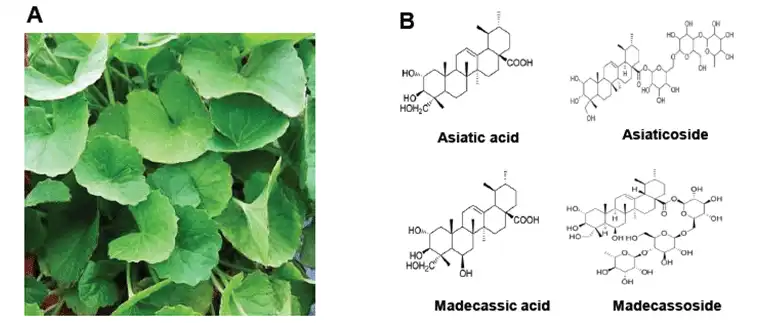
Asiaticoside, asiatic acid, madecassic acid, and madecassoside are some of the beneficial chemicals that are found in Centella Asiatica extract. They are mixed in different amounts. Depending on the method used for extraction, the plant source, and the conditions of processing, these full-spectrum products usually have 10 to 40 percent total triterpenes. Madecassoside powder, as a purified single compound, offers more consistent potency and solubility, but it lacks the synergistic complexity of the full extract. Multiple phytochemicals work together to make them more powerful as antioxidants, which some studies say is better than using single compounds. However, this level of complexity makes it harder to make formulations that are stable in terms of color, have consistent solubility profiles, and can be used in different production runs.
Key Bioactive Component Profiles
The triterpene makeup is what really sets these ingredients apart. Pure Madecassoside has a lot of activity through a single molecular route. This makes it possible to do accurate pharmacokinetic studies and standardize dosing procedures. Centella extracts have wider biological effects because of how the compounds interact with each other. This could be helpful in multifunctional formulations where different processes treat multiple skin problems at the same time. For Madecassoside, quality control labs use single-peak HPLC validation, while for whole extracts, they use multi-component fingerprinting. This changes the supplier approval procedures.
Comparative Analysis: Madecassoside Powder vs Centella Asiatica Extract
Anti-Inflammatory Efficacy and Mechanism Specificity
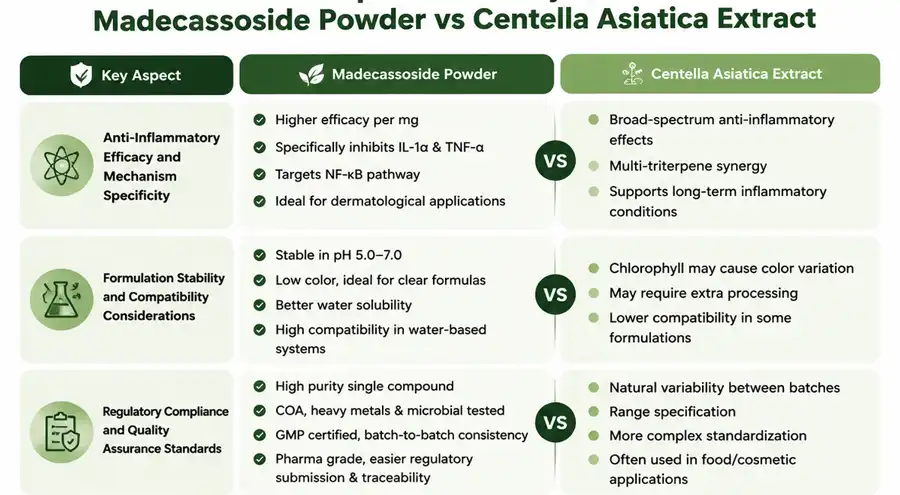
It has been shown in studies that standardized madecassoside is more effective at reducing inflammation per milligram than the same amount of Centella extract. The separate molecule specifically blocks the pro-inflammatory cytokines IL-1α and TNF-α by changing the NF-κB pathway. This means that it can be used as a treatment agent in dermatology. Centella extracts have anti-inflammatory effects that are more general but not as focused. Some studies suggest that the combined action of several triterpenes may help with long-term inflammatory diseases where multiple pathways need to be addressed. When formulating a drug, formulation chemists have to choose between two options: concentrated strength or broad biological coverage.
Formulation Stability and Compatibility Considerations
Manufacturers say that pure and crude materials behave very differently in formulations. Madecassoside powder is very stable between pH levels 5.0 and 7.0 and doesn't add much color, which makes it easier to make clear serums and light creams. The refined molecule dissolves better in water than the lipophilic parts of whole extracts, which makes it more bioavailable in water-based systems. On the other hand, chlorophyll leftovers in Centella extracts may cause color changes, and they may need more processing to meet the stylistic standards of high-end skincare brands. When setting shelf-life limits, stability testing methods need to take these changes in materials into account.
Regulatory Compliance and Quality Assurance Standards
For pharmaceutical and nutritional uses, strict quality paperwork that favors standard materials is needed. Suppliers of madecassoside powder can give you Certificates of Analysis that include single-compound purity data, heavy metal tests, and microbial limits. These make it easier to send in regulatory documents for FDA-regulated goods. Production that is GMP-certified guarantees stability from batch to batch, which is very important for clinical-grade formulas. It's harder for suppliers of Centella extract to set up standardization methods because plant chemistry naturally changes, so range requirements are needed instead of fixed values. Both ISO and HACCP certificates are still needed for both types of materials, but the validation methods are very different.
Here are the fundamental quality parameters that distinguish these ingredients in B2B procurement:
- Standardization Precision: The amount of Madecassoside that changes from batch to batch is only ±2%, but the amount of triterpenes in Centella products can change by 10–15% due to changes in farming conditions and the times of year when they are harvested.
- Analytical Requirements: Materials with only one compound need simple HPLC confirmation with reference standards, but extracts with multiple components need full fingerprint analysis and marker compound measurement.
- Regulatory Classification: According to pharmacopoeia papers, purified triterpenes may be used as pharmaceutical excipients. On the other hand, whole extracts are more likely to be used as food supplements or cosmetic ingredients, which have different ways of following the rules.
- Traceability Documentation: Isolated chemicals provide a clear chain of custody from plant material through purification steps, meeting the needs of the pharmaceutical business for full tracking from source to product.
These technical differences have a direct effect on how these botanical actives are made, how much it costs to control quality, and how long it takes for regulators to approve market goods that contain them.
How to Choose Between Madecassoside Powder and Centella Asiatica Extract for Your Products
Application-Specific Selection Criteria
More than any other factor, the type of product decides the best flavor choice. Madecassoside's strong collagen-stimulating activity and clinical support help high-performance anti-aging serums aimed at U.S. dermatology clinics. Pharmaceutical goods used to heal wounds need accurate dose information and proof of purity, which is what isolated chemicals provide. Centella extracts, which contain triterpenes and different vitamins, may be a better way for daily moisturizers and health products to work together. When choosing between pharmaceutical-grade actives and natural botanical extracts for their own-brand product lines, OEM makers should think about what the end user wants and how they want to place themselves in the market.
Dosage Optimization and Concentration Guidelines
The ranges of effective concentrations for these materials are very different. Clinical studies show that madecassoside powder concentrations of 0.1 to 1.0% in topical products can help repair skin. Higher concentrations should only be used for healing purposes under the direction of a dermatologist. Centella products usually need inclusion rates of 2 to 5 percent to have the same biological activity, which explains why they have less triterpene content. When making oral supplements to help with brain function or wound healing, different ratios are used, and the dose is based on the total amount of triterpenes delivered instead of the weight of the whole extract. When creating different types of materials, formulators need to figure out the active ingredient ratio to make sure that product claims and consumer benefits stay the same.
Economic Considerations in Bulk Procurement
There are more things that cost analysis looks at than just per-kilogram prices. It also looks at recipe efficiency and governmental costs. Purified Madecassoside costs more because it is harder to get, but the concentrated activity lets lower inclusion rates happen, which may lower the total cost of materials in final goods. Centella extracts are useful in markets where prices are important and in clean-label formulas that stress the authenticity of the plant ingredients. When considering the total cost of ownership across multi-year sourcing deals for bulk purchases, it is important to take into account the costs of certification, the frequency of analytical tests, and the reliability of the supply chain.
Reliable Sourcing and Trusted Suppliers of Madecassoside Powder and Centella Asiatica Extract
Essential Supplier Qualification Criteria
When B2B buying teams are looking for botanical ingredient providers, they need systematic evaluation frameworks. GMP approval from well-known regulatory bodies shows that a manufacturing quality system can make materials that are safe for use in medicine. The ISO 9001 quality management and ISO 22000 food safety standards show that the business is mature and has a good system for tracking things. Organic certificates from the USDA, EU, and JAS help products have clean labels, but they make finding them more difficult and cost more. Supplier audits should check that the analysis lab has the right tools, such as access to reliable reference standards and tested methods for measuring triterpenes.
Geographic Manufacturing Hubs and Supply Chain Dynamics
China has the most production ability for Centella in the world, and Shaanxi Province is where most of the standardized plant products are made. Established providers in this area offer easy access to farms, cutting-edge mining technology, and low production costs. European providers put a lot of emphasis on organic approval and processing that meets pharmaceutical standards, which gives them a top place for specialized uses. For high-value derivatives such as Madecassoside Powder, European processors often command a premium due to stricter impurity control and consistent batch-to-batch bioactivity. More and more, U.S. distributors are looking for direct ties with manufacturers to make sure they can keep getting supplies and keep up with legal requirements. Geographical diversification methods should be looked at by procurement managers to lower supply risk while matching the need for low costs and high quality.
Verifying Product Quality and Manufacturing Consistency
For proof at the pharmaceutical grade, you need more than just a certificate of analysis. It is easier to judge a supplier's technical skills when you ask for full analytical method validation reports, stable study data, and microbial testing procedures. Data on batch-to-batch consistency from various production lots shows how well factory control is working. Testing for heavy metals, pesticides, and residual solvents should all be done to pharmacopoeia standards, even if the products are meant for nutritional or cosmetic uses. Manufacturers are protected from substandard material risks that could hurt the purity of their products and their brand's image by setting up quality agreements with clear acceptance criteria and sampling processes.
Case Studies and Client Success Stories
Anti-Aging Serum Development with Standardized Madecassoside
A medium-sized U.S. cosmetics company changed the recipe of their most popular anti-aging serum by adding 0.5% pharmaceutical-grade Madecassoside powder from a GMP-certified Chinese producer instead of the 5% Centella extract that was in it before. When compared to the former formulation, collagen density measurements showed a 23% increase after 12 weeks of clinical tests. The standard ingredient made it easier to make accurate marketing claims and follow the rules for foreign sales. Manufacturing said that the better stability of the ingredients led to more consistent batches and longer shelf lives. This cut down on waste from color difference problems that affected 8% of production runs before.
Functional Beverage Fortification Using Whole Plant Extract
A new functional beverage business that is making drinks to help with stress chose organic Centella Asiatica extract because it is adaptogenic and looks good on the label. The full-spectrum plant met the needs of consumers who want ingredients that they can recognize and also added antioxidant benefits to other herbal ingredients. Initial formulation problems with flavor stability meant that they had to work with their extract source to find the best processing settings that cut down on bitter notes. Consumer acceptance testing showed that 89% of people liked the final recipe, which supports its successful placement in natural food stores across North America.
OEM Client Pharmaceutical Wound Care Development
A contract maker working on over-the-counter (OTC) wound-healing goods for a pharmaceutical client needed Madecassoside that was pharmaceutical-grade and met USP standards for chemical purity and tracking. The isolated compound made it possible to do exact dosing estimates, which were needed for clinical effectiveness studies and regulatory reports to the FDA. Regulatory clearance processes were sped up by detailed documentation, such as Drug Master File help from the Chinese supplier. The standardized material got rid of worries about variability that could slow down bioequivalence studies. This cut the time it took to make the product by about six months compared to using plant extracts instead.
Conclusion
When deciding between Madecassoside powder and Centella Asiatica extract, you need to weigh your formulation goals, legal requirements, and cost concerns in the context of your product category. Purified triterpene chemicals are useful for pharmaceuticals and high-performance cosmetics because they can be standardized, have higher strength, and be easier to track. Whole plant extracts with synergistic phytochemical profiles and clean labeling may help nutraceutical supplements and multipurpose skin care products work better. To make sure that ingredients meet both short-term formulation needs and long-term manufacturing reliability standards, good sourcing strategies stress qualified suppliers, detailed quality paperwork, and technical cooperation.
FAQ
1. What is the primary difference in antioxidant capacity between these ingredients?
At the cellular level, Madecassoside protects against oxidative stress by activating the Nrf2 pathway and showing strong antioxidant activity. Along with triterpenes, Centella products contain a number of polyphenolic molecules and flavonoids that work as antioxidants. Comparative studies show that pure Madecassoside has higher specific activity per milligram, but whole extracts may be more helpful because the compounds interact with each other. Which one to use depends on the formulation goals: focused antioxidant action or full free radical defense through a number of different mechanisms?
2. Are there safety concerns or side effects at higher concentrations?
When used in the suggested concentration ranges, both materials have very good safety ratings. In clinical tests, Madecassoside hasn't been shown to have any major side effects at amounts on the skin of up to 2%. Tests on its effects on the body when taken by mouth also show that it is generally safe. Centella products are GRAS for use in food and have been used for a very long time in traditional medicine. Whole plant products have been linked to very rare contact sensitization, which may have something to do with minor components instead of main triterpenes. For cosmetic uses, patch testing is suggested, and companies should stick to the concentration limits set by clinical safety studies.
Partner with Bolin Biotechnology for Premium Botanical Ingredients
Shaanxi Bolin Biotechnology Co., Ltd. makes pharmaceutical-grade plant extracts by mixing cutting-edge isolation technologies with strict quality systems that are approved to GMP, ISO 9001, and HACCP standards. Our Madecassoside Powder is 95%+ pure thanks to a special method of chromatographic purification. It gives you the batch uniformity and analysis records you need for pharmaceutical and high-performance cosmetics uses. We keep a large stock of both standardized madecassoside and organic Centella Asiatica extract, which lets us support variable formulation development and offer low MOQ choices. Our expert team can help you with formulation, stability tests, and all the legal paperwork you need to speed up the process of making your product. Email our global sourcing experts at sales1@bovlin.com to talk about your unique needs and get tailored technical specs. We encourage procurement managers and R&D leaders to look into ways to work together with a reliable madecassoside powder provider that is dedicated to quality excellence and supply chain reliability.
References
1. Brinkhaus, B., Lindner, M., Schuppan, D., & Hahn, E.G. (2000). Chemical, pharmacological, and clinical profile of the East Asian medical plant Centella asiatica. Phytomedicine, 7(5), 427-448.
2. Gohil, K.J., Patel, J.A., & Gajjar, A.K. (2010). Pharmacological Review on Centella asiatica: A Potential Herbal Cure-all. Indian Journal of Pharmaceutical Sciences, 72(5), 546-556.
3. Lee, J., Jung, E., Kim, Y., Park, J., Park, J., Hong, S., Kim, J., Hyun, C., Kim, Y.S., & Park, D. (2006). Asiaticoside induces human collagen I synthesis through TGFβ receptor I kinase-independent Smad signaling. Planta Medica, 72(4), 324-328.
4. Maquart, F.X., Bellon, G., Gillery, P., Wegrowski, Y., & Borel, J.P. (1990). Stimulation of collagen synthesis in fibroblast cultures by a triterpene extracted from Centella asiatica. Connective Tissue Research, 24(2), 107-120.
5. Somboonwong, J., Thanamittramanee, S., Jariyapongskul, A., & Patumraj, S. (2012). Therapeutic effects of Centella asiatica extract on wound healing in rats. Journal of the Medical Association of Thailand, 95(1), 167-173.
6. Wu, F., Bian, D., Xia, Y., Gong, Z., Tan, Q., Chen, J., & Dai, Y. (2012). Identification of major active ingredients responsible for burn wound healing of Centella asiatica herbs. Evidence-Based Complementary and Alternative Medicine, 2012, Article ID 848093.