_1745226507162.webp)

Premium Green Spirulina Powder: A Complete Sourcing Guide for Importers
Sourcing premium super green spirulina powder requires a strategic understanding of quality parameters, supplier verification protocols, and market dynamics that distinguish superior products from standard offerings. Professional importers recognize that this blue-green algae presents exceptional opportunities across nutraceutical, pharmaceutical, functional food, and cosmetic sectors. The comprehensive procurement framework encompasses supplier assessment methodologies, certification requirements, and logistics optimization strategies that ensure consistent product quality while maintaining competitive pricing structures for sustainable business relationships.
Understanding Premium Green Spirulina Powder: Composition and Benefits
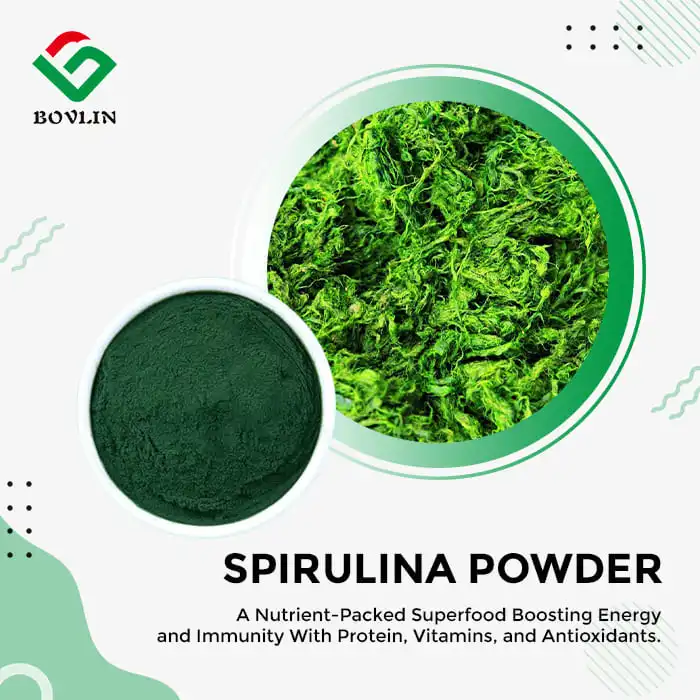
Spirulina represents one of nature's most concentrated nutritional powerhouses, containing approximately 60-70% complete protein by weight alongside essential amino acids that rival traditional protein sources. This microscopic cyanobacterium thrives in alkaline environments and delivers remarkable bioactive compounds including phycocyanin, chlorophyll, beta-carotene, and gamma-linolenic acid.
Scientific Nutritional Profile
The fact that good spirulina powder is very healthy makes it useful in many business situations. New studies show that spirulina has the same amount of vitamin B12 as animal products and more protein than beef, peas, or eggs. This superfood has a lot more antioxidants than most others. Its ORAC readings usually show that it has between 24,000 and 28,000 µmol TE/100g.
Because they are grown in controlled environments and collected in certain ways, premium types have consistent nutrition profiles. Better things have a chlorophyll level of 1% to 1.5% and a phycocyanin level of 15% to 20%. During the review process, these things are used to rate the quality of the sellers.
Health Benefits Validated by Research
Clinical tests have shown that spirulina can boost the immune system, make the heart healthier, and keep cells from getting hurt. Drug companies want to use the unique color phycocyanin in medicinal recipes because it can reduce inflammation. A study on nutrition shows that taking spirulina vitamins can lower cholesterol, keep blood sugar levels healthy, and help you work out better.
Because it has all nine amino acids, spirulina is great for making plant-based protein foods that people who care about their health will want to buy. It can be broken down between 85 and 95% of the time, which is higher than many plant proteins and about the same as animal proteins.

Sourcing and Procurement: How to Select the Best Super Green Spirulina Powder Supplier?
When someone buys green spirulina powder professionally, they need organized review systems that look at more than just the basic product specs that a supplier can give them. Buyers who are good at what they do make sure that the ways they check out sellers include everything from the suppliers' quality systems to how much they can produce to how well they follow the law and how reliable their supply chain is.
Critical Quality Parameters for Procurement
The following quality benchmarks distinguish premium suppliers from standard market participants:
- Microbiological specifications: Total plate count below 50,000 CFU/g, yeast and mold under 500 CFU/g, and absence of pathogenic organisms including E. coli, Salmonella, and Staphylococcus aureus
- Heavy metal limits: Lead content under 2 ppm, mercury below 0.5 ppm, cadmium under 0.5 ppm, and arsenic below 2 ppm according to international standards
- Physical characteristics: Mesh size 80-100 for optimal dissolution properties, moisture content below 7%, and characteristic dark green coloration without foreign matter
- Nutritional assurance: Protein content 55-70%, total chlorophyll 10-15 mg/g, and phycocyanin levels 100-180 mg/g depending on grade specifications
These things make sure that the product stays true throughout the whole process of marketing and that it follows the rules for foreign markets. When suppliers regularly meet these needs, it means they know how to make things and check the quality of those things.
Certification Requirements and Compliance Standards
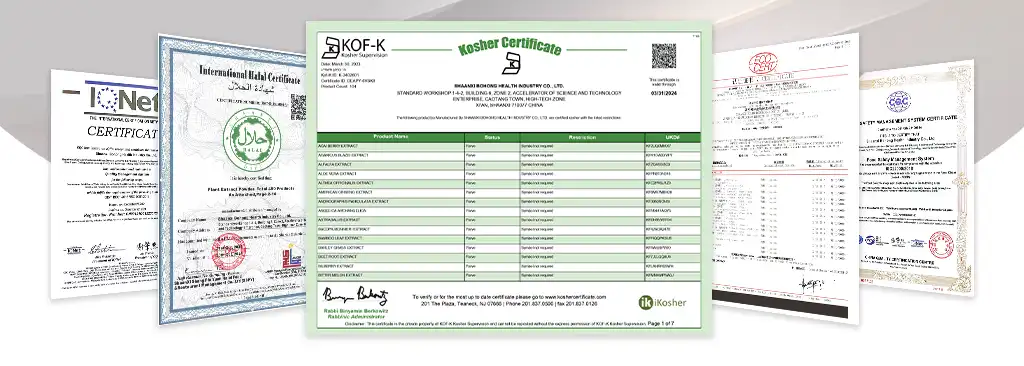
When a seller has an international license, it makes it easier for their goods to be sold in countries with different rules. For controlling food safety, ISO 22000 licenses are very important. So are HACCP application certificates and organic approval from well-known groups like the USDA, EU, or JAS standards.
When it comes to drugs, GMP approval is important, and kosher and halal licenses help the market grow. Most of the time, suppliers with more than one license show that their business is well-established and dedicated to quality standards.
Market Insights and Product Comparison for Informed Decision-Making
The market for spirulina is growing quickly around the world as more people learn about plant-based nutrition and helpful food trends. A study of the market shows that different price points and kinds of uses are linked to different levels of quality.
Premium versus Standard Grade Distinctions
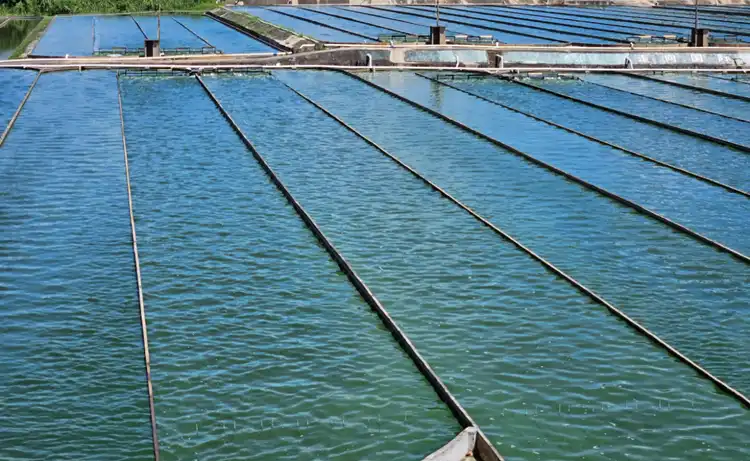
Super green spirulina powder is very expensive because it is grown in a better way, cleaned better, and has to pass strict quality checks. Premium companies grow their plants in controlled ways that keep them clean and make the most of the nutrients they contain. When tests are done in open ponds, the quality of the data can change, so standard marks are often given.
The way bulk spirulina powder is processed has a big impact on its qualities when it's finished. Some standard food manufacturers dry their products at high temperatures, which destroy nutrients. Premium food manufacturers dry their products at low temperatures, which protect those nutrients. There are changes that can be seen in how healthy and tasty the food is that is made.
Industry Application Analysis
Nutraceutical companies focus on spirulina types with consistent amounts of phycocyanin so they can be sure of the effects when they formulate. For medicinal uses, spirulina needs to be pharmaceutical-grade, which means it meets better quality standards and has a lot of scientific data behind it. The people who make useful foods try to find ingredients that aren't too strong and are simple to spread.
A lot of makeup use spirulina because it is good for the face and has a lot of antioxidants. Different types of applications have different quality needs that affect which sources are picked and what is bought.
How to Use and Market Super Green Spirulina Powder in Global B2B Contexts?
With B2B, users can get skilled recipe help on how to best add spirulina to a lot of different goods. Knowing how to apply something helps people do well and makes relationships that last a long time.
Formulation Guidelines for Various Industries
Most nutraceutical goods have between 500 mg and 3000 mg of spirulina per dose, depending on what the label says about the health benefits and promises. It's important to pick the right glue for your spirulina pills so that they work with the plant's ability to draw water to itself. When making pills, it's helpful to use flow aids at the same time.
Spirulina doesn't have the same color or taste as other foods, so it can be hard to add it to healthy drinks. Good formulas use smart tastes and pick ingredients that work well together to balance the health benefits with what people want. Foods sold in stores need to have ingredients that hide the earthy and sea tastes.
Private Label Opportunities and Brand Development
More and more people are interested in plant-based superfoods, which means that all stores can offer a lot of private label options. When you build a brand that works well, you highlight spirulina's unique nutritional profile and address customer concerns about taste and quality consistency.
Premium positioning strategies for green spirulina powder use things like organic approvals, words about being environmentally friendly, and proof from third-party tests. There are ways to make your brand stand out, such as by making solutions for sports nutrition, brain health, or immune support.
Pricing, Logistics, and Transaction Guidance for Importers
In buying economics, the total cost of ownership is different from the buy price because it depends on a lot of different things. Smart buyers use full cost models to judge sellers. These models look at things like consistent quality, reliable delivery, and supply chain risk.
Price Structure Analysis and Negotiation Strategies
The price of spirulina changes based on the kind of certification, the normal grade, and the number of sales. It can cost 20–40% more for premium organic spirulina than regular grades, and it can cost 50–80% more for pharmaceutical-grade goods than regular grades. Volume deals can often lead to better prices and better distribution of goods when there aren't enough of them.
Changes in the value of the currency, the cost of getting there, and the cost of following the rules are all parts of the total arrival costs. When importers are good at what they do, they make long-term deals with providers that keep prices stable but still let them respond to changes in the market.
Supply Chain Optimization and Risk Management
Suppliers you can trust always have enough goods on hand and offer a variety of ways to make their goods so that you can always get them. Different places in the world lower the risks in the supply chain caused by bad weather, new laws, or issues with output.
For transportation to work, storage conditions must be carefully planned so that the quality of the goods stays the same while they are being shipped abroad. Protocols for controlling temperature, keeping out moisture, and stopping contamination make sure that the product stays pure during the whole marketing process.
Conclusion
You need to know a lot about quality standards, selling skills, and how the market works if you want to buy high-quality super green spirulina powder. These things will affect the long-term success of your business. The vegetable market is growing quickly. To get ahead in this market, professional importers spend money on quality control methods, building relationships with sellers, and market research. Choosing reliable sources in a planned way helps keep goods constant and supports long-term business growth in a number of areas.
FAQ
What distinguishes premium from standard spirulina powder quality?
Because it is grown and prepared using current methods, premium spirulina powder has more nutrients, is purer, and has stable quality factors. When compared to regular goods, premium types generally have more phycocyanin, more protein (65-70% vs. 55-60%), and a lower chance of contamination.
How can importers verify supplier authenticity and quality claims?
There are many reliable ways to check, such as third-party lab tests, building checks, license proof, and getting in touch with past customers. Professional importers get analysis reports for every batch, check the goods in person when they can, and make quality agreements that spell out what tests should be done and how they should be done.
Which certifications should importers prioritize during supplier selection?
Good production methods (GMP), food safety management (ISO 22000, HACCP), and organic approval (USDA, EU, JAS) are all important badges of honor. Labels that are kosher, halal, or pharmaceutical-grade can help a service get into new markets and show that they are qualified in regulated areas.
Partner with Bolin Biotechnology for Premium Spirulina Solutions
Bolin Biotechnology specializes in delivering certified organic super green spirulina powder that meets the exacting standards of global importers and manufacturers. Our comprehensive quality management systems ensure consistent product excellence while providing flexible private label solutions and competitive bulk pricing. As an experienced super green spirulina powder supplier with over a decade of industry expertise, we understand the unique requirements of nutraceutical, pharmaceutical, and functional food applications. Contact our team at sales1@bovlin.com to discuss your procurement requirements and discover how our premium spirulina solutions can enhance your product portfolio.
References
Capelli, B. & Cysewski, G. R. (2010). Potential health benefits of spirulina microalgae: A review of the existing literature. Nutrition Reviews, 68(5), 281-291.
Ku, C. S., Yang, Y., Park, Y., & Lee, J. (2013). Health benefits of blue-green algae: Prevention of cardiovascular disease and nonalcoholic fatty liver disease. Journal of Medicinal Food, 16(2), 103-111.
Wells, M. L., Potin, P., Craigie, J. S., Raven, J. A., Merchant, S. S., Helliwell, K. E., & Brawley, S. H. (2017). Algae as nutritional and functional food sources: Revisiting our understanding with a focus on health benefits. Journal of Applied Phycology, 29(2), 949-982.
Deng, R. & Chow, T. J. (2010). Hypolipidemic, antioxidant, and antiinflammatory activities of microalgae spirulina. Cardiovascular Therapeutics, 28(4), 33-45.
Lupatini, A. L., Colla, L. M., Canan, C., & Costa, J. A. V. (2017). Potential application of microalga spirulina platensis as a protein source. Journal of the Science of Food and Agriculture, 97(3), 724-732.
Vonshak, A. & Tomaselli, L. (2000). Arthrospira (spirulina): Systematics and ecophysiology. In The Ecology of Cyanobacteria (pp. 505-522). Springer Netherlands.