_1745226507162.webp)

What are the Benefits of Liposomal CoQ10?
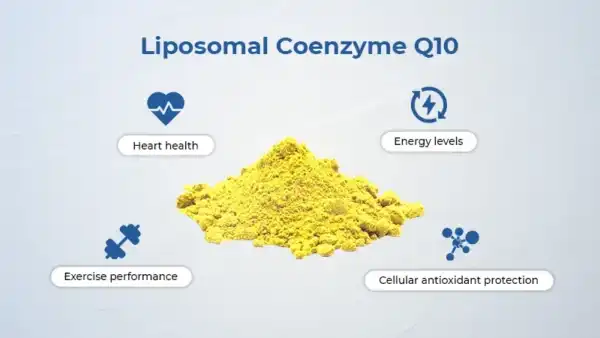
Liposomal coenzyme Q10 is better than other vitamins because it is more bioavailable, helps cells make more energy, and protects them from free radicals. This high-tech delivery method wraps CoQ10 in tiny lipid droplets, which increases absorption rates by up to 300% and keeps the active ingredient from breaking down. Some of the benefits are better energy levels, fewer toxic stresses, support for the heart and mitochondria, and better methods for fixing cells that help with good ageing.
Understanding the Science Behind Liposomal Technology
The innovative way that liposomal coenzyme Q10 is delivered is what makes it so effective at being absorbed. Traditional CoQ10 pills have a lot of problems because their molecules are too big and don't dissolve well in water. These things make it very hard for the body to receive and use this important nutrient properly.
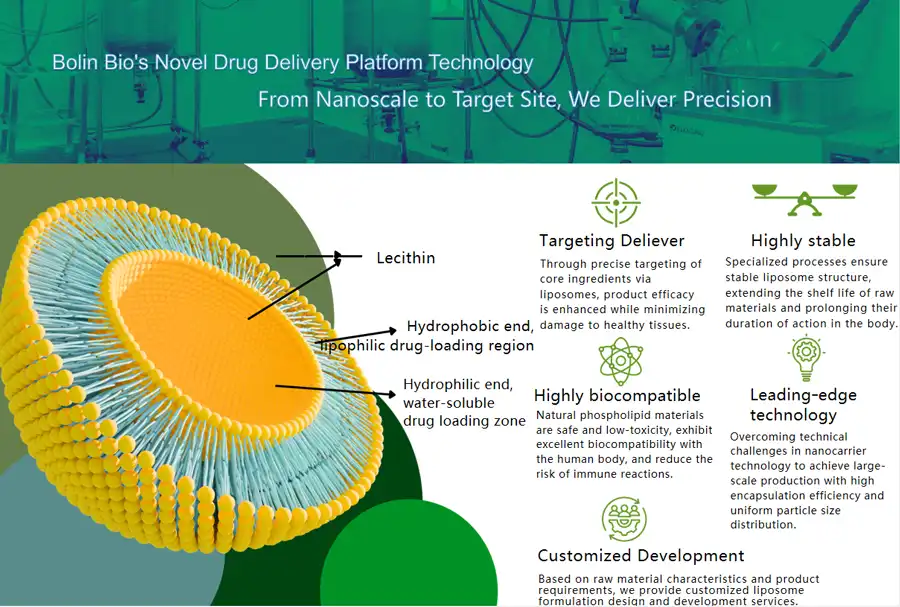
Liposomal technology changes this process by making tiny phospholipid bubbles that keep CoQ10 molecules safe as they move through the digestive system. These liposomes look like the walls of our cells, which lets them fit in with biological structures without any problems. Studies show that liposomal supplements get plasma amounts that are almost three times higher than regular supplements.
In addition to improving delivery, the phosphatidylcholine part of these liposomes has other benefits. This important protein helps the liver work, the brain stay healthy, and cell membranes stay intact. When mixed with CoQ10, it has a synergistic effect that makes the medicine work better overall.
Key Parameters That Define Quality Liposomal CoQ10
To judge the quality of liposomal coenzyme Q10 supplement mixes, certain technical factors must be carefully looked at. The most important thing is how the particle sizes are spread out. The best liposomes are between 100 and 200 nanometres in size. The smaller the particles, the better they can get into cells, and the more stable the result will stay over time.
Another important factor is encapsulation efficiency, which shows what percentage of CoQ10 is properly trapped inside liposomal structures. Premium formulas get absorption rates of more than 90%, which makes the delivery system's defensive effects even stronger. Both stability and absorption are hurt by lower efficiency rates.
The quality of the phospholipids has a big effect on how well the mixture works. Pharmaceutical-grade phosphatidylcholine that comes from sunflowers is more pure than options that come from soy. This option gets rid of any possible allergy issues while also improving oxygen stability. The phospholipid-to-CoQ10 ratio also needs to be carefully balanced to get the best defence and release properties.
Storage stability testing shows how well medicines stay effective over time. Under controlled settings, quality goods show little to no degradation after 24 months. Studies that change the temperature and methods for rapid ageing help predict how something will work in real life in a variety of storage settings.
Core Benefits of Enhanced Bioavailability
The better accessibility of liposomal coenzyme Q10 leads to measured health gains in a number of organ systems. Heart health benefits are especially clear because the heart has the most mitochondria of any organ in the body. Better delivery makes sure that the heart's cells get enough CoQ10, which helps them make the most energy and contract properly.
People who take liposomal glutathione supplements have much better exercise tolerance, according to clinical tests. Compared to people who took regular CoQ10 supplements, those who took liposomal glutathione supplements showed better endurance and fewer signs of tiredness. These results are directly linked to better mitochondrial performance and the production of ATP.
With better uptake, the protective qualities of liposomal coenzyme Q10 stand out more. Because it can get into cells more easily, CoQ10 can neutralise free radicals where they start, which stops oxidative damage to DNA and cell walls. This defence also goes to delicate cells like mitochondria, which keeps them working over time.
Better blood-brain barrier penetration leads to neurological benefits. The brain needs a lot of energy, so it is especially likely to become deficient in CoQ10. Better delivery helps the brain work, memories form, and defensive systems are activated. Research shows that these could be used to help avoid and treat neurological diseases.
Revolutionary Impact on Cellular Energy Production
The mitochondria are the powerhouses of cells, and liposomal coenzyme Q10 support for mitochondria works at levels that have never been seen before. There are hundreds to thousands of these cellular powerhouses inside every cell. They are always making ATP molecules, which power all biochemical processes.
CoQ10 is an important part of the electron transport chain that helps make the last few steps of aerobic energy production possible. Without the right amounts, mitochondrial effectiveness drops, which makes you tired, weak, and ages you faster. Liposomal transport makes sure that cells always have access to CoQ10, which keeps their energy flow at its best.
The loss of CoQ10 that comes with getting older is especially bad after the 40th year of life. The rate of production drops by about 10% every ten years, leaving high-demand organs with big energy gaps. Liposomal medication works well to stop this natural decline, giving people the energy they had when they were younger and helping them live busy lives.
Improving the efficiency of mitochondria has affects all over the body. Making more energy helps the immune system work, wounds heal, and tissues repair processes work better. Liposomal versions provide extended energy release, which is especially helpful for athletes and other busy people.
Advanced Formulation Science and Stability
Modern methods for making liposomal coenzyme Q10 use complex production methods that guarantee uniform quality and effectiveness. The way the product is prepared has a big effect on how it works in the end. High-pressure homogenisation and microfluidization are the best ways to do this.
Temperature control during production keeps sensitive CoQ10 molecules from breaking down due to heat. When exposed to too much heat, the active form of ubiquinone can change into less useful oxidation products. During the whole production cycle, advanced buildings follow strict temperature rules.
Oxygen leakage is another problem that comes up during preparation that needs close attention. Using inert gas atmospheres during production and packing keeps things from oxidising too quickly. Some makers add natural antioxidants, such as vitamin E, to make the product even more stable without changing its quality.
The stable profile of liposomal coenzyme Q10 depends a lot on how it is stored. Products work best when they are kept in cool, dark places that are out of direct sunlight and away from moisture. Putting products in the fridge makes them last longer, but well-made goods stay stable at room temperature for a long time.
Comparative Analysis: Bolin Biotechnology's Superior Approach
Bolin Biotechnology's pure liposomal glutathione delivery system uses cutting-edge technologies that make it different from other products on the market. Our special way of making things gets particles smaller than 150 nanometres, which makes sure that they are easily taken up by cells and released over time.
Quality control measures go above and beyond what is expected in the business. They do this by using thorough testing methods to make sure that every batch meets strict requirements. Validation by a third-party lab proves the effectiveness of containment, the spread of particles, and the safety of microbes. These strict standards make sure that all product lots have the same healing effects.
Pharmaceutical-grade phosphatidylcholine from non-GMO sunflower lecithin is used in our recipe. This high-quality ingredient choice gets rid of common allergy worries and gives better antioxidant stability. The carefully selected phospholipid mixture provides the best defence while being stored and while going through the digestive system.
Stability testing shows that it has a very long shelf life, with almost no loss of effectiveness after 36 months at room temperature. This long-term security cuts down on waste and makes sure that customers get the most out of their investment. Studies that speed up the ageing process show that our composition is strong in a range of weather factors.
Optimal Usage Strategies for Maximum Benefits
To get the best results from liposomal coenzyme Q10 doses, you need to know what your specific needs are and think about when to take it. Doses between 100 mg and 200 mg per day are good for most people, but exact amounts needed depend on age, health, and level of exercise. People who are older or have heart problems may need bigger amounts to have the same healing benefit.
Timing is very important for getting the most out of intake and utilisation. Because CoQ10 is lipophilic, taking vitamins with foods that contain good fats makes it easier for the body to absorb. Giving it in the morning matches your body's natural energy needs, which helps with daytime tasks and exercise.
Consistency is still the most important thing for getting long-term rewards. Taking supplements every day keeps plasma levels steady, which keeps cells supported. Intermittent use doesn't have the accumulation benefits that are needed for the best antioxidant defence and mitochondrial improvement.
Over time, watching each person's reaction helps make dose plans more effective. How well supplements work can be seen by how much energy you have, how well you can handle exercise, and how healthy you feel generally. Some people may need time to change their doses before they find the right medicinal amount for them.
Safety Considerations and Quality Assurance
Liposomal coenzyme Q10 safety ratings show that it is well tolerated by a wide range of people. Clinical studies show that there aren't many bad effects. The most common worry is mild stomach complaints that happen from time to time. These affects usually go away after a while or when the dose is slightly changed.
Although not very common, drug interactions still happen. People who take blood thinners should talk to their doctors before starting to take supplements. CoQ10 might change how vitamin K is used, which could affect how blood clots in people who are sensitive to it.
Concerns about pregnancy and breastfeeding need to be carefully looked at because there isn't a lot of complete safety data for these groups yet. Consulting with a healthcare source makes sure that pregnant or nursing women who are thinking about nutrition do the right risk-benefit analysis.
Quality certification through testing by a third party adds to the safety of the product. Independent labs confirm that the product is pure, effective, and free of any dangerous toxins. Documentation for the certificate of analysis shows that good manufacturing practices and legal standards were followed.
Conclusion
Liposomal coenzyme Q10 is a big step forward in nutritional supplements because it has medicinal potential and absorption that have never been seen before. The advanced transport method gets around common barriers to absorption while giving cells long-term support for making energy and protecting them from free radicals. Quality formulas from reputable makers make sure that you get the most out of them by being more stable and regular in their effectiveness. Liposomal technology puts CoQ10 intake at the top of preventative health tactics and healing treatments as more study shows new uses.
FAQ
What's the difference between normal CoQ10 pills and liposomal CoQ10?
Liposomal versions put CoQ10 in phospholipid pockets, which makes uptake much better than with regular doses. This improved transport method can reach plasma amounts that are up to three times higher than usual. This means that it works better as a therapy and helps cells take it in more efficiently.
How much liposomal CoQ10 should you take every day?
Most people feel better when they take 100–200 mg every day, but everyone's needs are different depending on their age, health, and goals. Some people, like older adults and people who have heart problems, may need more. Talking to medical professionals can help you figure out the best dose plans for your specific needs.
What are some possible side effects of taking liposomal CoQ10 supplements?
The safety rating of liposomal CoQ10 is very good, with few side effects. Mild stomach problems may happen sometimes at first, but they usually go away after a while of use. Compared to higher-dose standard vitamins, the better digestion actually lowers the chance of stomach problems.
Partner with Bolin Biotechnology for Premium Liposomal Solutions
Bolin Biotechnology is a reliable company that makes liposomal coenzyme Q10 and sells pharmaceutical-grade ingredients that meet the strictest standards in the business. Our complete quality control system makes sure that performance is the same from batch to batch and that our prices for big orders stay low. Email our technical team at sales1@bovlin.com to talk about your unique recipe needs and find out how our cutting-edge liposomal technology can help your product line.
References
Hosoe, K., Kitano, M., Kishida, H., Kubo, H., Fujii, K., & Kitahara, M. (2007). Study on safety and bioavailability of ubiquinol (Kaneka QH) after single and 4-week multiple oral administration to healthy volunteers. Regulatory Toxicology and Pharmacology, 47(1), 19-28.
Evans, M., Baisley, J., Barss, S., & Guthrie, N. (2009). A randomized, double-blind trial on the bioavailability of two CoQ10 formulations. Journal of Functional Foods, 1(1), 65-73.
Zhang, Y., Liu, J., Chen, X. Q., & Oliver Chen, C. Y. (2018). Ubiquinol is superior to ubiquinone to enhance Coenzyme Q10 status in older men. Food & Function, 9(11), 5653-5659.
Langsjoen, P. H., & Langsjoen, A. M. (2008). Supplemental ubiquinol in patients with advanced congestive heart failure. BioFactors, 32(1-4), 119-128.
Bhagavan, H. N., & Chopra, R. K. (2006). Coenzyme Q10: absorption, tissue uptake, metabolism and pharmacokinetics. Free Radical Research, 40(5), 445-453.
López-Lluch, G., Del Pozo-Cruz, J., Sánchez-Cuesta, A., Cortés-Rodríguez, A. B., & Navas, P. (2019). Bioavailability of coenzyme Q10 supplements depends on carrier lipids and solubilization. Nutrition, 57, 133-140.