_1745226507162.webp)

In today's cutthroat market, banana powder is a new way of getting ingredients. This useful ingredient is made from ripe bananas that have been carefully dehydrated and processed into a concentrated powder that keeps the fruit's natural sweetness, nutrition, and functional qualities. From making nutraceuticals to making cosmetics, many industries have started using this material because it is very stable, has a long shelf life, and always meets the same quality standards.
As people around the world look for more natural, plant-based foods, processing methods and quality standards are continuing to change and improve. Today's factories use modern methods like spray-drying, freeze-drying, and vacuum dehydration to keep medicinal substances and get the exact particle sizes needed for different uses. This all-in-one guide talks about the production methods, quality standards, and buying plans that make trading relationships work in the banana powder business.
Understanding Banana Powder: Definition and Key Characteristics
The process of controlled drying and grinding turns fresh bananas into a fine powder that flows easily. Banana powder is usually made from ripe fruit to increase the fruit's natural sweetness and taste, as opposed to banana flour, which is made from green bananas with more sugar. This difference changes the nutritional value and the way it works in different situations.
Nutritional Composition and Bioactive Properties
Banana powder keeps high levels of important nutrients like potassium, vitamin B6, vitamin C, and dietary fiber. How something is processed can change how much of that chemical is kept, and freeze-drying usually keeps the most heat-sensitive vitamins. According to research, banana powder that is handled in the right way keeps about 85% to 90% of the potassium that was in the fruit itself. This makes it useful for balancing electrolytes in sports nutrition formulas.
Physical and Chemical Properties
The banana fruit powder shows great dissolving abilities in both water-based and somewhat water-based systems, depending on how it is made. The particle size distribution is usually between 80 and 120 mesh, but unique specs can be made to fit the needs of different uses. Moisture content standards usually keep levels under 5% to keep microbial stability and stop caking while storing and moving the product.
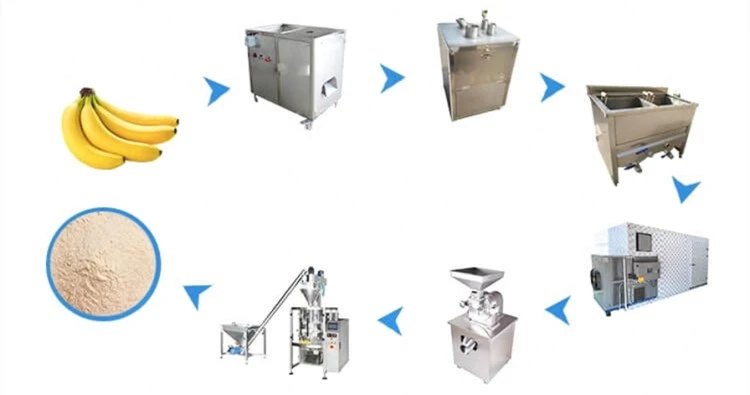
How Is Banana Powder Produced? Step-by-Step Process Explained
The production process starts with choosing the right materials. The type of banana, how ripe it is, and quality standards affect the end product. Ecuador, the Philippines, and India are some of the top-producing countries. Each one has its own special taste because of the different types of bananas grown there and the ways they are grown.
Raw Material Preparation and Processing
Initial preparation includes washing, peeling, and slicing in clean conditions that are under control. To stop chemical browning, the fruit is treated right away, usually with natural vitamins or methods that control the environment. During this very important stage, quality control teams keep an eye on the sugar content, acidity levels, and microbial factors.
Dehydration Technologies and Quality Control
To meet the needs of different products, modern facilities use a range of drying methods. Spray-drying makes the particles all the same size, which is great for drinks, and freeze-drying keeps the nutrients for high-end drinks. In bulk situations where modest nutrition preservation meets cost goals, vacuum drying is an affordable option.
Temperature tracking systems keep exact control during the drying cycle. This stops the temperature from getting too high and hurting sensitive substances. Continuous moisture analysis ensures that the ending is always the same, and particle size analysis makes sure that the standards for regularity are met. These quality control steps let makers get the same results in every batch of production.
Post-Processing and Packaging Operations
After drying, the material is processed in a controlled way to get the particles to the right size and shape. While making sure that everything is spread out evenly, sieving systems get rid of bits that are too big. Advanced packing plants use nitrogen washing and moisture barrier materials to keep the purity of the product during storing and shipping phases.
Key Applications and Market Use Cases of Banana Powder
This ingredient can be used in a lot of different industries, with each one using its own unique qualities to make their products work better. Procurement workers figure out the best specs for their needs when they understand how these apps work.
Food and Beverage Manufacturing Applications
To add natural sweetness and a creamy flavor, beverage makers add organic banana powder to protein shakes, smoothie mixes, and nutritional drinks. Because this ingredient is great at keeping the taste and nutrition uniform when used in quick drinks, it is perfect for recipes where those two things are very important. The powder naturally binds things together and holds on to wetness, which is useful for bakery uses. This means that products last longer on the shelf and don't need to have as many man-made chemicals added to them.
Infant feeding is a fast-growing market, and banana powder's mild taste and easy-to-digest carbs make it a great choice for goods that support the growth of babies and young children. Regulatory compliance in this field requires the highest quality standards, including bacterial verification methods and tests for heavy metals.
Nutraceutical and Dietary Supplement Formulations
The potassium content and prebiotic fiber content of banana powder are valued by the supplement business. The ingredient is used by formulation scientists in goods that refill electrolytes, help with gut health, and provide energy for sports. The powder's suitability with different packaging technologies allows flexible dose form development while keeping bioactivity levels.
Cosmetic and Personal Care Applications
Skincare products use banana powder because it is a vitamin and gently removes dead skin cells. The natural enzymes in this ingredient gently break down skin cells, making it safe to use on sensitive skin. Plus, the potassium in the ingredient helps keep skin moist and supports the barrier that protects skin from the environment. The clean label attractiveness and customer recall factors of the chemical are especially important to companies that make personal care products.
Comparing Banana Powder With Alternative Banana Products
Knowing the differences between banana-based products helps people make smart choices about where to buy based on cost and how the ingredient will be used.
Banana Powder Versus Banana Flour
Both goods come from bananas, but they are made in different ways and have different properties. Banana flour is usually made from green bananas that have more resistant starch. This makes the flour good for gluten-free baking and managing blood sugar. The flour has a different flow behavior and needs to be handled in a certain way when the recipe is being made.
Banana powder dissolves better and has a stronger taste than banana extract, so it is better for drinks and flavoring systems. The difference in price between these goods is due to how complicated it is to make them and how much the target market wants them. Specialty uses often support higher prices for better usefulness.
Organic Versus Conventional Production Standards
Organic banana powder sells for a lot more because of the higher costs of approved growing methods and better tracking standards. The organic market keeps growing because people want clean name goods. But traditional production usually offers more constant supply access and lower prices for cost-sensitive uses.
Procurement Insights: Buying Banana Powder in Bulk for B2B Needs
Clear standard development and thorough seller review are important for buying strategies to work. The global supply chain has a lot of different ways to get things, and each one has its own pros and cons when it comes to building long-term partnerships.
Supplier Selection and Quality Assurance
Top producers keep supply lines that connect farms to processing plants. This makes sure that production tracking and quality control are in place. GMP, HACCP, and ISO standards are examples of certification requirements that guarantee a certain level of quality. Other certifications, like organic, non-GMO, and fair trade, go beyond these standards to meet the needs of specific markets.
A way to test samples should include microbial proof, nutritional analysis, and organoleptic testing. Supplier audit programs make it easier to handle relationships and start continuous improvement projects that help both sides by making products better and speeding up business processes.
Packaging and Logistics Considerations
Multi-layer paper bags to hard boxes are some of the bulk packing options. The choice depends on how long the items will be stored, how they will be handled, and how much protection they need from wetness. To keep products in good shape and make them last longer, advanced packing uses air shields and drying methods for long-term keeping.
Humidity-controlled shipping must be planned in logistics, along with changes in the shipping season. Strategic inventory management balances the costs of having inventory with the security of supply. This is especially important for producers with set production plans and quality needs.
Bolin Biotechnology: Your Trusted Partner for Premium Banana Powder Solutions
Since 2012, Shaanxi Bolin Biotechnology Co., Ltd. has become a top company in making plant extracts. The way we make banana powder blends old understanding of plants with the newest technologies in processing. This ensures that our ingredients are always high-quality and meet the needs of today's industries.
Our factory for making banana powder has very strict rules for quality control during the whole production process. We use modern spray-drying and freeze-drying methods to keep as many nutrients as possible and get the exact physical properties needed for a range of uses. Every batch is tested carefully, including checking for wetness, bacterial proof, and nutritional profiling to make sure they meet global quality standards.
The Bolin Biotechnology technical support team works closely with customers to create unique formulas and specs that make products work better. Our adaptable production skills can handle different particle sizes, moisture levels, and packing types to make sure that the needs of each individual application are met. We are able to help make sure that nutraceuticals, healthy foods, or cosmetics are successfully developed and introduced to the market.
Quality approvals like GMP, ISO, and organic standards show our dedication to doing great work and following the rules. Our supply chain management system makes sure that we always have what we need and that we can keep our prices low for people who need to buy things in bulk. Bolin Biotechnology is the best choice for banana powder buying because they have technical knowledge, ensure quality, and provide great customer service.
Conclusion
Manufacturers looking for natural, useful ingredients that are already popular with customers can get a lot out of banana powder. The production methods of today make it possible to always offer uniform quality while keeping the taste and health benefits of this food that make it appealing in a range of industries. Procurement workers who understand the technology specs, app needs, and buying factors in this guide are able to make smart choices that help with both product development and market success.
As processing methods and quality standards keep changing, banana powder will stay a useful and current material for creative makers. In competitive markets where quality, consistency, and dependability decide market leadership, long-term success depends on strategic supply relationships, thorough quality assurance programs, and ongoing technical support.
FAQs
What distinguishes banana powder from banana flour in terms of industrial applications?
Banana powder is made from grown bananas and dissolves better than other powders. It is also naturally sweet and has a strong taste, which makes it great for drinks and flavoring systems. Banana flour uses green bananas that have more starch in them, which gives them different flow qualities that work well for gluten-free baking and blood sugar control recipes.
How do different drying methods affect the nutritional content and functionality of banana powder?
While spray-drying makes the particle sizes even, which is good for drinks, freeze-drying keeps the most heat-sensitive vitamins and medicinal chemicals. When modest nutrition preservation meets cost goals, vacuum drying is a cheap way to process large uses. Each way makes different physical and chemical changes.
What quality certifications and testing protocols are essential for banana powder procurement?
GMP, HACCP, and ISO norms are important licenses for making sure that a certain level of quality is met. Other standards, like organic, non-GMO, and fair trade, meet the needs of certain markets. Microbiological verification, heavy metal analysis, moisture content determination, and nutritional profile are all critical testing methods that make sure products are safe and follow the rules.
Partner with Bolin Biotechnology for Superior Banana Powder Solutions
Learn how our high-quality banana powder can help you make better products and get ahead in the market. Bolin Biotechnology uses cutting-edge production technology and decades of experience with plant-based extraction to offer reliable, high-quality products that go above and beyond the standards of the industry. From the start of design development to the growth of commercial production, our expert team offers full help during the development process.
See how quality, dependability, and new ideas can help your supply line. We encourage you to look through our many banana powder products and find ways to customize them that will meet the needs of your particular purpose. Get in touch with our team today to talk about our cheap banana powder provider programs, ask for samples, and go over technical details. To start working with a trustworthy banana powder maker who wants you to do well, email us at sales1@bovlin.com.
References
Rodriguez-Martinez, A. et al. "Processing Technologies for Banana-Based Functional Ingredients: Impact on Nutritional Quality and Bioactivity." Journal of Food Science and Technology, 2023.
Chen, L. and Thompson, R. "Industrial Applications of Dehydrated Fruit Powders in Nutraceutical Formulations." Food and Bioprocess Technology International, 2022.
Kumar, S. et al. "Quality Assessment and Standardization of Banana Powder Production Methods." International Journal of Food Processing, 2023.
Williams, K. and Anderson, M. "Functional Properties of Banana-Derived Ingredients in Food Manufacturing." Food Chemistry and Processing Review, 2022.
Zhang, Y. et al. "Comparative Analysis of Drying Methods on Bioactive Compound Retention in Tropical Fruit Powders." Journal of Agricultural and Food Chemistry, 2023.
Morrison, P. and Lee, H. "Supply Chain Management and Quality Control in Botanical Ingredient Manufacturing." Industrial Biotechnology Quarterly, 2022.