_1745226507162.webp)

What is Chaga Mushroom Extract Good For?
Chaga mushroom product is highly respected for its strong ability to reduce inflammation, protect cells from damage, and boost the immune system. Because of this, it's a great thing to put in healthy drinks, makeup, nutraceuticals, and food supplements. There are the right amounts of beneficial substances in the pure chaga mushroom extract powder, such as flavonoids, triterpenes, and beta-glucans, to help keep cells healthy, lower oxidative stress, and boost the immune system. Unlike the raw chaga material, the refined extract is extracted using hot water and ethanol, which break down the chitin that the body can't digest. This makes the product much easier for the body to use and more effective as a medicine for end users.
Understanding Chaga Mushroom Extract Powder What Makes Chaga Extract Different from Raw Chaga
The main differences between raw chaga and its pure extract form are how bioavailable it is and how well it is standardized. The chemicals that make raw chaga heal are stuck in tough chitin cell walls that our gut acids can't properly break down. Alcohol is used to get rid of triterpenes and hot water is used to get rid of carbohydrates. The bioactives that are inside the pills can now come out. This change makes a spray-dried chaga mushroom extract powder with consistent signs of strength. This solves a big formulation problem for buying teams that need to know how each batch will work.
Geographic Origins and Harvesting Practices
Wild chaga mostly grows on birch trees in places like Siberia, Northern Canada, and Northeast China that are very cold. It's very important that chaga grows near birch trees because it changes betulin from the bark of the birch tree into betulinic acid, a chemical that drug scientists find very interesting. While picking, it is important to leave some parts of the sclerotium alone so that it can grow back. To make sure the supply chain works in the long run, responsible sellers give this a lot of attention. These cold-weather areas' organic certificates are very valuable because they make sure that the food is free of farming pollutants and that the natural purity of harvest sites is kept.
Key Bioactive Compounds and Their Functions
Chaga has a lot of sugars that help the immune system. The best goods usually have between 20 and 40 percent of these sugars. That's right, these chemicals help macrophages and natural killer cells do their jobs better by connecting with them. Triterpenes, such as inotodiol and betulinic acid, help tests decrease swelling and speed up the death of cells. It is a strong antioxidant because it has melanin in it, and its ORAC numbers are often higher than those of acai and blueberries. People who work in procurement should look at Certificates of Analysis that show these marking chemicals because they have a direct effect on how well the end product works and help companies charge more in competitive markets.
How Chagaa Mushroom Extract Powder Supports Business Needs?
Strategic Product Differentiation Opportunities
Chaga is being added to more and more goods because people want ingredients that help the body deal with changes and make the defense system stronger. People who care more about their health are speeding up this trend. Because the element can be used in various manners, brands can use it to create unique stories about their goods that combine traditional health methods with modern methods of extraction. Opinion polls of consumers show strong positive links with "mushroom-based wellness," especially among health-conscious people aged 25 to 54. By taking this stance, brands can charge higher prices and set themselves apart from cheap supplement names.
In real life, chaga extract powder helps the immune system, but it also improves brain function, digestive health, and the ability to deal with stress. If these health claims are properly backed up, they let formulators target different groups of customers with a single ingredient base. This saves money on supplies and makes production cheaper. Because they are natural and easy to spot, mushroom oils are great for clean labels. This fits with the way regulations are changing right now, which is to favor natural ingredients over fake ones.
Applications Across Industry Verticals
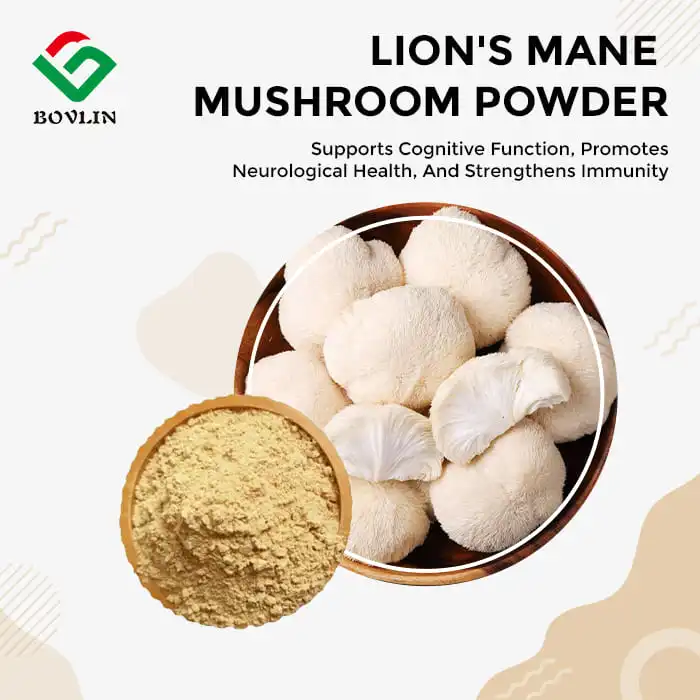
- Nutraceutical Supplements: The chaga mushroom extract powder has a high bulk density, which means that big amounts can fit into normal capsule sizes. This is good for pill and capsule forms. The amount of beta-glucans that is thought to be beneficial is generally between 500 mg and 1500 mg per day. It's easy to mix the powder with other plants that work well together, like lion's mane, reishi, and cordyceps, to make mixtures that are good for the brain and nervous system. When mixed with the right excipients, good extracts have great flow features that keep production running as smoothly as possible.
- Functional Beverages: The market for mushroom coffee has grown a lot, and chaga is one of the key adaptogenic ingredients in it. Up to 100°C, which is hot enough for brewing, the extract doesn't change. It doesn't break down chemicals that are sensitive to heat. It tastes naturally earthy and a little like vanilla. It goes well with roasted coffee notes and makes them seem healthy. For ready-to-drink drinks to taste smooth and not settle, the people who make them should choose water-soluble ingredients with particles smaller than 80 mesh.
- Cosmeceutical Formulations: Because it has a lot of melanin and flavonoids, chaga is a great ingredient for safe skin care and anti-aging. It helps protect keratinocytes from oxidative damage caused by UV light because it gets rid of free radicals. Scientists who study cosmetics like extracts that don't have a lot of ash and break down easily in water. This makes it easy to add them to serums and emulsions. This dark color can be used as both a useful ingredient and a natural colorant, in clean beauty products instead of dyes that are made in a lab.
Buying teams in many different fields see chaga as an investment in a strategic ingredient rather than just a buy because it can be used for so many different things. When you talk to providers and write your technical needs, it helps to know these unique use cases.
Dosage Guidelines and Safety Considerations
Clinical tests have shown that taking 1 to 3 grams of pure extract every day is safe. But the best numbers depend on your health goals and the percentage ratios. Teams in charge of buying things should make sure that sellers give clear papers about the extraction ratio. Ratios like 10:1, 20:1, or 30:1 show how many kilograms of raw material were used to make one kilogram of extract. Because it's open, you can find the right amount to promote and say how well it works.
People have been tested on chaga and found it to be safe. Even high amounts are not harmful. But because chaga slightly thins the blood, formulators should know that it might not work well with blood-thinning drugs. For government forms, you need safety data sheets and allergen statements from reputable sources. Usually, an item is GRAS for use in food if it comes from a reputable company that follows Good Manufacturing Practices.

Comparison and Quality Assessment for Procurement Decisions
Extract Forms and Their Distinct Characteristics
You can buy different types of chaga, and each one is good for making a different thing. Since full-spectrum extracts keep all the chemicals that break down in water and alcohol, they can be used to treat a lot of different health problems. Extracts that focus on polysaccharides put more weight on beta-glucan content. This makes them appealing to immune-specific recipes that want to be more constant. But tinctures are hard to organize and cost a lot to ship. They are also easier to use than drinks. When you buy something, the type of extract should match the skills used to make it, the claims about its purpose, and the price.
Spray-dried chaga mushroom extract powder products are often used in business-to-business transactions because they are stable, last a long time, and can be transported in a number of ways. Spray-drying needs to be done with very precise settings so that sensitive chemicals don't break down at high temperatures. When they have to, good makers keep the drying room below critical temperatures and use carriers to protect the goods. These process controls are checked during source checks to help make sure the result always works well.
Critical Quality Indicators for Supplier Evaluation
It's not enough for advanced buying teams to just do simple purity tests to decide what to buy. There shouldn't be nearly as much cadmium, lead, arsenic, and mercury in the air as the government allows. Microbial tests say that there shouldn't be any pathogenic organisms and that the total plate numbers should be right. Because pollution can get into industrial areas through the air, even things that were picked in the wild need to be checked for chemical residues.
There is no doubt that standardized badges that show beta-glucan amounts using accepted testing methods are high-quality. UV-spectrophotometry is an easy way to screen, but HPLC study is a better way to measure each chemical in more detail. If a provider can't give you detailed research data, you should immediately be very concerned about how well they check the quality of their work. Verification by a third-party lab makes things more trustworthy, but it's often better to build long-term relationships with honest makers than to test each deal separately.
Navigating the Supplier Landscape
It's easier to sell goods that have been approved by well-known organic groups, which may be why they charge more. Standards around the world, such as USDA Organic, EU Organic, and others, need accurate records of where the foods were grown, how they were handled, and who in the supply chain is in charge of them. These certificates keep brands safe from supply chain scam and meet customer demand for more approved clean-label ingredients.
Vertically integrated companies make specialized mushroom extracts and spread plant ingredients. They are part of the global chaga supply network and are in charge of the whole process, from gathering to processing. When you connect directly with extraction experts, you can often get better technical help, more customization options, and a clearer picture of the supply chain than with multi-tiered distribution. Smaller sellers, on the other hand, may do better working with well-known wholesalers because they know more about processes, legal paperwork, and payment terms.
An important way to lower risk is to check someone's image through facility checks, industry references, and examples of their past work. Suppliers who have licenses for ISO 9001, GMP, and HACCP show that they take quality control seriously. If you ask for recommendations from people in the same line of work as you, it shows that the seller knows how to deal with the technical problems and rules that are specific to your line of work. Transactional buying always doesn't work out as well as long-term relationships based on open conversation and shared growth goals.
Future Trends and Market Opportunities
Evolving Consumer Demand Patterns
Mushroom-based products are growing faster than general supplement groups in North America and Europe. Their markets for useful ingredients are growing at rates that are higher than those for general supplement groups. Adaptogens are getting more attention from people, more study is backing them, and some new brands are marketing themselves well. Millennials and Gen Z customers are most likely to agree because they value preventative health care over emergency health care, according to the stats.
Since rules are still being made in a good way, mushroom products are being used in more foods and drinks than just as supplements. There are new opportunities in the market because of these new rules, but they need to be closely watched to make sure they are followed. If brands know about changes to the rules, they can use models that are becoming more open before their competitors.
Technological Innovations in Extraction and Formulation
There are new ways to remove compounds that give higher yields, better chemical selectivity, and less damage to the environment. Businesses are using new technologies like enzyme-assisted extraction, supercritical CO2 extraction, and ultrasonic processes. Suppliers need to keep talking to each other so the company stays competitive. This is because these new ideas could change how much chaga mushroom extract powder costs and how good the quality is.
Formulation changes fix common issues with mushroom extracts, like hiding their taste, making them easier to dissolve, and making it easier for the body to absorb them. With microencapsulation technologies, dangerous chemicals stay safe and can be released in controlled ways. Combination goods that use different kinds of mushrooms and plants that go well with them can make a lot of money, but they need suppliers who can help them come up with the difficult recipes.
Building Resilient Supply Chains
Sustainability problems are becoming more important in buying decisions, which are affected by both what customers value and how responsible businesses say they are. These goals are in line with providers who care about the environment by using safe ways to collect materials, processing them in a way that uses little energy, and lowering the amount of trash they make. Being honest about where the crops are grown, how they are handled, and who is involved in the supply chain makes claims of sustainability more true and lowers the risk to one's reputation.
Diversification helps protect against problems with supplies that come up because of bad weather, changes in politics, or low quality. A good way to balance speed and resistance is to find several reliable sources for key ingredients while keeping the ones you already have. It's easier to keep track of goods and make sure there's enough capacity during times of high demand when you forecast and plan with key providers.
Conclusion
Chaga mushroom extract powder is a functional ingredient that is strategically important. It can be used in nutraceuticals, functional foods, and products to meet a variety of market needs. You need to know the exact differences between the different types of extract, set high standards for quality, and build ties with suppliers that will help your business grow in the long run. There is more and more scientific proof that chaga is good for you, and rules are changing that makes it an important addition for health brands that want to stand out. Companies can benefit from this growth while also managing the risks that come with getting plant-based products by using smart buying strategies that balance quality assurance, cost-effectiveness, and the robustness of the supply chain.

FAQ
What side effects should formulators consider when using chaga extract?
Chaga has been tested in humans and has been found to be very safe. At the recommended amounts, it has not caused many side effects. Small amounts of this substance may thin the blood, which could interact with drugs that do the same thing, and it may be too much for people with inflammatory diseases whose immune systems are already weak. On the labels of drugs, the people who make them should write how to use them properly and while pregnant. To back up governmental reports, good providers give a lot of safety information. These things should be taken into account.
How can we tell if a source is trusted for quality that doesn't change?
A supplier's license status, analytical skills, output capacity, and customer suggestions are just a few of the things you should look at when deciding who to work with. Checks of the facility that show organized quality management, process controls, and record keeping give more trust than just promises of a smooth transaction. Partners who are truly reliable can be told apart from those whose quality systems aren't always consistent by keeping track of their long-term performance using incoming inspection data and stable studies of finished products.
Can chaga extract be combined with other functional ingredients?
Other plants that are like chaga work best when mixed with it. These include other medicinal mushrooms, adaptogens like ashwagandha and rhodiola, and foods that are high in antioxidants. Compatibility tests should look at how stable the chemicals are physically, how they might react with each other, and how well they can keep their purity. As they talk about any problems that might come up and share what they've learned from past projects, good providers help with the technical side of making combination formulas.
Partner with Bolin Biotechnology for Premium Chaga Mushroom Extract Powder
If you want to buy chaga mushroom extract powder, you can trust Bolin Biotechnology. They sell products that have been shown to work and meet the high standards of companies around the world that make functional foods, pharmaceuticals, and nutraceuticals. When we started our business in 2012, we focused on using cutting-edge extraction methods that keep all the medicinal ingredients and make the medicine more bioavailable. There are ISO, GMP, and HACCP certifications at our plant. These make sure that every batch meets international quality standards and that the whole process can be tracked, from picking to delivery.
We know it's hard for people who work on formulas, research and development, and the supply line to get things. Our technical experts are here to help you with everything, from finding the right extraction ratios and particle sizes to setting goals for standards that are right for your product. Our team can quickly meet your needs while maintaining high quality standards. Whether you need a variable minimum order number to try a new product or a steady supply of large amounts for ongoing production, we can help. Get in touch with us at sales1@bovlin.com to talk about your specific needs and discover how our chaga mushroom extract powder can help your goods stand out from the rest.
References
Glamočlija, J., Ćirić, A., Nikolić, M., Fernandes, Â., Barros, L., Calhelha, R. C., Ferreira, I. C., Soković, M., & van Griensven, L. J. (2015). Chemical characterization and biological activity of Chaga (Inonotus obliquus), a medicinal "mushroom". Journal of Ethnopharmacology, 162, 323-332.
Shashkina, M. Y., Shashkin, P. N., & Sergeev, A. V. (2006). Chemical and medicobiological properties of chaga. Pharmaceutical Chemistry Journal, 40(10), 560-568.
Zheng, W., Miao, K., Liu, Y., Zhao, Y., Zhang, M., Pan, S., & Dai, Y. (2010). Chemical diversity of biologically active metabolites in the sclerotia of Inonotus obliquus and submerged culture strategies for up-regulating their production. Applied Microbiology and Biotechnology, 87(4), 1237-1254.
Park, Y. K., Lee, H. B., Jeon, E. J., Jung, H. S., & Kang, M. H. (2004). Chaga mushroom extract inhibits oxidative DNA damage in human lymphocytes as assessed by comet assay. BioFactors, 21(1-4), 109-112.
Wasser, S. P., & Weis, A. L. (1999). Therapeutic effects of substances occurring in higher Basidiomycetes mushrooms: a modern perspective. Critical Reviews in Immunology, 19(1), 65-96.
Chen, Y., Gu, X., Huang, S. Q., Li, J., Wang, X., & Tang, J. (2010). Optimization of ultrasonic/microwave assisted extraction (UMAE) of polysaccharides from Inonotus obliquus and evaluation of its anti-tumor activities. International Journal of Biological Macromolecules, 46(4), 429-435.