_1745226507162.webp)

Kava extract is a pure herbal product made from Piper methysticum, a plant that has been used for more than 3,000 years in ceremonies and as medicine in the South Pacific, where the plant grows naturally. This standardized extract has kavalactones in it. These are the main bioactive chemicals that make kava able to relieve anxiety and relax muscles. There has been a lot of growth in kava-based goods in the global nutrition market because people want more natural ways to deal with stress and are looking for plant medicines that are backed by evidence. Kava extract is a desirable ingredient for food supplements, functional drinks, and pharmaceutical uses because modern extraction methods enable producers to produce regular formulas with stable strength levels.
Understanding Kava Extract: Definition, Composition, and Effects
The plant's scientific name, Piper methysticum, means "intoxicating pepper." This reflects how the plant has traditionally been used by cultures in the Pacific Islands. Modern extraction methods use the stem because it has the most active chemicals. In contrast to the old way of making kava by grinding fresh roots, modern methods like CO2 extraction, ethanol extraction, and water-ethanol mixtures are used to concentrate the kavalactones.
Active Compounds and Bioactivity
Kavalactones are the main ingredients that make kava a medicine, and six of them have been found in high-quality extracts. Kavain is the most common kavalactone and usually makes up 15% to 20% of the total kavalactone amount. Dihydrokavain and yangonin help reduce anxiety, and methysticin and dihydromethysticin help relax muscles. Desmethoxyyangonin adds to the main kavalactone makeup and improves its total effectiveness by adding benefits that work together with the other kavalactones.
Mechanism of Action
Kava lactones interact with gamma-aminobutyric acid (GABA) receptors in the central nervous system, supporting calm without compromising brain function, according to research. Unlike benzodiazepines, kava substances do not bind directly to GABA receptors. Instead, they change how they work through allosteric mechanisms. This unique action profile lets people feel less anxious while keeping their mental focus and balance. Standardized extracts with 70-80% kavalactones have been shown in clinical tests to lower anxiety levels within 30-60 minutes of taking them.
Health Benefits and Safety of Kava Extract
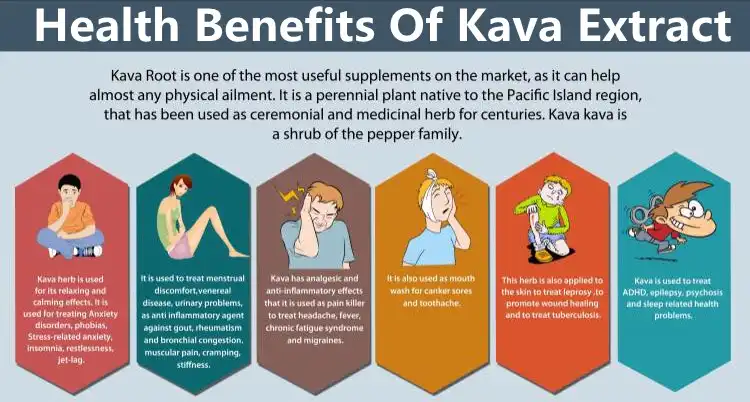
A lot of clinical study has been done on kava root extract's medicinal uses, especially for helping people with nervousness and trouble sleeping. A thorough review of randomized controlled studies showed a huge drop in anxiety compared to sham groups, with effect sizes similar to those of standard calming drugs. The extract's lack of addiction-forming properties makes it especially useful for long-term plans to deal with worry.
Evidence-Based Applications
Clinical studies have shown statistically significant increases in Hamilton Anxiety Rating Scale scores, supporting the usefulness of kava in the treatment of generalized anxiety disorder. Several studies have shown that sleep quality gets better, with subjects stating that it takes them less time to fall asleep and that they sleep for longer periods of time. Another well-known benefit of the extract is that it can help relieve muscle tightness, which makes it useful for dealing with physical signs of stress.
Safety Profile and Risk Management
Hepatotoxicity issues have been linked to some kava preparations. This shows that quality assurance methods are very important for making sure that products are safe. European regulators found that harmful effects on the liver were mostly linked to non-traditional ways of making extracts from plants that grow above the ground. When good sources provide noble kava types, they are safe when harvested using standard water-based or food-grade ethanol methods. For business use, standardized extracts with confirmed kavalactone levels and heavy metal tests offer extra safety guarantees.
Comparing Kava Extract with Other Herbal Supplements
When B2B anxiety-relief products are made, botanicals are often looked at as a group by sourcing experts. Knowing about comparison benefits helps with strategy buying and product development.
Kava Extract versus Valerian Root
Valerian root mainly helps sleep problems by affecting the GABA system. On the other hand, piper methysticum extract works in a wider range of situations, including managing nervousness during the day without making people sleepy. Standardized kava extracts keep neutral organoleptic qualities suitable for different delivery methods, whereas Valerian's unique smell presents manufacturing difficulties. According to market studies, people who want to relieve their nervousness prefer kava-based products more than other types of goods.
Legal Status and Regulatory Considerations
Rules for business vary a lot between countries. This makes compliance review very important for global marketing. The United States sees kava as an ingredient in food supplements, which means that when the FDA oversees kava trade, there are no restrictions on it. Europe's markets have different rules. Germany and the UK ask for certain safety papers. Australia has strict rules on what can come into the country, but Canada allows kava goods that meet the standards of the Natural Health goods Directorate.
Procurement Insights: Sourcing Quality Kava Extract for B2B Buyers
Strategic buying needs a deep look at the skills of suppliers, product details, and ways to make sure quality. Procurement programs that work well put providers who show regular quality, reliable supply lines, and strong recording practices at the top of their lists.
Quality Indicators and Specifications
High-quality kava extracts should make it clear how much kavalactone they have, usually between 30% and 95%, based on what they will be used for. Kava lactone profiles, heavy metal screens, bacteria tests, and residue liquid analysis must all be included in the Certificate of Analysis paperwork. Suppliers need to give tracking paperwork that connects finished extracts to certain source areas and harvest batches.
Supplier Evaluation Criteria
When it makes sense, top providers keep certifications like Good Manufacturing Practices (GMP), ISO 22000 food safety management, and organic approval. Third-party quality checks, production site visits, and records of compliance with rules all show how reliable suppliers are. Premium sellers have better technical support, like help with formulation and stable tests. This sets them apart from cheap providers.
When it comes to geographic sources, traditional growing areas like Vanuatu, Fiji, and Hawaii are preferred. These are places where fine kava types have been grown using environmentally friendly farming methods. As more and more people know about where products come from, it is more and more important for companies to be honest about their supply chains. Suppliers that stay in touch with farmers usually provide better product and tracking.
Premium Kava Extract Solutions from Bolin Biotechnology
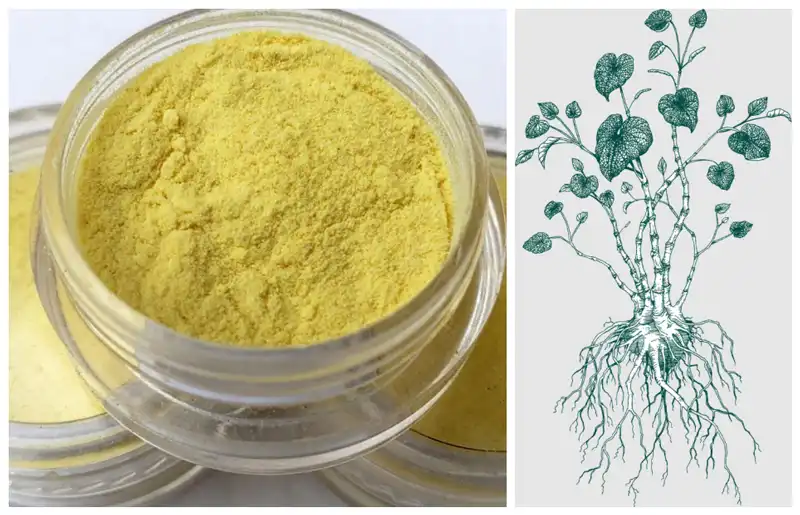
Bolin Biotechnology makes high-quality kava extract powder for nutraceuticals, useful foods, and cosmetics. Our state-of-the-art extraction methods use supercritical CO2 technology to make standard extracts with very high purity and uniform kavalactone profiles.
Product Range and Customization
Our wide range of products includes water-soluble kava extracts for drinks, powders that are good for packaging that are used in food supplements, and custom-made formulas for skin use. With custom extraction services, clients can choose exact kavalactone levels and carrier systems that are suited to their needs. Quality control procedures go beyond what is normal in the business. Before they are released, each batch has to go through detailed scientific testing.
Certifications and Compliance
Bolin Biotechnology is certified by ISO 9001, GMP, and HACCP, which makes sure that all of their products are the same high standard. Checking the raw materials, keeping an eye on the process, and making sure the result is good are all parts of our quality control system. Regulatory support services help people understand the difficult rules that differ from country to country by giving them the paperwork they need to register their products and enter the market.
Conclusion
Kava extract is a plant-based ingredient that has been shown to work properly and has a lot of promise for use in many different types of businesses. Because it has been used historically for these purposes, it has been proven to work in clinical studies, and it can be easily extracted with modern technology, kava is a great ingredient for products that are meant to help with stress and anxiety. To buy successfully, you need to carefully rate your suppliers, make sure you know what quality means, and plan how to follow the rules. Businesses that focus on building strong relationships with suppliers and learning everything they can about the products they sell will be able to take advantage of the growing market in natural health solutions.
FAQs
What is the optimal kavalactone concentration for dietary supplements?
Standardized extracts containing 30% to 70% kavalactones are used in most commercial food supplements because they are cheap and work well. Higher amounts might be useful for specific pharmaceutical uses that need very exact dose methods.
How long do the effects of kava extract typically last?
Anxiolytic effects start within 30-60 minutes of taking the drug and usually last for 4-6 hours, according to clinical studies. Duration changes with metabolism, dose, and quantity of extract.
What minimum order quantities should B2B buyers expect when sourcing kava extract?
Standardized extracts require a minimum order of 25 to 100 kilos from most sources. Custom blends need even more, since they take more time and effort to make. Sample amounts are usually on hand so that they can be tested and evaluated right away.
Partner with Bolin Biotechnology for Premium Kava Extract Supply
Are you ready to add high-quality kava extract to your product line? If your company is looking for a trusted kava extract provider, Bolin Biotechnology can help. Our expert team helps with composition, compliance, and finding ways to make sure you always have enough of what you need for your market. We welcome procurement managers and product creators to look through our long list of standard plant extracts and custom manufacturing options. To talk about your project's needs and ask for more information about our products, please email us at sales1@bovlin.com.
References
Sarris, J., et al. (2020). "Kava for generalized anxiety disorder: A systematic review and meta-analysis." Journal of Clinical Medicine, 9(11), 3381.
Wheatley, D. (2005). "Medicinal plants for insomnia: A review of their pharmacology, efficacy and tolerability." Journal of Psychopharmacology, 19(4), 414-421.
Pittler, M.H., & Ernst, E. (2003). "Kava extract for treating anxiety." Cochrane Database of Systematic Reviews, (1), CD003383.
Clouatre, D.L. (2004). "Kava kava: Examining new reports of toxicity." Toxicology Letters, 150(1), 85-96.
Jhoo, J.W., et al. (2006). "Structure-activity relationship of kavalactones from Piper methysticum for anxiolytic activity." Planta Medica, 72(5), 421-426.
Singh, Y.N., & Singh, N.N. (2002). "Therapeutic potential of kava in the treatment of anxiety disorders." CNS Drugs, 16(11), 731-743.