_1745226507162.webp)

What is Oil soluble chlorophyll used for?
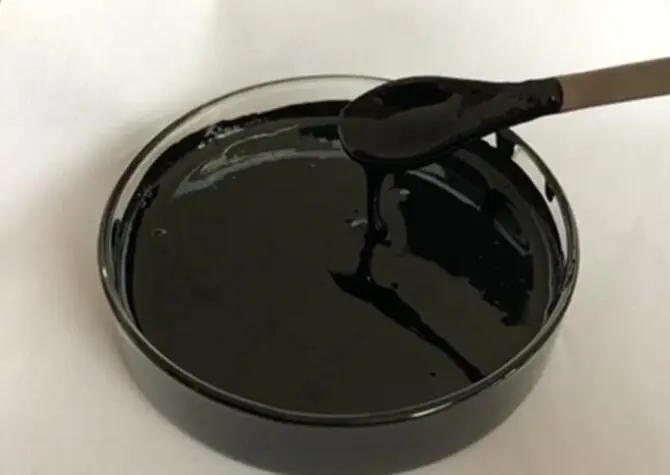
Oil soluble chlorophyll is a natural plant-derived pigment with the unique property of dissolving in fats and oils rather than water. We extract this vibrant green compound predominantly from sources like alfalfa, spinach, and other chlorophyll-rich plants through controlled solvent extraction and purification methods. Its oil compatibility makes it invaluable across nutraceuticals, functional foods, cosmetics, and pharmaceutical formulations where lipid-based systems dominate. The compound delivers dual benefits—it acts as both a natural colorant providing appealing green hues and a functional ingredient offering antioxidant, anti-inflammatory, and detoxifying properties. Understanding what oil-soluble chlorophyll is used for helps procurement professionals identify optimal applications aligned with formulation goals and market demands.
Understanding Oil Soluble Chlorophyll: Definition and Properties Chemical Structure and Extraction Process
Chemically, oil-soluble and water-soluble chlorophyll are different because of changes in their molecules. Oil-soluble chlorophyll keeps the magnesium center and phytol tail of the natural molecule, which lets lipids join together. We make this ingredient by carefully extracting it with food-grade liquids, then filtering and concentrating it in a way that keeps its bioactivity while getting rid of any impurities. Strict quality standards are followed during the production process to make sure that the amounts of potency are always the same. This is usually checked using spectrophotometric analysis at certain wavelengths. This level of technical accuracy is very important to formulators whose end goods need to be consistent from batch to batch.
Key Physical and Functional Attributes
There are a few things that make oil-soluble chlorophyll unique, which affect its commercial use. The pigment stays brightly colored even when stored in the right way in lipid structures because it is very stable there. The porphyrin ring structure gives it antioxidant properties. It can fight free radicals and keep products from breaking down due to oxidation. Bioavailability is another benefit. The lipophilic nature makes it easier for absorption through intestinal walls when eaten with fats, which makes them more therapeutically useful than water-soluble versions. Observing that dose suggestions change based on the use, they usually range from 0.1% to 2% in cosmetics and from 50 mg to 300 mg per day in supplements, depending on the results that are wanted and the rules that apply.
Nutritional and Health Support Potential
This plant ingredient does more than just add color; it also has important nutritional value. According to research, chlorophyll helps the body's natural cleansing processes by attaching to certain chemicals in the digestive system. Wellness brands that focus on inflammation have become interested in it because of its anti-inflammatory qualities. The compound also has light deodorizing properties, which makes it a good choice for vitamins that keep you smelling fresh. These features that can be used for more than one thing are great for clean label trends and customer preferences for plant-based ingredients that have been shown to be good for them.

Industrial Applications of Oil Soluble Chlorophyll
Natural Colorant and Antioxidant in Food Systems
A lot of oil-soluble chlorophyll is used in the food and drink industry for flavoring purposes where oil compatibility is important. In places where manufactured colors are closely watched by regulators or turned down by consumers, like salad dressings, cooking oils, margarine, and oil-based sauces, natural dyes are widely used. The ingredient adds natural green tones without adding any other tastes. It meets clean-label standards that appeal to people who care about their health. In addition to looking nice, it has antioxidant qualities that keep lipids from going bad, which extends the shelf life and makes the product more stable during storage and distribution.
Functional food makers like that this plant colorant stays true to itself during processing. Formulations that are heat-stable can handle being pasteurized and cooked at reasonable temperatures without losing a lot of flavor. This stability is very important for nutrition bars, snacks with added nutrients, and ready-to-drink health drinks, because how they look directly affects people's decisions to buy them.
Cosmetic and Personal Care Applications
Skincare formulators like oil-soluble chlorophyll because it can be used for both beauty and health reasons. This part of the ingredient works well in oil-based serums, face oils, cleaning balms, and creams, where it helps calm and reduce inflammation. Its antioxidant properties help protect skin from external stresses and speed up the body's natural healing processes. This plant-based active is very useful for beauty brands that want to get natural and organic labels because it meets strict ingredient standards without lowering performance.
More and more people are interested in color products that contain chlorophyll. These include foundations and tinted creams, where the green pigment can cover up redness and be good for your face. The substance works well with many carrier oils, like jojoba, argan, and coconut. This gives formulators a lot of freedom to be creative when they're making new product lines.
Dietary Supplements and Pharmaceutical Preparations
The nutraceutical business is one of the biggest growing areas for chlorophyll that dissolves in oil. Because it is lipophilic, softgel pills and oil-based tinctures are better at absorption and bioavailability than powder or water-based options. Supplement companies that make products to help with cleansing, gut health, and antioxidant protection use this ingredient in complete formulas, often with other plants that work well together.
Pharmaceutical companies looking into botanical drug routes like the compound because it has a history of being safe and having biological actions that have been proven. Oil-soluble chlorophyll's multi-mechanism method can help over-the-counter medicines that treat small inflammatory conditions or offer nutritional support. Because the ingredient works with a lot of different delivery forms, like capsules, sublingual oils, and topical preparations, R&D teams have a lot of freedom when they're making focused medicinal goods.
How to Choose and Procure Oil Soluble Chlorophyll for B2B Needs
Quality Standards and Certification Requirements
Setting clear quality standards that are in line with the planned uses is the first step to successful buying. Acceptable levels for active chlorophyll content should be set by purity guidelines. This is usually done using standard assay methods. We suggest checking that sellers have up-to-date ISO 9001 quality management certification as well as credentials specific to their business, such as GMP (Good Manufacturing Practice) for supplement uses or HACCP (Hazard Analysis Critical Control Points) for food-grade materials.
Organic approval is becoming a bigger way to stand out, especially for companies that sell natural or environmentally friendly goods. Verification by a third party through USDA Organic, EU Organic, or similar programs gives buying teams trust in claims about where the food comes from. Certificates of analysis for each batch, heavy metal screening results, microbial testing data, and chemical residue records should all be part of the paperwork. These quality guarantees protect the brand's image and make sure that it follows the rules in all of its markets.
Supplier Evaluation and Comparison Criteria
When looking at possible chlorophyll providers, we don't just look at price; we also look at a number of other important factors. Manufacturing openness is important—reliable partners are happy to share their production methods, extraction methods, and quality control processes. Supply chain integrity is becoming more and more important to regulators and careful customers. Traceability systems that keep track of the flow of materials from where the raw botanicals come from to where they are packaged at the end show that the chain is honest.
The ability to provide technical help sets special sellers apart from commodity vendors. Having access to formulation experts, data from stability tests, and application advice helps buying teams get the most out of ingredients while avoiding expensive rounds of reformulation. We appreciate partners who send us samples to test for compatibility and keep the lines of communication open so we can answer technical questions as the product is being made.
There are different value arguments when you compare oil-soluble chlorophyll to options like chlorophyllin or water-soluble powders. Copper chlorophyll is cheaper and works with water, but it doesn't have the natural structure and lipid absorption benefits of versions that dissolve in oil. When buying something, people should think about these trade-offs along with the needs of the recipe and the tastes of the target market.
Logistics and Commercial Considerations
Strategies for buying in bulk have a big effect on the total cost of ownership. When you buy more than 100 kg, volume discounts usually start to make sense, but the exact levels depend on the seller and the market. We suggest making outline deals that weigh the costs of keeping inventory against the benefits of lower prices while also making sure that there is a steady supply to keep production going.
The specs of the packaging affect both how stable the product is and how easy it is to handle. Food-grade drums that are flushed with harmless gas keep food from going bad while it's being stored or moved. When ordering from specialized makers, it's important to plan ahead for the lead times that come with international orders. Knowing the necessary paperwork for customs, the fees for importing goods, and the steps for getting regulatory clearance can help you avoid costly delays that throw off your production plans.
Optimizing Product Formulations with Oil Soluble Chlorophyll
Stability Factors and Storage Conditions
To successfully add oil-soluble chlorophyll, you need to pay attention to stability factors that affect how well the plant works in the long run. Light exposure is the main way that things break down; photosensitivity causes colors to fade and potencies to decrease over time. We suggest using amber or dark materials for packaging and keeping them out of direct sunlight. Extreme temperatures can also affect stability. For best quality, store items between 15°C and 25°C; however, cooling can extend the shelf life of long-term stock.
The stability of chlorophyll in emulsion systems is affected by the pH level. Conditions that are neutral to slightly alkaline (pH 6–8) are best for stability, while conditions that are acidic speed up degradation. When formulators work with pH-sensitive materials, they need to do rapid stability tests to get a good idea of how long the product will last. Oxidative breakdown is sped up by oxygen entering through porous packaging or headspace in containers. This is why nitrogen cleaning and choosing the right containers are very important.
Integration Techniques and Compatibility
To get oil-soluble chlorophyll to spread out evenly, the right mixing methods must be used. When cooked slowly to 40–50°C with enough stirring, the ingredient melts easily in carrier oils. Homogenization equipment makes sure that the concentration of each large batch is the same, so there are no concentration differences that would make the product look different. In emulsion formulation, adding chlorophyll to the oil phase before emulsification gives better results than adding it after the fact.
During creation, compatibility with other mixture components needs to be checked. Some stabilizers, especially oxidizing agents, might not work well with chlorophyll's antioxidant qualities. The magnesium center can be changed by chelating agents, which could also change the color. When mixing chlorophyll with new ingredient systems or trying out new ways to make formulations, we suggest doing interaction studies.
Regulatory Compliance and Documentation
To meet regulatory standards in all target areas, thorough documentation processes are needed. The US Food and Drug Administration (FDA) says that chlorophyll is generally recognized as safe (GRAS) for use in food under certain situations. The Dietary Supplement Health and Education Act (DSHEA) says that supplement applications must follow certain labels and production rules. Food additive guidelines in the European Union spell out specific quality requirements and allowed uses.
Regional safety reviews must be met by cosmetic uses. For example, the EU Cosmetic Regulation needs technical files to prove safety, and the FDA keeps an eye on cosmetic ingredients through volunteer programs. Keeping safety data sheets, allergy statements, and regulatory status reports up to date makes it easier to check for compliance. We've found that sellers who provide regulatory dossiers that have already been put together make the work of the procurement and regulatory affairs teams a lot easier.
Benefits and Risks: What Procurement Should Know
Health and Functional Advantages
Oil-soluble chlorophyll has many health benefits that are in line with current fitness trends that are driving product development. Because it is an antioxidant, it protects against reactive stress, which is linked to a number of health problems. Clinical study supports chlorophyll's part in supporting detoxification pathways, but the exact mechanisms are still being studied. Because the chemical is anti-inflammatory, it could be used in skin care products or supplements that target inflammatory reactions that people take internally.
Because people are looking more closely at ingredient lists for synthetic additions, natural origin is a big business plus. People think positively about products that contain chlorophyll that comes from plants, especially those who care about health and the environment. Because of this, brands that focus on botanical products with proven historical use can stand out from the competition.
Chlorophyll's ability to get rid of smells has been used for a long time in internal freshness supplements, giving gentle support without using harsh chemicals. This useful quality creates niche market chances for targeted product development that meets specific customer wants with natural solutions.
Safety Profile and Risk Management
Although oil-soluble chlorophyll has a great safety record and few negative effects have been recorded in the literature, it is still important to be aware of these possibilities when purchasing. People who are allergic to source plants could still have allergic responses, though confirmed cases are very rare. Labeling that says plant sources protects people who know they are allergic while also meeting regulatory requirements.
Because chlorophyll absorbs light, it might interact with photosensitizing drugs, which is a theoretical worry. However, at normal supplement amounts, it doesn't seem to have much of an effect on patients. When it makes sense, we think that food supplement labels should have the right warnings written on them. To keep consumers safe and brands honest, quality control methods that stop contamination with herbicides, heavy metals, or microbial pathogens are still very important.
Professionals in charge of buying things should make sure that sellers test each batch for possible contaminants and keep strong quality systems in place to stop cross-contamination during production. These steps lower the risk of responsibility while showing that you did your research before choosing where to get your ingredients. Downstream customers who are checking the safety of ingredients are more likely to trust a company that is open about its buying practices, testing routines, and quality assurance measures.
Conclusion
Oil-soluble chlorophyll serves diverse industrial applications spanning nutraceuticals, functional foods, cosmetics, and pharmaceutical preparations. Its unique lipid solubility, natural origin, and multifunctional properties—including antioxidant activity, natural coloration, and health-supporting benefits—make it valuable for formulators seeking clean-label ingredients with documented efficacy. Successful procurement requires understanding quality standards, supplier evaluation criteria, regulatory requirements, and formulation considerations that influence product performance. The ingredient's excellent safety profile combined with growing consumer preference for plant-based alternatives positions oil-soluble chlorophyll as a strategic component for product innovation. By partnering with certified manufacturers offering technical expertise, consistent quality, and reliable supply capabilities, procurement teams can confidently integrate this versatile botanical ingredient into formulations that meet market demands while supporting brand differentiation objectives.
FAQ
How does oil-soluble chlorophyll differ from water-soluble forms?
The main change is in the shape of the molecules and how they dissolve. Oil-soluble chlorophyll keeps the natural magnesium-containing porphyrin structure and adds a lipophilic phytol tail that makes it possible to use in oil-based products. Chlorophyllin and other water-soluble forms are changed chemically by swapping magnesium for copper and getting rid of the phytol group. This makes sodium or potassium salts that dissolve in water. This difference in structure affects absorption, stability, and the right uses. Oil-soluble types work better in fatty mixtures and are better absorbed when eaten with fats, while water-soluble types work better in drinks and water-based supplements. Choice is based on the needs of the formulation and the transportation qualities that are wanted.
What should procurement teams prioritize when evaluating suppliers?
When evaluating a supplier, more than just price should be taken into account. Manufacturing certificates like ISO, GMP, and HACCP show that the quality system is mature and that the company can follow the rules. Traceability paperwork that shows where the botanicals came from and how they were used in the end product supports clean-label claims and makes sure that the supply chain is honest. Having access to technical support helps formulators get the most out of ingredients and solve problems with how they're being used. During seller qualification, you should ask for records of analysis that are special to each batch, data on stability, and proof of legal status. For important supply ties, site checks or third-party verification add extra peace of mind. In the competitive plant ingredients market, great partners are those who communicate clearly, deliver on time, and are ready to send samples for compatibility testing.
Partner with Bolin Biotechnology for Premium Chlorophyll Solutions
Because we are an expert in providing oil-soluble chlorophyll, we can help you with both your manufacturing and buying goals. Since we started doing business in 2012, we've grown our range of skills to include plant extraction, quality control, and expert advice. The chlorophyll goods we make go through strict testing procedures to make sure they are always pure, effective, and in line with international standards such as ISO and GMP approvals. Whether you're making nutraceutical vitamins, useful foods, or cosmetic products, our team can help you in a way that fits your needs. We keep our production capacity open so that we can handle both small samples for testing and large quantities for sales, and we offer cheap terms for long-term partnerships. You can email our technical team at sales1@bovlin.com to talk about where to get chlorophyll, get full product specs, or look into custom formulation help. We're dedicated to providing you with botanical ingredients that make your goods better while also helping you meet your quality and sustainable goals throughout the supply chain.


References
Ferruzzi, M. G., & Blakeslee, J. (2007). Digestion, absorption, and cancer preventative activity of dietary chlorophyll derivatives. Nutrition Research, 27(1), 1-12.
Kephart, J. C. (1955). Chlorophyll derivatives—their chemistry, commercial preparation and uses. Economic Botany, 9(1), 3-38.
Lanfer-Marquez, U. M., Barros, R. M., & Sinnecker, P. (2005). Antioxidant activity of chlorophylls and their derivatives. Food Research International, 38(8-9), 885-891.
Tumolo, T., & Lanfer-Marquez, U. M. (2012). Copper chlorophyllin: a food colorant with bioactive properties? Food Research International, 46(2), 451-459.
Egner, P. A., Wang, J. B., Zhu, Y. R., Zhang, B. C., Wu, Y., Zhang, Q. N., & Kensler, T. W. (2001). Chlorophyllin intervention reduces aflatoxin–DNA adducts in individuals at high risk for liver cancer. Proceedings of the National Academy of Sciences, 98(25), 14601-14606.
Mortensen, A., & Geppel, A. (2007). HPLC-MS analysis of the green food colorant sodium copper chlorophyllin. Innovative Food Science & Emerging Technologies, 8(3), 419-425.