_1745226507162.webp)

What is Vegetable Carbon Black Powder?
The controlled pyrolysis of green biomass sources like coconut shells, rice husks, and wood residues makes vegetable carbon black powder, which is a carbon material that comes from plants. In contrast to carbon blacks made from petroleum, this natural color is very black and opaque while still being environmentally friendly. The process creates fine carbon particles that work consistently as colors in nutraceuticals, pharmaceuticals, food, and cosmetics. This makes the ingredient more valuable for companies looking for clean-label options that meet strict safety and sustainability standards.
Understanding Vegetable Carbon Black Powder
Origins and Production Process
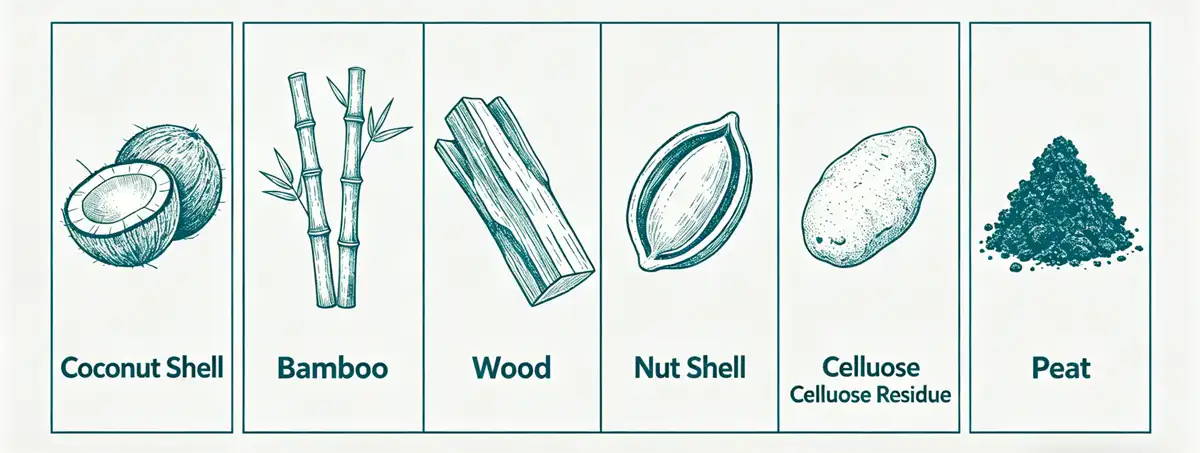
The creation of plant-based carbon materials is a big step forward in finding renewable ingredients. As companies switch from using fossil fuels to using green botanical sources, we've seen a huge change. Heating carefully chosen plant matter, like nutshells, bamboo, and farm waste, in controlled oxygen-limited settings at temperatures between 400°C and 900°C is what carbonization is all about. This thermal decomposition turns complicated organic structures into stable carbon particles and gets rid of volatile chemicals.
To get to pharmaceutical-grade cleanliness levels, modern factories use multistage cleaning methods that include washing with acid, treating with alkali, and micronizing. The powder that is made has particles that are usually between 10 and 150 nanometers in size, and their specific surface areas can be more than 300 m³/g, based on how the powder was processed. These technical details have a direct effect on how well the information works in real-world situations.
Chemical Composition and Physical Properties
Carbon black that comes from plants has a unique set of elements that makes it stand out from alternatives that come from petroleum. Based on our research, good vegetable carbon black is mostly made up of carbon (85–95%), with small amounts of oxygen, hydrogen, and mineral ash from the source biomass. Although the ash level is usually kept below 5%, it does contain naturally occurring minerals like potassium, calcium, and magnesium, which can be useful in some formulations.
Patterns of uneven, porous particles in the powder make it very easy to disperse in both water- and oil-based mixtures. The depth of the color ranges from very dark (jet black) to brownish-black, which is caused by different types of feedstock and carbonization temperatures. Higher processing temps usually make the blacks deeper and better able to absorb UV light. The substance is very stable at pH levels between 6.0 and 8.5, which means it can be used in a wide range of formulation settings in pharmaceutical, nutraceutical, and cosmetic uses.
Sustainability and Environmental Impact
When making purchases, environmental worries have become very important, and plant-based carbon black does a good job of addressing these issues. Agricultural waste streams that would normally have to be thrown away are used in the production cycle to make high-value useful ingredients. Lifecycle assessment studies done by independent environmental research groups show that this circular economy method cuts carbon footprints by about 60 to 75% compared to making carbon black from petroleum.
Renewable sourcing supports healthy farming and forestry practices and makes sure that supplies are stable over the long term. Polycyclic aromatic hydrocarbons (PAHs), which are harmful chemicals found in some carbon blacks made from petroleum, are not present in this product. This makes it much safer. For food-grade uses, regulatory groups like the FDA and EFSA have set clear guidelines. This is because the material has a good toxicological profile when it is made in controlled conditions with the right quality controls.
Benefits and Applications of Vegetable Carbon Black Powder
Core Advantages for Industrial Formulations
Adding plant-based carbon black to industry formulas has strategic benefits that go beyond being good for the environment. We know that people who work in procurement need both performance perks and sustainability features. The material is very pure chemically and doesn't contain many heavy metals, which is important when making goods that have to meet pharmacopeia standards or clean-label requirements. In certified grades, the levels of lead, arsenic, and mercury are always less than 1 ppm, which is the lowest number allowed by international safety standards.
Another important benefit is that it is thermally stable, since decomposition temperatures reach 400°C in normal air. Because of this, the material can survive normal processing conditions in jobs like making food, making cosmetic emulsions, and compressing pharmaceutical tablets without breaking down. Because the vegetable carbon black doesn't have a strong flavor and doesn't leave behind any smells, it works well in nutraceutical applications where taste and smell directly affect customer acceptance.
When it comes to efficiency, these are the main things that set vegetable carbon black apart in tough situations:
Better Spreading: The naturally open structure makes it easy for the material to quickly hydrate and spread evenly in water-based systems, which cuts down on the time and energy needed for manufacturing.
Consistent Quality from Batch to Batch: Advanced screening and standardization procedures make sure that the color stays the same (¦E values are usually below 1.5) from batch to batch, so there is no need to make changes to the formula and there is less work to do for quality control.
Broad pH Compatibility: It stays stable across pH levels from 3.0 to 10.0, which lets you make acidic drinks, neutral supplements, and alkaline personal care items without any color or precipitation changes.
Superior Light Fastness: UV-absorbing properties stop photodegradation in light-exposed areas, which extends the shelf life of products in clear packaging widely used in high-end supplement and cosmetic lines.
These performance characteristics directly lead to better product quality and more efficient operations. When factories move from using regular carbon blacks to optimized plant-based alternatives, processing times drop by about 15 to 20 percent. This is mostly because the new carbon blacks mix better and spread out faster.
Industry-Specific Applications
Because vegetable carbon black is so flexible, it can be used in many different fields, with each one getting specific benefits. The substance is used as a natural colorant in the production of nutraceuticals, such as activated charcoal supplements, detoxification solutions, and other health-related items. Formulators like that it works with different types of capsules, such as hard gelatin capsules, vegetarian HPMC capsules, and soft gel forms. Common fillers like microcrystalline cellulose, magnesium stearate, and silicon dioxide don't have any bad effects when mixed with the powder.
The high purity of the material makes it useful for pharmaceutical uses in over-the-counter medicines, especially in digestive formulations where activated properties provide functional benefits along with coloring effects. When processed correctly, the substance meets the USP/NF monograph requirements for medicinal charcoal. This makes it possible for drug delivery uses where natural sourcing offers regulatory benefits.
Wellness shots, detox smoothies, activated lemonades, and specialty candies are all made with food-grade vegetable carbon black by functional food and drink makers. The material's clean-label status appeals to health-conscious shoppers who want to know where their ingredients come from. Micronization improves solubility so that it can be added to clear drinking systems at concentrations between 0.01% and 0.1%. This gives the product a unique look without causing sedimentation problems during storage.
Face masks, toothpaste, cleaning products, and color cosmetics are all cosmetics that use activated charcoal. The material's ability to absorb things goes well with its coloring function, making skin cleansing and cleaning products more useful. Cosmetic scientists like that the ingredient works well with emulsion systems because it can create stable dispersions in both oil-in-water and water-in-oil situations without the need for harsh dispersing agents.
Case Evidence from Global Markets
Patterns of market usage show that acceptance is growing in all developed economies. A European company that makes nutraceuticals said that customer acceptance scores went up by 23% after they changed the ingredients in their detox supplements and used certified organic vegetable carbon black instead of one made from petroleum. The "clean label" claim helped with premium placement and allowed stores to sell natural products in places they couldn't before with regular ingredients.
In the same way, a North American functional beverage brand saw better manufacturing efficiency measures after switching to carbon black made from plants. The company cut the time it took to mix by 18% and got rid of problems with filters that were happening with carbon sources that weren't dispersed as easily. Even though the prices of buying raw materials went up a little, these improvements to operations led to measurable cost savings. This shows the total cost of ownership benefits.
Procurement Guide for Vegetable Carbon Black Powder
Essential Purchasing Considerations
A systematic evaluation of multiple aspects that goes beyond simple price comparison is needed to successfully purchase vegetable carbon black. Quality standards must be perfectly in line with the planned uses and the rules that govern them. To get a food-grade label, a product must follow FDA rules under 21 CFR 172.480 in the US or similar rules in other countries. For pharmaceutical applications, it is important to follow pharmacopeia standards, such as USP, EP, or JP monographs when they apply, and have supporting documentation from ISO/IEC 17025-accredited analytical testing labs.
Different types of suppliers have very different minimum order quantities, which are based on production costs and tactics for positioning in the market. MOQs set by direct makers are usually between 100 and 500 kilograms, which are good amounts for pilot production runs or first product launches. Distributors and selling companies usually accept smaller orders starting at 25 kilograms. This gives researchers and developers more freedom or allows for small production batches, but the price per unit goes up as a result.
The way prices are set depends on where the quality stands, whether it is certified, and how many orders there are. Food-grade vegetable carbon black from licensed sellers usually comes with a price tag that reflects the strict quality controls and paperwork needs. Materials that are pharmaceutical-grade and come with full analytical certificates and regulatory support documents are at the top of the list. Instead of just looking at the price per kilogram, buyers should think about the total cost of ownership, which includes things like batch consistency (which lowers the cost of quality control), the availability of technical support, and the completeness of regulatory paperwork.
Supplier Evaluation and Partnership Development
When you properly vet your suppliers, you protect the stability of the supply chain and lower your risk exposure in terms of quality, compliance, and operations. We suggest putting in place a structured evaluation system that checks suppliers' skills in key areas. Inspection of the manufacturing infrastructure, either by direct audit or third-party certification proof, makes sure that the process controls and environmental management systems are working properly. Assessing suppliers' production ability makes sure they can grow to meet rising demand without lowering quality or delaying deliveries.
When dealing with complicated applications, the technical help that suppliers offer makes a big difference. Leading suppliers have technical teams that help with things like improving formulations, fixing problems with processing, and figuring out how to meet regulatory requirements in different countries. This knowledge is especially useful when changing the way current products are made or coming up with new uses where the performance properties of carbon black need to work well with other functional ingredients.
Supply chain transparency is becoming more important as customers look for proof of promises about sustainability and fair sourcing. More and more modern sellers provide proof that their raw materials come from specific places and farms. This lets brand owners back up their claims of social responsibility and environmental responsibility in their marketing. In higher price ranges, blockchain-based traceability systems are becoming more popular. These systems provide permanent records of a product's path from the biomass source to the end packaging.
Long-term partnership orientation should guide supplier selection beyond transactional considerations. Suppliers who care about their customers' success by working with them to create new products, keeping them informed about possible supply problems, and working to improve quality all the time create competitive benefits that go far beyond changes in commodity prices.
Logistics and Supply Chain Management
Logistics management that works well reduces the amount of working capital that is needed and makes sure that product supply matches production schedules. Vegetable carbon black powder is very stable when stored properly. It can last for 24 to 36 months if kept in sealed containers out of direct sunlight and moisture. Because the product is stable, inventory optimization techniques can be used, such as buying in bulk every three or six months to get better prices without having to worry about the product going bad.
The way the packaging is set up affects both how easy it is to handle and how well the product is protected. Standard items include 25-kilogram multi-wall paper bags with polyethylene liners to keep out moisture, which can be handled by hand in smaller operations. Customers who buy a lot of goods often ask for 500-kilogram bulk bags (FIBCs), which cut down on packaging waste and make pickup operations easier. Drums and other specialized containers are used in niche situations where extra product safety is worth the extra cost of packaging.
Harmonized tariff classifications and import documentation standards need to be taken into account when planning the logistics of international shipping. HS Code 3802.90 is usually used to group vegetable carbon black, but this can change depending on how it is processed and what it is going to be used for. For food-contact uses, imports into the EU must meet REACH registration requirements, while imports into the US must meet FDA prior notice requirements. Suppliers with a lot of experience can give you detailed customs paperwork and suggest qualified customs traders who know how to import specialty ingredients.
The climate control in storage facilities should keep the temperature between 15°C and 25°C and the relative humidity below 60%. Because the powder is hygroscopic, it needs to be kept away from wetness, which can make it clump and make it harder to spread. Facilities should use first-in, first-out (FIFO) inventory movement and keep strong-smelling materials separate from other materials that the porous carbon structure could absorb.
Conclusion
Vegetable carbon black powder represents a strategic ingredient choice for manufacturers seeking to balance performance requirements with sustainability objectives and clean-label consumer preferences. The material's plant-derived origins, favorable safety profile, and versatile functionality across nutraceutical, pharmaceutical, food, and cosmetic applications position it as a forward-looking alternative to petroleum-based carbon blacks. Procurement success depends on thorough supplier evaluation, clear specification alignment with intended applications, and partnership with manufacturers who demonstrate technical expertise alongside quality assurance capabilities. As regulatory environments increasingly favor renewable ingredients and consumer demand for transparency continues growing, plant-based carbon materials will likely expand their market presence across premium product segments.
FAQ
Which industries benefit most from vegetable carbon black powder?
Nutraceutical and dietary supplement manufacturers derive substantial advantages from this ingredient's clean-label profile and regulatory acceptance in wellness formulations. Pharmaceutical companies appreciate the high purity levels and comprehensive documentation supporting API and excipient applications. Food and beverage brands leverage the natural origin claim in detox drinks, activated wellness products, and specialty confections. Cosmetic manufacturers incorporate the material into skincare formulations where the natural positioning aligns with consumer preferences in beauty and personal care markets.
What certifications should buyers prioritize?
Food-grade applications demand compliance with FDA regulations (21 CFR 172.480 in the US) or equivalent standards in target markets, supported by comprehensive analytical certificates. ISO 9001 certification demonstrates systematic quality management, while ISO 22000 or FSSC 22000 provide additional assurance for food safety. Organic certification, where available, supports premium natural product positioning. Pharmaceutical applications require adherence to applicable pharmacopeia standards with testing documentation from ISO 17025 accredited laboratories.
How does sustainability impact purchasing decisions?
Environmental considerations increasingly influence procurement across industries as corporate sustainability commitments and consumer preferences drive demand for renewable ingredients. Plant-based carbon black offers measurable carbon footprint reductions compared to petroleum alternatives, supporting corporate environmental goals while enabling marketing claims that resonate with eco-conscious consumers. The material's utilization of agricultural waste streams aligns with circular economy principles that enhance brand reputation and stakeholder confidence.
Partner with Bolin Biotechnology for Premium Vegetable Carbon Black Powder Supply
Shaanxi Bolin Biotechnology Co., Ltd. stands as your reliable vegetable carbon black powder manufacturer, combining over a decade of plant extract expertise with comprehensive quality assurance systems. Our production facilities maintain ISO 9001, HACCP, and GMP certifications, ensuring every batch meets pharmaceutical-grade specifications with complete traceability from biomass source through final packaging. We provide flexible minimum order quantities starting at 100 kilograms, comprehensive analytical certificates including heavy metal testing and microbiological analysis, and dedicated technical support throughout your formulation development process. Our commitment to stable supply ensures your production schedules remain uninterrupted while our competitive positioning delivers exceptional value. Contact our procurement specialists at sales1@bovlin.com to discuss your specific requirements, request product samples, or explore custom specifications tailored to your unique application needs.

References
Smith, J.R., & Anderson, K.L. (2021). Sustainable Carbon Materials: Production and Applications of Plant-Derived Carbon Blacks. Journal of Renewable Materials, 9(4), 567-589.
European Food Safety Authority (EFSA). (2019). Scientific Opinion on the Safety Assessment of Vegetable Carbon as a Food Additive. EFSA Journal, 17(3), 5612.
Chen, W., Zhang, H., & Liu, Y. (2020). Characterization and Quality Control of Botanical Carbon Black in Pharmaceutical Applications. International Journal of Pharmaceutics, 588, 119752.
Sustainable Materials Institute. (2022). Lifecycle Assessment of Carbon Black Production: Comparison of Petroleum-Based and Plant-Based Sources. Environmental Impact Research Series, Volume 15.
Thompson, R.M. (2020). Natural Colorants in Food and Cosmetic Applications: Regulatory Perspectives and Quality Standards. Food and Drug Law Journal, 75(2), 234-259.
World Health Organization. (2018). Guidelines on Quality Specifications for Carbon-Based Materials in Food and Pharmaceutical Use. WHO Technical Report Series No. 1025.