_1745226507162.webp)

The move around the world toward natural colorants is more than just a trend; it shows that there has been a big change in the way that companies make products and think about customer safety. Naturally occurring blue colors, especially blue butterfly pea flower powder, are quickly taking over man-made versions in the food, beauty, pharmaceutical, and nutritional industries. People are worried about the safety of manmade colorants, and the rules about them are getting tighter. Also, more people want clean-label goods. This is why the change is happening. Blue butterfly pea flower powder, which comes from the Clitoria ternatea plant, is a bright, steady, and antioxidant-rich option that satisfies performance and safety standards while promoting environmentally friendly practices.
The Limitations of Synthetic Blue Colorants in Modern Industries
For decades, synthetic blue colorants have been widely used in industry, but these past few years, their problems have become more clear in the face of new rules. These man-made dyes cause a lot of problems beyond just not coloring things correctly; they impact safety for people who use them and the world, too.
The most important problem with manufactured blue colorants is that they might be toxic. Some studies have tied certain manufactured blue dyes to allergy responses, hyperactivity in children, and even a possibility of causing cancer. The European Food Safety Authority has set tighter rules on a number of man-made colorants, but the FDA is still looking at safety data for more. These rules make things unclear for producers who depend on uniform recipe standards.
The effect on the environment is another big problem. Making synthetic dye creates a lot of wastewater with heavy metals and other chemicals that can't be broken down by bacteria or fungi. Getting rid of these materials can pollute water sources and hurt ecosystems that are underwater. More and more, industries are under pressure to use environmentally friendly methods that don't hurt product quality.
As different markets put their own rules on fake colorants, following the rules gets harder. The European Union has some of the most strict rules in the world; goods with certain fake colors must have warning signs on them. These differing rules make it harder to ship goods between countries and raise the cost of following the rules for companies that do business in multiple countries.
Natural chemicals are becoming more popular with customers. For example, 73% of people around the world would pay more for goods with natural colorants. This market demand affects the buying choices of many different areas, which makes it necessary to have natural options in order to stay competitive.
Introducing Butterfly Pea Flower Powder as a Natural Blue Pigment
Butterfly pea flower powder is a better natural choice than man-made blue colorants. It has special features that fix the problems that come with using chemical dyes. This plant-based product gives a bright blue color and other perks that manufactured dyes can't match.
The Clitoria ternatea plant comes from Southeast Asia and has very blue flowers because of anthocyanins and more specifically, ternatin chemicals. These natural colors maintain their properties across a wide range of pH levels and temperature ranges, making them useful in a lot of different areas of the economy. The method of extraction keeps the flower's nutrients, making a colorant that is also a useful ingredient.
Butterfly pea flower powder differs from manufactured substitutes due to its antioxidant qualities. The anthocyanin content has strong antioxidant properties, with ORAC (Oxygen Radical Absorbance Capacity) levels that are often higher than those in blueberries or other foods that are high in antioxidants. Because of this, producers can sell items that look good and are good for your health.
The pH-responsive feature of butterfly pea flower powder makes it useful in different ways. When the color is in acidic conditions, it changes from dark blue to purple or pink. This makes it possible to create new products that can adapt to changes in the climate. This natural pH monitor function is useful in drink uses, teaching goods, and makeup formulas.
The way butterfly pea flower powder is processed makes sure that the quality and quantity are always the same. Modern methods of extraction focus on the active ingredients and get rid of useless materials. This makes the goods more consistent and useful for business purposes. Quality control checks guarantee that each batch is the same as the last one, which is very important for making things in large quantities.
Comparing Butterfly Pea Flower Powder with Other Natural and Synthetic Blue Colorants
When buying workers know about the business market, they can make good choices when picking blue colorants. Butterfly pea flower powder has clear benefits over both man-made and naturally occurring substitutes in a range of performance areas.
In a performance comparison, butterfly pea flower powder is shown to be better than artificial blue dyes. Key success indicators will be shown in the following analysis:
- Color Stability: Blue butterfly pea flower powder keeps its color from −20°C to 85°C. Many man-made dyes do not work this way and lose their color at high temperatures. This stability makes sure that the product always looks the same, no matter how it's made or stored.
- pH Tolerance: Natural butterfly pea pigments stay steady in pH levels from 3.5 to 8.0. This is better than manufactured options that might change color or settle outside of a small pH range.
- Light Fastness: Advanced processing methods improve the light stability of butterfly pea extracts, making them work like manmade colorants while still being able to call themselves natural.
These performance benefits lead to useful effects for makers who want reliable coloring solutions. The increased steadiness means fewer product fails and a longer shelf life, which leads to happier customers and more profits.
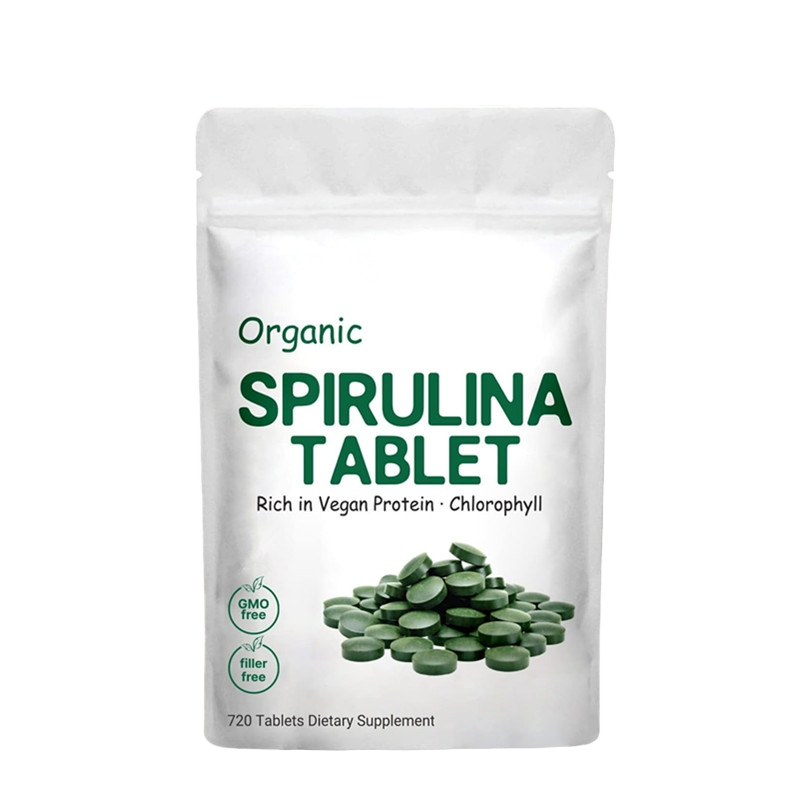
Natural dyes like indigo or algae have different pros and cons when compared to butterfly pea flower powder. Blue colors that are made from spirulina often have less color strength and may taste bad. Indigo needs to be processed in a complex way to get food-grade pure. Butterfly pea flower powder makes colors more bright without adding a taste, so it's great for sensitive uses.
Cost considerations change based on how the application and number needs are different. Natural colorants usually cost more than man-made ones, but when you think about the costs of following the rules, getting into the market, and the extra value customers place on them, natural colorants are often cheaper in the long run.

Key Procurement Considerations for Butterfly Pea Flower Powder in B2B Markets
When you want to get butterfly pea flower powder, you need to make sure that the seller is capable, the quality standards are met, and the supply chain is reliable. These things make sure that the product quality is always the same while also making sure that costs are kept low and rules are followed.
Before getting suppliers, it's important to check their qualifications and quality control systems. Good vendors keep credentials like ISO 22000 for food safety, HACCP for risk analysis, and organic certificates when they are needed. These qualifications show that the person is committed to legal compliance and quality control, which are important for B2B apps.
Quality standards must take into account a lot of different factors that are useful for the purpose of the product. The amount of anthocyanins, which is usually measured as cyanidin-3-glucoside equivalents, should meet a certain minimum level in order to get a good color. Moisture levels below 8% guarantee that the product stays stable on the shelf. At the same time, bacterial levels must meet the appropriate food safety standards.
For apps that use a lot of something, the supply chain has to be taken into account. Getting to know sellers who have enough stock on hand and can adjust their production levels when needed keeps your supply chain running smoothly. If you get supplies from all over the world, you don't have to worry as much about events in one area that could make it harder to get supplies.
The following structured method helps the buying process:
- Supplier Qualification: Look at possible sellers' credentials, production ability, quality systems, and history of following rules. To make sure they have the right systems in place, ask them for information on their tracking systems and records of third-party audits.
- Sample Evaluation: Put the seller samples through a lot of different tests in settings that are similar to how they will be used. In goal formulas, check the color performance, stability, solubility, and possible interactions with other chemicals.
- Commercial Terms: The payment terms, price based on volume, and quality promises are things that should be discussed and agreed upon. Include parts that allow for changes to be made to the specifications and make sure the business can keep getting supplies.
These buying best practices help businesses build trustworthy relationships with suppliers that support long-term goals while lowering risk.
How Butterfly Pea Flower Powder Meets the Needs of Today's B2B Clients?
These days, B2B customers in a variety of fields want colorant options that can adapt to new market needs while also making sure that rules are followed and the business runs smoothly. Blue butterfly pea powder meets these needs because it has a unique mix of useful features and high performance.
Regulatory compliance is a big worry for B2B customers who do business in more than one market. In the United States, butterfly pea flower powder is considered safe, and it is also approved for use as a natural colorant in the European Union. This wide acceptance of regulatory standards makes it easier for products to be registered and lowers the costs of following rules for companies that do business in many countries.
Consumers want products they can easily recognize, and clean label fit goes hand in hand with this. The name "butterfly pea flower extract," along with other simple, detailed names, is commonly used in food products to list Butterfly pea flower powder as an ingredient. This openness makes it easier to say that the product has natural chemicals without having to give a long description.
A versatile application can be used with many different types of products. Vitamin candies, protein powders, and functional drinks often use butterfly pea flower powder, which is made by nutraceutical companies. The colorant is used by food makers in candies, dairy products, and baked goods. Cosmetic companies use both color and antioxidant qualities in skincare and makeup.
The unique qualities of butterfly pea flower powder make new ideas possible. The color changes that respond to pH make it possible to create goods that people can use and see change right in front of their eyes. By adding acidic ingredients that change the color from blue to purple or pink, drink makers make drinks that change color.
Market trends show that the demand for natural colorants, like butterfly pea flower powder, will keep growing. Natural colorants market will reach $3.2 billion by 2025, according to industry experts. This is because consumers want it and the government is putting pressure on businesses. Companies that adopt natural options early will be ready for any changes in the market.


Conclusion
The move from manufactured to natural blue colorants is an important market trend that smart companies can follow. It also helps meet rules and customer demands. Organic butterfly pea flower powder is a useful and interesting substitute that helps products work better and supports marketing goals by adding a bright color. As rules change and consumers look for more natural ingredients, businesses that use natural colorants will be able to grow and stay ahead in the market.
FAQs
What are the biggest reasons to use butterfly pea flower powder instead of man-made blue dyes?
Butterfly pea flower powder has many benefits, such as coming from a plant so it can be marketed as a "clean label" product, changing color when it comes in contact with different pH levels for new uses, being more widely accepted by consumers, and having fewer regulatory issues than synthetic alternatives.
What is the best way to store butterfly pea flower powder so that it stays fresh?
Keep butterfly pea flower powder in a cool, dry place below 25°C where the humidity is less than 60%. To keep wetness out and light from hitting the contents, use containers that are sealed. If you store it correctly, it will keep its bright color and last up to 24 months.
Does butterfly pea flower powder have any side effects or safety issues?
If it's used in the right amounts, butterfly pea flower powder is usually safe. Some people may have mild stomach issues if they drink too much. People who are pregnant or have diabetes should talk to their doctors before using anything that has butterfly pea flower powder in it.
Partner with Bolin Biotechnology for Premium Blue Butterfly Pea Flower Powder Solutions
Bolin Biotechnology is a leader in the development of natural colorants and offers a full range of help for companies that are switching from manufactured to natural pigments. We are the best choice to meet your blue butterfly pea flower powder needs because we know a lot about plant extract technology and are committed to high quality.
No matter how many batches of butterfly pea flower powder we make, our state-of-the-art processing always guarantees the same quality and performance. We follow strict quality control rules during the extraction and filtering process, which means our goods meet the most exacting standards. Our building is certified by ISO 22000 and HACCP, which means we are committed to food safety and quality control.
Technical support helps customers get the most out of their recipes and deal with problems that come up when they're using them. Our team of expert formulators offers advice on how to incorporate, how to test security, and how to follow the rules. This team-based method speeds up the time it takes to make a product and guarantees success.
Bolin Biotechnology provides a range of supply options that can be customized to meet different business needs. We can meet your needs whether you're developing a product and only need a little or you're commercially producing something and need a lot. We can always get high-quality raw products because of our established supply lines.
Our all-around focus on customer service and product quality means companies looking for a reliable blue butterfly pea flower powder provider can benefit from working with us. We know how hard it can be to find natural ingredients, and we offer ways to meet both technical needs and business goals. If you want to talk about your needs and find out how our knowledge can help you switch to natural colorants, email us at sales1@bovlin.com.
References
Manchali, S., Murthy, K. N. C., & Nagaraju, P. K. (2021). Natural Blue Colorants in Food Industry: Current Status and Future Prospects. Journal of Food Science and Technology, 58(4), 1456-1468.
Zhang, L., Wang, H., & Chen, M. (2020). Anthocyanins from Clitoria ternatea: Extraction, Characterization and Applications in Food Systems. Food Chemistry, 315, 126289.
Rodriguez-Martinez, A., & Thompson, K. J. (2022). Regulatory Landscape for Natural Food Colorants: Global Trends and Market Implications. Food Regulation International, 39(2), 78-95.
Kumar, S., Pandey, R., & Sharma, V. (2021). Stability and Bioactivity of Butterfly Pea Flower Pigments in Commercial Food Applications. International Journal of Food Properties, 24(1), 245-261.
Williams, D. R., & Johnson, P. L. (2023). Consumer Preferences for Natural vs Synthetic Food Colorants: A Cross-Cultural Analysis. Food Quality and Preference, 105, 104782.
Chen, Y., Liu, X., & Anderson, M. K. (2022). Economic Analysis of Natural Colorant Adoption in Food Manufacturing: Cost-Benefit Perspectives. Food Business Economics, 15(3), 112-128.