_1745226507162.webp)

Alpha Lipoic Acid Powder Buying Guide: Factors to Consider
When looking for alpha lipoic acid powder for use in cosmetics, nutraceuticals, or medicines, it can be hard for business-to-business buyers to figure out what quality standards, legal requirements, and source skills to look for. This organosulfur molecule, which is also known as 1,2-dithiolane-3-pentanoic acid, works as both a coenzyme in the mitochondria and a global antioxidant, meaning it can do its job in both water- and lipid-soluble cell environments. By learning about the important factors that affect sourcing, you can make sure that your supply chain consistently offers high-quality products that meet industry standards and help formulations work well in a wide range of end-use situations.
Understanding Alpha Lipoic Acid Powder: Fundamental Insights
The Unique Chemistry Behind ALA's Market Value
The unique amphiphilic molecular structure of alpha lipoic acid powder makes it stand out from other antioxidants on the raw ingredient market. This organosulfur molecule is an important part of the enzymes in mitochondria that do oxygen metabolism and make ATP. Alpha lipoic acid powder is different from antioxidants that are only water- or fat-based because it passes the blood-brain barrier and goes through all cell membranes. This makes it very useful for neuroprotective formulations and managing oxidative stress throughout the body. Because it can be used in so many different ways, this chemical is becoming more and more popular in pharmaceutical APIs, food supplements, functional drinks, and anti-aging skin care items.
Health Benefits Driving B2B Demand
The healing effects of alpha lipoic acid powder make it a valuable ingredient that procurement teams should be aware of. Clinical study shows that it can recycle other antioxidants, such as Vitamins C and E, making their beneficial effects last longer in formulations. The substance can help with metabolic health by reducing inflammation, and its ability to chelate heavy metals makes supplement programs better for detoxification. The skin-rejuvenating benefits of alpha lipoic acid powder come from its ability to neutralize free radicals and support mitochondrial energy. This makes it a top choice for anti-aging serums and treatment creams.
Product Forms and Application Matching
Alpha lipoic acid powder comes in pills, tablets, and injectable solutions, but makers have the most options when it comes to making formulations with the raw powder form. Bulk powder makes it possible to precisely measure out amounts. Daily supplement doses are usually between 300 mg and 600 mg, but higher concentrations may be needed for therapeutic pharmaceutical uses. Depending on the amount of effectiveness that is wanted, cosmetic products usually have concentrations ranging from 0.5% to 2%. Knowing these application factors helps buying professionals choose the right specs that meet their production needs and help them place themselves in the market.
Critical Quality Factors When Sourcing Alpha Lipoic Acid Powder
Purity Standards and Pharmaceutical-Grade Certifications
High-Performance Liquid Chromatography testing is the first step in judging quality for alpha lipoic acid bulk powder. It checks the levels of the assay and measures the amount of impurities present. According to USP or European Pharmacopoeia guidelines, pharmaceutical-grade material should be 99.0% to 101.0% pure when it is dried. To keep heavy metal levels safe for vitamin and medicinal uses, lead levels must stay below 0.5ppm and arsenic levels must stay below 1.0ppm. Similar chemicals, such as 6,8-Epitrithiooctanoic acid, shouldn't be more than 0.1%. For legal compliance and quality assurance standards, Certificates of Analysis from accredited labs are the proof you need.
Manufacturing licenses show that a provider is dedicated to maintaining high quality standards. Look for factories that have GMP, ISO 22000, and HACCP standards. These show that their manufacturing processes and steps for keeping contamination under control have been tested and proven to work. These approvals are especially important for drug companies that need full batch paperwork and traceability. If a seller of nutraceuticals wants to sell to the US market, they should make sure that their facilities are NSF- or FDA-registered. These qualifications make it easier for regulators to approve the products and for customers to check them out.
Synthetic Versus Biosynthetic Production Methods
The production route has a big effect on both the cost structure and the bioavailability qualities of alpha lipoic acid powder. Synthetic material usually comes in the form of a racemic mixture that has equal amounts of R-lipoic acid and S-lipoic acid isomers. For large-scale uses, the R-isomer is more cost-effective, but some clinical evidence shows it has better bioactivity. Biosynthetic production methods can make R-alpha lipoic acid specifically, which gives high-end supplement brands that focus on solubility a premium place. Procurement teams should make sure that the production methods they use are right for the products their target market wants. For example, mass-market vitamins might be fine with racemic powder, but high-end health brands might demand R-ALA to set themselves apart in the market.
Physical Properties Affecting Manufacturing Performance
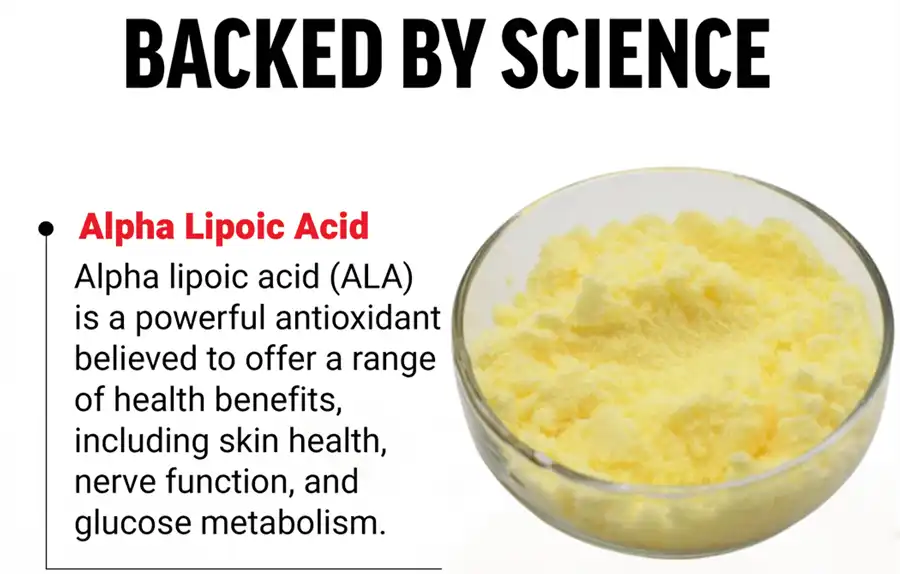
Alpha lipoic acid powder in bulk presents as a yellow, solid substance that smells like sulfur and melts at temperatures between 60°C and 62°C. Because it has a low freezing point, it needs to be handled carefully during production. Heat or direct light can cause polymerization, which lowers the product's effectiveness and causes problems with caking. Laser diffraction study of particle size distribution makes sure that the blend is constant during encapsulation and tableting. Loss on Drying testing stops decay caused by wetness and the growth of microbes during storage. GC-Headspace analysis of residual solvents shows compliance with ICH Q3C standards, which limits solvents like cyclohexane and ethyl acetate that could make the product less safe.
Pricing and Procurement Considerations for Bulk Buyers
Understanding Market Price Drivers
The changes in the market for alpha lipoic powder raw materials are caused by a number of things that are all linked. The cost of getting raw materials changes depending on how much octanoic acid is available and how much can be made in the area. Synthesis difficulty and return efficiency have a direct effect on how much manufacturers charge. The amount of an order has a big effect on the price per kilogram. Orders over 100 kg usually get better prices, and promises to make a certain number of tons may support custom manufacturing deals. Specifications for purity also have an effect on prices. For example, pharmaceutical-grade materials are more expensive than technical-grade ones because they have to go through more steps of processing and stricter testing.
Supplier Selection and Due Diligence
When evaluating possible providers for alpha lipoic acid powder, you need to look at more than just price. A manufacturing capacity review checks to see if your sources can increase or decrease production to meet your growth plans while keeping quality standards across batches. Logistics costs and wait times are affected by where the goods are made. For example, local suppliers may be able to turn orders around faster, while Asian makers may be able to offer lower costs for bulk purchases. Before agreeing to a supply deal, make sure you have full paperwork packages with Manufacturing Process Descriptions, Stability Studies, and Allergen Declarations. This will help you confirm that the company has the technical skills you need.
Customer recommendations and the supplier's name in the industry can tell you a lot about how reliable they are. Talk to current clients in related fields to find out how well you do at meeting deadlines, maintaining quality, and providing quick technical help. Suppliers who give help with formulation, private labels, and a variety of packing choices add value beyond just providing raw materials. Your inventory management practices should match the minimum order number needs. Check with suppliers to see if they can handle smaller test orders before going up to production volumes.
Supply Chain Risk Management
To make the alpha lipoic acid powder supply chain more stable, you need to plan ahead for wait times and product buffers. Depending on where the goods come from and how they are shipped, production and selling processes usually last between 4 and 8 weeks. If you know what the customs clearance rules are in your area, you can avoid delays that cost a lot of money. Make sure that providers give you all the paperwork you need, like Certificates of Analysis, MSDS, and origin certificates. Set up relationships with backup suppliers to lower the risks of being dependent on a single source. This is especially important for mission-critical recipes where supply outages could stop production lines or make product launches less successful.
Regulatory Compliance and Safety Factors
Safety Profile and Handling Protocols
Alpha lipoic acid powder is usually thought to be safe as long as it is treated correctly, but you need to be extra careful when working with it. People who work with large materials should know how sensitive they are to oxidation. Storing them in cool, dark, and dry places keeps them from going bad and keeps their effectiveness for as long as they're stored. Because the substance has a sulfurous smell, manufacturing places need to have enough air flow. For some people, mild stomach problems or skin irritation may happen, so it's important to wear the right safety gear when handling things. Allergen status should be checked by looking at seller statements, especially for food and beauty products where correct marking is important for legal reasons.
Navigating International Regulatory Standards
Different target markets have very different regulatory environments for alpha lipoic acid powder, which means that strategic compliance planning is needed. In the United States, it is regulated by the FDA as a dietary nutrient, subject to DSHEA rules for supplements and GRAS rules for food uses. In EU member states, the European Food Safety Authority sets rules for how much to use and how to prove health claims. For pharmaceutical uses, the rules are stricter. API-grade material has to meet pharmacopeial standards and have full impurity profiles and stable data to back up claims about shelf life. The FDA sets rules for cosmetics used in the US, while EU Regulation 1223/2009 says that cosmetics must follow certain rules, such as safety tests.
Quality Control Protocols for Incoming Materials
Setting up strong receiving processes protects the quality of the alpha lipoic acid powder and the image of the brand. Set up quarantine systems that stop the release of materials until all testing has been completed and met all requirements. In addition to a basic study of the Certificate of Analysis, you should also use identification verification testing methods like infrared spectroscopy to make sure the material is real. Clear solution tests should be done by soaking samples in ethanol. Cloudiness or precipitates can be signs of polymerized material or impurities that don't dissolve, which could affect how well the mixture works. Write down the outcomes of all tests in batch records that help with tracking needs during regulatory or customer checks.
How to Choose the Right Alpha Lipoic Acid Powder Supplier: A Decision Support Framework
Defining Your Application-Specific Requirements
Setting clear technical and business goals is the first step to choosing the right alpha lipoic acid powder provider. Pharmaceutical companies that put a high priority on API development need providers that can show they know about regulations, back DMFs, and help with validation for drug applications. Nutraceutical formulators who are making high-end products should look for partners who can offer R-ALA choices, custom particle size, and formulation advice to get the best bioavailability. Functional food makers need licenses that are safe for food, tips on how to make the food dissolve better in drinks, and suggestions on how to hide flavors. Suppliers who help with clinical studies, custom concentrations, and stable tests for complicated emulsion systems are helpful to people who are making new cosmetics.
Evaluating Technical Capabilities and Support Services
Manufacturing skill for alpha lipoic acid powder goes beyond just being able to make things. Check to see if possible suppliers have specialized research and development teams that can help with formulating problems and creating new applications. Brands that want complete solutions from idea to finished items can get more out of private labeling and OEM services. Quality technical paperwork shows that an operation is mature. Full product specifications, stability studies under different conditions, and compatibility data with common excipients show that a provider cares about the success of their customers in more ways than just a business relationship.
Building Long-Term Strategic Partnerships
Cost-effectiveness, quality assurance, and excellent service are all important parts of long-term buying partnerships for alpha lipoic acid powder. Make scorecards that rate providers on a number of performance factors, such as quality consistency, shipping reliability, technical responsiveness, and compliance with regulations. Set up clear rules for conversation, such as monthly business reviews, to talk about performance trends and work together on projects to make things better all the time. Talk about contract terms that protect both sides. For example, you could include quality agreements that spell out the standards for acceptance, supply promises that make sure the product is always available, and intellectual property rights for custom formulations. Strategic sellers become real partners in your efforts to come up with new products and grow your market.
Conclusion
To get high-quality alpha lipoic acid powder, you need to make sure that your B2B sourcing plan takes into account scientific requirements, legal requirements, and business concerns. Successful buying teams make sure that the purity is pharmaceutical-grade, check that the right certifications are in place, and form partnerships with sellers who can show they are good at making and have technical knowledge. Knowing the compound's special features, like its amphiphilic chemistry and how it reacts to being handled, helps you make smart choices that protect the effectiveness of the product and the brand's image. Your company can get this valuable ingredient reliably by following strict quality control procedures, proactively managing regulatory compliance, and building strategic relationships with suppliers. This helps with product development for nutraceutical, pharmaceutical, cosmetic, and functional food uses.
FAQ
What makes alpha lipoic acid powder better than other chemicals that are antioxidants?
Unlike single-phase antioxidants, alpha lipoic acid powder has a unique dual solubility that lets it work in both water and lipid biological settings. It can recycle other antioxidants, like Vitamins C and E, which makes their beneficial effects last longer and gives products more benefits. When you mix this general usefulness with mitochondrial energy support, you get unique value in both therapeutic and cosmetic uses.
How should you store big alpha lipoic powder so that it stays effective?
Keep alpha lipoic acid powder in cases that are tightly covered and out of the way of light, heat, and moisture. Temperatures below 25°C and low humidity are the best places to store things. Because the substance has a low freezing point and tends to polymerize, it needs to be stored in a climate-controlled area. Adding a nitrogen layer to a lot of goods can make them last longer on the shelf.
What kinds of quality checks should be done before receiving large shipments?
In addition to looking over Certificates of Analysis for alpha lipoic acid powder, you should use infrared spectroscopy to confirm the identity and clear solution tests in ethanol to look for polymerization. Check the particle size distribution to make sure it can be used in production, and make sure the amounts of residual solvent meet ICH standards. Testing for microbes makes sure that materials are safe for use in cosmetics and food supplements.
Partner with Bolin Biotechnology for Premium Alpha Lipoic Acid Powder Supply
Bolin Biotechnology is a reliable company that makes alpha lipoic acid powder. They offer pharmaceutical-grade materials that come with full quality paperwork and technical support. We have been specializing in plant extracts and useful ingredients since 2012. Our GMP-certified facilities and ISO-compliant quality systems meet the high standards of nutraceutical, pharmaceutical, and skincare companies across the US market. Our expert team can help you speed up the time it takes to develop your product by giving you formulation support, stability advice, and regulation paperwork. We offer flexible MOQ choices and solid supply chain performance, so you can get the amounts you need for study or for mass production. You can email our procurement experts at sales1@bovlin.com to ask for product samples, up-to-date specs, and sourcing solutions that are specifically designed for your needs.
References
Packer, L., Witt, E.H., and Tritschler, H.J. "Alpha-Lipoic Acid as a Biological Antioxidant." Free Radical Biology and Medicine, Volume 19, Issue 2, 1995, Pages 227-250.
Shay, K.P., Moreau, R.F., Smith, E.J., Smith, A.R., and Hagen, T.M. "Alpha-Lipoic Acid as a Dietary Supplement: Molecular Mechanisms and Therapeutic Potential." Biochimica et Biophysica Acta, Volume 1790, Issue 10, 2009, Pages 1149-1160.
United States Pharmacopeia. "Alpha Lipoic Acid Monograph." USP-NF 2023, United States Pharmacopeial Convention, Rockville, MD.
European Directorate for the Quality of Medicines. "Thioctic Acid." European Pharmacopoeia, 10th Edition, Council of Europe, Strasbourg, 2020.
Biewenga, G.P., Haenen, G.R., and Bast, A. "The Pharmacology of the Antioxidant Lipoic Acid." General Pharmacology: The Vascular System, Volume 29, Issue 3, 1997, Pages 315-331.
Goraca, A., Huk-Kolega, H., Piechota, A., Kleniewska, P., Ciejka, E., and Skibska, B. "Lipoic Acid: Biological Activity and Therapeutic Potential." Pharmacological Reports, Volume 63, Issue 4, 2011, Pages 849-858.