_1745226507162.webp)

Application Scenarios for Taurine Powder in Energy Drinks, Supplements, and Pet Nutrition
Taurine powder is a useful ingredient that can be used in many different fields. It meets important nutritional needs in both human and animal health. This solid amino sulfonic acid (2-aminoethanesulfonic acid) gives companies that make energy drinks, health supplements, and special pet foods a lot of options for how to make their products and how much to use. It does more than just make you stronger; it also helps your heart and brain stay healthy, helps you recover from exercise, and supports important biological processes in both people and pets.
Understanding Taurine Powder and Its Core Benefits
This amino acid's biochemical structure makes it very useful for product makers who want to use functional ingredients that have been proven to work. In contrast to other proteinogenic amino acids, it mainly works in human tissues as an osmolyte and cytoprotectant.
Chemical Nature and Commercial Forms
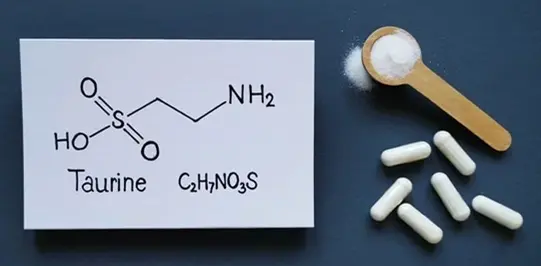
The ingredient is made in factories using chemical synthesis instead of extraction, so its purity levels are always the same, usually between 98.5% and 99.5%. The ethylene oxide method, which uses sodium bisulfite and ammonia, and the monoethanolamine route, which uses sulfuric acid, are the two main ways that B2B supply chains make chemicals. These steps ensure that the business can grow and get more supplies without the problems that come with getting them from animals. Fine crystalline powder (20–80 mesh), granular blends for direct compression, and micronized versions for better solubility are all commercial forms. Formulation experts have more control over precise doses with powders than with pre-mixed solutions or fixed-dose pills.
Health Advantages Across Applications
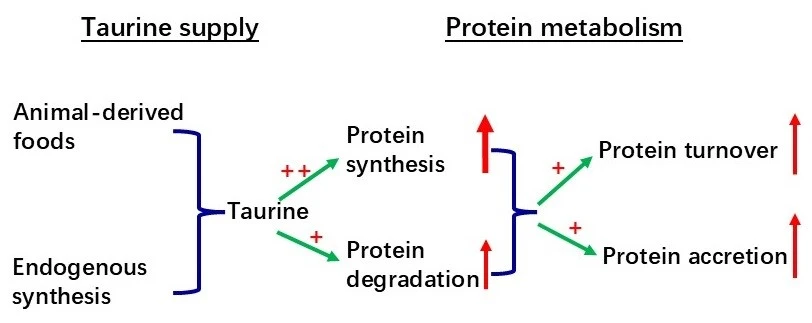
Clinical study has shown that the product has a number of bodily functions that make it useful. Studies show that taurine helps bile acid coupling, which makes it easier to digest fat. This means that it can be used in gut health products. Its antioxidant qualities keep cells safe from reactive stress when you work out hard. Heart health benefits include controlling blood pressure and improving arterial function, which some small clinical studies have shown may help with managing heart failure. The amino acid also has neuroprotective properties, and new study is looking into how it might help with nervousness and seizures. Supplements have shown potential in helping people with type 1 diabetes keep their blood vessels healthy and helping people with anemia use iron better.
Safety and Dosage Guidelines
Regulatory bodies all over the world agree that the ingredient is safe when used within certain limits. People usually take between 500 mg and 2,000 mg of supplements every day. However, energy drinks may have 600 mg to 1,000 mg of supplements per dose. Pet food amounts are very different. For example, cats need about 25 to 50 mg per kilogram of body weight every day because their bodies can't make enough of it on their own. Depending on the dog's size and health, supplements should be between 250 mg and 500 mg per day. At the suggested amounts, side effects are still very rare, but people who take more than 3,000 mg per day may experience mild stomach pain. Teams in charge of buying things need to make sure that the paperwork suppliers send them has usage level suggestions that are in line with local rules.
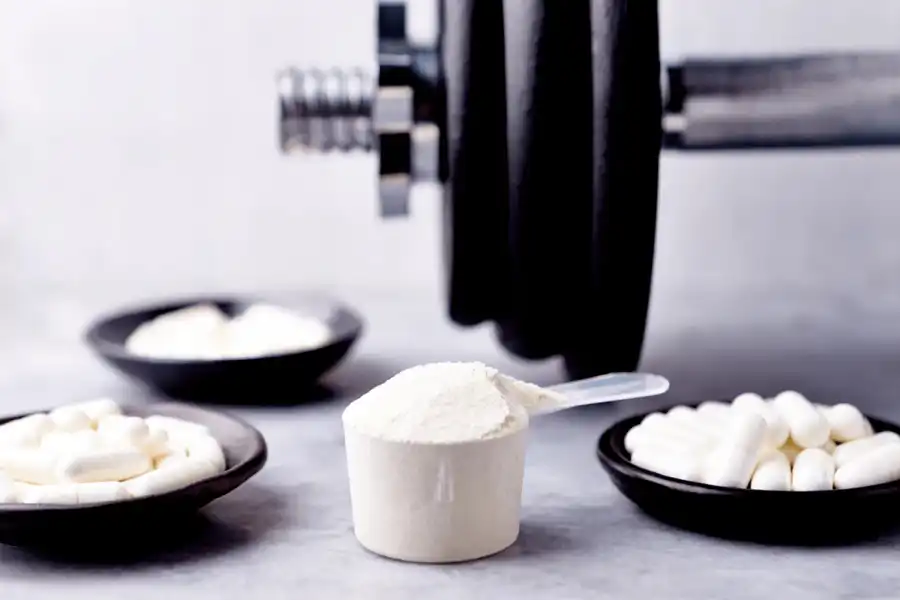
Taurine Powder in Energy Drinks and Sports Supplements
People want useful performance goods, which is why the beverage and sports nutrition industries have the most commercial uses for taurine powder.
Formulation Advantages in Beverage Applications
When making ready-to-drink drinks, manufacturers like the powder version because it is easier to work with. Since it dissolves easily in water (100g/L at 20°C), it can be spread out evenly and won't form crystals during storage. The ingredient doesn't change chemically in most liquid pH ranges (2.5–4.5), and it can handle heat up to 85°C without breaking down. This stability characteristic lets processes like pasteurization and hot-fill happen without losing activity. When making energy drinks, the people who make them can exactly change the concentrations to get the desired functional claims while keeping the flavor effect under control, since the ingredient doesn't add much taste at normal inclusion rates. It's easy to see how much cheaper it is to buy bulk powder than pre-made liquid solutions, especially for medium to large production amounts.
Performance Enhancement and Cognitive Support
Sports nutrition companies use the compound because it has been shown to improve exercise ability and healing. A study in the Journal of the International Society of Sports Nutrition showed that giving 1,000 mg of the supplement 60 minutes before high-intensity exercise decreased signs of muscle damage and increased the time it took to reach tiredness. Better mitochondrial activity and better calcium handling in muscle tissue are part of the process. Cognitive benefits include being more aware when mixed with caffeine, which makes the effects stronger and more common in pre-workout drinks. Athletes say they can focus better during workouts, but clinical evidence shows the benefits are still not as strong as with primary stimulants. To make complete performance matrices, product formulators who want to set their products apart often mix the amino acid with B-vitamins, branched-chain amino acids, and adaptogens.
Case Study: Sports Supplement Integration
A medium-sized supplement company changed the recipe for their best-selling pre-workout powder by adding citrulline malate and beta-alanine and increasing the amount of taurine from 500 mg per serving to 1,500 mg per serving. Six months after the product came out, polls of customers showed that 67% of them said their endurance during cardio sessions had improved. Also, the number of return purchases rose 23% compared to the previous recipe. The reformulation only needed small changes to the production process—just recalibrating the blend ratios during the dry mixing stages—showing how easy it is to use pharmaceutical-grade powder in standard industrial processes.
Taurine Powder Applications in Pet Nutrition
Companion animal health is a market area that is growing quickly, and the ingredient meets basic nutritional needs for pets.
Cardiovascular and Retinal Health Support
Since cats can't make enough of this amino acid on their own, they need to take extra supplements that contain it. Felines with deficiency develop dilated cardiomyopathy, a heart disease that can be deadly and is marked by weak cardiac muscle contractility. Supplementing at the right levels (250 to 500 mg per day for cats of normal size) helps keep the heart healthy and stops problems that can happen because of a shortage. The health of the eye is also affected by how much you eat. Not getting enough can cause central retinal degeneration, which can lead to permanent blindness. Dog types that are more likely to get heart problems, like Golden Retrievers and Cocker Spaniels, can benefit from taking supplements that help keep the cardiac cell membrane stable and calcium levels in check.
Veterinary Dosage Recommendations
Veterinary experts suggest diet plans that are tailored to each species because their metabolisms are different. Maintenance meals for cats should have at least 1,000 mg of taurine per kilogram of dry matter. Therapeutic diets for cats with heart problems should have 2,000 to 2,500 mg/kg. Because dogs can make their own, their needs aren't as important, but giving them supplements of 250 to 1,000 mg per day (based on their body weight) can help keep their hearts healthy, especially older dogs and working breeds that have to do a lot of hard work. The ingredient is being used more and more in aquaculture feeds at a level of 4,000 to 8,000 mg/kg to help carnivorous fish species that don't have enough metabolic pathways grow faster and handle stress better.
Market Trends in Pet Food Formulation
Formulation innovation is driven by people's desire to spend more on high-quality pet food containing pure taurine powder. A study of the market shows that the global vitamin industry for pets grows at a rate of 7.2% per year, with strong demand for goods that help the heart and lungs. As a response, pet food companies have come out with new lines of products with higher inclusion rates and clear labels. When making grain-free diets, it's important to pay close attention to what's in them, because meals that are high in legumes may lower bioavailability. This trend opens up buying opportunities for companies that offer technical support services. These services help pet food companies find the best inclusion rates, test for stability, and make health-conscious label claims that pet owners will like.
Procurement Insights: Choosing and Buying Taurine Powder for B2B Clients
Strategic choices about where to get products have a big effect on their quality, how well they meet regulations, and how resilient the supply chain is.
Quality Criteria and Certifications
When evaluating providers, people who work in procurement should look at a number of factors. The purity standards must be at least 98.5%, and this is checked by HPLC analysis. Each batch comes with a Certificate of Analysis. The steps used to make synthetic materials should be clearly written down, including whether the ethylene oxide or monoethanolamine route was used. Each has its own set of impurities that need to be tested properly. Certifications guarantee high standards of production. For example, ISO 9001 certification shows that there are quality management systems in place, and GMP certification proves that the production setting meets pharmaceutical standards. HACCP compliance is important for food and drink uses because it makes sure that contamination avoidance measures are followed throughout the manufacturing process. Kosher and Halal approvals help brands reach more customers who are religiously or culturally different. The way particles are distributed in size affects how quickly they dissolve and how evenly they mix. The specs should list the mesh range (usually 40–80 mesh for supplement uses) and include particle size analysis data to back it up.
Supplier Reliability and Supply Chain Transparency
Long-term relationships with reliable providers lower the risk of disruption. When judging a seller, you should look at their production ability (can they grow with your business?), how they handle their inventory (do they keep a safety stock?), and how consistent their lead times are. Being open about where the raw materials come from helps with due diligence, like knowing where the base chemicals come from and how providers keep quality high throughout the supply chain. Premium suppliers stand out because they offer better technical support. Having access to formulation scientists, stability testing data, and legal paperwork help speeds up the product development process. Site audits, which can be done by the seller themselves or by a third-party review service, make sure that what the supplier says matches up with how things work in the real world.
Bulk Purchasing Logistics
Unit economics are greatly affected by volume agreements. Depending on the seller, the minimum order quantity is usually between 25 kg and 500 kg. At pallet amounts (usually 500 kg to 1,000 kg), you can get better prices. Shipping procedures need to be thought through; the ingredient stays stable during shipping, but it needs to be protected from moisture (its hygroscopic nature means it needs to be sealed in packaging). Large buyers should think about container load efficiency because 20-foot containers can hold about 10 to 12 metric tons, which is a lot more than the cost of less-than-container-load shipping. Lead times depend on where the seller is located and when the product is being made. For example, local suppliers may be able to complete orders in two to three weeks, while foreign suppliers may need six to ten weeks to clear customs. To protect both sides' interests, supply deals should clearly spell out payment terms, quality promises, and return policies.
How to Effectively Integrate Taurine Powder into Your Product Line?
Formulation science, legal compliance, and a market positioning plan must all be taken into account for implementation to go well.
Formulation Techniques and Quality Control
To get a uniform spread in powder mixes, you need to follow the right mixing steps. Using V-blenders or ribbon mixers, the ingredient mixes easily with other dry ingredients. For batches under 500 kg, it usually takes 15 to 20 minutes at low speeds. Adding 0.1-0.3% colloidal silicon dioxide as a glidant stops clumps that can happen with very fine mesh sizes when electrostatic charging happens. The substance is very well soluble in water, so it works well in liquid forms. Just mix it gently with water at room temperature before adding it to beverage mixtures. Standard methods with vegetable or gelatin pills are used for encapsulation for sustained-release purposes. Checkpoints for quality control should include using FTIR spectroscopy to confirm the name of the substance, HPLC to test its strength, and USP-compliant microbiome screening. Testing for stability under fast conditions (40°C/75% RH for three months) tells you how long something will last and when it should be thrown away.
Customization for Target Demographics
Customized formulas containing pure taurine powder open up chances for market classification. Vegan and veggie customers need to know that synthetic production methods don't use any materials that come from animals. Supplier paperwork should make this clear. Natural sweeteners like stevia or monk fruit are added to sugar-free energy drinks to make them more appealing to people who are watching their glucose intake and are also health-conscious. Different products for men and women are made with different ingredients that work well together. For example, women's products might have iron and folate added, while men's products might have zinc and saw palmetto added. Age-appropriate dosing lets youth supplements (with lower levels and advice from a doctor) and senior formulas (with higher levels to support changes in the heart that come with getting older) be used. Clean label marketing focuses on short ingredient lists with easily recognizable ingredients, avoiding fake colors and preservatives that could make health messages less clear.
Innovation and Future Trends
New transport methods make it possible to stand out from the competition. Liposomal packaging technology improves absorption by keeping the ingredient safe while it passes through the stomach and making it easier for cells to take it in. Effervescent pill forms are popular in European markets because they dissolve quickly and taste good. Gummy supplements are a great way to avoid getting tired of pills. They're especially popular with younger people and pet owners who give vitamins to picky animals. When you mix nutrients that work well together, they have more of an effect. For example, mixing magnesium with CoQ10 improves cardiovascular formulations, and mixing L-carnitine with magnesium makes a fat metabolism support system that works all over. To make these innovations happen, companies need to work together with suppliers who offer technical co-development services. These services include testing for compatibility, finding the best ratios, and making stable data that meets legal requirements.
Conclusion
This amino sulfonic acid has a wide range of uses, which shows that it will continue to be important in the diet and animal health fields. Manufacturers can use its proven effectiveness, good safety rating, and ability to be mixed in a variety of ways to make competing products. Product success and brand image are directly affected by strategic buying choices that focus on source quality, licensing compliance, and technical support capabilities. When businesses make performance drinks, healing vitamins, or specialized pet food, they need to know about the properties of the ingredients and the best ways to use them. This way, they can adapt to changing market needs while still following the rules. More and more clinical data backing health benefits, along with more and more consumers becoming aware of them, means that the market for well-formulated goods that contain this functional ingredient will continue to grow.
FAQ
What makes powder format superior to capsules or liquid forms for manufacturers?
The powder version gives you the most recipe options and the best value for money. Manufacturers can control the exact dose, change the amounts between batches, and mix with ingredients that work well together without having to re-formulate. When compared to pre-encapsulated forms, buying in bulk lowers the cost per unit. Powder stays stable on the shelf for 24 to 36 months if stored properly, but liquid powders have shorter stability windows and cost more to ship because they are heavier.
How should companion animal dosages differ from human supplementation?
Different species have different metabolisms, so they need different dose plans. Because cats can't make enough of their own taurine, they need 25 to 50 mg per kilogram of body weight every day. Even though dogs naturally make enough, they benefit from taking 250–500 mg every day as a boost to help their hearts, especially big breeds and older dogs. Doses for humans run from 500 mg to 2000 mg per day, based on the purpose (general health, improving cardiovascular health, or improving athletic performance). For therapeutic uses on pets, you should always get advice from a vet, and for human food vitamins, you should always follow what the government says.
What certifications should procurement managers prioritize when selecting suppliers?
Priority certifications include ISO 9001 for quality management systems, GMP certification for making sure products are safe for medicinal use, and HACCP compliance for following food safety rules. Extra qualifications, such as NSF International verification, Informed-Sport certification (for sports nutrition), and organic approvals (if available), make a provider seem more trustworthy. Ask for up-to-date Certificates of Analysis that show the results of tests for cleanliness, heavy metals, and microbes. Instead of depending only on what the seller says, check certifications through databases maintained by the granting body.
Partner with Bolin Biotechnology for Premium Taurine Solutions
Shaanxi Bolin Biotechnology Co., Ltd. provides pharmaceutical-grade solutions that meet the strict requirements of companies that make nutraceuticals, drinks, and pet food. Our manufacturing methods consistently produce products that are 98.5% or more pure, and they come with full regulatory support packages and detailed COA documentation. We know how hard it is for product developers to buy things because wait times are unpredictable, quality isn't always uniform, and there isn't a lot of expert support. Our team can help you with formulation, give you data from stable tests, and make sure that the mesh sizes you use are the right ones for your production tools. We offer flexible minimum order amounts, clear supply chain practices, and fast customer service that turns finding ingredients from a problem into a competitive advantage. This is true whether you are making performance drinks, therapeutic supplements, or specialized animal nutrition products. Get in touch with our technical experts at sales1@bovlin.com to talk about your unique needs, ask for sample testing, or get full quotes. As a well-known company that makes taurine powder, we want to help you succeed with your product creation by providing a stable supply, scientific advice, and service that is focused on building partnerships.

References
Ripps, H., & Shen, W. (2012). Review: Taurine: A "very essential" amino acid. Molecular Vision, 18, 2673-2686.
Waldron, M., Kerr, W. W., Lauten, S. D., Takada, R., & Satoh, M. (2013). Taurine and the heart in cats: Mechanisms and clinical implications. Veterinary Clinics of North America: Small Animal Practice, 43(6), 1259-1272.
Kurtz, J. A., VanDusseldorp, T. A., Doyle, J. A., & Otis, J. S. (2021). Taurine in sports and exercise. Journal of the International Society of Sports Nutrition, 18(1), 39.
Schaffer, S. W., Azuma, J., & Mozaffari, M. (2009). Role of antioxidant activity of taurine in diabetes. Canadian Journal of Physiology and Pharmacology, 87(2), 91-99.
Xu, Y. J., Arneja, A. S., Tappia, P. S., & Dhalla, N. S. (2008). The potential health benefits of taurine in cardiovascular disease. Experimental & Clinical Cardiology, 13(2), 57-65.
Spitze, A. R., Wong, D. L., Rogers, Q. R., & Fascetti, A. J. (2003). Taurine concentrations in animal feed ingredients; cooking influences taurine content. Journal of Animal Physiology and Animal Nutrition, 87(7-8), 251-262.