_1745226507162.webp)

Ceramide Powder for Skin Health: Mechanisms and Formulation Applications
When formulation engineers face the persistent challenge of barrier-compromised skin in consumer products, ceramide powder emerges as the molecular cornerstone of effective repair strategies. This lipid concentrate replicates the stratum corneum's natural architecture, delivering measurable improvements in transepidermal water loss and barrier resilience. Unlike liquid dispersions prone to oxidative degradation, the powder format offers superior stability, precise dosing control, and compatibility across emulsion systems—making it indispensable for nutraceutical, pharmaceutical, and cosmetic applications demanding clinical-grade performance.
Understanding Ceramide Powder: Science and Benefits
The Molecular Architecture of Skin Barrier Lipids
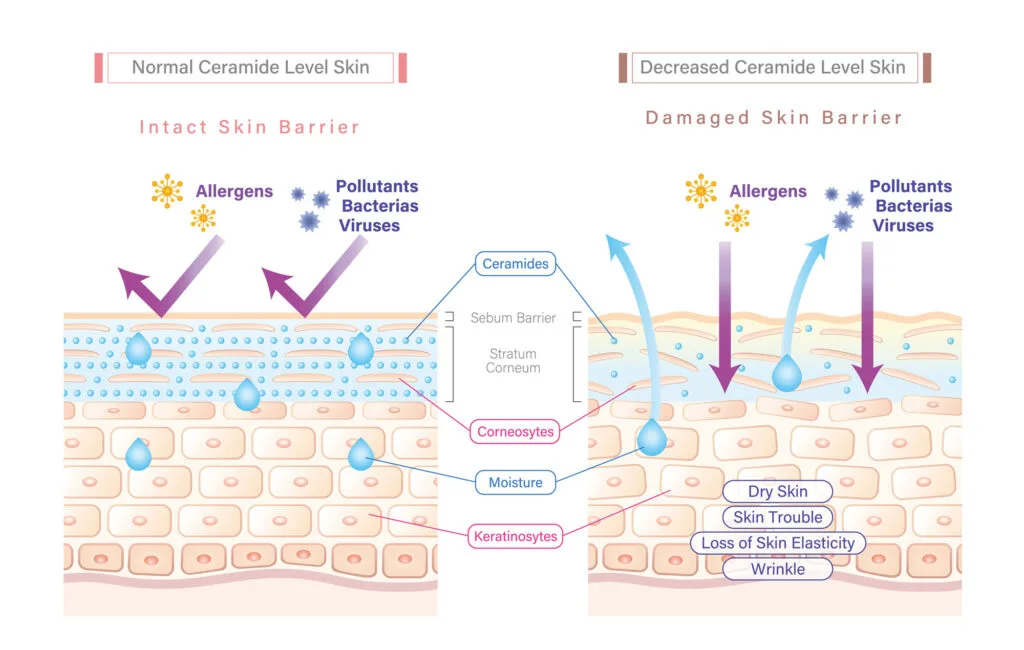
Ceramides make up about half of the intercellular lipid matrix in the stratum corneum. They are arranged in orthogonal lamellar structures that control how much wetness is retained and how well the skin defends itself against the outside world. The powder extract has sphingoid bases connected to fatty acids through amide bonds. Different subclasses (NP, AP, and EOP) have different barrier roles. Natural ceramides that come from plants or yeast fermentation have stereochemical structures that are similar to human skin lipids (2S, 3S, 4R). Synthetic versions, on the other hand, may make racemic mixes that are less bioactive.
This level of structure accuracy is important for B2B buyers because skin-identical shapes help receptors dock and integrate with natural lipids. According to a study in the Journal of Investigative Dermatology, putting phytoceramides on the skin raises the amount of ceramide in the stratum corneum by 35% in just four weeks. This is linked to a noticeable decrease in transepidermal water loss.
Physical and Chemical Properties
Ceramide powder usually looks like a white to off-white solid substance that melts at temperatures between 90°C and 120°C, depending on the chain length and classification. Because it is lipophilic, it needs to be handled in a certain way. The powder doesn't dissolve in water, but it spreads out easily in hot oil phases or amphiphilic solvents. According to the technical requirements, the product must be purified by HPLC above 95%, have a heavy metal level below 10 ppm, and have controlled residual solvents that meet medicinal grade standards.
There are clear benefits to using powders instead of pre-mixed liquid dispersions. Formulators have full control over delivery systems when they don't add any binders or preservatives. This is true whether they are making liposomal serums, multi-lamellar emulsions, or anhydrous creams. Unsaturated fatty acids are less stable at high temperatures than ceramides. However, ceramides can be broken down by water in very basic or acidic conditions (below 4 or above 9), so buffered formulas between pH 5.0 and 6.5 are needed.
Clinical Benefits Across Skin Conditions
There is clinical proof that ceramide can be used in a number of skin situations. People with atopic dermatitis have 30% to 60% less ceramide in their skin than healthy skin, which makes the barrier function less effective and makes inflammation and pollen exposure worse. A 2019 double-blind study published in Dermatitis found that formulas with 0.5% ceramide cut Eczema Area and Severity Index scores by 42% over 12 weeks, which was better than normal emollients.
Ceramides help with daily problems like dry skin during the winter, photoaging, and sensitivity, not just in professional settings. Comparative studies show that moisturizers with ceramide improve hydration levels by 28% more than moisturizers with hyaluronic acid alone. This is because they work on the structure of the skin instead of just moisturizing the surface. This information gives people who make products the power to market ceramide-based goods with legitimate claims of effectiveness that are backed up by peer-reviewed study.
Formulation Applications: How to Use Ceramide Powder Effectively
Optimizing Concentration and Solubilization
To successfully integrate ceramide, you must first understand the concentration limits. For clinical upkeep, concentrations of 0.05% to 0.2% are usually enough, while 0.5% to 1.0% is used for extensive repair formulas for damaged barriers. If lamellar stability fails, higher amounts don't always make things better; the ceramide has to form bilayer structures that look like skin.
Getting the compounds to dissolve is the main scientific problem. When mixed with oil, pure ceramide powder needs to be heated to 90°C to 95°C until it is completely clear. Best practice in the industry is to dissolve the powder in Octyldodecanol or amphiphilic esters first, then add it to the main oil tank. This keeps the powder from crystallizing while it cools. When formulators work with emulsion systems, they need to keep the operating temperatures above the freezing point of ceramide until the structure of the emulsion is stable.
Synergistic Combinations with Active Ingredients
Here are the smart combinations that make barrier repair work best:
- Ceramide + Cholesterol + Free Fatty Acids: The 3:1:1 molar ratio mimics the lipid makeup of the stratum corneum, making liquid crystal networks that improve barrier function. This mix is found in clinical-grade emulsions that treat serious xerosis and help people heal after surgery.
- Ceramide + Hyaluronic Acid: Hyaluronic acid moisturizes the skin's surface right away, and ceramides strengthen the barrier over time. This two-step process fixes both the visible signs of dryness and the underlying structural problems. It is often used in anti-aging serums where dehydration and low fat content are problems.
- Ceramide + Niacinamide: Niacinamide increases the production of natural ceramide, and exogenous ceramide powder gives the structure instant support. According to a study in the British Journal of Dermatology, this mix raises the amounts of ceramide in the stratum corneum by 67% compared to treatments using only one drug.
These formulation techniques help products stand out in crowded markets by giving real performance benefits that can be proven through instrumental tests and buyer opinion studies.
Stability Considerations and Storage
Ceramide powder is more resistant to oxidation than unsaturated fats, but it needs to be stored properly to keep its effectiveness. Conditions like sealed containers, temperatures below 25°C, and shelter from direct light are all good. Stability in finished products relies on controlling the pH, having antioxidant systems, and packing that keeps oxygen out as much as possible.
Tests of accelerated stability at 40°C/75% RH should show that less than 5% of the ceramide breaks down in six months. Mass spectrometry and C13-NMR studies show that the molecules are whole, separating real ceramides from fake ones that don't have sphingoid base structures. During the approval process for suppliers, quality control teams should ask for these analytical results to make sure the raw materials are real.
Procurement and Market Insights for Ceramide Powder
Purity Standards and Certification Requirements
B2B buying choices depend on quality measures that can be checked. Reliable providers give out Certificates of Analysis that show the HPLC test is pure (≥95%), there are no common allergens, and the total plate count is less than 1000 cfu/g for microbes. Standards for making things are backed up by international approvals, such as ISO 22716 for cosmetics, GMP compliance for dietary supplements, and HACCP guidelines for food-grade uses.
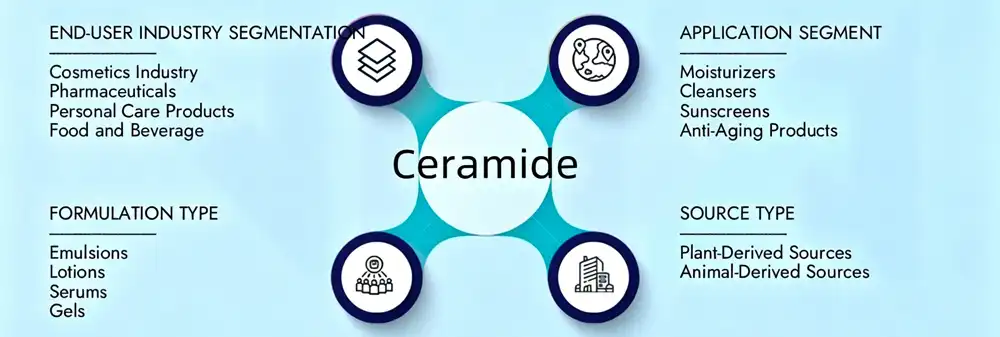
The difference between ceramides that come from fermentation and those that are made in a lab has an effect on both how they are regulated and how they are advertised. Using yeast fermentation (usually Pichia ciferrii) to make "nature-identical" ceramides with the right stereochemistry gives clean-label goods a premium place. Chemical synthesis is cheaper, but it needs careful chirality control to avoid racemic mixes with inactive isomers.
Global Supply Chain Dynamics
Asia, Europe, and North America are the main ceramide powder producers. For big orders (500 kg or more), Asian sources often offer low prices. On the other hand, European makers put a lot of emphasis on organic certifications and tracking paperwork that meets COSMOS standards. Food-grade phytoceramides from wheat, rice, or konjac are sold to the dietary supplement industry in North America by wholesalers.
Reliability in the supply chain includes more than just prices. It also includes lead times, minimum order amounts, and the ability to provide technical help. Suppliers who offer flexible MOQs (starting at 1 kg for development stages), custom concentration blends, and formulation advice are good for OEM/ODM makers. Logistics issues include shipping with controlled temperatures for places with harsh weather and new packing ideas like nitrogen-flushed foil pouches that keep food fresh longer while traveling across borders.
Private Label and Customization Capabilities
The private-label market is growing, and suppliers need to be able to make unique formulations and white-label packages. Well-known companies help with research and development to make special mixes that combine different types of ceramides (NP, AP, and EOP) with other lipids and actives that work well together. This partnership model speeds up the time it takes to market for brands that don't have their own recipe experts and makes sure that all target markets follow the rules.
Advanced Insights and Industry Trends
Natural Versus Synthetic: The Evolving Debate
Phytoceramides made from wheat, rice, or konjac glucosylceramides are preferred by consumers who want plant-based ingredients. These natural sources are good for clean beauty and vegan formulas, but the prices can change because of differences in supply and extraction rates. Fermentation technology fills in this gap by using biotech to make ceramides that are exactly the same as those found in nature without relying on agriculture.
Synthetic ceramides are still useful in pharmaceutical uses that need to be completely pure and consistent from batch to batch. In the end, the choice between sources is based on how to place the product in the target market, the rules that apply, and the cost-performance needs of each product group.
Emerging Formulation Technologies
Up until 2024, innovation trends will focus on making transportation systems work better. Liposomal encapsulation improves the entry of ceramide beyond the stratum corneum, which replenishes the skin's low fat stores as it ages. Nano-emulsion technologies make particles smaller than 200nm, which improves the way they smell and taste without lowering their effectiveness. These improvements make it possible for lighter layers that appeal to people who don't like heavy barrier creams.
Nutricosmetics are another area of growth, and mouth ceramide vitamins have been shown to help keep the body's tissues hydrated. According to research published in Skin Pharmacology and Physiology, taking 40 mg of phytoceramide every day makes the skin 15% more hydrated over the course of 12 weeks. For this use, food-grade materials that don't break down in the stomach are needed, which gives pure ceramide powder suppliers new product groups to choose from.
Regulatory Landscape and Compliance
Regulatory structures affect how different areas buy things. The U.S. Food and Drug Administration (FDA) labels ceramides as either cosmetic ingredients or dietary supplements, based on how they are meant to be used. Each group needs its own set of GMP standards. European Union rules under REACH require safety studies and possible allergen declarations for ceramides made from wheat. This makes gluten-free promises more difficult to make.
As brands try to meet environmental requirements, international standards like COSMOS organic certification and Ecocert approval play a bigger role in how businesses buy things. The approval process for global product launches is sped up when suppliers provide all the necessary regulatory paperwork, such as safety data sheets, food statements, and country-specific compliance letters.
Making the Right Choice: Selecting Ceramide Powder for Your Business Needs
Defining Your Quality Criteria
The goals for the end product must be in line with the ceramide standards. For eczema or serious xerosis treatments to be considered clinical-grade, they must be pharmaceutically pure (>98%) and have stable data that can be proven. When cosmetic uses need to balance performance with cost, they can use 95% purity types when they can't afford to use premium ingredients. Dietary supplement makers care more about food-grade standards and stomach safety than about how well the supplement works on the skin.
Certificates of Analysis are not the only way to check something. Ask for C13-NMR or mass spectrometry studies that show which ceramide structures are real and which ones are fake. It's important that INCI names are correct—real ceramides list specific categories (Ceramide NP, Ceramide AP), not general trade names that hide inferior products.
Evaluating Supplier Partnerships
Competitive prices aren't enough for long-term business agreements. Different suppliers offer different kinds of technical support. For example, having access to formulation chemists, help with stability tests, and regulation advice adds value beyond just buying raw materials. When problems with solubilization or stability come up during product development, well-known companies with in-house R&D teams can help with fixing.
When going from pilot batches to full production, supply dependability is very important. Suppliers who have extra manufacturing capacity and safety stock plans keep product launches from being delayed by problems. Case studies from successful supplement brands show how smart supplier relationships, marked by open communication and working together to solve problems, allow for faster innovation cycles and quicker response times to the market.
Balancing Cost and Performance
Premium ceramides that come from fermentation are more expensive than manufactured ones. This is because they are said to be nature-identical, which helps them sell in the clean-beauty market. Synthetic ceramides work well for brands on a budget in mid-range goods where expensive ingredients aren't possible because of the high cost per unit. The decision framework compares the cost of the ingredients to the expected selling price, the expectations of the target group, and the place of the company in the market.
When buyers commit to buying in bulk, they can get better prices, but they have to weigh the costs of keeping goods against the saves they'll get per unit. Just-in-time delivery models that maximize working capital while making sure materials are available during regular demand spikes are made possible by forecasting together with providers.
Conclusion
Ceramide powder is a scientifically proven way to fix barriers, improve hydration, and make products stand out in a number of different industries. B2B buyers can make smart decisions about where to buy things when they understand how molecules work, what they need to be made, and how to get them. As more clinical data, customer education, and government focus on barrier health come together, ceramides become a key nutrient for new skincare, food supplement, and therapeutic products. Brands can take advantage of this growing market potential by forming strategic relationships with suppliers that put quality, technical support, and following the rules first.
FAQ
What distinguishes ceramide powder from cream formulations?
The powder form contains concentrated active ingredients that need to be mixed with skill, giving formulators full control over delivery methods, amounts, and combinations that work well together. Cream recipes have ceramides that are already spread out in the emulsion bases. This makes production easier but limits the ways that the product can be customized.
How does ceramide powder benefit eczema-prone skin formulations?
Supplementing with ceramide fixes the lipid deficiencies that cause atopic dermatitis by strengthening the barrier and stopping the entry of inflammation mediators, according to clinical study. Disease severity scores and quality-of-life measures get better with formulations that have 0.5% to 1.0% ceramides.
What shelf life can I expect from ceramide powder?
High-purity ceramide powder stays stable for 24 to 36 months if it is kept in sealed cases below 25°C and away from light. When adjusted to pH 5.0–6.5 and protected with the right antioxidant systems, finished products usually stay stable for 24 months.
How do I verify authentic ceramides versus pseudo-ceramides?
Ask for scientific records that show sphingoid base structures using C13-NMR or mass spectrometry. Ceramide NP, AP, and EOP are special INCI classifications that real ceramides use instead of general trade names. Certificates of Analysis should show that the assay purity is above 95% using HPLC.
Partner With Bolin Biotechnology for Premium Ceramide Solutions
Shaanxi Bolin Biotechnology Co., Ltd. is an expert at providing ultra-pure ceramide powder that meets the strict requirements of companies that make medicines, cosmetics, and nutraceuticals. We've been in business since 2012 and have ISO, GMP, and HACCP standards that make sure we follow the rules in all global markets. We mix plant-based innovation with strict quality control. Our fermentation-derived ceramides have stereochemistry that is similar to nature, which makes them more bioactive. Our scientific team can help with formulation from pilot development to commercial scaling.
As a reliable ceramide powder supplier, we know how hard it is for B2B clients to deal with issues like solubilization problems and the need for legal paperwork. For research projects, we offer customizable MOQs starting at 1 kg, full analytical results that include C13-NMR verification, and low bulk prices for mass production. Our ceramide solutions provide measured performance backed by stability data and safety paperwork, whether you're making barrier-repair creams, oral beauty supplements, or clinical-grade medicines.
Contact our sourcing team at sales1@bovlin.com to request samples, discuss custom formulations, or explore private-label partnerships. Visit bolinbiotech.com to discover how our plant extract expertise and responsive service support your product innovation goals.
References
Coderch, L., López, O., de la Maza, A., & Parra, J. L. (2003). Ceramides and skin function. American Journal of Clinical Dermatology, 4(2), 107-129.
Meckfessel, M. H., & Brandt, S. (2014). The structure, function, and importance of ceramides in skin and their use as therapeutic agents in skin-care products. Journal of the American Academy of Dermatology, 71(1), 177-184.
Chandar, P., Nole, G., & Johnson, A. W. (2009). Understanding ceramides and their role in barrier function and skin hydration. Cosmetics & Toiletries, 124(8), 37-45.
Boisnic, S., Branchet-Gumila, M. C., Le Charpentier, Y., & Segard, C. (1999). Repair of human skin explants after aggression with sodium lauryl sulfate: Use of ceramides. Exogenous Dermatology, 1, 260-268.
Uchida, Y., & Park, K. (2021). Ceramides in skin health and disease: An update. American Journal of Clinical Dermatology, 22(6), 853-866.
Simpson, E. L., Berry, T. M., Brown, P. A., & Hanifin, J. M. (2010). A pilot study of emollient therapy for the primary prevention of atopic dermatitis. Journal of the American Academy of Dermatology, 63(4), 587-593.