_1745226507162.webp)

Ashwagandha Root Extract: Benefits Uses and Safety Guide
Withania somnifera, a plant that has been used in Ayurvedic medicine for more than 3,000 years, was the source of the ashwagandha root extract powder, one of the most scientifically proven adaptogenic herbs available. This concentrated extract has consistent amounts of withanolides, the bioactive chemicals that give it its healing qualities. This makes it different from plain ground root powder. As the need for ashwagandha root extract powder grows around the world in the nutraceutical, pharmaceutical, and functional food industries, it is important for procurement professionals and product developers who want to make health-conscious products to understand its technical specifications, evidence-based uses, and quality standards.
Understanding Ashwagandha Root Extract Powder
Botanical Origins and Extraction Technology
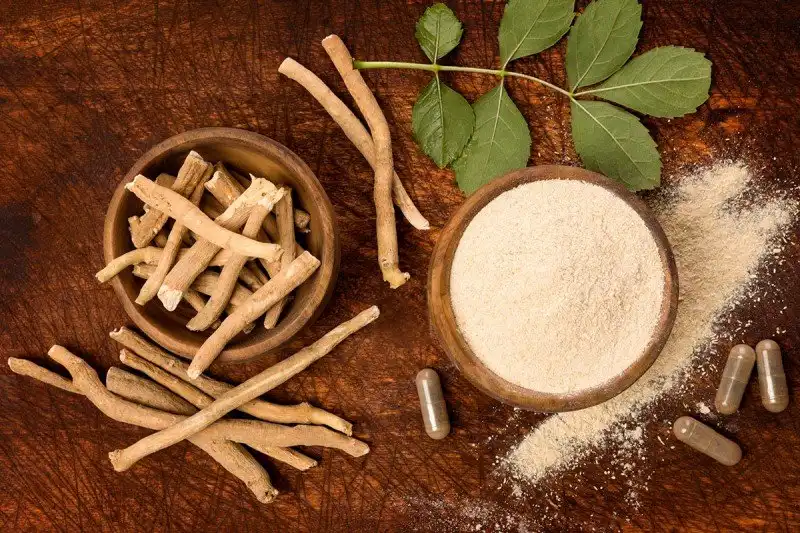
Withania somnifera does best in dry places in India, the Middle East, and some parts of Africa. During the extraction process, hydroalcoholic or watery methods are used to turn raw roots into concentrated powders. The powders are then sprayed-dry to keep their biological integrity. Standardized ashwagandha root extract powder ensures specific withanolide concentrations—usually between 1.5% and 10%—as proven by confirmed HPLC methods. This is different from raw root powder, which has inconsistent active levels. This standardization makes sure that there is stability from batch to batch, which is important for clinical effectiveness and legal compliance.
Quality Parameters and Technical Specifications
There are a few physical and chemical traits that make premium ashwagandha root extract powder stand out. The stuff should be a fine, light to medium brown powder with particles that are small enough that 95% of them can pass through an 80-mesh screen. The moisture level must stay below 5% to keep the food stable on the shelf and stop microbes from growing. The smell and taste usually have a characteristic earthy, slightly bitter taste with few other notes.
Chemical signs are more than just the amount of withanolide present. Using advanced analysis methods, we can find certain molecules, such as Withaferin A (0.1-0.4%), Withanolide A (0.2-0.6%), and other oligosaccharides that help to modulate the immune system. HPTLC fingerprinting and DNA barcoding are used by good providers to make sure the species is real and to find leaf adulteration, which is a common way to save money that adds hepatotoxic withanone at harmful levels.
Organic versus Conventional Production
Organic approval (USDA, EU) makes sure that crops are grown without using synthetic fertilizers or pesticides. This is appealing to North American customers who want products with clean labels more and more. When testing organic products, tighter residue limits must be met. Heavy metal limits must meet California Prop 65 guidelines. Specifically, Lead levels must stay below 0.5 ppm, Arsenic levels must stay below 1 ppm, Cadmium levels must stay below 0.3 ppm, and Mercury levels must stay below 0.1 ppm. These levels must be confirmed by ICP-MS analysis. For microbiological safety, the Total Aerobic Microbial Count must be less than 1,000 cfu/g, the Total Yeast and Mold Count must be less than 100 cfu/g, and pathogens such as E. Salmonella and E. coli.
Health Benefits and Applications of Ashwagandha Root Extract Powder
Stress Reduction and Mood Enhancement
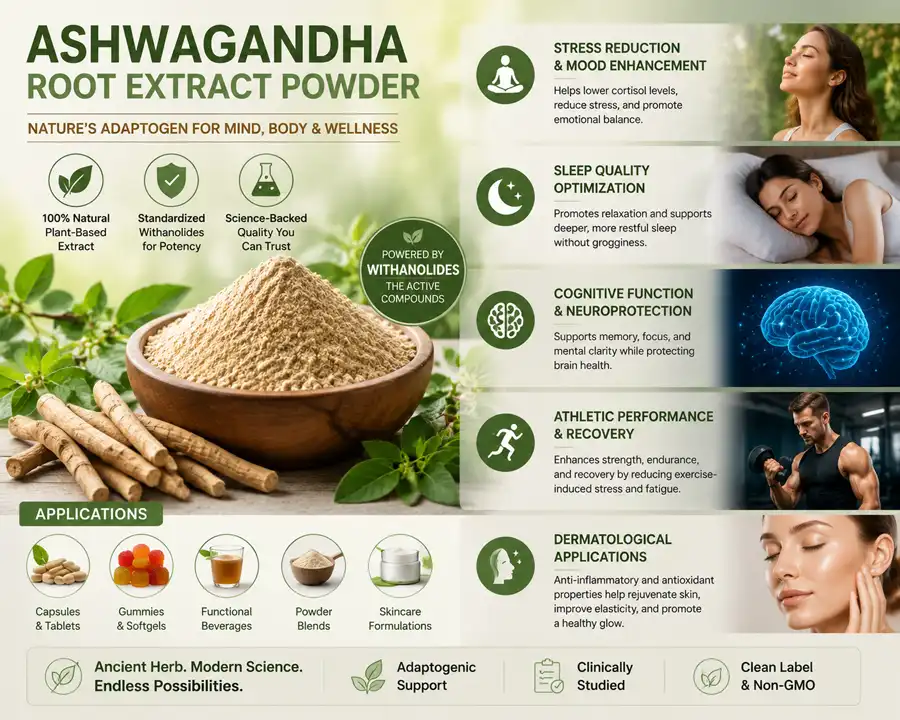
In clinical studies, ashwagandha root extract powder has been shown to have an amazing ability to change the HPA axis, which controls the stress reaction. A study in the Indian Journal of Psychological Medicine that was double-blind found that people who took 300 mg of a standardized extract twice a day saw a 44% drop in their reported stress scores after 60 days. Cortisol levels dropped by about 28% compared to the control groups. Cortisol is the main stress hormone. Based on these results, ashwagandha root extract powder could be used as a main ingredient in stress-relieving pills, mood-balancing candies, and adaptogenic drinks that are aimed at the $4.3 billion US stress-relief market.
Sleep Quality Optimization
Withanolides work by connecting to GABA receptors and helping you relax without the sleepy effects that come with most manmade sleep aids. In clinical studies with people who had insomnia, those who took 600 mg every day reported big improvements in how quickly they fell asleep, how long they slept, and how well they slept after eight weeks. Because the extract contains triethylene glycol, which helps people fall asleep, it can be used in products for bedtime, nighttime drinks, and fast-absorbing sublingual formulas.
Cognitive Function and Neuroprotection
In addition to helping with stress, ashwagandha root extract protects neurons in a number of ways, such as by being an antioxidant, stopping acetylcholinesterase, and encouraging the growth of dendrites. Studies show that brain function, attention span, and the speed at which we handle information all get better. Regular supplementation is especially good for memory consolidation; people who took part in the study had better scores on both their instant and general memory tests. These cognitive uses create chances for nootropic supplements, functional drinks for workers, and senior health formulas that fight the loss of cognitive function that comes with getting older.
Athletic Performance and Recovery
New study backs up ashwagandha root extract powder's use in sports diet. Athletes who took the extract as a vitamin had stronger muscles, better VO2 max, and less muscle damage from exercise. The adaptogenic traits help keep cortisol levels from rising too high after hard training, which helps the body heal faster. For sports use, the recommended daily dose is between 500 mg and 600 mg, spaced out around exercise times. This makes the extract a useful addition to pre-workout mixes, shakes for healing after a workout, and nutrition bars for endurance training that are aimed at elite athletes.
Dermatological Applications
Ashwagandha root extract powder is used more and more in makeup because it has anti-aging, anti-inflammatory, and antioxidant qualities. Withanolides get rid of free radicals that speed up the aging process of the face and change the way inflammation works in conditions like acne and eczema. Topical versions can use the extract's ability to boost collagen production and make the skin's barrier work better. Dermatological tests have shown that concentrations between 2 and 5 percent work well in serums, creams, and overnight treatments without irritating the skin.
Safe Usage Guidelines and Side Effects
Recommended Dosage Protocols
For managing stress and anxiety, clinical research backs up daily doses of 300 mg to 600 mg of pure extract (containing 5% withanolides). Up to 600 mg taken 30 to 60 minutes before bedtime may be used in therapeutic settings to help people sleep better. A lot of athletic performance programs use split doses that add up to 500–600 mg per day. Product formulators should keep in mind that higher concentrations of withanolide (8–10%) need proportionally lower amounts of extract to keep bioactive delivery at the same level.
Safety Profile and Contraindications
Overall, ashwagandha root extract powder has been shown to be well tolerated in human studies. Less than 5% of people who use it will have mild stomach problems, usually when they take it on an empty stomach. The extract might lower blood sugar and blood pressure, so people who are taking drugs to treat diabetes or high blood pressure need to be watched closely. Pay attention to how ashwagandha root extract powder affects thyroid hormones. It can raise T3 and T4 levels, which could be bad for people who have hyperthyroidism or are on thyroid replacement therapy.
Special Population Considerations
Due to a lack of safety statistics and standard worries about uterine stimulation, pregnancy and breastfeeding are not recommended. People with autoimmune conditions should talk to their doctors because immune-modulating drugs might make some conditions worse. Stopping at least two weeks before surgery keeps possible interactions with drugs and blood pressure control from happening. Manufacturers should make these safety tips clear on product labels and in teaching materials so that customers can make smart decisions.
Dispelling Common Misconceptions
Even though some people say it online, ashwagandha root extract powder that comes from the right place has not been shown to be harmful to the liver as long as the levels of withanolide are within normal ranges. Concerns about the liver have been linked to leaf-contaminated goods that contain too much withanone. This risk is completely eliminated when you buy from quality sellers who provide Certificate of Analysis (CoA) documents that show root-only sourcing. The extract is different from chemical anxiety killers because it does not lead to dependence or withdrawal symptoms.
Buying Guide for Ashwagandha Root Extract Powder: What B2B Buyers Should Know?
Critical Quality Verification Steps
Before making a deal with a seller, people in charge of purchasing should demand detailed analytical paperwork. Third-party tests must be done to make sure that the active ingredient is correct (HPLC-validated withanolide profiles), that heavy metals are screened for (ICP-MS reports), that pesticide residues are analyzed (GC-MS/LC-MS covering 500+ compounds), that microbiological safety is met, and that solvent residue testing meets USP standards. Organic approvals from well-known groups like the USDA, EU, and JAS make clean labels more marketable.
Transparency from suppliers about where botanicals come from is also very important. Reputable makers provide tracking paperwork that connects batches of finished extract to specific growing areas and harvest dates. This openness in the chain of control backs up claims of sustainability and guards against supply chain fraud, which is being looked at more closely by regulatory bodies.
Product Format Comparisons
There are different ways to get ashwagandha extract powder products, and each has its own benefits. Spray-dried powder is still the most flexible choice because it can be used for capsules, pill compression, packs, and drinks. Water-soluble forms make it easier for clear drinks to mix, but they sometimes need extra processing helpers. Liposomal products improve absorption but cost a lot more. Before placing large orders, companies that make capsules and tablets should do trial tests to see how the materials run and how easily they can be compressed.
Strategic Sourcing Considerations
Different providers have very different minimum order amounts. For specialty producers, it can be as low as 25 kg, while for commodity-focused manufacturers, it can be 500 kg or more. Smaller MOQs give you more freedom during the product development and testing steps for niche markets. On the other hand, bigger contracts usually give you better pricing and faster production scheduling. Seasonal changes in lead times—for example, India's harvest cycles (October to March) affect access, so it's important to plan ahead to keep supply lines stable.
For international shipping to work, you need to make sure you have all the right paperwork, like Health Certificates, Phytosanitary Certificates, and import permits that are specific to each country. Experienced providers make it easier for customs clearance by working with freight forwarders and giving effective regulatory advice.
Integrating Ashwagandha Root Extract Powder Into Your Product Line or Supply Chain
Nutraceutical Formulation Strategies
Ashwagandha root extract powder works well with other plants and nutrients that are similar. The extract is often combined with L-theanine, magnesium, and B-vitamin combinations in stress-support formulas to provide full HPA axis support. Melatonin, valerian, and chamomile work well together in sleep formulas. Nootropic mixes use ashwagandha root extract powder, bacopa, lion's mane, and phosphatidylserine together to improve brain function in many ways.
Dosage comes in a variety of forms, from the more common pills and tablets to new and interesting candies, powdered drink mixes, and liquid tinctures. Managing the extract's natural bitterness in candies requires careful flavor hiding, while making sure the powder is evenly distributed in beverage powders requires paying attention to particle size and possible clumping.
OEM and White-Label Opportunities
Private-label companies are looking for ashwagandha root extract powder goods more and more to meet customer demand without spending a lot of money on research and development. Formulators with a lot of experience offer complete solutions that include custom mixes, making the finished product, designing the package, and making sure that all the rules are followed. Customized label claims, delivery forms, and ratios can be made to fit different market positioning strategies thanks to flexible production capabilities.
Regulatory Compliance Frameworks
To get into the US market, you have to follow the FDA rules for food products set out in DSHEA. Manufacturers must follow Current Good Manufacturing Practices (cGMP), keep detailed records of their facilities, and back up promises on labels with proof. Novel Food laws and EFSA standards are strictly followed in European markets. Health claims often need to be approved before they can be sold. GMP certification from well-known auditing groups like NSF, UL, and SGS shows that the product meets the quality standards that big stores and distributors are looking for.
Keeping good records can help you avoid problems with the government. Suppliers should keep detailed technical dossiers that include stable studies, safety statements, GMO status declarations, and files with proof to back up marketing claims. Keeping up with changing rules, especially those that deal with contaminant limits and marking needs, helps protect brand image and market access.
Market Trends and Growth Projections
According to a study of the market, the global ashwagandha root extract powder market is growing quickly, with annual growth rates of more than 11% through 2028. People in North America drive a lot of demand because they know more about adaptogenic plants and prefer green ways to deal with stress. Younger people are especially interested in functional drinks and easy-to-use delivery methods that include ashwagandha root extract powder in their daily health practices.
The market potential is still growing thanks to new uses. More and more, performance-focused sports nutrition brands are using the extract in their goods. Supplements that promote beauty from within use its skin-benefits. Pet product companies are also looking into ashwagandha root extract powder as a way to help animals deal with stress. Because these applications are so different, they open up possibilities for product makers and strategic buyers who are ready to take advantage of changing consumer tastes.
Conclusion
Ashwagandha root extract powder is a plant ingredient that has been proven to work by science. It has many uses in the cosmetics, nutraceuticals, pharmaceuticals, and functional foods. Its adaptogenic properties meet important consumer needs for natural stress relief, better sleep, brain support, and general health improvement. For B2B procurement to go well, you need to know the technical requirements, expect strict quality checks, and choose providers who are committed to being open and following the rules. Strategically adding expensive ashwagandha root extract powder to product lines gives them an edge in health-conscious areas where demand is growing quickly.
FAQs
What standardized withanolide concentration should I specify for stress-support formulations?
Most of the studies that show stress reduction and cortisol control use products that are standardized to 5% withanolides and give 300–600 mg daily. This dosage is the standard for stress-relieving supplements because it is both useful and cost-effective. Higher concentrations (8–10%) allow less extract to be used per dose, which is good for forms with limited room, like gummies or single-serve packets. Always check the method used for measurement. HPLC analysis gives more accurate results than UV-spectroscopy methods, which might overestimate the amount of active ingredient.
Can ashwagandha extract maintain stability in beverage applications with low pH levels?
Withanolides are pretty stable in fairly acidic (pH 4-6) environments, which are common in functional drinks. However, they break down more quickly in highly acidic formulations or when they are heated for a long time. Microencapsulation or encapsulation methods protect actives in pH levels that are hard to work with. Stability testing over the product's intended shelf life in real store circumstances is still needed before it goes on sale to make sure that the label claim is accurate throughout the product's life.
How do I verify my supplier provides root-only extract without leaf contamination?
Ask for analytical records that include an HPTLC fingerprint study that compares sample patterns to real root and leaf reference standards. Reliable providers do this on their own. Also, say how much withanone is allowed—levels above 0.5% are a sign that the leaf has been tampered with. DNA barcoding is a sure way to prove species and body parts, but because it's so expensive, it may only be used for initial supplier qualification and regular checks to make sure everything is correct.
Partner With a Trusted Ashwagandha Root Extract Powder Supplier
Bolin Biotechnology specializes in providing pharmaceutical-grade ashwagandha root extract powder with confirmed withanolide levels, full scientific paperwork, and full regulatory compliance for markets around the world. Our ISO-certified factories use cutting-edge extraction methods that guarantee uniform strength, low levels of contaminants, and high batch-to-batch dependability. We help product developers and procurement managers by offering variable minimum order amounts, expert formulation advice, and full tracking from the time of cultivation to the time of delivery. Whether you're putting out stress-relieving vitamins, useful drinks, or new cosmetic formulas, our team can give your brand the quality assurance and supply chain stability it needs. Talk to our experts at sales1@bovlin.com about your unique needs and find out why top manufacturers choose Bolin Biotechnology as their chosen ashwagandha root extract powder supplier.
References
Chandrasekhar K, Kapoor J, Anishetty S. A prospective, randomized double-blind, placebo-controlled study of safety and efficacy of a high-concentration full-spectrum extract of ashwagandha root in reducing stress and anxiety in adults. Indian Journal of Psychological Medicine. 2012;34(3):255-262.
Lopresti AL, Smith SJ, Malvi H, Kodgule R. An investigation into the stress-relieving and pharmacological actions of an ashwagandha extract: A randomized, double-blind, placebo-controlled study. Medicine. 2019;98(37):e17186.
Salve J, Pate S, Debnath K, Langade D. Adaptogenic and anxiolytic effects of ashwagandha root extract in healthy adults: A double-blind, randomized, placebo-controlled clinical study. Cureus. 2019;11(12):e6466.
Wankhede S, Langade D, Joshi K, Sinha SR, Bhattacharyya S. Examining the effect of Withania somnifera supplementation on muscle strength and recovery: a randomized controlled trial. Journal of the International Society of Sports Nutrition. 2015;12:43.
Singh N, Bhalla M, de Jager P, Gilca M. An overview on ashwagandha: a Rasayana of Ayurveda. African Journal of Traditional, Complementary and Alternative Medicines. 2011;8(5 Suppl):208-213.
Speers AB, Cabey KA, Soumyanath A, Wright KM. Effects of Withania somnifera supplementation on measures of stress, sleep quality, and hormonal markers in healthy adults: A systematic review of randomized controlled trials. Journal of Integrative Medicine. 2021;19(2):97-105.