_1745226507162.webp)

Magnesium Glycinate vs Magnesium Citrate: Benefits, Absorption and Applications Compared
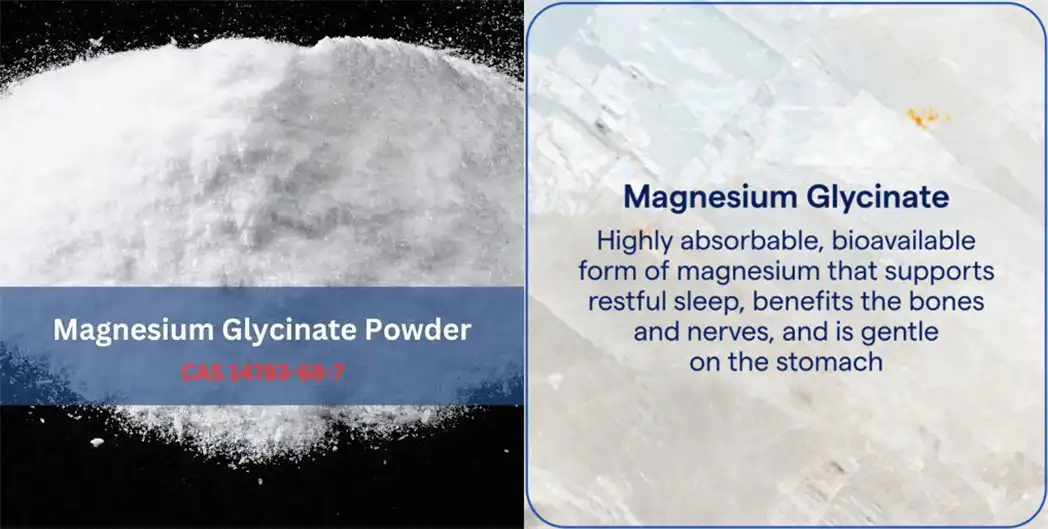
Magnesium citrate or magnesium glycinate? The choice makes a big difference in how well food supplements or useful goods work and how happy customers are with them. Pure magnesium glycinate powder is different because it has better chelation stability and gives you about 14% elemental magnesium while being easy to dissolve and not making your stomach upset. In this chelated state, the mineral is linked to the amino acid glycine. This makes a substance that doesn't cause stomach issues like inorganic magnesium salts do. This makes it great for sensitive individuals who need to take magnesium tablets regularly but don't want to go to the bathroom a lot.
Understanding Magnesium Glycinate and Magnesium Citrate
Chemical Structure and Manufacturing Distinctions
The chelated amino acid complex magnesium glycinate is made up of two glycine molecules joined together by magnesium atoms. With a molecular weight of about 172.42 g/mol, this makes a solid material. When molecules join together, they become more stable and the magnesium ion stays safe as they move through the gut. It takes careful pH control and several processing steps to make pharmaceutical-grade magnesium glycinate. This is done to get rid of any unreacted glycine that is left over and keep the chelate ratios steady.
When citric acid and magnesium carbonate or oxide mix, magnesium citrate is formed. About 16% of this salt is made up of pure magnesium. It is an osmotically active molecule that naturally draws water to itself because it is made up of tricarboxylic acid. For bulk production, it's very important to keep an eye on crystals and moisture levels. This is because powder quickly absorbs water from the air, which changes how it moves and how it forms tablets.
Bioavailability and Absorption Mechanisms
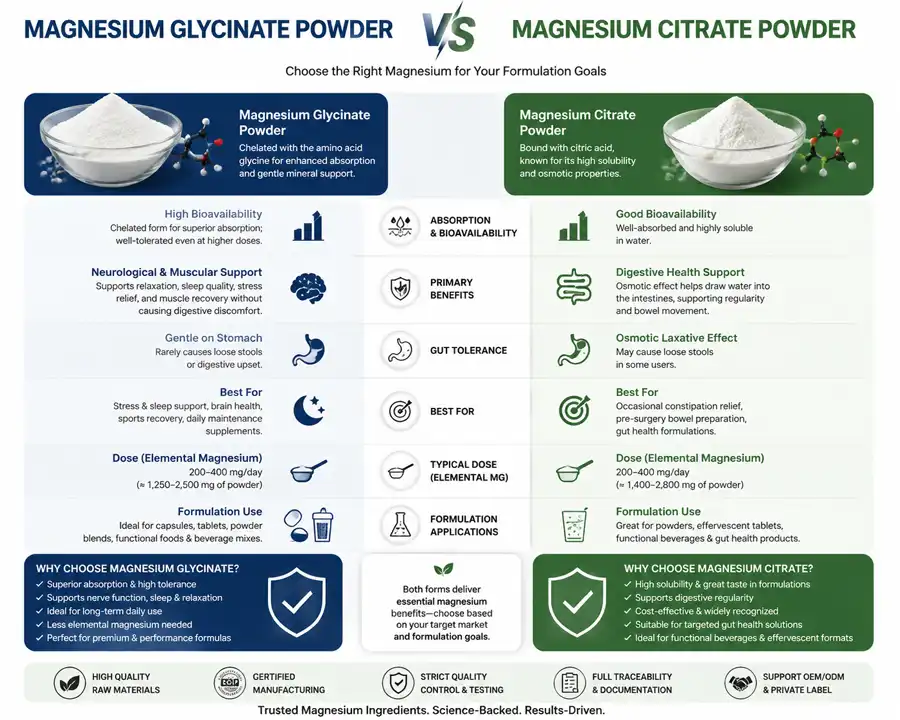
Animal tests on people show that chelated magnesium glycinate is taken at a rate of 40 to 45%, which is a lot higher than many basic forms. Glycine acts as a carrier for amino acids, which makes it easier for them to move across the gut walls without having to fight with minerals. It is made so that minerals are always absorbed, even when eaten with foods that have phytates or oxalates, which usually stop minerals from being absorbed.
Between 30 and 35 percent of magnesium citrate is accessible in a number of different ways. Because it has citrate in it, it dissolves better in stomach juices, which helps passive transfer. The osmotic properties bring water into the inside of the intestine. This makes magnesium concentration gradients higher, which helps absorption but also makes people go to the bathroom, which is why this form is useful in medicine.
Stability and Formulation Considerations
Pure magnesium glycinate powder is very steady from pH 3 to 8, which means that the chelation stays the same while it is being stored and processed. This stability lets a lot of different ways of preparing it work, like pills, tablets, and even drinks when the pieces are small enough. When it's made right, the powder doesn't absorb water easily, and the loss during drying is kept below 2.0% for the best grades.
Because magnesium citrate is more affected by moisture, strict environmental controls must be used while it is being made and packed. Solid dose forms need to use certain fillers because the chemical likes to form hydrates. Citrate dissolves easily in water, which is good for drink mixes. However, pH changes may be needed to keep it from solidifying in some materials.
Benefits Comparison: Magnesium Glycinate vs Magnesium Citrate
Neurological and Muscular Support Applications
Mineral magnesium glycinate is very useful for nerves because it can do two things. A chelating agent and an inhibitory receptor are both roles that glycine plays. This means that taking magnesium tablets might help calm you down even more. Because they work together so well, glycinate types are great for products that want to lower stress, help you sleep better, and keep your brain working well. It has been found that glycinate chelation can pass through the blood-brain barrier better than citrate types. This makes it a good choice for supplement lines that protect neurons.
Another important area where glycinate works better than others is in relaxing muscles. The chemical can change calcium channels and help muscles contract and rest normally, but it doesn't give people stomach pain that could get in the way of their workouts or daily life. This helps players and people who are having trouble with their muscles. Glycinate types are being used more and more by sports nutrition brands for healing products that need higher magnesium levels without making digestion worse.
Digestive Health and Osmotic Effects
Magnesium citrate can be found in gut health products because it is osmotic. The chemical brings water into the gut. This makes the stool softer and easier to move around. This method works best for things that help with rare constipation and getting the bowels ready for surgery. Companies that make functional foods and drinks and want to improve gut health can use citrate, which gives you magnesium and makes you go to the bathroom slowly.
The types of gut tolerance are very different from one another. Studies have shown that glycinate almost never leads to loose stools, even when taken in appropriate amounts of 400 to 500 mg of elemental magnesium per day. When people take 300 to 400 mg of citrate, on the other hand, most of them have to go to the bathroom. This difference helps with placing the product: glycinate is used for daily maintenance supplements that need strict customer compliance; on the other hand, citrate is used for targeted digestive support where osmotic action can be helpful.
Cardiovascular and Metabolic Benefits
Blood pressure, blood valve tone, and the balance of fluids are all controlled by magnesium. Both types help the heart work well. Because glycinate is better absorbed, smaller amounts are needed to reach optimal levels in the blood. This means that pills need to be smaller, and people are more likely to take their medicine as directed. Citrate's extra antioxidant help from the citric acid part isn't very useful when reactive stress is present, but it's still not magnesium's main job.
If you are making a medicine for metabolic syndrome, it can help people in either form. If you need long-term supplements and don't have bowel issues, glycinate is a good choice. This is especially true when mixed with other ingredients that help the digestion. It is used to help people whose metabolic goals are also stomach goals, since the health of the gut affects metabolic factors all over the body.
Dosage, Usage, and Application Scenarios
Standard Dosing Protocols by Demographics
In general, people should take 200 to 400 mg of elemental magnesium every day. This is about the same as 1,400 to 2,800 mg of magnesium citrate pure magnesium glycinate powder or 1,250 to 2,500 mg of magnesium glycinate powder. Some athletes who work out a lot may need higher amounts or plans where they take their medicine in the morning and evening to help their bodies heal during the day.
People over 65 should eat glycinate types because as they age, their tummies make less acid and absorption slows down. The amino acids help the body take in minerals. This is because minerals are less accessible in their normal forms when the body changes. Taking 300–360 mg of glycinate magnesium every day can help women who are having premenstrual symptoms feel better. The reason for this is that magnesium calms the nerve system and eases muscle tension.
Formulation Format Considerations for OEM Production
When it comes to dosing and mixing different ingredients, powder forms give you the most choices. Pure magnesium glycinate powder can be added to veggies mixes, protein shakes, and health recipes that cover everything. How the bits are spread out changes how they mix and how they feel in the mouth. Specifications that say 95% of the particles must pass through 80 mesh make sure that the goods are distributed evenly and don't get gritty.
You need to watch how tablets and pills move and shrink when you make them. It is possible to make straight compression tablets with glycinate because it has a steady moisture profile when mixed with the right binders and disintegrants. Because they need to stay stable while being stored, citrate goods often come with moisture protection or special coating technologies already built in. Encapsulation makes walls that keep things safe and make it easy for both types to make things.
Specialized Application Insights
A new use for magnesium glycinate that looks very promising is to stop headaches. In research trials, magnesium is given every day for at least three months at a dose of 400 to 600 mg. For people who need to stick with long-term protection plans, the fact that the glycinate form can be accepted at these higher amounts is important.
It is being added more and more to healing products after a workout, along with protein and carbs, to help muscles heal faster. The substance helps the processes that make proteins and replaces the magnesium that is lost through sweating and the body's biological needs. There is a direct link between gut tolerance and how well a product is accepted by consumers, which is why glycinate's mild profile is good for business.
Procurement Considerations for Magnesium Glycinate Powder
Quality Parameters and Grade Distinctions
Pharmaceutical-grade pure magnesium glycinate powder has to meet high standards for purity. Assay results from HPLC analysis usually fall between 98.0% and 102%. With this method, the real glycinate chelate is separated from any possible contaminants or starting materials that haven't fully reacted. Using ICP-MS to profile heavy metals sets important safety limits. Lead levels must be below 3.0 ppm, arsenic levels must be below 1.0 ppm, cadmium levels must be below 1.0 ppm, and mercury levels must be below 0.1 ppm in order to follow FDA rules and California Proposition 65 guidelines.
These rights are harder to get than regular ones, but brands that care about clean marks like them. There are two glycine molecules for every magnesium ion in a chelated form because of the bis-glycinate specs. On the other hand, buffered forms change the pH or magnesium content by mixing glycinate with small amounts of oxide or carbonate. If you understand these differences, you can avoid specification mismatches when you're talking about buying something.
Regulatory Certifications and Compliance Frameworks
With GMP approval, companies that make medicines are sure to have the right quality processes in place. Having certifications like ISO 22000 or FSSC 22000 shows that a business knows how to handle food safety in a way that vitamins and functional foods need. A risk analysis is part of the HACCP paperwork and helps with government records and customer checks.
Kosher and Halal certifications help brands around the world reach more people. Even though genetic change doesn't happen with magnesium sources, processing tools and fermentation substrates used during production are taken into account when a product is certified non-GMO. This is because what people want is taken into account in the approval. These certifications cost more when a seller is examined, but they need to be backed up by real paperwork and times when the certificates are still good.
Supplier Evaluation and Sourcing Strategy
Providers you can trust give full scientific information, like Certificates of Analysis, for every production lot. This proves that the goods are always the same from one batch to the next. Shelf-life claims are backed up by data from controlled settings (25°C/60% RH) for 24 to 36 months, which also helps with choosing the right packing. It takes less time to make new goods when there are regulatory support files with safety scores, toxicological data, and regulatory state summaries.
Planning the supply chain depends a lot on how much can be made and how reliable wait times are. When suppliers keep the right amount of extra stock on hand, they can handle sudden rises in demand or changes in the seasons that affect sales of finished goods. Official quality agreements spell out requirements, testing methods, and how to handle differences. These agreements make goals clear and protect both parties' business interests.
Magnesium Glycinate vs Magnesium Citrate: Making the Right Choice
Aligning Product Features with Market Segments
It is easier for the body to use magnesium glycinate, which is why people who make nutraceuticals for high-end health markets choose it. Customers are happier and more likely to buy again because of these traits, which are why item prices are higher. Glycinate's practical strengths and neurological benefits make it a good fit for items that claim to help with brain performance, sleep, or stress management.
Brands that focus on digestive health and supplement lines that aim for value find magnesium citrate useful. The form's well-known safety profile and gut benefits help make it clear where to put the product. Citrate is naturally soluble, which makes it easy to mix. This is especially helpful when adding magnesium to drinks.
Innovation Trends Influencing Procurement Decisions
Citrate is more useful when microencapsulation technologies hide its taste and control how it releases. Because of worries about taste, these new technologies make it possible to add more magnesium to drinks while still making them taste good. This wasn't possible before. Suppliers who offer sealed forms can help you come up with new goods by giving you formulation options.
A new technology called liposome transport systems is being used on glycinate forms of best magnesium glycinate powder. This should make them even easier for the body to use. A new study shows that placing ultra-premium goods might be possible in the future, even though it's not very useful for business yet. People who work in buying who keep an eye on these new ideas set their companies up to gain competitive advantages as technologies change.
Long-Term Value Assessment and Risk Management
One part of the price of a product is the cost of an ingredient. There needs to be less elemental magnesium to get the same amount of magnesium in the plasma because glycinate is better at being taken. It's possible that cutting back on capsules or amount sizes would help pay the higher cost of the raw materials. As a user stays with a subscription-based business, their continued value is directly linked to how tolerable the service is.
Quality assurance systems watch out for a brand's reputation and keep it in good standing with government officials. There isn't much chance of contamination and standard failures when providers show good testing methods, clear paperwork for the chain of custody, and quick technical help. These things are even more important now that officials and customers are paying more attention to the quality and dependability of supplements.
Conclusion
If you want to pick between magnesium glycinate and magnesium citrate, you should think about what you want to do with them, what your customers want, and your business goals. Because it is bioavailable and well tolerated, glycinate is perfect for high-end health products that need to be taken every day without getting in the way of digestion. The osmotic effects of citrate are useful in low-cost products and gut health-related uses. To do good procurement, you need to carefully examine suppliers, check the quality of the goods, and make sure that the features of the ingredients are properly matched with how the product will be placed in the market. By knowing these differences, formulators, sourcing experts, and brand managers can make choices that help a product work well and make money.
FAQs
Is magnesium glycinate suitable for vegan supplement lines?
When man-made glycine is used to make magnesium glycinate instead of glycine that comes from animals, the product is called vegan. Suppliers must show proof of where the raw materials and tools for making the goods came from so that they can be checked. Chemical synthesis or fermentation by bacteria are the main ways that glycine used in medicine is made. These are both ways to make foods that are good for vegans. Certification groups like Vegan Society back up claims of clean labels with proof from a third party, which builds trust among buyers.
How do side effect profiles compare between glycinate and citrate forms?
Even in small amounts that are safe for humans, glycinate doesn't change the gut system in a big way. In fact, in clinical tests, the risk of bad events was about the same as with a sugar pill. Citrate can make you go to the bathroom, but only if you take more than 300 to 400 mg of elemental magnesium every day. This difference makes it easier to make new products. For example, glycinate is better for recipes that focus on daily tolerance and compliance, while citrate is better when osmotic effects are more in line with treatment goals, like treating occasional constipation.
What methods verify powder purity before bulk purchasing?
The first thing that needs to be done to make sure that the test results, heavy metal profiles, and bacterial factors meet the standards is to look over the Certificate of Analysis. It is possible to tell the difference between real chelated glycinate and mixes that have magnesium salts that aren't as good quality or don't have enough chelation. Checking preserved samples by a third-party lab gives you independent proof, which is very useful when you're looking for new sources or making sure your paperwork is correct.
Partner with Bolin Biotechnology for Premium Magnesium Solutions
The pure magnesium glycinate powder that Shaanxi Bolin Biotechnology Co., Ltd. sells is of pharmaceutical grade and meets the high standards that B2B buyers expect. The GMP, ISO 22000, and HACCP certifications at our plant are always up to date. When food is used for medicine, nutrition, or other purposes, this makes sure the quality is always good and that all the rules are followed. We offer full technical help, which includes advice on how to make your product, data on its safety, and regulation paperwork that speeds up the process of making your product. You can buy magnesium glycinate powder from a well-known company with a low minimum order amount. This works for both new businesses and established businesses that need to buy a lot. Send our team an email at sales1@bovlin.com to talk about your goals, get detailed information, or set up a test sample.
References
Rude RK, Shils ME. Magnesium. In: Modern Nutrition in Health and Disease, 11th Edition. Lippincott Williams & Wilkins, 2014: 159-175.
Ates M, Kizildag S, Yuksel O, et al. Dose-Dependent Absorption Profile of Different Magnesium Compounds. Biological Trace Element Research, 2019; 192(2): 244-251.
Schwalfenberg GK, Genuis SJ. The Importance of Magnesium in Clinical Healthcare. Scientifica, 2017; Article ID 4179326.
Walker AF, Marakis G, Christie S, Byng M. Mg citrate found more bioavailable than other Mg preparations in a randomized, double-blind study. Magnesium Research, 2003; 16(3): 183-191.
DiNicolantonio JJ, O'Keefe JH, Wilson W. Subclinical magnesium deficiency: a principal driver of cardiovascular disease and a public health crisis. Open Heart, 2018; 5(1): e000668.
Guerrera MP, Volpe SL, Mao JJ. Therapeutic uses of magnesium. American Family Physician, 2009; 80(2): 157-162.