_1745226507162.webp)

Berberine HCL: What Makes It Different from Other Forms?
Berberine is a bioactive alkaloid that is found in plants like Coptis chinensis, Phellodendron amurense, and Berberis vulgaris. It has a strong reputation in the medicinal, nutritional, and functional food industries. When compared to other forms, the hydrochloride form is the best because it is purer and more bioavailable, making it the gold standard for metabolic health formulas. This thorough study tells procurement professionals, R&D leaders, and formulation experts important things that make berberine HCL powder different from other options. In a market that is becoming more competitive and demands quality, effectiveness, and legal compliance, it is important to understand these technical differences when making sourcing choices. The ideas in this article address the real issues that buying managers and quality control teams face as they look at suppliers and choose the best ingredient formats for their production needs.
Understanding Berberine and Its Forms
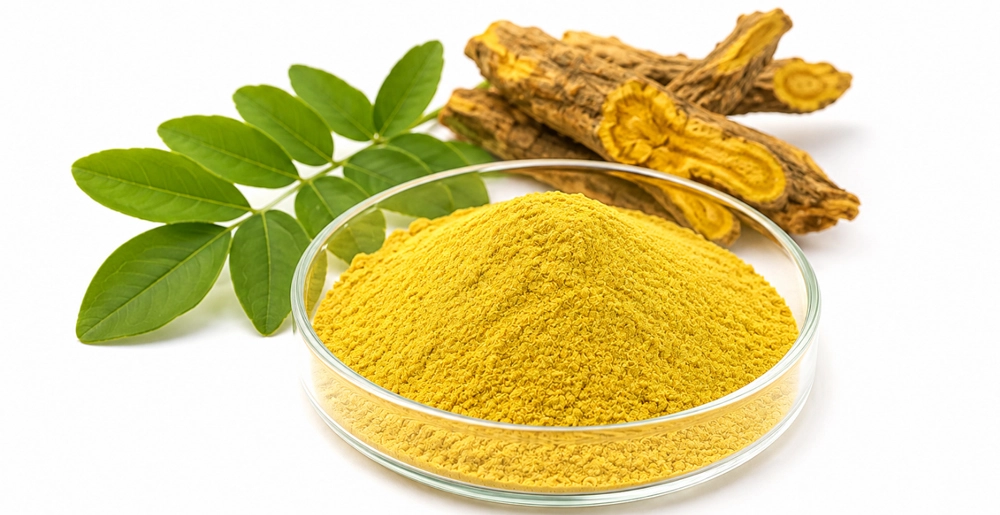
One type of berberine is a quaternary benzylisoquinoline alkaloid that has been used to treat metabolic syndrome, help the heart, and kill microbes. Berberine-containing plants have been used in traditional medicine for hundreds of years, but modern extraction methods have made it possible to get them in a number of standard forms that can be used for different manufacturing purposes.
Available Berberine Variants
There are different kinds of berberine on the market for plant ingredients, and each has its own pros and cons. Berberine hydrochloride is the best choice because it has a normal molecular formula of C20H18ClNO4 and a molecular weight of 371.81 g/mol. Berberine sulfate is another type of salt, but it is not used as much in industrial settings because it is less stable. Raw herbal products made from plants like goldthread or barberry contain berberine along with many other chemicals, which makes the alkaloid levels uncertain and ranges from 2% to 8%. Standardized plant extracts, which usually have a berberine content of between 85% and 95%, are in between crude powders and separate salts. These differences have a big effect on the accuracy of the formulation, the regulatory paperwork, and the production procedures.
Chemical Characterization
Berberine HCL powder is a bright yellow, clear, crystalline powder that tastes very bitter. The creation of the hydrochloride salt makes it more stable than the free alkaloid base, which is easily damaged by light and oxygen. Key technical features of pharmaceutical-grade material include an HPLC purity level of 97.0% to 98.0%, a loss on drying of less than 12.0%, and an ash content of less than 0.2%. The substance doesn't dissolve well in cold water, but it dissolves easily in hot water and ethanol, which makes it easier to use a variety of processing methods. Particle size distribution usually lets 95% of particles pass through 80-mesh screens, which makes sure that the particles are spread out evenly in pill and tablet grids. This controlled physical shape solves important production problems related to testing content regularity, flowability, and blending uniformity.
Key Advantages of Berberine HCL Powder Compared to Other Forms
There are measured performance gains in bioavailability, production compatibility, and quality assurance when using the hydrochloride salt format. These benefits directly lead to lower formulation costs, better product performance, and easier regulatory paths for commercial goods.
Enhanced Bioavailability and Absorption
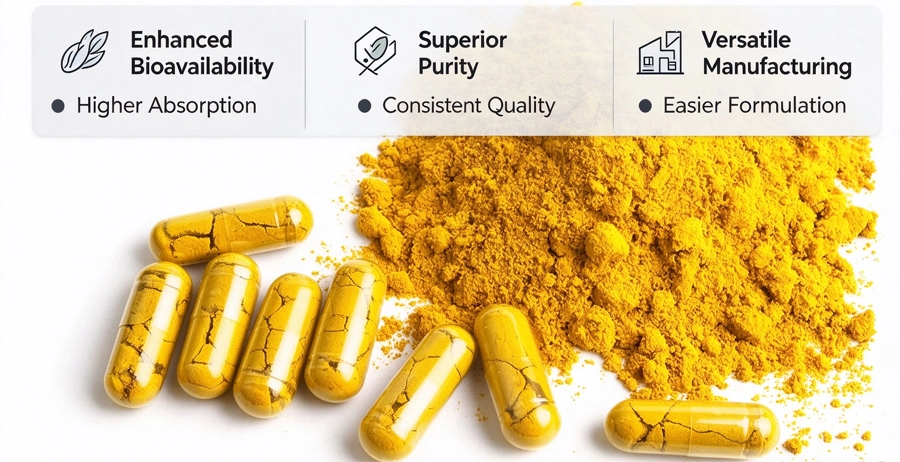
Clinical pharmacokinetic tests show that berberine hydrochloride powder is better absorbed by the body's digestive system than free alkaloid base or crude plant powders. The salt form dissolves better in water, which makes it easier for it to dissolve in digestive fluids. This solves the problem of berberine HCL powder's low absorption. According to research, the highest levels of the drug in the plasma happen about two hours after it is given. The hydrochloride structure supports stable absorption kinetics across a wide range of patient groups. This steady pharmacokinetic profile makes it possible to use dose-response relationships that are accurate, which is important for medical uses and supplement claims of effectiveness.
Superior Purity and Standardization
Pharmaceutical-grade berberine HCL powder goes through a lot of steps to get rid of heavy metals, plant matrix components, chemical leftovers, and microbes that could be harmful. Quality control that can't be achieved with raw plant materials is only possible with Certificates of Analysis that show HPLC tests, heavy metal screens below pharmacopeia limits, and total plate counts below 1,000 CFU/g. This standardization is very important for producers who need consistency from batch to batch, especially those that serve markets with strict governmental control. The managed chemical identification also makes formulating easier by getting rid of the factors that can change depending on the time of year, where the ingredients come from, and the difficulty of identifying specific plant species.
Versatile Manufacturing Applications
Processing plants gain from the berberine HCL powder's good flow and compressibility qualities, as well as the fact that it works with common packaging equipment. The crystalline structure keeps the mass density and pourability throughout the normal shelf life times, so it doesn't clump together while being stored. Berberine HCL powder can be handled in normal production settings as long as it is kept out of direct sunlight. This is different from hygroscopic crude extracts that need special care. Formulation scientists like that the ingredient works well with popular excipients like magnesium stearate, microcrystalline cellulose, and hydroxypropyl methylcellulose. This makes it easy to make tablets and capsules without having to do a lot of tests to make sure they work well together.
Procurement Insights: What to Know When Buying Berberine HCL Powder
Choosing where to get products strategically has a direct effect on the quality of the products, compliance, and profitability. Teams in charge of buying things have to look at sellers through a number of different views, such as quality systems, technical skills, and business terms.
Critical Supplier Evaluation Criteria
Companies that make berberine HCL powder that you can trust have quality management systems that are approved to ISO 9001, GMP, and industry-specific standards like NSF or NPA. Independent third-party lab tests confirm the truth of the Certificate of Analysis, adding another level of quality guarantee. Supplier audits should check that raw materials can be traced back to the plant source, that extraction methods are documented, and that retention sample programs help with lot genealogy investigations. Long-term value goes beyond unit cost when manufacturing partners show stable supply chains, written change control processes, and open communication about crop availability or regulatory updates.
Bulk Order Considerations
When negotiating a large purchase, it helps to know about common packing arrangements, container choices, and tactics for reducing freight costs. Standard business packaging includes 25-kilogram fiber drums with plastic covers. Custom packaging, on the other hand, can be made to fit specific handling needs or automatic dispensing systems. Lead times change depending on when the minerals are extracted, but reliable sources keep extra stock to cover four to eight-week shipping windows for standard grades. Buying plans that weigh the costs of keeping goods against volume prices usually aim for three to six months of supply, taking into account when products will be released and how confident people are in their demand predictions.
Powder Versus Finished Dosage Forms
When choosing between buying bulk berberine HCL powder or finished capsules, there are trade-offs in terms of capital investment, operating difficulty, and making a profit. Investing in tools, validation procedures, and quality control infrastructure is needed for in-house encapsulation, but it gives you the most formulation options and the best cost-effectiveness at scale. Contract manufacturing relationships get rid of set costs, but they might make it harder to change the recipe or protect intellectual property. Many new brands use a mix of tactics, buying finished goods at first to see if the market will accept them and then switching to buying powder in bulk when sales reach a level that justifies investing in production infrastructure.
How to Use Berberine HCL Powder Effectively — A B2B Guide for OEMs and Distributors
To get the most out of berberine HCL powder in a wide range of product categories, formulators need detailed instructions on how to mix ingredients, how much to use, and how to make sure they follow the rules.
Recommended Dosage and Timing Protocols
According to clinical research, the recommended daily dose of berberine hydrochloride powder is between 900 and 1,500 milligrams, usually spread out over two or three doses to keep plasma levels steady. Timing in relation to meals affects how quickly and easily the substance is absorbed by the body. It is generally best to eat it right before or during a meal. Specifications for the formulation should take these usage trends into mind. Capsules or tablets that give 500 milligrams per serving make it easy to follow a twice-daily schedule. Product makers who are making medicines for specific uses may change the dose based on clinical study methods that are related to claims about weight management, heart health, or glucose metabolism.
Synergistic Ingredient Combinations
Strategic co-formulation boosts berberine HCL powder's effectiveness while providing a unique product placement. Alpha lipoic acid has antioxidant properties that work with other antioxidants to help mitochondria work and insulin sensitivity pathways. Standardized curcuminoids in turmeric powder work to stop inflammatory pathways that connect to metabolic problems. Chromium picolinate raises the production of glucose transporters, which might make berberine HCL powder's effects on insulin more powerful. Formulators should make sure that ingredients work well together by doing stability studies that check the product's potency, look, and how it dissolves under conditions that speed up aging and mimic two years of normal storage.
Regulatory Compliance Frameworks
The Dietary Supplement Health and Education Act says that companies in the United States that make dietary supplements must make sure that their products follow the rules set by the FDA. These rules include backing up structure-function claims, reporting bad events, and following Good Manufacturing Practices. Novel Food rules and individual member state addition instructions must be followed in order to sell food in the European Union. Labels on products must correctly identify ingredients using common names, make dose sizes clear, and include the right warnings about when not to use the product or how it might combine with other drugs. Regulatory advice during the development stages of a product keeps it from having to be reformulated or rebranded after it hits the market, which can be expensive. This protects the brand's image and distribution investments.
Market Comparison: Berberine HCL Powder vs Other Health Ingredients
Strategic placement choices are based on competitive ingredient analysis, which helps procurement teams compare berberine HCL powder to other active ingredients that work in similar health categories.
Performance Against Pharmaceutical Alternatives
There are similarities between how berberine HCL powder works and metformin, which is the most common drug used to treat type 2 diabetes. Adenosine monophosphate-activated protein kinase is activated by both substances. This enzyme is often called the metabolic master switch because it controls the uptake of glucose and the breakdown of fats. Meta-analyses that compare berberine HCL powder supplements to metformin treatment show similar results for controlling blood sugar, but berberine HCL powder doesn't need a prescription and the restrictions that come with that. People like this natural option approach because it fits with their desire for plant-based treatments. This supports premium price strategies for condition-specific formulations. When purchasing ingredients, teams should keep in mind that berberine HCL powder has a unique place in the market as a link between traditional medicines and health products.
Botanical Ingredient Landscape
When combined with other plant ingredients that help metabolism, berberine HCL powder provides better clinical evidence and a clearer understanding of how it works. Both cinnamon extract and bitter melon can lower blood sugar, but they do so in different ways. This means that combination recipes that target more than one physiological process may work better. In the metabolic health area, gymnema sylvestre extract and fenugreek seed powder are also choices, though they have less human clinical study proof. Berberine HCL powder has a strong research base with over 2,800 published studies that help formulation teams back up their claims. This helps goods stand out in supplement markets that are getting more and more crowded.
Industry Performance Benchmarks
Leading berberine HCL powder supplement brands have a big share of the market because they focus on quality marks like pharmacopeia-grade specs, third-party purity proof, and clear sourcing practices. Customers always say that goods that record HPLC assay data, heavy metal testing, and microbiological screens are the best. Performance reviews stress how important it is to get the doses right; goods that offer clinically validated doses get better scores from customers than formulations that are under-dosed. These market details help with procurement specifications, highlighting how important it is for premium-grade berberine HCL powder to meet or exceed pharmacopeia standards in order to stay competitive, rather than just fighting on price.
| Ingredient | Mechanism of Action | Clinical Evidence Strength | Formulation & Market Positioning Strategy |
|---|---|---|---|
| Berberine HCL Powder | Activates AMPK (the "metabolic master switch"), controlling glucose uptake and fat breakdown. | Very Strong | Core Hero Ingredient: Can be marketed as a standalone natural alternative to metformin, or as the foundational base for complex formulas. Ideal for premium, condition-specific formulations. |
| Metformin | Also activates AMPK. | Very Strong | (Not a supplement competitor, but a marketing anchor). Highlight that berberine offers similar results without a prescription, appealing to the demand for plant-based treatments. |
| Cinnamon Extract | Lowers blood sugar, but via a different mechanism than berberine. | Moderate | Supporting Ingredient: Suitable for combining with berberine to develop multi-target combination recipes that address more than one physiological process. |
| Bitter Melon | Lowers blood sugar, but via a different mechanism than berberine. | Moderate | Supporting Ingredient: Pairs well with berberine and cinnamon to build diversified metabolic health blends. |
| Gymnema Sylvestre Extract | An optional choice in the metabolic health space. | Weaker | Differentiating Add-on: Can be used to expand a product line, but should not be the core selling point. Requires strong-evidence ingredients (like berberine) to back up overall claims. |
| Fenugreek Seed Powder | An optional choice in the metabolic health space. | Weaker | Differentiating Add-on: Same as above; suitable as a secondary element in a combination formula. |
Conclusion
For pharmaceutical, nutraceutical, and functional food makers who need uniform quality, legal compliance, and manufacturing compatibility, berberine HCL powder is the best form of berberine. Its improved bioavailability, uniform purity, and large amount of clinical data meet important sourcing goals for proving effectiveness, ensuring supply chain reliability, and setting the product apart in the market. Knowing the technical differences between hydrochloride salts, other types of berberine, and raw plant materials helps you make better buying choices that will help your product succeed in global markets that are very competitive. Strategic relationships with suppliers that focus on quality standards, open testing, and technical support offer long-term benefits that go beyond transactional costs. This sets makers up for long-term growth in the metabolic health and natural wellness categories, which are becoming more popular.
FAQ
Is berberine HCL safe for long-term supplementation?
According to clinical tests, berberine HCL powder is safe enough to use for long periods of time (three to six months) with few side effects. Most of the time, people report minor gastrointestinal effects like constipation or diarrhea, which usually go away when the dose or timing of treatment is changed. Some things that shouldn't be done with this drug are while you are pregnant, nursing, or taking other drugs that are broken down by cytochrome P450 pathways. When making consumer goods, procurement teams should put the right warnings on the labels and encourage people to talk to their doctors, especially if they already have a medical condition or are on a drug regimen.
What quality certifications should I verify when selecting a berberine HCL powder supplier?
Priority certifications include ISO 9001 quality management systems, GMP compliance for making food supplements or medicines, and, if needed, third-party program verifications like NSF International or USP Verified Mark. Ask for proof that the HPLC methods, heavy metal testing with ICP-MS, pesticide residue screenings, and microbial pollution studies were done correctly. Reputable makers give clear Certificates of Analysis for each production lot, along with stability data that proves the product's effectiveness over the stated shelf life periods. Supplier quality systems should show that botanical raw materials can be tracked all the way through to finished berberine HCL powder, and claims of accuracy should be backed up by a recorded chain of custody.
Partner with Bolin Biotechnology for Premium Berberine HCL Powder Supply
To get pharmaceutical-grade berberine HCL powder, you need to work with producers who can show they have technical know-how, quality control skills, and stable supply chain management. Bolin Biotechnology has been providing plant extracts that meet strict international standards, such as ISO, GMP, and HACCP approvals, to customers in the nutraceutical, medicinal, and functional food industries since 2012. Our berberine HCL powder is more than 97% pure using HPLC, and we can back this up with detailed analytical paperwork and reasonable bulk prices. Our experienced team can help you with all of your buying problems, whether you need samples to help with formulating, technical specs for regulatory submissions, or flexible minimum order numbers to support new brands. Get in touch with our sales team at sales1@bovlin.com to talk about your berberine HCL powder supplier needs and find out how our dedication to quality, safety, and customer service can help you reach your goals for product creation.
References
Zhang, Y., Li, X., Zou, D., Liu, W., Yang, J., Zhu, N., & Ning, G. (2008). Treatment of type 2 diabetes and dyslipidemia with the natural plant alkaloid berberine. Journal of Clinical Endocrinology & Metabolism, 93(7), 2559-2565.
Yin, J., Xing, H., & Ye, J. (2008). Efficacy of berberine in patients with type 2 diabetes mellitus. Metabolism: Clinical and Experimental, 57(5), 712-717.
Chang, W., Chen, L., & Hatch, G. M. (2015). Berberine as a therapy for type 2 diabetes and its complications: From mechanism of action to clinical studies. Biochemistry and Cell Biology, 93(5), 479-486.
Och, A., Podgórski, R., & Nowak, R. (2020). Biological activity of berberine—a summary update. Toxins, 12(11), 713.
Neag, M. A., Mocan, A., Echeverría, J., Pop, R. M., Bocsan, C. I., Crisan, G., & Buzoianu, A. D. (2018). Berberine: Botanical occurrence, traditional uses, extraction methods, and relevance in cardiovascular, metabolic, hepatic, and renal disorders. Frontiers in Pharmacology, 9, 557.
Feng, X., Sureda, A., Jafari, S., Memariani, Z., Tewari, D., Annunziata, G., & Shen, L. (2019). Berberine in cardiovascular and metabolic diseases: From mechanisms to therapeutics. Theranostics, 9(7), 1923-1951.