_1745226507162.webp)

Berberine Phytosome vs. Berberine HCL: What's the Difference?
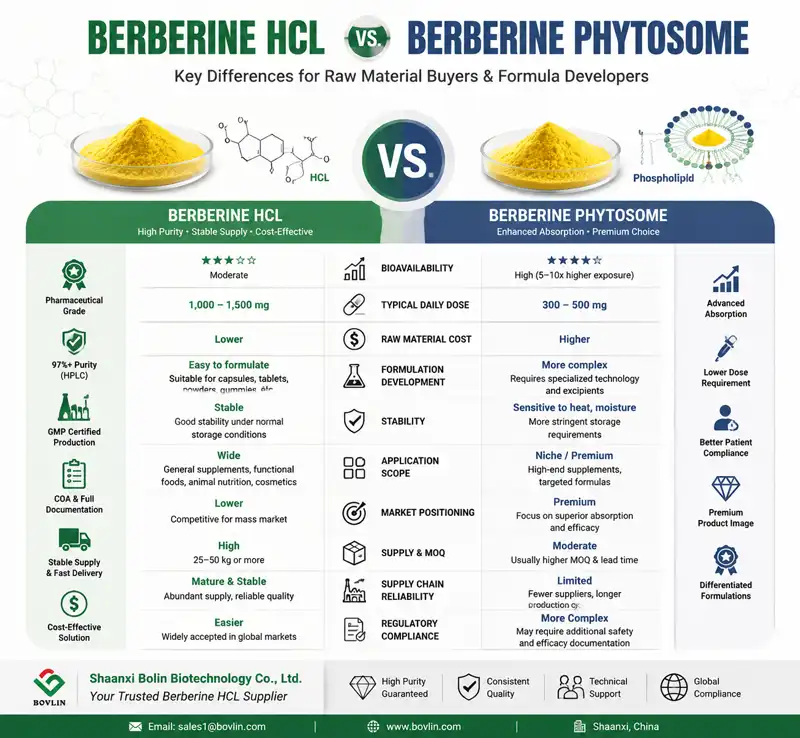
The main difference between Berberine Phytosome and Berberine HCL is how and whether they can be used by cells. The hydrochloride salt of berberine is called Berberine HCL powder. This is a clear, regular material that comes from plants like Phellodendron amurense and Coptis chinensis. It is very pure (generally ≥97% by HPLC) and stable. On the other hand, Berberine Phytosome links berberine molecules to phospholipid complexes, which makes absorption in the gut and cell entry much better. With this new technology, the problem of normal types of berberine not being very bioavailable is fixed. Because of this, phytosomes are great for high-end formulas that want to improve digestive health, help with weight loss, and support the heart because they work better and are worth the extra money.
Understanding Berberine: Forms and Functions
Botanical Origins and Extraction Standards
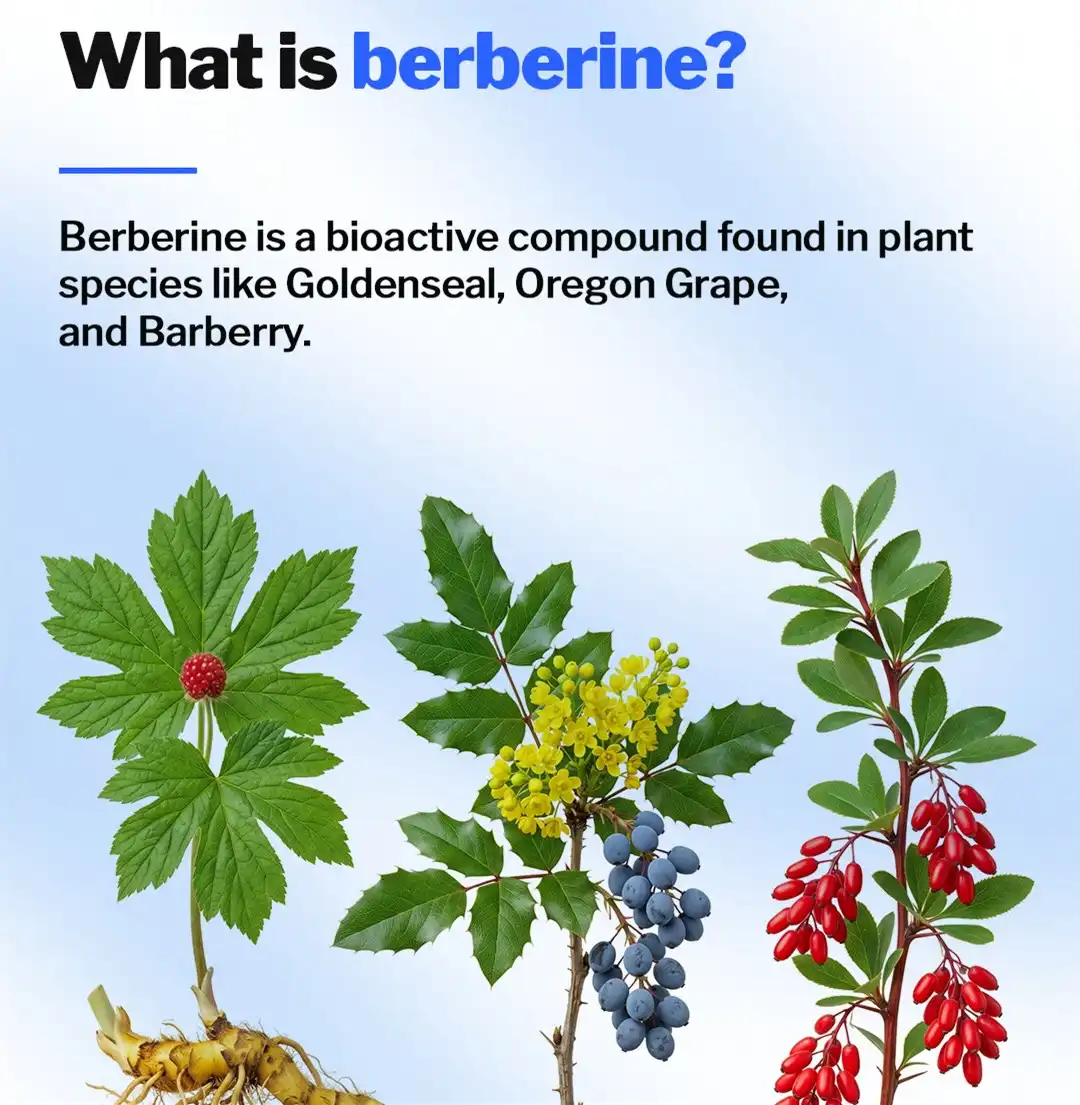
The alkaloid berberine is mostly found in plants used in traditional medicine, such as Chinese Goldthread (Coptis chinensis), Barberry (Berberis vulgaris), and Amur Cork Tree (Phellodendron amurense). The industrial method of extracting salt makes different kinds of salt, but the most common type is Berberine HCL powder, which is more steady and easier to work with. To make sure that all high-quality berberine products have the same amount of alkaloid, they are put through strict standardization steps. The main trouble in the business was that the strength of raw plant materials could change. This fixes that issue.
Mechanism of Action and Health Applications
Adenosine monophosphate-activated protein kinase (AMPK) is what turns on berberine and makes it heal. AMPK manages how much glucose is taken in, how fats are broken down, and how much energy cells have. Clinical tests have shown that berberine can make insulin work better, stop the liver from making glucose, and change the types of bacteria that live in the gut. These benefits are very important for people with type 2 diabetes and people who want to lower their risk of heart disease. Because it can help with so many things, berberine is useful for companies that make goods for metabolic syndrome, weight loss, and overall gut health.
Bioavailability Challenges and Solutions
Studies show that less than 5% of pure berberine chemicals are bioavailable after being taken by mouth. This is because the bowels don't let them pass through easily and break them down quickly to begin with. A bigger amount (usually 1,500 mg per day) has been needed in the past because of this pharmacokinetic problem. Because of this, it's been hard to make meds that are the right size, don't taste bad, and don't cost too much. A new way to solve the problem was found in phytosome technology. It uses phospholipid complexation to create lipophilic molecular structures that are easier for the drug to pass through gut walls. This makes the drug 5–10 times more accessible than other forms. Littler doses still work just as well as bigger ones thanks to this new finding. This is great for positioning high-end goods.
Berberine Phytosome vs Berberine HCL: Key Differences
Chemical Structure and Purity Profiles
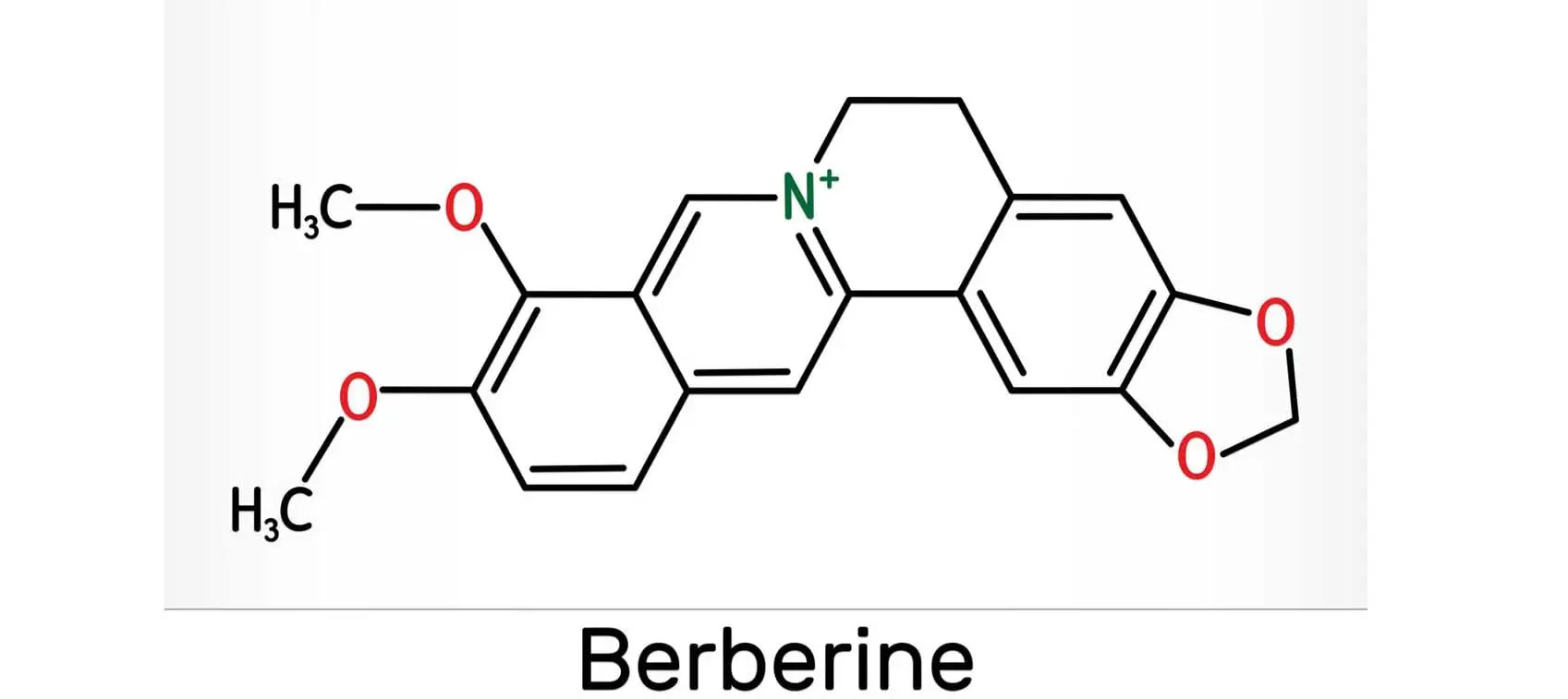
The formula for Berberine HCL powder is C20H18ClNO4, and the weight of a mole of it is 371.81 grams. By HPLC analysis, pharmaceutical guidelines say that the sample must be at least 97% pure, with controlled factors like Loss on Drying (≤12%), ash content (≤0.2%), and particle size distribution (95% pass 80 mesh). One important thing for GMP-certified production sets is that each run is the same. This standardization makes sure of that. Some molar amounts of berberine and phosphatidylcholine are mixed together by Berberine Phytosome complexes to make bigger molecular packs. These groups keep berberine's bioactivity but change its physiological behavior by making it more soluble in lipids and compatible with membranes.
Bioavailability and Therapeutic Performance
Pharmacokinetic studies that compare different drugs show that they are taken in very different ways. Two to four hours after being given, standard Berberine HCL powder has high bloodstream amounts. It is quickly cleared from the body, so it needs to be taken more than once a day. Protein levels stay the same in phytosome preparations, and area-under-the-curve tests show that the body is exposed to 5–10 times more. Five hundred milligrams of Berberine Phytosome were just as good at reducing blood sugar and improving lipid profiles as or better than one thousand milligrams of regular berberine. There are smaller capsules, fewer pills to take every day, and better patient compliance with this dose-efficiency link. These are all important ways to stand out in the supplement market.
Manufacturing and Formulation Considerations
When making things, it's easy to add Berberine HCL powder to the normal steps for making pills, capsules, and powder mixes. When making recipes, especially for chewables and drinks, it needs to be carefully thought out because it is bright yellow and tastes very sour. The mix is stable enough when kept in a controlled setting, but it becomes less stable when it comes into contact with water and light. Because they are made up of phospholipids, phytosome complexes are hard to work with. They need special ways to be mixed and maybe even different kinds of excipients. It costs more to buy these recipes, but they say better things about their products, like "advanced absorption" or "bioavailable berberine," which makes health-conscious people want to buy them.
Procurement Considerations for Berberine HCL and Phytosome
Quality Certifications and Supply Chain Reliability
For smart buying of berberine ingredients, you need strict ways to approve sellers. There are several important requirements, such as GMP compliance, ISO 9001 quality management, and third-party testing proof from well-known labs that check for identify (using HPLC fingerprinting), purity (heavy metals, pesticide residues, microbial limits), and potency. Those suppliers who have been in business for a while keep a lot of information that supports USP, EP, or Chinese Pharmacopeia standards. They also give Certificates of Analysis for every production lot. It is very important that the supply chain is stable because berberine comes from crops that can change with the seasons and when rules change in the countries that give it. Vertically integrated businesses, like Shaanxi Bolin Biotechnology Co., Ltd., let them decide where their plants come from. They can always get their goods this way, and it's easy to see how they got from the raw material to the finished extract.
Cost Structures and Commercial Availability
Berberine hydrochloride powder is usually a good deal for famous supplement formulas because it is extracted using well-known ways and there is a strong supply around the world. The lowest amount you can buy from different companies varies, but for most types, it's between 25 and 50 kg. Phytosome complexes are very pricey because they need special ways to be put together, and the phospholipids that are used to make them are also very pricey. Because of the price difference, it's important to think about where to put the market: regular forms work best for individuals who care more about value than price, while phytosomes work best in high-end channels where customers care more about efficiency than price. They are flexible enough to handle both small-batch custom recipe jobs and big production runs. For private label creation and OEM partnerships, they also offer technical support. This helps brands stand out in markets that are already full.
Regulatory Environment and the Need to Follow the Rules
Berberine products have to follow a lot of rules that aren't always the same for each market they're trying to reach. When you're in the US, berberine can be found in food additives that are controlled by the FDA. This means that businesses need to follow cGMPs (current good manufacturing practices) and check their signs to make sure they are right. What health claims are allowed and the largest daily doses in European markets are changed by new food laws and country needs. Also, both kinds of berberine are generally thought to be safe for use in supplements (GRAS rating). On the other hand, phytosome combinations may need more safety information because of how they are made. As a way to get into a market, sellers need to offer full legal support packages that include safety data sheets, allergen statements, non-GMO licenses, and papers that back up claims that meet the conditions of the market.
Practical Applications and Case Studies
Metabolic Health and Diabetes Management Formulations
By comparing a phytosome form at 500 mg daily with Berberine HCL powder at 1,500 mg, a well-known North American supplement company changed how its glucose support products are made. The phytosome version was easier for people to follow because they only had to take three doses a day instead of six. Customers said it worked just as well at lowering blood sugar levels. Because of the premium location, store prices went up by 40% while unit economics stayed the same. This case shows how bioavailability advantages can be turned into real business benefits by improving the user experience and making the brand stand out in the metabolic health area, which is very competitive.
Weight Management and Lipid Control Applications
It has been successfully added to ready-to-drink health drinks that are meant to help people lose weight by European companies that make functional foods. Because they are easy to dissolve and don't need to be dosed as much, these uses like phytosome types. This makes them good for single-serve amounts. The regular form of Berberine HCL powder is more often found in pill-shaped weight loss stacks that also have green tea extract, chromium, and alpha-lipoic acid in them. Formulations that work together better activate AMPK circuits and target more than one metabolism target. Putting ingredients in the right order and picking the right excipients will keep the product stable over time, stopping it from breaking down in a way that hurts its usefulness and makes customers unhappy.
Regulatory Compliance and Labeling Best Practices
Labels must be 100% right and claims must be backed up for the market rollout to go easily. Labels on goods must say what kind of berberine they have (for example, "Berberine HCL from Phellodendron amurense" or "Berberine Phytosome Complex"), how strong they are meant to be, and based on science, how much to take. Structure-function claims like "supports healthy glucose metabolism" or "promotes cardiovascular wellness" need to be backed up by written study and company records. People trust third-party marks like NSF, USP Verified, and Informed Choice more, and shops find it easy to put them on goods. Clients can meet these safety standards with the help of suppliers with a lot of experience. This lowers regulation risk and improves product placement.
Making the Right Choice: Berberine Phytosome or Berberine HCL?
Aligning Product Strategy with Market Segments
When you buy something, you should think about what kind of people you want to reach and where you want to stand in the market. Berberine hydrochloride powder is often found in popular mass-market goods that are made to be cheap and easy to get. The reason for this is that it is safe and doesn't cost too much. Premium health brands that want to reach smart people who want the best drugs and the newest technology are interested in phytosome technology, even though it costs more. The investment stands out in a crowded market thanks to better absorption claims and fewer amounts needed. This makes things easier for users. Managers of brands need to check to see if the ways they market and sell their products can handle the higher prices that are needed to cover the cost of phytosomes.
Formulation Issues and Keeping Track of the Shelf Life
Picking the correct raw materials is just one of many things that need to be thought about in technical preparation. It is also important that the product is stable, suitable, and produces goods efficiently. While stored normally, Berberine HCL powder can stay fresh for two years. This is because it doesn't change much at high temperatures and mixes well with common ingredients. Even though the material is hygroscopic, it is still important to keep it dry. Because phytosome clusters have phospholipids in them, their reactive stability needs to be closely watched. Using antioxidants like tocopherols and ascorbyl palmitate and packing that stops air from getting in could help with this. These rules have an impact on how much the formula costs and how hard it is to make. Teams in charge of buying things have to think about these costs and benefits of success.
Future Trends and the Ways to Come Up with New Ideas
As new, better ways to give berberine and mix recipes that work on more than one metabolic route come out, the market for its ingredients is always changing. Bioavailability is getting even better with new technologies like nanoparticle solutions, liposomal packaging, and sustained-release materials. Market research shows that more and more people are picking metabolism support goods made from plants over drugs made by humans. This will cause growth rates that add up to over 8% per year until 2028. More scientific evidence is coming in to back berberine's many health benefits. Businesses that invest in better berberine formulations will be better able to take advantage of this growing market. When you have strategic partnerships with providers that give you access to both old and new forms, you can serve a wide range of customers and adapt to their tastes.
Conclusion
There are a lot of things to think about when choosing between Berberine Phytosome and Berberine HCL. These include absorption data, setting for the target market, production skills, and business goals. It has been shown to work, is cheap, and is generally accepted by officials, so standard Berberine HCL powder is a good choice for normal formulas. Bioavailability is a big benefit of phytosome technology that lets them be put on top because they help with dose efficiency and absorption. The best ways to buy things are to pick ingredients that fit with the brand's image, what buyers want, and what the delivery route needs. Also, they always make sure that safety, quality, and following the rules are met. Many companies can serve more customers and make more money by working with trustworthy providers that offer both types of metabolic health products. This is because more and more people want natural health solutions that really work.
FAQ
What is the long-term safety profile of berberine HCL for dietary supplements?
The safety of Berberine HCL has been proven over many years of use and in a new clinical study. Researchers who looked at people who used it for 6 to 12 months found few side effects. The ones that did happen were mostly mild GI problems (like diarrhea and constipation) in people who are sensitive to higher doses. The chemical has not been tested for safety and is not very dangerous. However, you should be aware of drug interactions, especially with medicines that are broken down by cytochrome P450 enzymes.
How does phytosome technology enhance berberine bioavailability?
Phytosome complexation links berberine and phosphatidylcholine molecules without using covalent bonds. Lipophilic structures are better at getting through gut walls than salts that dissolve in water because of this. Berberine doesn't have to go through a lot of first-pass metabolism because it is attached to phospholipids, which act as natural biological buffers. This makes it 5–10 times better for the body to use.
What should I look for when I get berberine from other places?
Providers who are GMP qualified and can provide full Certificates of Analysis should be given the most weight. These should show HPLC-verified purity (≥97%), heavy metal tests (lead, arsenic, cadmium, mercury), pesticide screens, and microbial limits. Make sure you have proof of the plant's name, how it was extracted, and that it follows the rules in the places you want to sell it. Talk to people about how they handle their goods and how they always get the same things to make sure the supply line is stable.
Partner with Bolin Biotechnology for Premium Berberine Solutions
The company Shaanxi Bolin Biotechnology Co., Ltd. is a good one to get Berberine HCL powder from. They sell pharmaceutical-grade plant ingredients that make your products work better and give them an edge in the market. Since 2012, our companies that are GMP-certified have been making standard plant products that meet the highest quality standards around the world. Overseas, companies that make medicines, foods, and parts for other companies use these products. The berberine goods we sell all come in highly pure HCL forms (≥97% HPLC) and advanced phytosome complexes. We also offer all the necessary paperwork for regulatory purposes, flexible minimum order amounts, and expert technical help for making unique formulas. Our commitment to scientific accuracy, a reliable supply chain, and fair prices can make your metabolic health product line better. We want procurement managers and product development teams to learn more about this. We sell Berberine HCL powder. You can email our team at sales1@bovlin.com to tell us about your needs and get full product specs. We are dedicated to maintaining quality and making sure our customers are happy.
References
Yin J, Xing H, Ye J. "Efficacy of berberine in patients with type 2 diabetes mellitus." Metabolism: Clinical and Experimental, 2008; 57(5): 712-717.
Derosa G, Maffioli P, Cicero AFG. "Berberine on metabolic and cardiovascular risk factors: an analysis from preclinical evidences to clinical trials." Expert Opinion on Biological Therapy, 2012; 12(8): 1113-1124.
Pirro M, Vetrani C, Bianchi C, Mannarino MR, Bernini F, Sahebkar A. "Joint position statement on 'Nutraceuticals for the treatment of hypercholesterolemia' of the Italian Society of Diabetology (SID) and of the Italian Society for the Study of Arteriosclerosis (SISA)." Nutrition, Metabolism and Cardiovascular Diseases, 2017; 27(1): 2-17.
Spinozzi S, Colliva C, Camborata C, Roberti M, Ianni C, Neri F, Calvarese C, Lisotti A, Mazzella G, Roda A. "Berberine and its metabolites: relationship between physicochemical properties and plasma levels after administration to human subjects." Journal of Natural Products, 2014; 77(4): 766-772.
Cicero AFG, Colletti A, Bajraktari G, Descamps O, Djuric DM, Ezhov M, Fras Z, Katsiki N, Langlois M, Latkovskis G, Panagiotakos DB, Paragh G, Mikhailidis DP, Mitchenko O, Paulweber B, Pella D, Pitsavos C, Reiner Ž, Ray KK, Rizzo M, Sahebkar A, Serban MC, Sperling LS, Wong ND, Banach M. "Lipid-lowering nutraceuticals in clinical practice: position paper from an International Lipid Expert Panel." Nutrition Reviews, 2017; 75(9): 731-767.
Calabrese C, Teter CJ, Banuvar S, Harris DJ, Chock TC, Schauss AG. "Berberine phytosome improves parameters of metabolic syndrome in subjects with impaired glucose tolerance." Alternative Therapies in Health and Medicine, 2016; 22(S3): 10-16.