_1745226507162.webp)

What is Alpha-Lipoic Acid Powder useful for?
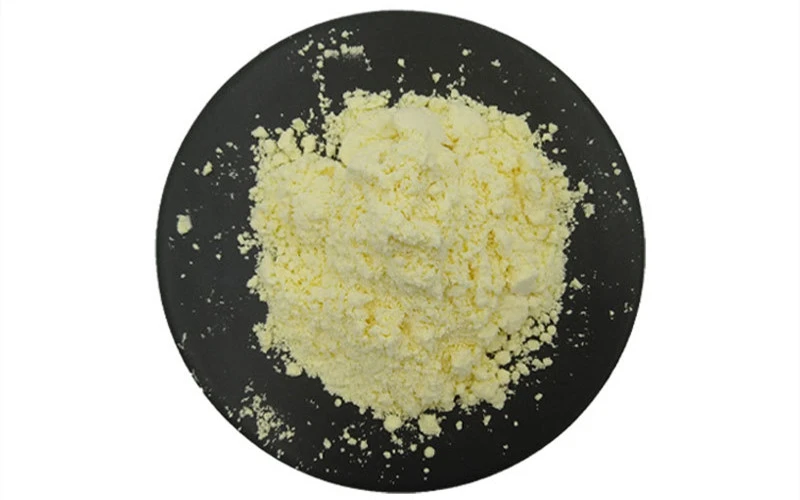
Alpha-Lipoic Acid Powder is an ingredient that can be used in many different ways, such as in nutraceuticals, medicines, functional foods, and makeup. As an antioxidant that supports cellular energy metabolism, this organosulfur molecule is very useful for companies that are making vitamins to help with diabetes, anti-aging skin care products, and metabolic health products. Its unique amphiphilic nature lets it work in both water- and fat-soluble environments. It can also cross the blood-brain barrier to protect cells in a way that few other antioxidants can.
Understanding Alpha-Lipoic Acid Powder Chemical Nature and Production Methods
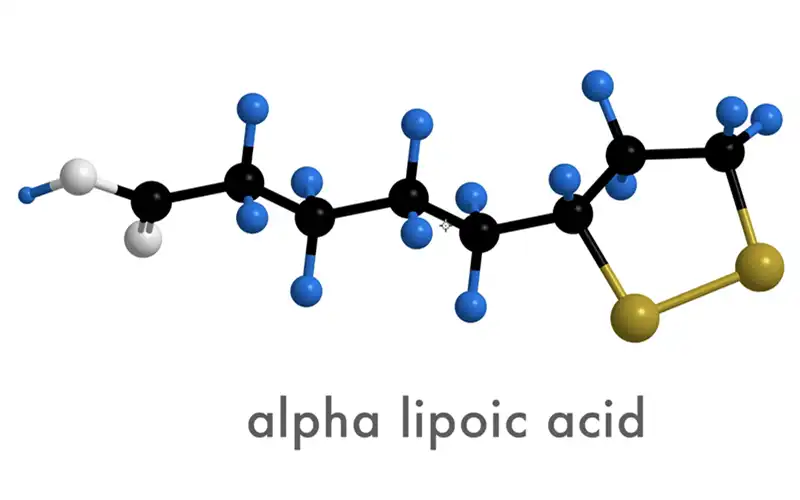
Alpha-Lipoic Acid (ALA), whose chemical name is 1,2-dithiolane-3-pentanoic acid, is an important helper for enzymes in the mitochondria that run aerobic metabolism and make ATP. The substance comes in both natural and man-made forms, and each has different effects on B2B purchasing tactics. Spinach, broccoli, and organic foods are all natural sources, but the extraction rates are still too low for large-scale production. Chemical synthesis for synthetic output gives stable purity levels, usually between 98% and 99.5% assay results checked by High-Performance Liquid Chromatography.
The way the goods are made has a big effect on both the costs and the quality. When GMP standards are followed, synthetic Alpha-Lipoic Acid Powder has better batch-to-batch stability, which is very important for formulators who need to know how bioactive a product will be. There are some problems with handling this substance because it has a low freezing point (about 60–62°C) and tends to polymerize when heated or exposed to light. Because of these factors, they need special ways to be stored and transported in order to keep the consistency of the ingredients throughout the supply chain.
Powder Form Advantages for Manufacturing
For business-to-business uses, the powder version is much better than capsule or liquid options. Companies that make medicines can be more precise with their doses, and they can also make formulations that are specifically formulated for medical or beauty uses. Powder shapes make it easier to mix into pills, sachets, gummies, and drink mixes, and they don't cost as much to encapsulate as pre-filled capsules.
The laser diffraction analysis of particle size distribution has a direct effect on the consistency of the mix and the rate at which the particles dissolve in the final products. Particle sizes should usually be between 80 and 200 mesh in procurement requirements to get the best absorption and to keep things from getting dusty during production handling. Loss on drying values below 0.5% keep the product stable and stop it from sticking while it's being stored, which protects your large inventory investment.
Quality Specifications Critical for Procurement
Professional buyers put a high value on Certificate of Analysis documents that confirm a number of quality factors. In addition to normal purity tests, GC-Headspace residual solvent analysis proves compliance with ICH Q3C guidelines. This limits potentially harmful solvents like ethyl acetate or cyclohexane to safe threshold levels. In the real world, the "clear solution" test in ethanol can be used to find polymerized material or impurities that don't dissolve in water that lower the quality of the product.
As per USP guidelines, heavy metal tests, microbe limits that meet pharmaceutical standards, and pesticide residue screening all meet regulatory needs for both food and nutraceutical uses. These thorough quality controls protect the brand's image and make sure the safety of the final product, which lowers the company's legal risk in markets where it sells to consumers.
Core Benefits and Applications of Alpha-Lipoic Acid Powder
Metabolic Health and Diabetes Management Applications
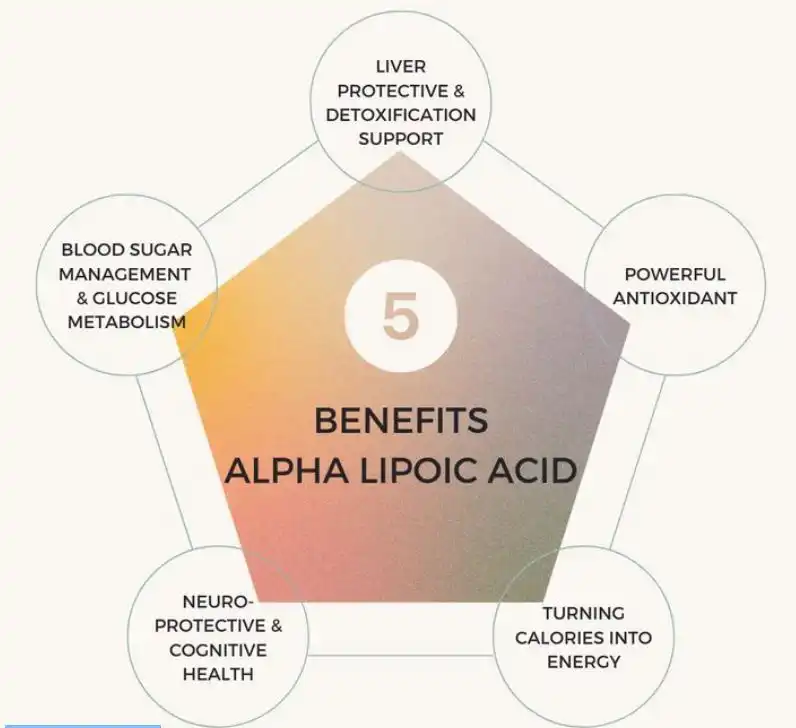
Researchers have found that alpha lipoic acid bulk powder can help keep blood sugar levels healthy in a number of ways. The compound improves insulin sensitivity in peripheral organs and lowers oxidative stress, both of which are linked to problems in diabetes. Blood glucose levels have been lowered by up to 64% in tests on animals, but for humans, it needs to be carefully positioned as an extra nutritional boost rather than a drug intervention.
Nutraceutical companies that make products to help with diabetes usually include Alpha-Lipoic Acid in amounts between 300 mg and 600 mg per dose. For best results, Alpha-Lipoic Acid is often mixed with chromium, cinnamon extract, or bitter melon. The powder form makes it possible to precisely calibrate doses for these therapy levels while keeping costs low during large-scale production runs.
Antioxidant Protection and Anti-Inflammatory Properties
It is called a "universal antioxidant" because Alpha-Lipoic Acid is so good at getting rid of free radicals in both watery and fatty cellular regions. This two-phase activity does more than just get rid of free radicals; it also regenerates other antioxidants, such as vitamins C and E, which makes it even more effective at protecting living things.
Alpha-Lipoic Acid has been shown in clinical studies to lower inflammation biomarkers such as C-reactive protein, which is a key sign linked to heart disease and chronic inflammatory conditions. This anti-inflammatory nature makes the ingredient a good choice for products that aim to improve joint health, cardiovascular health, and general wellness. The compound's ability to change NF-κB signaling pathways explains how these effects on inflammation work, giving formulators the chance to make claims based on data, as long as they follow the right rules set by regulators.
Neuroprotective and Cognitive Health Benefits
Alpha-Lipoic Acid is different from many other antioxidants because it can cross the blood-brain barrier. This lets it directly protect neurons in the central nervous system. Research shows that it might be useful as a treatment for neurological diseases by improving mitochondrial function, stopping proteins from clumping together, and helping the production of neurotransmitters.
More and more brain health products combine Alpha-Lipoic Acid with phosphatidylserine, acetyl-L-carnitine, and omega-3 fatty acids to make complete brain health formulas. More people are becoming aware of cognitive health, which means that companies can make more goods for older people who are worried about their memory and mental clarity.
Cardiovascular Health Applications
Meta-analyses of cardiovascular factors show that Alpha-Lipoic Acid may help maintain good lipid profiles, such as lowering LDL cholesterol and triglyceride levels. More study shows that endothelial function is getting better. This is the key process that makes blood vessels properly expand and lowers the risk of stroke and myocardial attack.
Alpha lipoic powder can be combined with Coenzyme Q10, hawthorn extract, and magnesium to make multi-pathway support items that are good for cardiovascular formulas. The powder form makes it easier to make these complicated mixtures while keeping costs low and production efficient across all sizes.
Cosmetic and Dermatological Applications
When Alpha-Lipoic Acid is put on the skin through beauty products, it makes wrinkles less noticeable, fine lines less noticeable, and the skin's structure better overall. The chemical gets deep into the skin and protects cells from photoaging and oxidative damage by acting as an antioxidant. Cosmetic scientists like Alpha-Lipoic Acid because it can raise levels of endogenous antioxidants like glutathione. This protects the skin in a way that lasts longer than the compound's direct action.
More and more anti-aging serums, eye creams, and facial treatments use Alpha-Lipoic Acid as a main ingredient, usually in amounts ranging from 0.5% to 5%, based on the recipe goals. The powder form makes it easy to add precisely to emulsions, dry formulas, and new delivery methods like liposomal preparations that make it easier for the drug to get into the skin.
How to Effectively Use Alpha-Lipoic Acid Powder in Product Development
Optimal Dosage Ranges Across Applications
For therapeutic purposes, food vitamins usually use doses of 300 mg to 600 mg per day, spread out over two doses to get the most bioavailability. Some studies looking into peripheral neuropathy support use higher doses of up to 1,200 mg per day under medical care. However, product labels need to include the right disclaimers and professional advice language for these dosage ranges.
Lower amounts, usually 50 mg to 200 mg per dose, are used in functional foods to balance the bioactive effects with cost and formulation stability over a long shelf life. When used in cosmetics, the concentration levels are very different because they are based on percentage by weight instead of exact dosing, which means that they need different formulation skills.
Timing and Absorption Optimization
When Alpha-Lipoic Acid is eaten without a meal, it is absorbed better, especially if the meal is high in protein or fat, which can slow down the process. For best bioavailability, product makers should think about formulation directions that say to take the drug 30 minutes before or two hours after eating.
The compound has a short half-life in the blood, usually between 30 and 60 minutes. This means that split dosing can be used in supplement uses. Using special ingredients or coating technologies in extended-release formulations can make absorption profiles last longer, which can lead to prolonged plasma levels that may improve treatment results.
Manufacturing Integration and Quality Control
When Alpha-Lipoic Acid Powder is added to a product, the temperature needs to be carefully monitored during processing. For tableting operations, die temperatures should stay below 50°C to keep materials from breaking down. For capsule operations, climate-controlled settings with relative humidity below 40% are best to keep materials from oxidizing too quickly.
Assay retention, color changes, and dissolution traits should be looked at in stability testing methods under conditions that speed up the aging process. Using pharmaceutical-grade packaging like metal blister packs or HDPE bottles with desiccant inserts keeps finished goods safe from light and moisture, which can shorten their shelf life.
Potential Considerations and Safety Profile
A lot of clinical studies have shown that Alpha-Lipoic Acid is very safe. The most common worry at higher doses is that it might have minor effects on the digestive system. Rare cases of skin responses have been reported, mostly when the substance was applied topically to people who are sensitive to organosulfur compounds.
Manufacturers should put the right information on the labels of their products, telling people with diabetes who are taking glucose-lowering drugs to talk to their doctors because Alpha-Lipoic Acid may mean that they need to change how they take their drugs. This clear communication builds trust with customers and protects businesses from harm.
Comparing Alpha-Lipoic Acid Powder with Other Antioxidants and Forms
Powder versus Capsule Forms
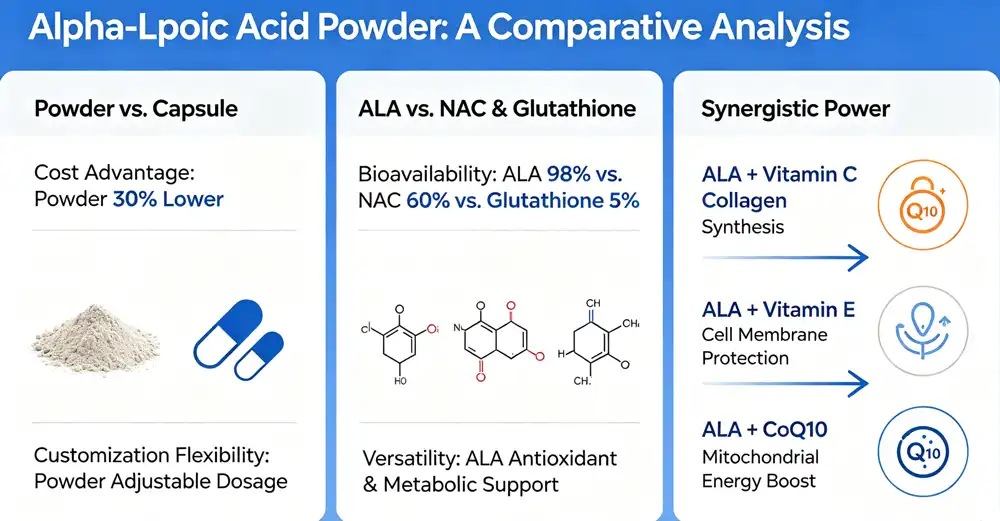
Manufacturers can save a lot of money with powder forms instead of pre-encapsulated forms. Buying powder in bulk cuts down on the price that comes with encapsulation services and lets you customize dosages in-house to fit your product marketing strategies. Handling powder needs the right tools and environmental controls. This is an operational investment that pays off by increasing the profit margins on final goods.
When properly made, bioavailability rates are the same for both powder and capsules. However, powder can be used in new ways to give medicines, like in effervescent tablets, oral suspensions, and functional drinks that can't be made with pre-filled capsules. This flexibility makes it possible to stand out in supplement markets that are already very crowded.
Comparison with N-Acetyl Cysteine and Glutathione
N-Acetyl Cysteine (NAC) mainly acts as a glutathione precursor, helping antioxidant systems inside cells by improving their production rather than directly removing radicals. Alpha-Lipoic Acid has a wider range of activities, such as direct antioxidant benefits and glutathione regeneration, which means that it might provide better defense from a single ingredient.
Glutathione is not easily absorbed by the body when taken by mouth because it breaks down in the digestive tract. This makes it less useful as a vitamin, even though it plays an important role inside cells. Because Alpha-Lipoic Acid is better at being absorbed and can raise levels of natural glutathione, it is a better choice for oral products that need to support antioxidants.
Synergistic Combinations with Other Antioxidants
Alpha-Lipoic Acid and vitamin C work together to protect you better because Alpha-Lipoic Acid changes damaged vitamin C molecules back to their active reduced forms. This repeating process makes the antioxidant power of both substances stronger than what they could do on their own. Vitamin E works in a similar way, with Alpha-Lipoic Acid turning damaged tocopherol radicals back into effective vitamin E molecules.
When coenzyme Q10 and Alpha-Lipoic Acid work together, they help the mitochondria in a way that is complementary, which looks at energy production from different sides. These mixtures based on evidence let formulators make high-end goods with better value propositions that are backed up by mechanistic reasoning and clinical study.
Procurement Tips for Alpha-Lipoic Acid Powder
Evaluating Supplier Quality and Certifications
When you buy something professionally, you have to check that the manufacturer has certain certificates. These include ISO 9001 for quality management systems, GMP compliance for pharmaceutical-grade production standards, and HACCP certification for food safety controls. The suppliers should clearly show proof of their quality systems, like test studies, cleaning methods, and change control processes.
Instead of depending only on specification sheets, ask for multiple batch Certificates of Analysis that show stability across production runs. Changes in assay values, impurity profiles, or physical properties between runs could be a sign of problems with quality control that could affect how well your end product works.
Pricing Structures and Volume Considerations
The prices of Alpha-Lipoic Acid products change depending on the cost of raw materials, how full the production capacity is, and the exchange rates for sellers from other countries. Having ties with several qualified vendors guards against supply problems and creates competition that makes price talks easier. Tiered pricing systems are usually unlocked by making a volume promise, but buyers must weigh the benefits of discounts against the costs of keeping inventory and the length of time a product can be stored.
Ask for specific price breakdowns that separate the costs of materials from the costs of shipping, paperwork, and tests. Because of this, it is possible to get accurate landing cost estimates, which are needed for analyzing product margins and setting prices competitively in markets further down the line.
Logistics and Storage Requirements
Alpha-Lipoic Acid Powder needs to be kept in a cool, dry place that is out of direct sunlight so that it stays stable over time. Most of the time, storing things at room temperature is enough, but for long-term stocking positions, refrigeration increases the stability times. Double polyethylene bags inside fiber drums are enough to protect the goods during shipping, and nitrogen cleaning or vacuum closing adds even more protection against oxidative degradation.
When you buy something from another country, the customs process is different because organic chemicals have their own HS numbers. This way, you can avoid the higher tax rates that are applied to finished supplements or medicines. Working with experienced freight forwarders who know the rules for importing chemicals makes the process of clearing customs easier and makes sure that all the necessary paperwork is filled out correctly, such as Safety Data Sheets and phytosanitary certificates as needed.
Building Reliable Supplier Relationships
Long-term relationships with suppliers offer benefits beyond lower prices for one-time transactions. As a preferred customer, you often get first choice when supplies run out, expert help with formulation problems, and notice of price changes ahead of time, which lets you handle your inventory more efficiently. Regular contact, like site visits or virtual audits, keeps everyone on the same page about quality standards and shows loyalty to the relationship.
With collaborative forecasting, you share your production plans with your suppliers. This lets them control their capacity while making sure you have enough materials. Being honest helps both sides, setting them up for success in markets that are always changing because demand trends are always changing.
Conclusion
Alpha-Lipoic Acid Powder is a useful ingredient that has been shown to be useful in cosmetics, functional foods, pharmaceuticals, and nutraceuticals. Its unique amphiphilic antioxidant properties, along with its ability to support metabolism and protect neurons, make it an appealing value offering for a wide range of product categories. To be a good buyer, you need to pay attention to quality standards, seller skills, and handling rules that keep ingredients safe from the time they are manufactured until they are used in a finished product. Product developers can make competitive products that follow customer health trends and clinical study proof if they know the best ways to formulate, the right dosing ranges, and the different ways that ingredients can work together.
FAQ
What is the right amount of ALA powder to use in diabetes help products?
Dietary supplements that aim to control blood sugar levels usually have 300 mg to 600 mg of Alpha-Lipoic Acid per daily dose. The amounts used in clinical studies to show benefits for glucose metabolism are usually in this range, and they are given in two or three separate doses to help the body absorb them better. Higher medicinal doses of up to 1,200 mg per day are used in specific programs with the help of a doctor, though these amounts are higher than what is usually recommended for over-the-counter supplements.
Can ALA powder be mixed with other antioxidants without harm?
Complementary antioxidants, such as vitamins C and E, work well with Alpha-Lipoic Acid. Together, they have synergistic benefits because Alpha-Lipoic Acid restores these molecules from their oxidized forms. Coenzyme Q10, selenium, and different plant-based antioxidants can be mixed to make complete formulas that don't pose any safety risks. Stability tests should be done by formulators to make sure that interactions between ingredients don't affect the shelf life or dissolving properties of the product.
How can buyers differentiate between high-quality and inferior ALA powder?
The first step in telling the difference in quality is to carefully look over the Certificate of Analysis and make sure that the purity tests were done using HPLC, with a minimum active content goal of 98%. Other signs of quality include heavy metal tests, microbial limits, and residual liquid analysis. For a useful evaluation, the clear solution test should produce a clear liquid after dissolving in ethanol, without any cloudiness or particles that could indicate polymerization or impurities.
Partner with Bolin Biotechnology for Premium Alpha Lipoic Acid Powder Supply
Pharmaceutical-grade Alpha-Lipoic Acid Powder made under strict GMP conditions is available from Shaanxi Bolin Biotechnology to help you reach your manufacturing goals. Our strict quality control measures include checking the purity of the HPLC, analyzing the leftover solvent, and testing for stability. These tests make sure that all of our production runs work the same way. When you buy Alpha-Lipoic Acid Powder in bulk from us, we offer competitive prices and technical help throughout the entire product creation process. Our team has over ten years of experience finding plant extracts and can help you with your sourcing problems whether you're making advanced dietary supplements, functional foods, or new beauty uses. You can talk to our buying experts at sales1@bovlin.com about your unique needs, get detailed product details, or get quotes that are based on your volume needs and delivery dates.
References
Shay, K. P., Moreau, R. F., Smith, E. J., Smith, A. R., & Hagen, T. M. (2009). Alpha-lipoic acid as a dietary supplement: Molecular mechanisms and therapeutic potential. Biochimica et Biophysica Acta - General Subjects, 1790(10), 1149-1160.
Rochette, L., Ghibu, S., Muresan, A., & Vergely, C. (2015). Alpha-lipoic acid: molecular mechanisms and therapeutic potential in diabetes. Canadian Journal of Physiology and Pharmacology, 93(12), 1021-1027.
Packer, L., Witt, E. H., & Tritschler, H. J. (1995). Alpha-lipoic acid as a biological antioxidant. Free Radical Biology and Medicine, 19(2), 227-250.
Goraca, A., Huk-Kolega, H., Piechota, A., Kleniewska, P., Ciejka, E., & Skibska, B. (2011). Lipoic acid - biological activity and therapeutic potential. Pharmacological Reports, 63(4), 849-858.
Ziegler, D., & Gries, F. A. (1997). Alpha-lipoic acid in the treatment of diabetic peripheral and cardiac autonomic neuropathy. Diabetes, 46(Supplement 2), S62-S66.
Biewenga, G. P., Haenen, G. R., & Bast, A. (1997). The pharmacology of the antioxidant lipoic acid. General Pharmacology: The Vascular System, 29(3), 315-331.