_1745226507162.webp)

Beta-Carotene Powder: Industrial Applications in Food, Supplements, and Cosmetics
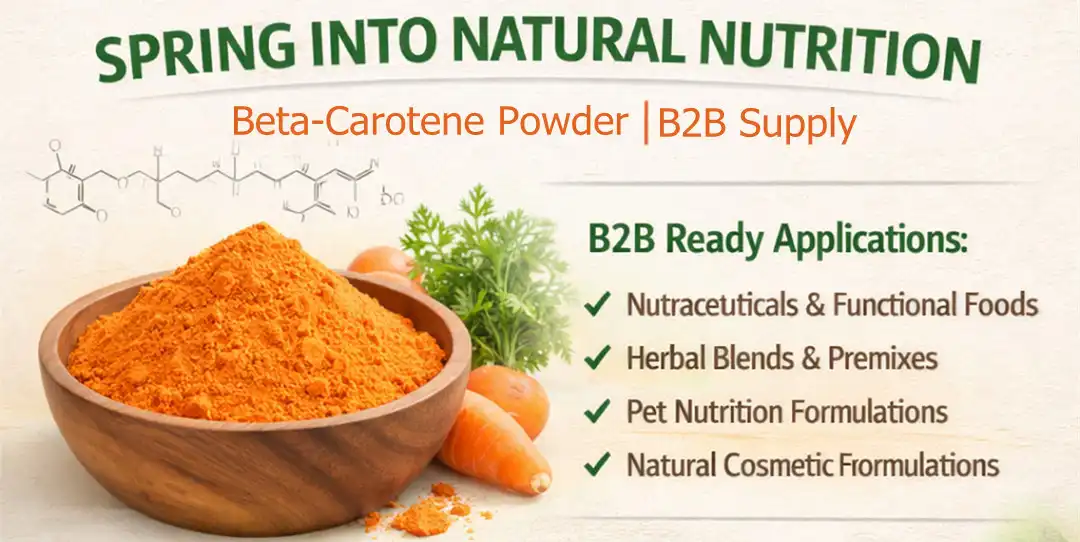
Beta carotene powder is one of the most useful natural ingredients used in modern manufacturing. This orange-red pigment has changed how companies in the food, supplement, and beauty industries come up with new products because it is a rich source of vitamin A and a strong antioxidant. This ingredient is made by fermentation with Blakeslea trispora, extraction from Dunaliella salina algae, or precise chemical synthesis. It solves important formulation problems and gives products the regular bioactivity and clean-label appeal that customers want today.
Understanding Beta-Carotene Powder: Properties and Benefits
The chemical structure of beta-carotene (C40H56) shows that it is a tetraterpene compound with eight isoprene units grouped in a symmetrical pattern. The compound's orange color comes from the way its molecules are structured. It also has strong antioxidant qualities that can get rid of singlet oxygen and peroxyl radicals that damage cells.
Chemical Composition and Manufacturing Processes
Modern ways of making things have changed over time to meet the needs of different industries. Using Blakeslea trispora in fermentation-based production makes it possible to make a lot of something at once and keep the quality high. Natural extraction from Dunaliella salina algae is an alternative that is good for the environment and meets the standards for organic certification. Pharmaceutical-grade purity of more than 98% can be achieved through synthetic production, as shown by RP-HPLC analysis. This meets the strict needs of therapeutic uses.
Beta-carotene stability has been changed by new microencapsulation technology. Spray-drying methods put the bioactive molecule inside safe layers made of modified food starch, gum arabic, or gelatin. This encapsulation fixes the problem of carotenoid degradation caused by oxidation, light, and heat stress. The powder format that was made can be dispersed in cold water, which gets rid of the problems with oil separation that come with non-encapsulated formulas.
Nutritional and Functional Advantages
Beta-carotene is a precursor to vitamin A and is changed into retinol in the lining of the intestines by enzymes. This way of converting vitamin A is safer than prepared vitamin A because the body controls the rate of conversion based on its own needs. This takes away the risk of hypervitaminosis A. Studies in the American Journal of Clinical Nutrition show that giving people extra beta-carotene raises the amount of retinol in their blood, even if they aren't getting enough vitamin A.
The antioxidant power goes beyond the function of vitamin A. According to research, beta-carotene stops singlet oxygen molecules from reacting with light, which protects cell walls from damage. This defense system works especially well in dermatology, where UV light causes free radicals to form, which speeds up aging and makes the skin barrier less effective.
Cross-Industry Relevance
The ingredient can be used in many different ways because it can be used as both a natural colorant and a bioactive vitamin. Food companies use beta-carotene instead of synthetic dyes like Tartrazine and Sunset Yellow to make goods with clean labels and make them healthier at the same time. Supplement makers use its provitamin A action to make products that help with immune function and vision. Chemicalists who work in cosmetics use it in photoprotective and anti-aging products because it is an antioxidant and makes skin stronger.
Industrial Applications of Beta-Carotene Powder
Beta-carotene is used in a lot of different ways in different fields, and each one needs its own set of scientific considerations to get the best results and stay in line with regulations.
Food Manufacturing Applications
Beta-carotene has more than one use in the food business at the same time. It is a natural colorant that gives drinks, dairy, baked goods, and sweets golden-yellow to orange shades. Microencapsulated natural beta carotene forms have a stability profile that keeps the color true through processing conditions like pasteurization, baking at temperatures up to 180°C, and longer shelf lifes.
For beverage uses, you need recipes that dissolve in cold water and spread out evenly, without any oil rings or sedimentation. Beta-carotene is found in sports drinks, fruit-flavored waters, and plant-based milk alternatives in amounts range from 0.5 mg to 5 mg per serving. The water-dispersible formats work well with water-based systems and keep the consistency of the mixture without any phase separation during storing.
A big part of the application market is dairy fortification. Adding beta-carotene to margarine, butter substitutes, and cheese products gives them the natural color of grass-fed dairy while also making them healthier. Concentrations are usually between 5 and 15 mg per 100g, which meets both the nutritional standards for adding vitamin A and making the food look good.
Due to the heat, baked goods pose special recipe challenges. Beadlet technologies with protective coatings that don't melt at high temperatures keep their bioactivity and color even after being baked in industrial ovens. Beta-carotene is added to bread, crackers, and health bars to make them look better and provide nutrition. When made correctly, it can be retained more than 85% of the time after baking.
Dietary Supplement Formulations
In the nutraceutical industry, strict quality standards and exact dosage control are necessary. Manufacturers of supplements get beta-carotene powder that meets strict criteria, such as being at least 96% pure (as shown by HPLC) and having a moisture content of less than 5% and very few liquids left over. These factors make sure that there is consistency from batch to batch, which is important for GMP compliance and label claim accuracy.
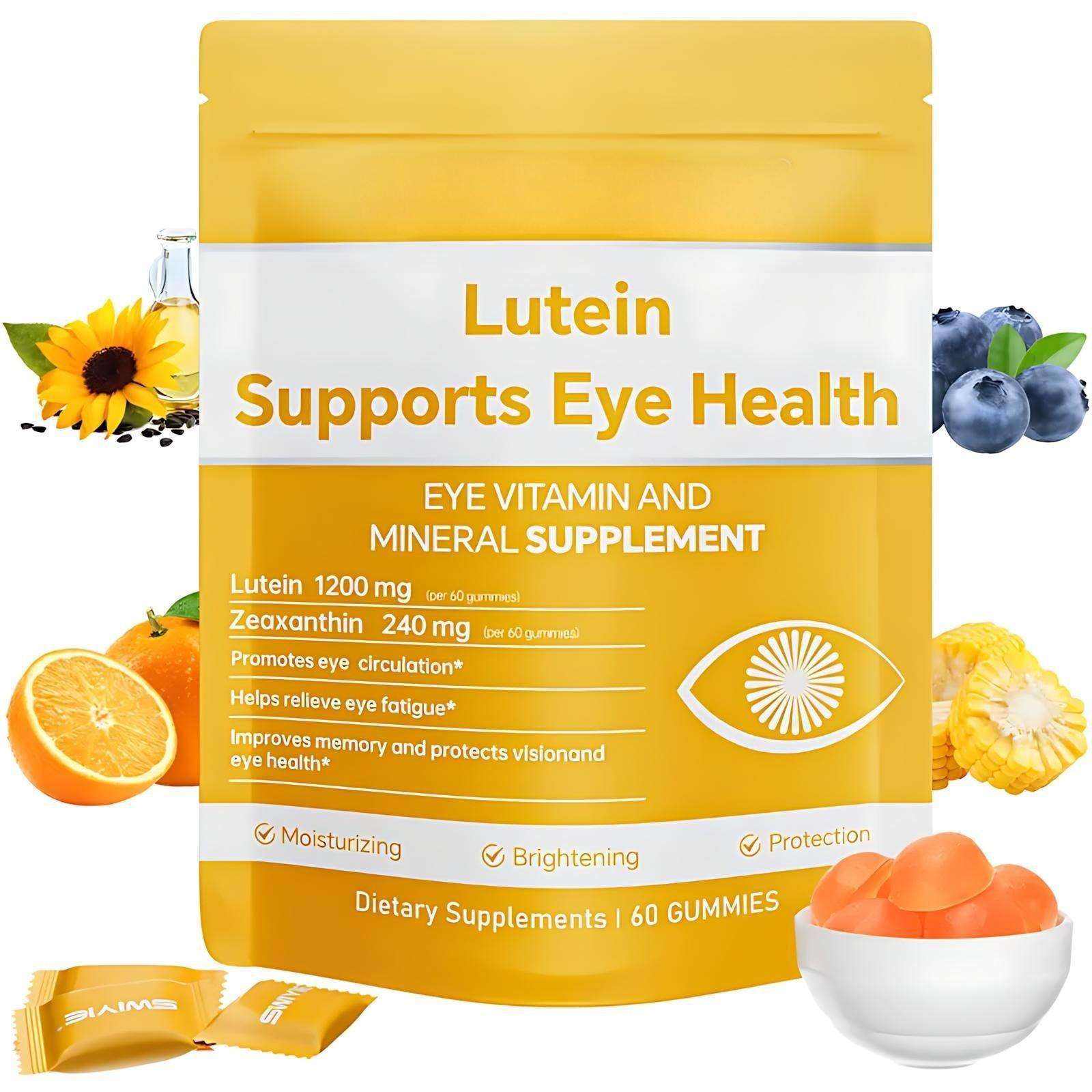
Different types of dosage come in powder mixes, hard gelatin capsules, soft gels, and gummy forms. Supplemental doses usually run from 5,000 to 25,000 IU (3–15 mg) per day, and are meant to help with vision, protect against free radicals, and boost immune function. More and more, formulators are mixing beta-carotene with related carotenoids like lutein and zeaxanthin. This makes eye health complexes that are backed up by clinical studies from the Age-Related Eye Disease Study (AREDS).
Protocols for stability testing set parameters for shelf life in a range of storage circumstances. Supplements that are properly made keep more than 90% of their bioactivity for 24 months when they are kept below 25°C and away from light. This stability trait is very important for distribution networks that go through a lot of different climate zones.
Cosmetic and Personal Care Integration
Beta-carotene's ability to protect against UV light and act as an antioxidant are used in dermatology. Anti-aging serums, day creams, and sun protection all have amounts between 0.1% and 1% by weight. The ingredient boosts the body's own antioxidant defenses, which lowers the damage caused by UV rays and environmental pollutants.
Formulation issues for cosmetics are very different from those for food systems. Carotene dispersions that dissolve in oil work well in emulsions, while forms that dissolve in water work well with gels and light lotions. Cosmetic chemists find the right concentration amounts to get antioxidants to work without giving the base formulation too much color.
A study in the Journal of Cosmetic Dermatology shows that applying beta-carotene to the skin raises the level of carotenoid compounds, which is linked to better antioxidant status and less redness after UV exposure. These results back up product placement for preventing photoaging and strengthening the skin barrier.
Choosing the Right Beta-Carotene Powder for Your Business
To make sure that ingredient specifications meet application needs and quality standards, procurement choices need to carefully consider a number of technical and business factors.
Natural Versus Synthetic Sourcing
Natural beta carotene that comes from Dunaliella salina algae is a mix of isomers (mostly all-trans and 9-cis configurations) and related carotenoids, such as alpha-carotene and cryptoxanthin. This complex has a wide range of phytonutrients that make it suitable for clean label standards and organic certification. Natural sources usually have potencies between 1% and 20%, so higher inclusion rates are needed to get to the right doses.
Synthetic beta-carotene is more pure, usually more than 96%, and has a controlled isomer makeup that mostly has an all-trans structure. For pharmaceutical uses that need precise API specs and predictable bioavailability profiles, this consistency is helpful. The cost of synthetic production is also lower for large-scale uses where organic approval is not important.
Purity Grades and Delivery Formats
Industrial buyers must set purity standards that are in line with the uses that will be used in the end. Food-grade materials usually meet guidelines for how well they work, how much lead and arsenic they contain (less than 2 parts per million), and how safe they are for microbes (less than 1,000 cells per grain). Pharmaceutical-grade standards require better purity levels, full impurity profiling, and following the relevant pharmacopeia monographs (USP, EP, JP).
The choice of delivery method affects how well the formulation works. Water-dispersible beadlets work well in water-based systems, like drinks and gummy vitamins. Lipid-based delivery methods, such as soft gels and emulsion cosmetics, use oil suspensions. Spray-dried powders can be used in a lot of different ways and have great flow qualities that make automated processing easier.
Supplier Evaluation Criteria
Quality marks give you a basic idea of how well a product is made. ISO 9001 certification shows that a quality management system is being used, and ISO 22000 and HACCP certification show that food safety rules are being followed. GMP approval is important for supplement and drug uses because it makes sure that batches can be tracked, that analytical methods are accurate, and that stability data is recorded.
Analytical skills set premium sellers apart. With HPLC, spectrophotometry, and mass spectrometry available in-house, quality checks and technical help can be done quickly. It's easier to follow the rules when suppliers give full Certificates of Analysis that list assay values, isomer profiles, heavy metals, pesticide residues, and microbiological factors.
Minimum order quantities, lead times, and logistics skills are all parts of supply chain reliability. Bulk pricing structures usually offer bulk savings at certain quantities, and the minimum order quantity (MOQ) terms are flexible enough to work for both large manufacturers and formulators who need to make small batches. Experienced suppliers keep extra stocks on hand so that there aren't any stock-out worries, and they also provide technical paperwork that helps with import clearance on all foreign markets.
Comparative Ingredient Analysis
Compared to other ingredients, beta-carotene is in a different category. Compared to lutein, beta-carotene gives provitamin A activity and a wider range of tissue distribution, while lutein specifically accumulates in the macula for use in eye health applications. Compared to preformed retinol, pure beta carotene powder removes the risk of hypervitaminosis through controlled conversion. This makes it safer for programs that aim to improve the nutrition of a wide range of populations.
Astaxanthin is more effective at scavenging singlet oxygen, but it doesn't work like vitamin A and costs more. Lycopene is an antioxidant that works with vitamin A to protect cells by stabilizing peroxyl radicals through resonance. Multi-carotenoid blends that combine these substances work on multiple physiological targets, but they are harder to make and cost more.
Optimizing Procurement of Beta-Carotene Powder
Strategic sourcing methods find a balance between making sure quality, saving money, and making sure the supply chain is resilient. By learning about the best ways to buy things, buyers can build trusting relationships that help them reach their long-term product development goals.
Supplier Qualification Protocols
Technical questionnaires that check manufacturing skills, quality systems, and regulatory compliance are the first step in a good supplier evaluation. Asking for sample lots with full analytical documentation lets you do a quick evaluation of the performance before making a business commitment. Pilot-scale tests make sure that ingredients work well in certain formulation systems and find any possible compatibility problems before full-scale production.
Site audits are a direct way to check the conditions of production, quality control methods, and record systems. Virtual audits have become popular because they offer a cost-effective way to check basic compliance factors. On-site checks are still useful for high-risk situations that need full GMP verification and supply chain transparency.
Checking with current customers for references shows how reliable the supplier is, how quickly they respond to technical help requests, and how well they can solve problems. Trade groups and industry networks offer places for people to talk about how well suppliers have done, which helps buyers find trustworthy partners with a history of success.
Negotiation Strategies and Commercial Terms
Most of the time, promises to buy in bulk open up better pricing structures. Cost optimization and inventory carrying costs are balanced by annual buy agreements with set deliveries. For seasonal goods or formulations still in the research stages, flexible terms that allow for changes in production are very helpful.
Payment terms affect how much working cash you need. Standard terms are net-30 to net-60 days, and there are sometimes savings for paying early. Letters of credit make it easier to do business across borders by protecting both parties' payments and allowing for due diligence through inspection processes.
Quality agreements write down requirements, testing plans, and ways to settle disagreements. These contracts spell out acceptance criteria, sampling plans, and retesting rules. They protect both parties by making roles and standards for performance clear.
Regulatory Documentation Requirements
International trade needs a lot of help from the government. Suppliers must give allergen statements, GMO status certificates, BSE/TSE compliance statements, and proof of place of origin. Things that are going to be exported need health certificates, free-sale certificates, and statements that they follow the rules of the place where they are going.
Kosher and Halal licenses make it easier for food and supplement companies to get into new markets. To get organic certificates (USDA Organic, EU Organic), you have to show that you can track your supply chain from where the raw materials come from to where the finished product is packed.
Safety data sheets (SDS) in GHS style give important information about how to handle things, which helps with safety compliance in the workplace. Product specification sheets with typical analysis ranges, advised storage conditions, and suggested usage levels make it easier to come up with new formulations and prepare regulatory filings.
Case Study: Supply Chain Optimization
A medium-sized supplement company had problems with their current beta-carotene provider giving them inconsistent quality and supply problems on a regular basis. Label claim compliance risks were caused by inconsistent potency levels, and production plans were thrown off by longer lead times.
The business used a dual-sourcing approach to find a secondary supplier that met the same high quality standards. They agreed to send a certain number of units every three months, which cut down on per-unit costs while keeping inventory turnover high. Acceptance criteria and testing methods were set up in comprehensive quality agreements, which made it clear that specifications were being met.
Through technical teamwork with their main supplier, they found changes to the formulation that made the beta-carotene more stable in their capsule matrix. The supplier gave stability study data to back up claims of longer shelf life, which made the product more competitive. This partnership method turned a business-to-business relationship into a strategic alliance that saved money and made the product work better.
Conclusion
Beta carotene powder remains indispensable across food, supplement, and cosmetic industries due to its versatility as both a natural colorant and bioactive nutrient. Understanding the distinctions between natural and synthetic sources, recognizing appropriate purity grades for specific applications, and implementing proper storage practices ensures optimal ingredient performance. Strategic supplier partnerships providing consistent quality, comprehensive regulatory documentation, and responsive technical support enable manufacturers to maintain competitive advantages in dynamic markets. Emerging trends toward clean-label formulations, advanced delivery technologies, and personalized nutrition create expanding opportunities for innovative product development leveraging beta-carotene's proven benefits.
FAQ
What is the typical shelf life of beta-carotene powder under proper storage conditions?
When stored below 25°C in sealed, light-protected containers with controlled humidity, microencapsulated beta-carotene powder maintains potency exceeding 90% for 24-36 months. Oxygen exposure represents the primary degradation pathway; inert gas blanketing extends stability. Natural algae-derived forms typically exhibit shorter stability compared to synthetic high-purity grades due to associated lipids and chlorophyll residues that accelerate oxidation. Stability testing under accelerated conditions (40°C/75% RH) provides predictive data supporting shelf life determination for specific formulation matrices. Periodic retesting of stored inventory verifies ongoing specification compliance throughout the established shelf life period.
How does beta-carotene bioavailability differ between food applications and supplement formats?
Bioavailability varies significantly based on delivery format and food matrix composition. Supplements utilizing oil-based delivery systems (soft gels, micronized suspensions) achieve superior absorption compared to dry powder formats due to carotenoid lipophilicity requiring incorporation into mixed micelles. Food applications demonstrate variable bioavailability depending on processing methods and concurrent nutrient composition. Homogenization, thermal processing, and lipid co-consumption enhance absorption by releasing carotenoids from cellular matrices and facilitating micellar incorporation. Studies indicate bioavailability from supplements may exceed dietary sources by 50-300%, though both contribute meaningfully to vitamin A status. Individual factors including digestive function, genetic polymorphisms affecting carotenoid metabolism, and nutritional status further influence absorption efficiency.
What certifications should buyers prioritize when sourcing beta-carotene for pharmaceutical applications?
Pharmaceutical-grade beta-carotene requires comprehensive quality assurance exceeding food-grade standards. GMP certification specific to pharmaceutical manufacturing proves essential, documenting validated processes, controlled environments, and batch traceability systems. Materials should meet relevant pharmacopeia monographs (USP, EP, JP) with full analytical documentation including assay, isomer profile, related substances, heavy metals, residual solvents, and microbiological quality. ISO 13485 certification indicates medical device quality management capability for products potentially used in medical foods or devices. Supplier audit programs verifying change control procedures, deviation management, and continuous improvement systems provide additional assurance. Drug Master Files (DMF) registered with regulatory authorities streamline approval processes for pharmaceutical customers.
Partner with Bolin Biotechnology for Premium Beta-Carotene Powder Supply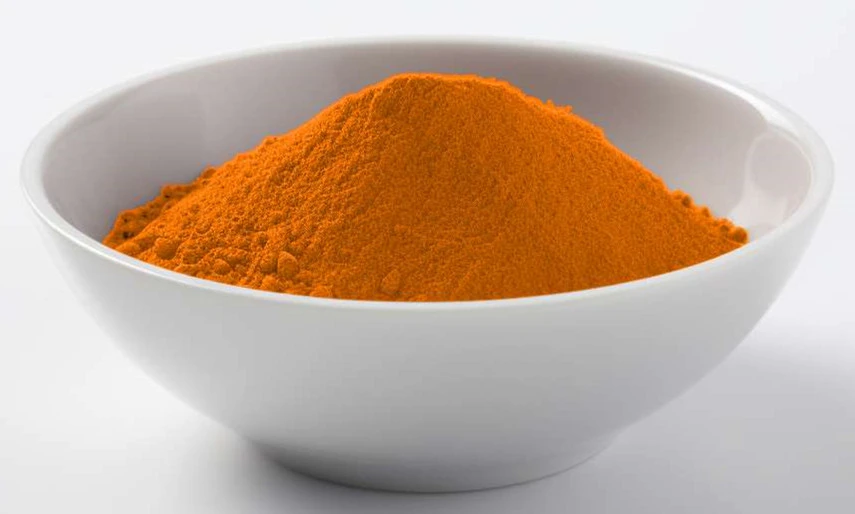
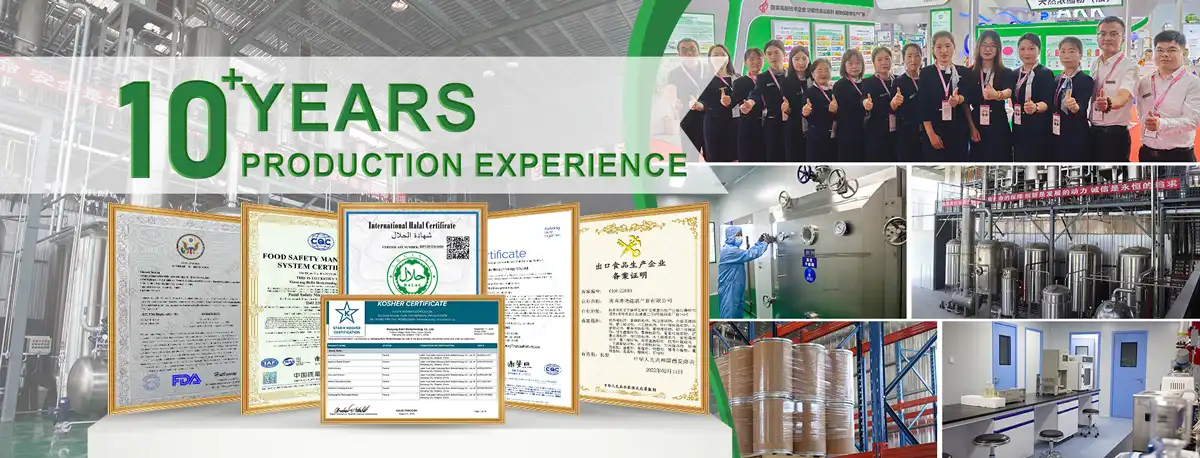
At Bolin Biotechnology, we recognize that sourcing reliable beta carotene powder requires more than competitive pricing—it demands a supplier committed to unwavering quality, comprehensive technical support, and transparent communication. Since our establishment in 2012, we have specialized in producing plant extracts that meet the most stringent international standards, serving nutraceutical manufacturers, pharmaceutical companies, and cosmetic formulators throughout the United States and global markets.
Our beta-carotene powder offerings feature multiple sourcing options including natural algae extraction and fermentation-derived formats, all manufactured under ISO 9001, ISO 22000, and GMP-certified facilities. We provide flexible minimum order quantities accommodating both established manufacturers and emerging brands, coupled with bulk pricing structures that optimize your procurement budget without compromising quality. Every batch ships with complete analytical documentation including HPLC assay verification, heavy metal screening, microbiological testing, and stability data supporting your regulatory compliance requirements.
Working as your trusted beta carotene powder supplier means accessing our experienced technical team for formulation guidance, stability optimization recommendations, and application-specific solutions tailored to your product development objectives. We invite you to experience the Bolin Biotechnology difference—contact our team at sales1@bovlin.com to discuss your specific requirements, request samples, or explore how our plant-based solutions can enhance your product portfolio's performance and market positioning.
References
Institute of Medicine (US) Panel on Dietary Antioxidants and Related Compounds. Dietary Reference Intakes for Vitamin C, Vitamin E, Selenium, and Carotenoids. National Academies Press, 2000.
Tanumihardjo, S.A. et al. Biomarkers of Nutrition for Development—Review of Vitamin A Status Assessment and Considerations for Population-Level Intake Assessment. Journal of Nutrition, 2016, 146(4): 877S-885S.
Age-Related Eye Disease Study Research Group. A Randomized, Placebo-Controlled Clinical Trial of High-Dose Supplementation with Vitamins C and E, Beta Carotene for Age-Related Macular Degeneration. Archives of Ophthalmology, 2001, 119(10): 1417-1436.
Stahl, W. and Sies, H. Bioactivity and Protective Effects of Natural Carotenoids. Biochimica et Biophysica Acta—Molecular Basis of Disease, 2005, 1740(2): 101-107.
Rodriguez-Amaya, D.B. and Kimura, M. HarvestPlus Handbook for Carotenoid Analysis. International Food Policy Research Institute and International Center for Tropical Agriculture, 2004.
European Food Safety Authority. Scientific Opinion on the Re-evaluation of Beta-Carotene (E 160a) as a Food Additive. EFSA Journal, 2012, 10(3): 2593.