_1745226507162.webp)

Blue Spirulina Powder VS Butterfly Pea Flower Powder
When purchasing professionals consider blue spirulina powder and blue butterfly pea flower powder, they must choose between two plant-based ingredients. Each has its own benefits for making products. Blue spirulina comes from the cyanobacterium Spirulina platensis. It has a lot of phycocyanin-rich protein and strong antioxidant qualities, which makes it perfect for nutraceutical uses that need to prove bioactivity. Blue butterfly pea flower powder comes from the petals of Clitoria ternatea plants. It is a type of anthocyanin pigment that changes color depending on the pH level. This makes it great for making interactive drinks and clean-label foods. Ultimately, the choice will depend on the product's intended use, nutritional needs, and how it is positioned in the market within your business.
Understanding Blue Spirulina Powder and Butterfly Pea Flower Powder Botanical Origins and Cultivation Environments
Blue spirulina comes from Arthrospira platensis, a tiny cyanobacterium that is grown in alkaline water under controlled conditions. To get the best phycocyanin rates, commercial production usually takes place in photobioreactors or open pond systems with careful monitoring of temperature, pH, and nutrient levels. From seeding to harvest, the growing process takes about 10 to 15 days, and under ideal conditions, the biomass concentration reaches 0.3 to 0.5 grams per liter. Geographic production hubs are spread out across areas that get a lot of sunlight and have good weather, like parts of Asia, California, and Hawaii.
Butterfly pea flower powder comes from the petals of Clitoria ternatea, a tropical Southeast Asian annual herbaceous plant. The flowers are picked by hand when they are at their fullest beauty, which is usually early in the morning, when the anthocyanin levels are highest. Thailand, Malaysia, and Vietnam all have traditional farming methods that make sure the quality of the raw materials stays the same. As a result of market demand for verified ingredients free of synthetic pesticides and fertilizers, more and more modern production follows the rules of organic farming.
Processing Methods and Quality Control
Blue spirulina is extracted by first collecting the biomass and then using methods that break down cells to release phycocyanin pigments from inside the cells. Advanced techniques use enzymes or physical disturbance to keep the integrity of the pigment while getting rid of cell debris. Ultrafiltration is used to concentrate the extract, which makes a powder with a phycocyanin content of about 10 to 25 percent by weight. Spectrophotometry at 620 nanometers is used in quality control methods to measure levels of purity. This makes sure that color strength is the same across production batches.
Butterfly pea flower powder is made by carefully drying the flowers in a way that keeps the heat-sensitive anthocyanins. The best way to process something is freeze-drying, which keeps about 90% of the original flavonoid content while regular air-drying only keeps 60–70%. The dried petals are micro-milled to make particles that are 5 to 10 microns in size, which is the same size and feel as regular matcha powder. This even distribution of small particles makes it easier for liquid formulas to suspend the particles and makes the color spread more evenly. To check the quality, HPLC analysis is used to measure certain anthocyanin molecules, especially ternatin derivatives that give the color its blue appearance.
Nutritional and Antioxidant Profiles
As much as 60–70% of its dry weight is made up of protein, and blue spirulina has a full amino acid profile that includes all eight important amino acids. The phycocyanin part is both a natural colorant and a bioactive substance. It has an antioxidant capacity of 2000 to 3000 ORAC units per gram. Micronutrient structure includes a lot of minerals like iron, magnesium, and manganese, as well as B-complex vitamins, especially B12 in its bioavailable form. Health claims about immune function and cell protection are backed up by this nutritional density, which is based on a peer-reviewed study that shows anti-inflammatory mechanisms.
There are between 5 and 15 milligrams of anthocyanin compounds per gram of blue butterfly pea flower powder, based on how it was grown and processed. These flavonoid antioxidants have ORAC values of 1500 to 2500 units per gram, which means they help biological processes deal with oxidative stress. Minerals like potassium and calcium are also present in modest amounts in the powder, along with vitamins A and C. This ingredient is different from regular tea-based powders because it doesn't contain caffeine. It gives formulators a stimulant-free choice for evening drinks and goods aimed at people who are sensitive to caffeine.
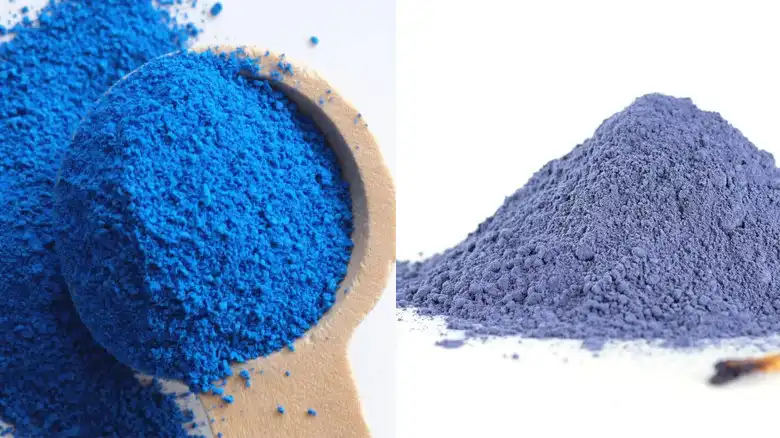
Comparative Analysis: Blue Spirulina Powder VS Butterfly Pea Flower Powder
Health Benefits and Bioactive Mechanisms
The phycocyanin in blue spirulina has been shown to reduce inflammation by blocking specific COX-2 enzymes, which has been proven in several clinical studies. According to studies published in pharmaceutical journals, taking between 1 and 3 grams of it every day can significantly lower inflammation markers. By increasing hepatic glutathione production, the compound also helps detoxification processes. This makes it very useful for formulas that aim to support liver health and metabolism. It has been shown in both in vitro and human intervention studies that the immune system can be changed by selectively activating natural killer cells and macrophage activity.
According to research, anthocyanins from butterfly pea flowers can protect neurons by crossing the blood-brain barrier and building up in brain cells. Studies looking at cognitive performance in older people show encouraging results, with regular consumption improving the ability to remember things and process information quickly. Flavonoid substances also help heart health by encouraging the production of endothelial nitric oxide, which helps keep blood pressure in a healthy range. Researchers have shown that it can help diabetic models control blood sugar levels, which means it could be used in blood sugar management products when mixed with other plant actives.
Application Scope Across Industries
Blue spirulina can be used in a lot of different ways, such as in nutraceutical capsules, functional drinking systems, and anti-aging cosmetics. When used in drinks, the protein adds useful nutrition and the bright blue color makes smoothie mixes, protein shakes, and wellness shots look nice. The powder is very stable at high temperatures and keeps its color during the processing steps needed for shelf-stable products. Blue spirulina is used in cosmetics like face masks, serums, and eye creams because it is an antioxidant that protects the skin. These claims are backed up by data from stable tests.
Due to its unique pH-sensitive color-changing qualities, blue butterfly pea flower powder has changed the functional beverage category. When blue food is mixed with acidic substances like lemon juice or citric acid, the color changes to purple or pink. This makes for fun interactive experiences for customers that get them to interact on social media. For premium market groups, this makes it especially useful for craft tea blends, lemonades, and cocktail mixers. The powder is also used to make natural food coloring for baked goods, dairy-free options, and sweets, where replacing manmade dyes with natural ones fits with "clean label" marketing strategies.
Safety Profiles and Dosage Considerations
Blue spirulina is generally thought to be safe (GRAS) as long as it comes from a reputable supplier that follows microcystin testing procedures. Standard dosage recommendations for supplements run from 500 mg to 3 grams per day. These amounts have not been shown to have any negative effects on healthy adult populations. Suppliers of good quality give reports of analysis that say heavy metals aren't present, with arsenic and lead levels below 1 ppm and 0.5 ppm, respectively, which is in line with strict pharmacopeia standards. There aren't many things to think about when it comes to allergens, but some people with seafood allergies have had rare cases of sensitivity.
People in Southeast Asia have used blue butterfly pea flower powder for hundreds of years and have found it to be very safe. Modern toxicology studies show that consuming up to 5 grams a day doesn't have any negative effects. However, in beverage uses, the normal amount added is between 100 and 500 milligrams per serving. In the US, the ingredient is considered GRAS as long as it is made correctly and checked for microbe contamination. Women who are pregnant or nursing should talk to their doctors before using because there isn't a lot of clinical data for these groups. This is standard precautionary advice for most botanical products.
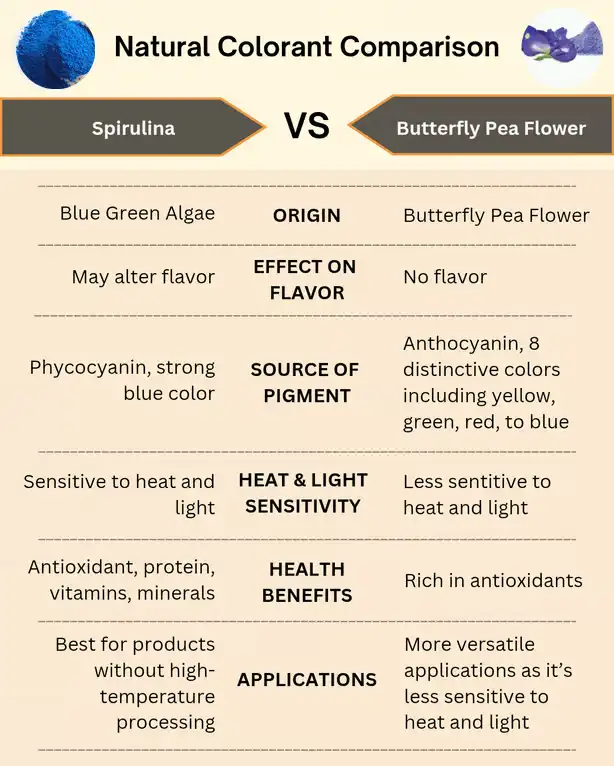
Procurement Insights for B2B Buyers: How to Choose Between Blue Spirulina and Butterfly Pea Flower Powders?
Quality Certifications and Supplier Reliability
Purchasing teams should give more weight to providers with a wide range of certifications that show they are committed to quality management systems. When you get ISO 9001 certification, it means that your quality control methods are standardized. ISO 22000 certification, on the other hand, is all about managing food safety throughout the entire production chain. Organic certifications from the USDA, EU, or similar international groups prove that farming methods are free of synthetic pesticides and GMO contamination. This is becoming more and more important for brands that want to appeal to health-conscious consumers. GMP and HACCP certifications are especially important for pharmaceutical-grade products because full supply chain paperwork is looked at by regulators during audits.
Supplier reliability includes more than just certifications. It also includes technical help, records of consistency from batch to batch, and clear communication protocols. Well-known sellers offer detailed technical data sheets with information on particle size distribution, solubility factors, and the best ways to store ingredients so that they keep working throughout their shelf life. For responsible sourcing, you have to be able to provide certificates of analysis with every shipment that prove the food is safe for microbes and doesn't contain any additives. You can have more faith in a supplier's operational competence if they have long-term ties with major brands and proof of export experience to regulated markets.
Pricing Dynamics and Cost-Efficiency Assessment
The market price for blue spirulina powder shows how difficult it is to make. The wholesale prices change depending on the amount of phycocyanin present and the state of the certification. Higher phycocyanin percentages are more expensive because they have more bioactivity and make the color stronger, which means they can be used in smaller amounts in the final product. Unit economics are greatly affected by the amount of goods bought in bulk; price breaks usually happen at 50-kilogram, 100-kilogram, and 500-kilogram order levels. Organic certification raises prices by about 20 to 30 percent, which is reasonable considering the extra rules that have to be followed and the lower crop yields that come with organic growing.
The prices of blue butterfly pea flower powder are like the prices of other agricultural goods: the prices and supply of goods change with the seasons and harvests. Higher prices are charged for the freeze-dried luxury grade compared to air-dried options because it retains more anthocyanins and works better. Landed costs are affected by where the goods are sourced. For example, goods from Southeast Asia have competitive prices, but they take longer to ship than goods from local or regional suppliers. Strategic buyers often set up two or more sources of supply, balancing cost savings with supply security to lower the risks of crop failures or international disruptions that can happen when relying on just one source.
Supply Chain Elements and Risk Mitigation
To handle lead times, you need to know how each type of ingredient's production cycle works. Growing and processing blue spirulina usually makes it more available all year, with production plans changing to meet the expected demand from regular customers. Different suppliers have different minimum order amounts. For specialty processors that work with smaller brands, the minimum order amount is 10 kilograms. For big manufacturers who want to make the most of their production, the minimum order amount is 500 kilograms. For mission-critical formulations where not having an ingredient would stop production lines and put market promises at risk, keeping safety stock levels at 60 to 90 days is a smart move.
Because butterfly pea flower powder is grown in farms, it changes more with the seasons. In main growing regions, the harvest season runs from June to September. Orders should be coordinated by procurement professionals during the post-harvest times, when the best prices and most raw materials are available. Setting up framework deals with qualified suppliers makes sure that priority is given during times of low supply and also makes planning easier for everyone. A full risk assessment looks at the financial stability of the supplier, other ways to get the product, and any changes that could be made to the recipe to allow for ingredient substitutions if the main supply routes get interrupted.
Product Quality and Market Differentiation: Organic vs Regular Powders
Phytochemical Potency and Efficacy Differences
Comparative studies show that organic butterfly pea flower powder has significantly higher amounts of anthocyanins. On average, approved organic sources have 12–15% more flavonoids than conventionally grown material. This difference in potency comes from how plants react to stress in organic systems. When synthetic pesticides aren't present, plants make more defensive chemicals, which happen to include the anthocyanins that have therapeutic effects. The better phytochemical profile means that the color intensity per unit weight is higher. This means that formulators can get the visual results they want with lower inclusion rates, which could help cover the higher cost of organic certification.
Growing regular blue spirulina in controlled photobioreactors keeps the differences between organic and standard grades to a minimum. This is because the closed cultivation systems naturally keep pesticides out of the plants and the surroundings clean. The main difference is the certification of the nutrient source. For example, organic methods need plant-based nitrogen sources for culture media instead of synthetic ones. When production parameters are properly optimized, phycocyanin concentrations stay about the same in both organic and conventional sources. This means that when making sourcing decisions, people should weigh the certification needs of target markets against the small price increases instead of expecting big differences in how well the products work.
Purity Verification and Authentication Techniques
Blue spirulina quality must be confirmed using a series of multidimensional tests, starting with spectrophotometric research to find the phycocyanin-to-chlorophyll ratio. Pure samples show ratios above 0.7, which means that the blue pigment and green cellular components can be effectively separated. HPLC fingerprinting finds the specific phycocyanin subunits and can tell if the sample has been tampered with by synthetic blue dyes or cheaper spirulina biomass that hasn't been handled properly. Independent confirmation comes from third-party lab testing at accredited testing facilities. This is especially important for pharmaceutical uses where the authenticity of ingredients directly affects following the rules and keeping patients safe.
Spectrophotometric measurement at 580 nanometers is used to standardize the color intensity of butterfly pea flower powder. Quality marks are set based on absorbance values that correspond to the total amount of anthocyanin present. For more advanced authentication, an HPLC-MS test is used to find the unique ternatin chemicals that are only found in Clitoria ternatea. This helps tell the real thing from fakes that come from other blue plants. Moisture content checks make sure that levels stay below 8% to stop microbes from growing during storage. Microbiological testing makes sure that there are no pathogens, such as Salmonella or E. coli, on the plates and that the total plate numbers are less than 10,000 CFU per gram. coli.
Global Supplier Landscape and Selection Criteria
Biotechnology companies that work in advanced cultivation sites with controlled environmental conditions are part of the blue spirulina supplier ecosystem. Leading makers keep vertical integration from growing the plants to making the powder, making sure that quality is controlled at every step of the process. Geographic concentration in areas with good weather and well-established regulatory systems gives buyers a lot of qualified sources, which makes bidding easier while still upholding quality standards. Shaanxi Bolin Biotechnology Co., Ltd. works with well-known companies in the plant extract business and provides approved ingredients and full technical support to customers around the world.
To get butterfly pea flower powder, you have to work with suppliers who keep direct contacts with agricultural groups in Southeast Asian growing areas. Partnerships between processing companies and farming communities are good for the supply chain because they make sure that there is always access to raw materials and help the economies of rural areas grow. Fair-trade principles are followed by reputable suppliers, who keep prices stable for farms while meeting quality standards through field extension services and coordinating harvest times. Buyers should check to see if suppliers are committed to sustainable sourcing. This is especially important for brands that talk about being environmentally responsible in their marketing and business values.
Conclusion
Selecting between blue spirulina powder and blue butterfly pea flower powder requires careful evaluation of specific application needs, target market preferences, and formulation requirements. Blue spirulina delivers superior protein content and documented bioactive properties suitable for nutraceutical applications demanding validated health benefits, while butterfly pea flower powder excels in creating interactive visual experiences and natural food coloring applications aligned with clean-label trends. Both ingredients offer compelling advantages for product developers seeking natural alternatives to synthetic colorants, supported by growing consumer awareness and favorable regulatory environments across key markets. Strategic procurement decisions should balance functional performance requirements against certification needs, supply chain reliability, and total cost of ownership considerations. Partnering with experienced suppliers providing comprehensive technical support and consistent quality assurance creates the foundation for successful product launches and sustained market competitiveness in the expanding natural ingredients sector.
FAQ
What is the typical shelf life of blue spirulina and butterfly pea flower powders under proper storage conditions?
Blue spirulina powder maintains optimal quality for 24 months when stored in sealed containers away from direct light exposure and moisture, with refrigerated storage extending stability to 36 months. Butterfly pea flower powder demonstrates a 12-18 month shelf life at ambient temperatures in moisture-barrier packaging, with anthocyanin degradation representing the primary stability concern. Both ingredients benefit from nitrogen flushing during packaging to minimize oxidative deterioration.
What regulatory considerations affect importing these powders into the United States and European Union?
United States import requires FDA registration of the manufacturing facility and compliance with Current Good Manufacturing Practices (cGMP) for dietary supplement or food ingredient applications. The European Union mandates Novel Food evaluation for ingredients lacking significant pre-1997 consumption history, though traditional use evidence may provide regulatory pathways. Both jurisdictions require microbiological testing, heavy metal analysis, and pesticide residue verification meeting respective pharmacopeia standards.
How can buyers ensure consistent quality when sourcing blue butterfly pea flower powder internationally?
Establishing detailed technical specifications covering anthocyanin content, particle size distribution, microbial limits, and color intensity measurements creates objective quality benchmarks. Requiring certificates of analysis with each shipment batch, conducting periodic third-party verification testing, and maintaining open communication channels with suppliers regarding any processing changes protect quality consistency. Site audits of manufacturing facilities provide additional assurance regarding hygiene practices and quality management system implementation.
Partner with Bolin Biotechnology for Premium Blue Natural Powders
Shaanxi Bolin Biotechnology Co., Ltd. specializes in delivering pharmaceutical-grade blue spirulina powder and organic blue butterfly pea flower powder to discerning nutraceutical manufacturers, cosmetic formulators, and functional food developers across global markets. Our vertically integrated supply chain ensures consistent quality from cultivation through final processing, backed by comprehensive ISO 9001, ISO 22000, and organic certifications meeting the most stringent international standards. Each production batch undergoes rigorous third-party testing, with complete documentation supporting regulatory submissions in North American and European jurisdictions.
We understand the complex requirements facing product development teams, offering customized formulation support, flexible minimum order quantities, and scalable supply solutions that grow alongside your business. Our technical team provides detailed application guidance, stability testing recommendations, and market insight drawn from years of experience serving leading brands across multiple industries. Contact our procurement specialists at sales1@bovlin.com to request sample kits, discuss your specific formulation requirements, and discover how partnering with a reliable blue butterfly pea flower powder supplier can accelerate your product innovation timeline while ensuring ingredient quality that exceeds market expectations.
References
Zhang, Y., & Liu, W. (2021). Phycocyanin: Extraction, Purification, and Therapeutic Applications. Journal of Applied Phycology, 33(4), 2135-2152.
Nair, V., Bang, W. Y., Schreckinger, E., Andarwulan, N., & Cisneros-Zevallos, L. (2015). Protective Role of Ternatin Anthocyanins and Quercetin Glycosides from Butterfly Pea (Clitoria ternatea Leguminosae) Blue Flower Petals Against Lipopolysaccharide-Induced Inflammation in Macrophage Cells. Journal of Agricultural and Food Chemistry, 63(28), 6355-6365.
Martelli, G., Folli, C., Visai, L., Daglia, M., & Ferrari, D. (2014). Thermal Stability Improvement of Blue Colorant C-Phycocyanin from Spirulina platensis for Food Industry Applications. Process Biochemistry, 49(1), 154-159.
Chusak, C., Thilavech, T., Henry, C. J., & Adisakwattana, S. (2018). Acute Effect of Clitoria ternatea Flower Beverage on Glycemic Response and Antioxidant Capacity in Healthy Subjects. BMC Complementary and Alternative Medicine, 18(1), 6-14.
Eriksen, N. T. (2008). Production of Phycocyanin—A Pigment with Applications in Biology, Biotechnology, Foods and Medicine. Applied Microbiology and Biotechnology, 80(1), 1-14.
Lakshan, S. A., Jayanath, N. Y., Abeysekera, W. P., & Abeysekera, W. K. (2019). A Commercial Potential of Clitoria ternatea as a Natural Food Colorant and Antioxidant. International Food Research Journal, 26(4), 1051-1058.