_1745226507162.webp)

What Are Anthocyanins? A Deep Dive into Nature's Vibrant Pigments
Fruits, vegetables, and flowers all have flavonoids in them, like anthocyanins. That's what makes them bright red, purple, and blue. Polyphenols are a group of compounds that dissolve in water. Both plants and people use them as powerful protectors. This stuff can be taken out and turned into anthocyanin powder, which can then be used as an ingredient in many different goods, like cosmetics, nutraceuticals, and functional foods. Accurate dosing, a longer shelf life, and stable bioactivity are all benefits of the standard powder form. These are all important for manufacturers seeking reliable raw materials that meet high-quality standards.
Understanding Anthocyanins: Nature's Powerful Pigments Chemical Structure and Natural Occurrence
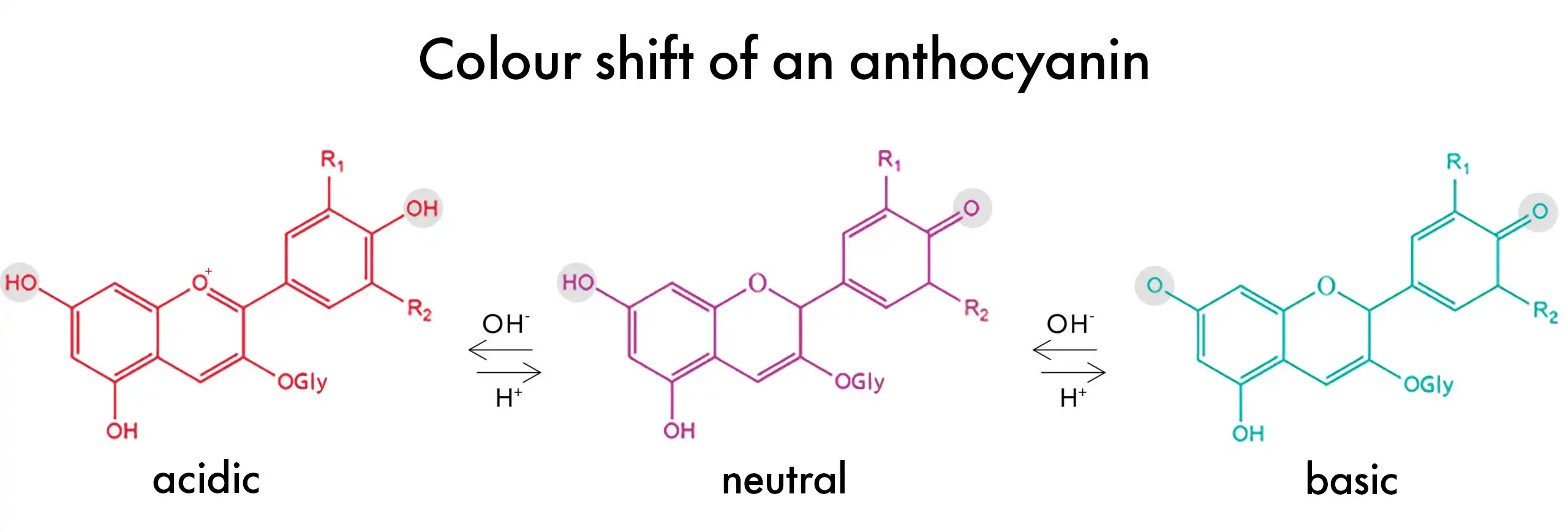
In Greek, "anthos" means "flower" and "kyanos" means "blue." This is where the word "anthocyanins" comes from. This is because they were first found as colors in plants. Aglycones of anthocyanidin are what these chemicals are made of. They are joined to sugar molecules by glycosidic bonds. Among them are cyanidin, delphinidin, pelargonidin, peonidin, petunidin, and malvidin, which are all anthocyanidins. Each one changes the color of plants based on the metal ions that are present and the pH level.
A lot of these colors can be found in berries like aronia, bilberries, and blackcurrants. There are also a lot of them in red grapes, dark corn, and black rice. The amounts found in different plants are very different. By dry weight, some types of wild berries have as much as 25% anthocyanins. Since they are naturally found in large amounts, they are good choices for mining and standardization in the business world.
Extraction and Manufacturing Processes
Making anthocyanin powder in a way that keeps its bioactivity while getting it as pure as pharmaceutical grade takes a few steps. The raw materials are washed, dried, and ground up before they are extracted with food-grade ethanol or water. The raw extract is filtered, concentrated under pressure, and cleaned using either column chromatography or membrane separation technology.
To make a solid powder from the pure liquid extract, you can either spray-dry it or freeze-dry it. Spray drying uses controlled temperatures to keep molecules from breaking down. Freeze drying, on the other hand, sublimates molecules in a vacuum to keep the structure of the molecules. Which of these methods to use depends on the goal, the available funds, and the particle size range that needs to be achieved. Manufacturers who work with the pharmaceutical business often use freeze-drying to keep the highest level of strength for making APIs.
Organic Versus Conventional Raw Materials
When choosing between organic and conventional anthocyanin sources, approval needs, target markets, and commitments to sustainability all play a role. For products to be certified organic, they must be able to be tracked from the seed to the finished product. During farming and processing, synthetic pesticides, fertilizers, and GMO materials must not be used. Even though it costs more to make, this certification is appealing to brands that want to appeal to health-conscious customers and clean-label formulations.
Conventional sources are cheaper and always available because farmers know how to grow crops in the best way. According to pharmacopoeia standards like USP, EP, or ChP, quality control procedures for both groups must check for heavy metal content, pesticide residues, microbial load, and solvent residues. Suppliers you can trust give you batch-specific Certificates of Analysis that show the purity levels are higher than 98%, as measured by HPLC.
Health and Functional Benefits of Anthocyanin Powder
Antioxidant and Anti-Inflammatory Mechanisms
The ability of anthocyanin powder to scavenge free radicals is what makes it useful for treating disease. These chemicals give up hydrogen atoms to reduce reactive oxygen species (ROS), which keeps parts of cells from getting damaged by oxidation. Oxygen Radical Absorbance Capacity (ORAC) values for anthocyanin-rich extracts range from 150 to 300 μmol TE/g, which is higher than many manufactured antioxidants.
Anthocyanins change inflammation pathways at the molecular level by stopping NF-κB from activating and lowering the expression of pro-inflammatory cytokines. People who took standardized anthocyanin supplements for 8 to 12 weeks showed lower levels of C-reactive protein in clinical studies. The ingredient is useful for formulas that target chronic inflammation, metabolic syndrome, and age-related diseases because it works as both an antioxidant and an anti-inflammatory.
Cardiovascular and Metabolic Support
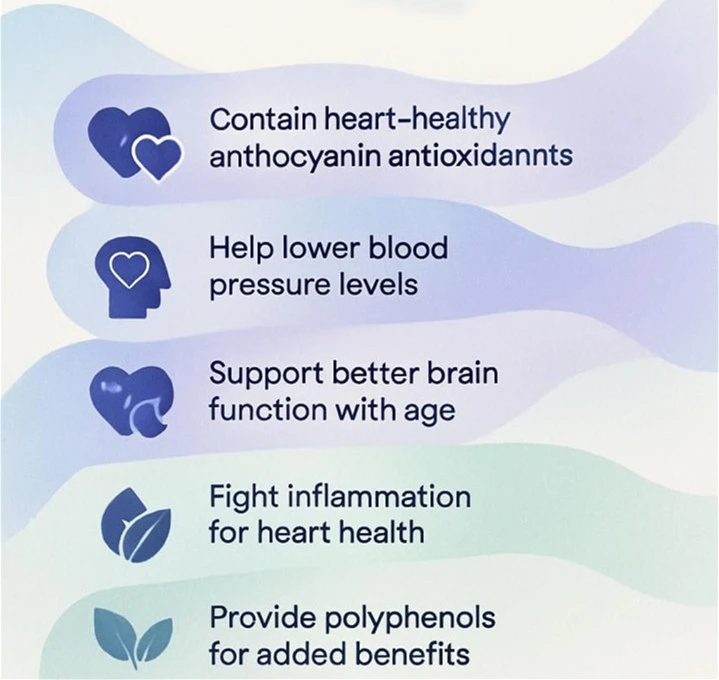
Heart health studies have shown that regularly eating anthocyanins is linked to better endothelial function and less stiffness in the arteries. A review of randomized controlled studies found that giving 300–600 mg of anthocyanins every day to people with high blood pressure lowered their systolic blood pressure by 3–4 mmHg. The process includes making more nitric oxide and making vascular smooth muscle relax better.
In terms of metabolism, the effects include controlling glucose levels and improving lipid profiles. Studies show that adding anthocyanins to your diet makes your body more sensitive to insulin by activating the AMPK pathway and increasing the expression of glucose transporters. These results support the creation of food supplements that improve heart health and metabolic health, especially when mixed with other ingredients that work well together, such as omega-3 fatty acids or CoQ10.
Vision Health and Cognitive Function
Because anthocyanins are good at helping rhodopsin grow in retinal cells, they play a big part in eye health products. Anthocyanin from bilberries that is standardized to 25% anthocyanosides, has been used in European eye products since the 1960s. There is clinical proof that taking 160–480 mg every day may help with adapting to night vision, reducing eye fatigue from screen time, and possibly protecting against macular degeneration.
Cognitive support is a new area of use that has been supported by studies on animals and early attempts on humans. Anthocyanins get into the brain from the blood and build up in parts of the hippocampus that are involved in memory development. Intervention studies with older people show that supplementation protocols that last for 12 weeks improve verbal learning and executive function. These results are interesting to people who are making brain health products for older people.
Dosage Guidelines and Safety Profile
Doses that are suggested change based on the purpose of treatment and the standardization of the anthocyanin source. Eye health products usually have 80 to 240 mg of standardized bilberry extract, and heart health products may need 300 to 600 mg of total anthocyanins every day. In functional food uses, lower concentrations of 50 to 150 mg per serving are common as part of a larger polyphenol complex.
Risk assessments by regulatory groups like the EFSA and FDA say that anthocyanin-rich extracts are generally recognized as safe (GRAS) when taken as a supplement. Animal tests showing toxicological effects don't happen at doses up to 5,000 mg/kg body weight. In human trials, the only side effects reported were mild stomach pain in sensitive people at high doses. This good safety profile supports a wide range of formulation uses in many product groups.
Sourcing and Procuring Anthocyanin Powder for B2B Clients
Supply Chain Transparency and Traceability
Finding a reliable source for anthocyanin extract powder starts with checking where the raw materials come from and how they are grown. The biggest suppliers work directly with farmers to make sure they follow Good Agricultural Practices (GAP) and do regular field checks. Traceability systems should keep track of each batch from the time it is picked until it is processed. This way, problems with quality can be fixed quickly, and there will be proof for regulatory checks.
Where anthocyanins come from has a big effect on their bioactivity and makeup. Wild-harvested Nordic bilberries are more expensive because they have higher amounts of anthocyanins than cultivated types. Chinese purple sweet potato and black rice are cheaper options that have different amounts of anthocyanins. Managers in charge of buying things should check to see if suppliers can provide steady sourcing all year or use strategic inventory planning to deal with seasonal changes.
Quality Control and Certification Standards
Full quality control includes checking the raw materials, keeping an eye on the process, and checking the final product. When berries come in, they are checked visually for mold contamination and given a basic anthocyanin screening. To make sure that each batch is the same, the processing conditions, such as the temperature of the extraction, the amounts of solvents, and the drying conditions, are constantly checked.
The finished anthocyanin powder needs to be tested for many things, such as its potency using HPLC, its presence of heavy metals (lead, arsenic, cadmium, and mercury), its pesticide residues (which can include more than 200 chemicals), and its microbes (yeast, mold, and pathogenic bacteria). A supplier's ISO 9001 certification shows that they are dedicated to quality management systems. On the other hand, ISO 22000 or FSSC 22000 certifications deal with food safety management. GMP certification is important for sellers who work with the pharmaceutical and nutraceutical industries.
Bulk Purchasing Strategies and Logistics
Price structures are affected by volume commitments, with big price cuts possible for yearly contract quantities over 500 kg. Strategic buyers arrange multi-year contracts with price changes based on indices of raw materials. This protects against changes in the market and ensures a steady supply. Different suppliers have different minimum order amounts, which can be as low as 25 kg for specialty grades or as high as 100–500 kg for commodity grades.
Anthocyanin stability is protected throughout the supply chain by rules about how it should be stored and moved. The powder should be kept in containers that are safe for food and keep light out. It should be kept at a controlled temperature (below 25°C) and low humidity (below 60% RH). By stopping oxidative degradation, nitrogen flushing or vacuum packing can make food last longer on the shelf. For international packages to get through customs, they need the right paperwork, like MSDS, certificates of origin, and phytosanitary certificates.
Value-Added Services and Custom Formulation
Progressive suppliers set themselves apart by offering technical support services like formulation advice, help with stability testing, and the creation of regulatory paperwork. Custom extraction methods can target specific anthocyanin profiles or concentration levels that meet the needs of a particular product. Microencapsulation services make things more stable in tough situations, like when they're in acidic drinks or foods that have a lot of water activity.
With private labeling and white-label manufacturing, brands can get their goods on the market without having to spend a lot of money on production facilities. Intellectual property rights should be protected, non-compete deals should be made, and quality standards should be made clear. Small-batch custom runs (50–200 kg) from suppliers make it easier to test the market and build a product before going into full commercial production.
Maximizing the Value of Anthocyanin Powder in Your Product Line
Applications in Nutraceuticals and Dietary Supplements
Blueberry anthocyanin is the main ingredient in many types of supplements that are meant to help with different health problems. Anthocyanins from bilberries are mixed with lutein, zeaxanthin, and zinc in vision health formulas to provide all-around eye support. Anthocyanins, hawthorn berry, CoQ10, and magnesium are all found together in cardiovascular vitamins to help the heart in many ways. Anti-aging products use antioxidants along with collagen peptides and hyaluronic acid to help strengthen the skin and joints.
The choice of delivery format affects bioavailability and consumer taste. Standardized extracts that need exact dosing work well in vegetarian capsules, while oil-soluble nutrient combinations can be put together in soft gels. Gummy supplements are popular with people who want to enjoy their supplements, but formulators have to deal with problems with stability in places with a lot of moisture. New delivery methods, like liposomal encapsulation and nanoparticle formulations, improve absorption rates, which is why they are priced higher.
Functional Food and Beverage Integration
Because of its useful qualities and natural coloring properties, anthocyanin powder has gained popularity in the beverage industry. Anthocyanins are found in sports nutrition drinks and help your body heal from exercise by lowering inflammation and managing oxidative stress. Wellness shot products take advantage of the move toward convenience by giving concentrated doses in small amounts. Because anthocyanins' color stability depends on pH, they work well in acidic drinking systems and keep colors bright for a long time.
Adding anthocyanin to functional snack bars, protein balls, and nutrition drinks could help them grow. Because it dissolves in water, it's easy to spread evenly in formulations, and neutral taste profiles go well with berry-flavored products. People who want known ingredients over synthetic additives respond well to "clean label" messaging. Stability tests should show that the anthocyanin stays in the product even after being extruded, baked, or mixed with a lot of force.
Cosmetic and Personal Care Applications
For antioxidant protection in anti-aging skincare formulas, the cosmetics industry values anthocyanin powder. When applied topically, it directly neutralizes ROS at the skin's surface, which may help reduce the effects of UV damage and external stressors. The ability to dissolve in water makes it good for serums, toners, and essences that are water-based, but formulators need to make sure the pH is just right to keep the color and stability.
Anthocyanins are naturally colored substances that are used in hair care products for brief tints and color-depositing conditioners. They are especially useful for purple-toning formulas that balance out brassy tones in blonde hair. Scalp health products that treat dandruff and irritation work better when they have anti-inflammatory qualities. Safety data standards include testing on skin types, making sure that preservatives work, and making sure that the product stays stable at different temperatures and levels of light that are relevant to how people store it.
Emerging Trends and Market Opportunities
New developments in delivering anthocyanins include using plants that work well together. Combining anthocyanins with curcumin or green tea extract makes antioxidants work better by using more than one route. Personalized nutrition trends are driving the demand for vitamins that can be changed so that customers can choose the anthocyanin sources that are best for their health.
A study of the global market shows that demand is growing quickly in the Asia-Pacific area, where traditional medicine ideas are similar to those of polyphenol supplements. Regulatory harmonization attempts could make it easier for standardized extracts to get into markets in more than one place. Because climate change is having an effect on berry farming, different sourcing methods are needed, and new anthocyanin sources like purple corn and black soybean varieties need to be looked into.
Conclusion
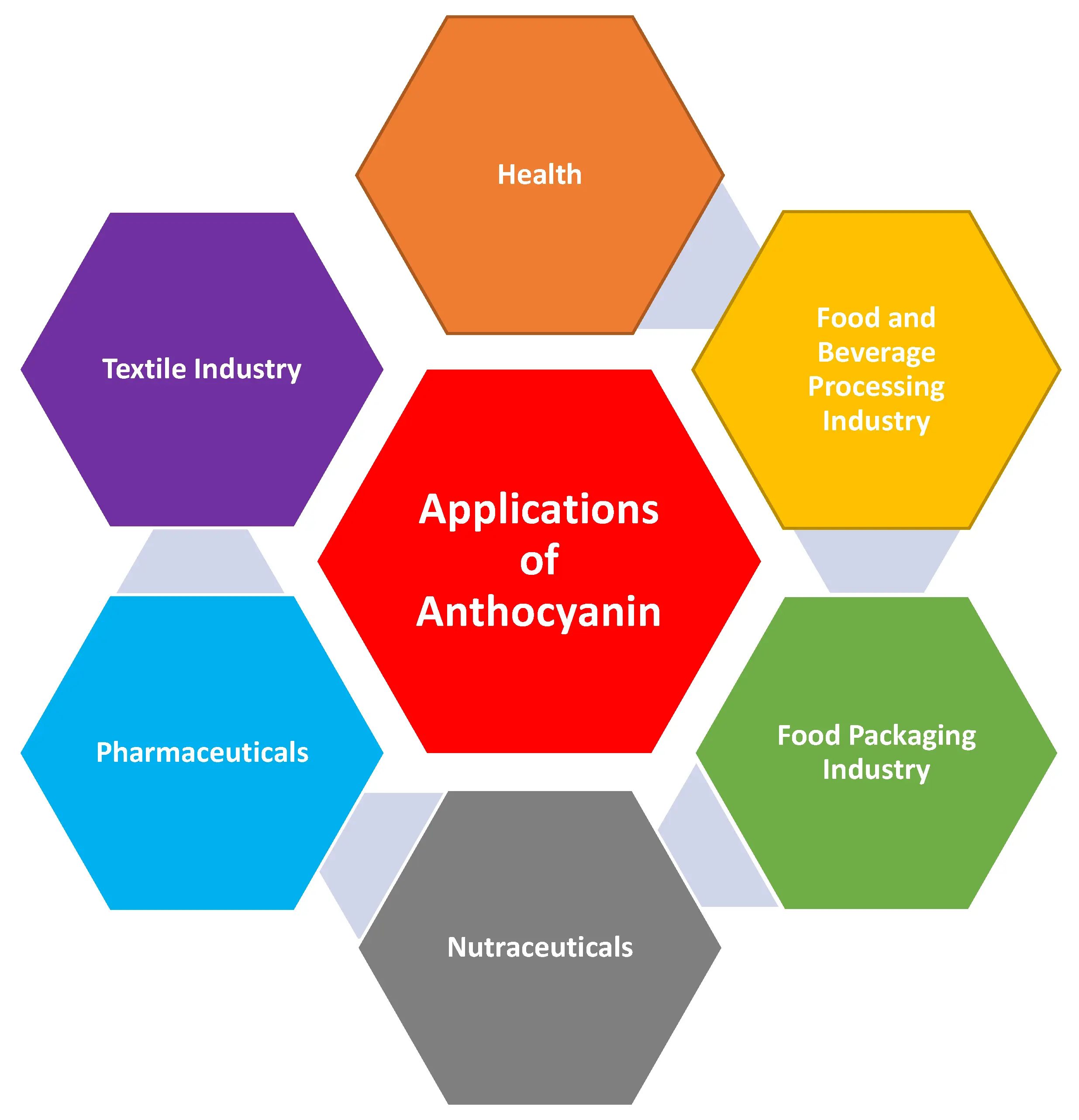
Anthocyanin powder is a flexible and scientifically proven ingredient that can be used in a wide range of industries, including cosmetics, food, drinks, nutraceuticals, and pharmaceuticals. The substance is a key ingredient for making health-related products because it has strong antioxidant properties, helps the heart, and is generally safe. To make sure consistent quality and legal compliance, strategic sourcing needs to pay attention to standardization, certification, and source dependability. Anthocyanin powder provides manufacturers with a competitive edge through functional efficacy and natural positioning as consumer knowledge of plant-based bioactives rises alongside demand for clean-label formulations. Understanding how ingredients are extracted, how they compare to other ingredients, and how to formulate them for a specific use helps buying teams get the most out of their ingredients while still meeting high-quality standards.
FAQ
What concentration levels should we specify when procuring anthocyanin powder?
Standardized anthocyanin powder typically ranges from 5% to 40% total anthocyanins, with pharmaceutical applications favoring 25-40% concentrations for precise dosing control. The specification should define the quantification method (HPLC with a specific wavelength) and marker compounds relevant to the botanical source. Bilberry extracts are often standardized to 25% anthocyanosides, while elderberry concentrates may reach 10-15% anthocyanins. Lower concentrations suit functional food applications requiring gradual supplementation, whereas therapeutic supplements demand higher potencies to achieve clinically relevant doses within practical serving sizes.
How do storage conditions affect anthocyanin powder stability?
Anthocyanin degradation accelerates under light exposure, elevated temperatures, and high humidity conditions. Optimal storage requires opaque, airtight containers kept below 25°C with relative humidity maintained under 60%. Oxygen exposure triggers oxidative degradation, making nitrogen flushing or vacuum packaging advisable for long-term storage exceeding six months. Under proper conditions, high-quality anthocyanin powder maintains 90% potency for 24 months, with stability testing data available from reputable suppliers.
Can anthocyanin powder be used in transparent cosmetic formulations?
The inherent red-to-purple pigmentation of anthocyanin powder poses challenges for transparent cosmetic bases, though pH adjustment toward acidic ranges (pH 3-4) can minimize color intensity. Microencapsulation technologies enable incorporation into clear gels and serums while preserving antioxidant functionality without visible coloration. Alternative approaches include marketing the natural color as a product feature in tinted serums or leveraging colorless anthocyanin derivatives currently under development for cosmetic applications.
Partner with Bolin Biotechnology for Premium Anthocyanin Powder Supply
Accessing superior-quality anthocyanin powder begins with selecting an experienced anthocyanin powder supplier committed to excellence in extraction technology and quality assurance. Bolin Biotechnology operates state-of-the-art facilities certified to ISO 9001, GMP, and HACCP standards, ensuring every batch meets pharmaceutical-grade specifications. Our technical team provides comprehensive formulation support, stability testing assistance, and regulatory documentation to accelerate your product development timeline. Whether you require small-scale R&D quantities or bulk commercial volumes, we offer flexible MOQ options and customized extraction protocols tailored to your specific anthocyanin profile requirements. Contact our procurement specialists at sales1@bovlin.com to request detailed specifications, COA samples, and competitive quotations. We welcome the opportunity to become your trusted partner in botanical innovation.
References
Wallace, T.C., Giusti, M.M. (2015). Anthocyanins in Health and Disease. CRC Press, Taylor & Francis Group.
Khoo, H.E., Azlan, A., Tang, S.T., Lim, S.M. (2017). Anthocyanidins and anthocyanins: colored pigments as food, pharmaceutical ingredients, and the potential health benefits. Food & Nutrition Research, 61(1), 1361779.
Castañeda-Ovando, A., Pacheco-Hernández, M.L., Páez-Hernández, M.E., Rodríguez, J.A., Galán-Vidal, C.A. (2009). Chemical studies of anthocyanins: A review. Food Chemistry, 113(4), 859-871.
de Pascual-Teresa, S., Moreno, D.A., García-Viguera, C. (2010). Flavanols and anthocyanins in cardiovascular health: a review of current evidence. International Journal of Molecular Sciences, 11(4), 1679-1703.
Kalt, W., Cassidy, A., Howard, L.R., Krikorian, R., Stull, A.J., Tremblay, F., Zamora-Ros, R. (2020). Recent Research on the Health Benefits of Blueberries and Their Anthocyanins. Advances in Nutrition, 11(2), 224-236.
Mattioli, R., Francioso, A., Mosca, L., Silva, P. (2020). Anthocyanins: A Comprehensive Review of Their Chemical Properties and Health Effects on Cardiovascular and Neurodegenerative Diseases. Molecules, 25(17), 3809.