_1745226507162.webp)

Natural Beta-Carotene as a Food Colorant: Shade Range, Stability, and Application Guidelines
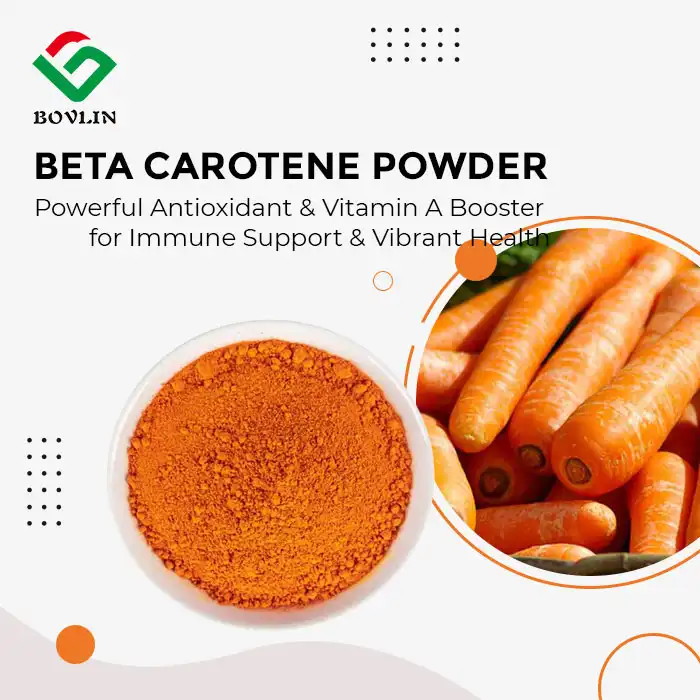
Natural beta carotene powder has become a popular food colorant among formulators who want to balance bright looks with a clean label. This plant-based pigment comes in a range of colors, from light yellow to deep orange. It also contains provitamin A, so it can be used for both coloring and adding protein. As more people want to know where their food comes from, natural carotenoids have become important parts of modern food production, especially for companies that want to follow the rules and stand out in the market. In industrial production, knowing how to improve shade consistency, keep colors stable across different processing conditions, and use good application protocols can have a big effect on the quality of the product and how much it costs.
Understanding Natural Beta Carotene Powder as a Food Colorant
Origin and Extraction Methods
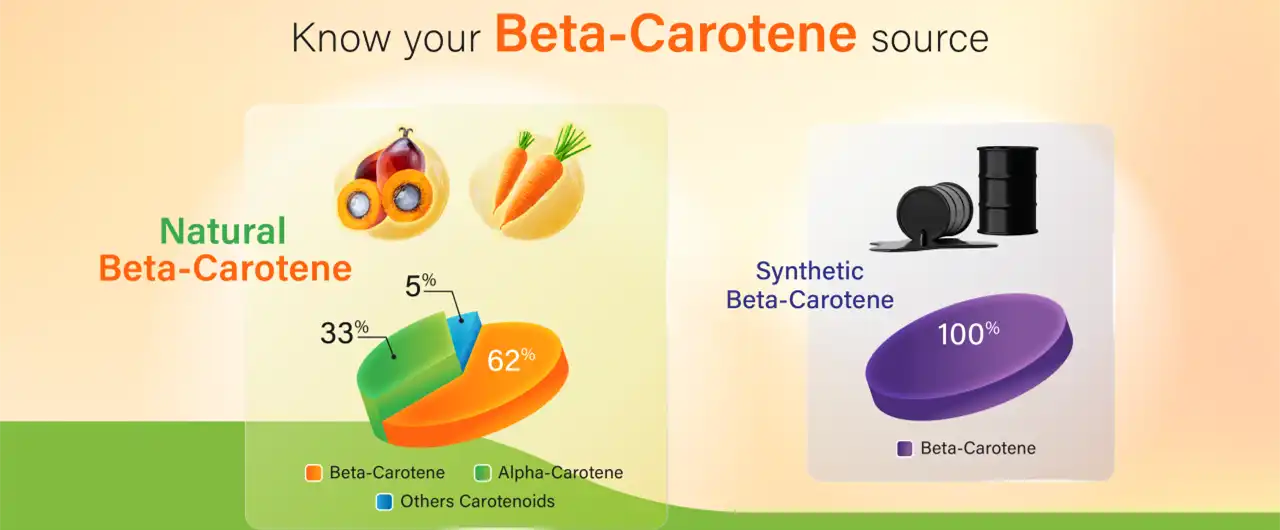
Naturally occurring beta-carotene is one of about 600 different types of carotenoids found in nature. Most commercial sources come from one of three ways: fermentation with Blakeslea trispora fungi, extraction from Dunaliella salina microalgae, or isolation from plants like carrots and sweet potatoes. The fermentation method has become very popular in industry because it can be scaled up and produces reliable yields. Variants derived from algae have very high purity levels, often topping 98% as measured by high-performance liquid chromatography. This makes them ideal for use in pharmaceuticals. The finished powder's solubility, color intensity, and stability are all affected by the extraction method used.
Color Characteristics and Nutritional Value
The pigment molecule has eleven conjugated double bonds inside its polyene chain. These bonds give the pigment its strong color and ability to absorb light in the visible spectrum. Because of this structural feature, beta-carotene can give colors that run from pale yellow at low levels to reddish-orange at higher levels. Unlike man-made dyes like tartrazine, natural carotenoids do two things: they color things and also change into retinol in the body, which helps keep your eyes healthy and your immune system strong. According to research released in food science journals, two molecules of beta-carotene can theoretically turn into one molecule of vitamin A. However, the actual conversion rates depend on the person's body and the foods they eat.
Advantages Over Synthetic Alternatives
More and more, regulations around the world are favoring natural colorants. For example, the European Food Safety Authority and the FDA have kept the generally recognized as safe (GRAS) status for beta-carotene sources that they have approved. Manufacturers who use natural colors can benefit from "clean label" positioning, which is very popular with people who care about their health. The Southampton Study by the UK Food Standards Agency shows that synthetic options are getting more attention because they may be linked to hyperactivity in children. Natural carotenoids also get better ratings from consumers in sensory tests. This means that brands that switch from fake to natural coloring systems don't have to worry as much about having to change the recipe.
Shade Range and Color Stability of Beta Carotene Powder
Factors Influencing Shade Variability
The plant source has a direct effect on the carotenoid profile in the final natural beta carotene. Materials derived from algae tend to have brighter, more yellow-toned colors, while products derived from fungal fermentation tend to have deeper orange colors. Processing conditions during extraction and drying have a big effect on the distribution of particle sizes. This, in turn, has an effect on how light interacts with pigment particles that are spread out in finished goods. Using microencapsulation methods, like spray-drying with modified starches or gum arabic matrices, makes it easier for things to dissolve in cold water and controls the amount of shade by controlling how the particles stick together.
Formulators have precise control over how the end product looks by changing the concentration levels. Dosage rates are usually between 0.5 and 50 parts per million, but this depends on the application. For example, drinks need lower amounts than sweets. Changes in the oxidation state of the carotenoid molecule are also very important; even small changes can make colors lighter yellow and weaker.
Environmental Stability Considerations
A key factor in stability is the temperature that the product is exposed to during handling and storage. Studies show that beta-carotene breaks down using first-order kinetics, which means that response rates double for every 10 degrees Celsius rise above room temperature. In dairy uses, pasteurization usually involves heating to 72°C for 15 seconds. When formulations contain the right antioxidant systems, there isn't much color loss. Long-term high-temperature contact during extrusion or baking can break down a lot of pigment, which means that fifteen to thirty percent more needs to be added to make up for the processing losses.
The pH level of an area has a big effect on how colors show up and how stable they are. Conditions that are neutral to slightly alkaline (pH 6–8) keep the color strength at its best. Acidic conditions below pH 4 can change the colors to yellow and speed up the breakdown process. Citric acid, which is often used in drinks, makes it hard for carotenoids to stay stable, so it's important to choose types that are encapsulated and have protective coatings.
Photo-oxidation processes start when carotenoid pigments are exposed to light and break down quickly. When compared to clear cases, packaging that is amber or opaque lasts a lot longer. When used in stores, fluorescent lighting is safer than direct sunlight, but long-term exposure still calls for the right safety measures. Researchers have found that adding light blockers and oxygen scavengers together can make color last longer, from six months to over eighteen months in certain situations.
Comparative Performance Against Other Carotenoids
Comparing beta-carotene to annatto, paprika oleoresin, and lycopene shows that its stability levels are average. Annatto's bixin part is more stable in acidic environments, which makes it better for low-pH drinks. On the other hand, beta-carotene works better in neutral dairy mixtures. Carotenoids naturally have antioxidant properties that help keep fat-containing products stable. This is in addition to their color-changing properties. Because they can be used for two different things, they often cost more than synthetic colors that can only be used for one thing.
Application Guidelines for Beta Carotene Powder in Food Production
Beverage Applications
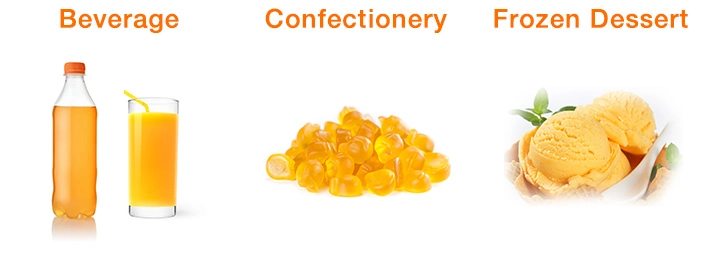
When it comes to how well and how stable carotenoids are in water, people who make drinks face some unique problems. Cold water dispersible (CWD) grades were made to deal with the naturally lipophilic nature of carotenoids. They do this by using hydrocolloid matrices that make it easier for the oil to spread evenly without separating or "ringing" on the sides of containers. Usually, two to ten parts per million are used in fruit drinks. The amount used depends on how strong of a color is wanted and what pigments are already in the fruit juice.
When making carbonated soft drinks, you need to pay extra attention to the dissolved oxygen levels and pH. Because carbon dioxide is acidic, it can lower the pH of a system below what is best for carotenoid stability. To keep the goal color throughout the shelf life, buffer systems or higher dosage rates are needed. By stopping oxidative degradation pathways, nitrogen flushing during filling activities greatly increases the length of time that colors last.
Dairy and Bakery Products
Beta-carotene works well in dairy goods like full-fat milk, yogurt, and cheese because it dissolves easily in fat. The protein and fat structures in dairy naturally protect against oxidation, which means that the color stays stable even when stored in the fridge. Carotenoids are often added by cheesemakers when the milk is standardized to make sure that the nutrients are spread out evenly before it coagulates. Rates of use range from 15 to 40 parts per million, based on the type of cheese and the color depth you want to achieve.
It can be hard to keep things stable at high temperatures during the mixing, proofing, and baking processes in bakeries. When heated to 200°C in an oven, encapsulated grades with heat-stable materials keep their color better. The pH of dough, which is usually between 5.0 and 6.5, is good for keeping carotenoids stable. Less sugar and Maillard browning processes can hide lighter carotenoid colors, so formulators have to think about these effects when they make new products.
Confectionery and Supplement Formulations
Gummy supplements and sweets are high-value examples of uses where how something looks directly affects how people think about it. If you use natural beta-carotene in these areas, here are the main benefits:
- Heat resistance during cooking: Encapsulated natural beta carotenes can handle gummy cooking temperatures of 90–100°C without losing much of their color. This keeps the color intensity high throughout the whole production process and makes sure that the consistency from batch to batch.
- Protection against humidity: changed starch structures keep carotenoids from breaking down when they come in contact with water in hygroscopic gummy formulas, which increases the shelf life beyond twelve months when paired with the right packing.
- Uniform distribution: Powder formats let you precisely mix other dry ingredients before adding them, which stops color streaking and makes sure the whole product has the same look without the need for special tools.
Because of these benefits, producers will have fewer times to change the formula and deal with quality complaints. When compared to liquid suspensions or oil dispersions, which need special storing conditions and have shorter use-by dates after opening, powders are easier to keep track of.
Dosage Optimization and Compliance
Different places have different rules about how to follow them, but the Codex Alimentarius is a globally recognized guide. In the US, beta-carotene can be used up to the levels allowed by good manufacturing practice. In the EU, on the other hand, rules set the highest amounts that can be used in certain types of food. When formulators are making new goods, especially ones that will be sold all over the world, they need to look at the rules that apply to that area.
If you follow the right mixing steps, you can avoid areas with high amounts that can cause color differences. The best dispersion is achieved by dry-blending carotene powders with carrier substances before adding liquids. High-shear mixing should be kept to a minimum so that too much air doesn't get mixed in, which speeds up oxidative breakdown. As much as possible, keeping processing temperatures below 80°C keeps the color's full strength and reduces overages.
How to Choose the Right Beta Carotene Powder Supplier for Bulk Procurement?
Certification and Quality Standards
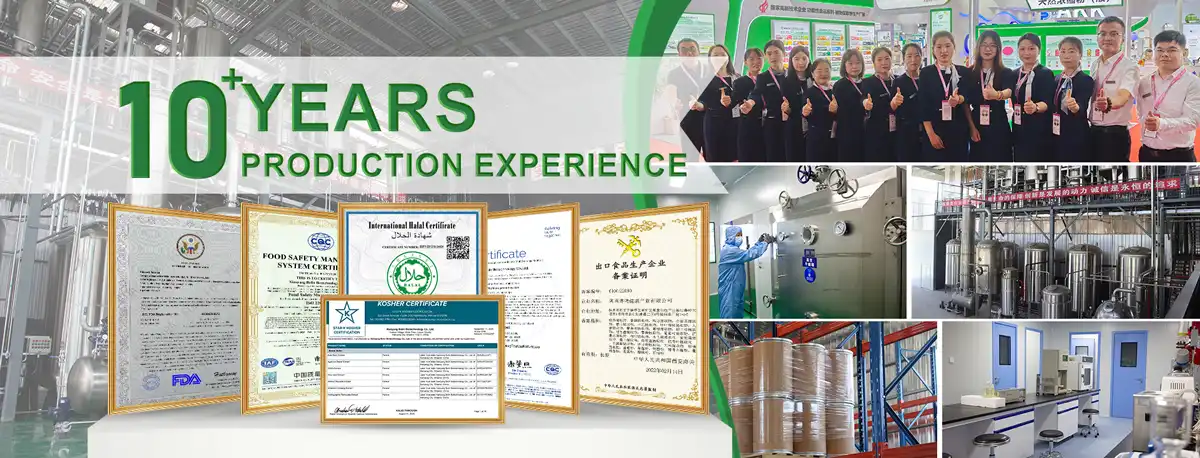
When purchasing managers look at possible providers, they should give more weight to those that have GMP and HACCP certifications as well as ISO 22000 food safety management systems. These models show organized ways to stop contamination and make sure that each batch is the same. Organic approvals from the USDA or the EU's organic programs are highly sought after, but the whole supply chain has to be able to be tracked from planting to processing.
Specification sheets should be part of quality control methods. These sheets should list the purity levels, which are usually found by HPLC and should be higher than 96% for commercial food-grade materials. As a minimum, residual solvent analysis, heavy metal screening, and microbiological tests must be done. Suppliers who give proof of analysis for every batch of goods show they care about quality and openness.
Technical Support and Customization Capacity
Superior suppliers are different from commodity providers because they can give expert advice that is specific to an application. Companies that give formulation help, stability testing, and custom encapsulation matrices add a lot of value on top of providing raw materials. This knowledge is especially important when trying to fix problems with color stability or finding the best dose rates for new uses.
Suppliers can change particle size distributions, dispersibility properties, and carrier matrices to fit the needs of a particular manufacturing process. Spray-dried grades may work best for beverage applications that need to dissolve in cold water, while beadlet forms work best for applications that need longer release times or better oil dispersibility. Flexibility in the minimum order number lets smaller manufacturers get high-quality materials without having to keep too much inventory on hand.
Supply Chain Reliability and Logistics
Transparency in the supply chain is becoming more and more important as companies try to check promises of sustainability and ethical sourcing. Suppliers who have direct relationships with basic producers, like fermentation facilities or algae farms, can give you more information about how the products are made and how each batch can be tracked. Multi-sourcing methods protect against problems in different regions, crop failures caused by bad weather, or problems in international politics.
If you store pure beta carotene powder properly, it should last for twenty-four months if you keep it below 25°C in sealed, oxygen-barrier packing. Suppliers who give technical storage advice, such as suggestions for using nitrogen blankets or desiccants, help ingredients last longer and cut down on waste from old stock. Clear paperwork about retest dates and stability data helps with smart inventory rotation.
Future Trends and Innovations in Natural Beta-Carotene Food Colorants
Advanced Extraction and Stabilization Technologies
Supercritical carbon dioxide extraction is a new method that lets you process things without using solvents and more selectively for specific carotenoids. This method makes extracts that are very pure and doesn't leave behind any solvents, which makes it appealing to premium clean-label groups. The technology keeps getting better at being scalable, and recent installations have shown that it can be used for business purposes at mid-scale production levels.
Nanoencapsulation methods that use liposomal transport systems or protein-based nanoparticles have the potential to greatly enhance bioavailability and stability. These improved formulations protect carotenoid molecules at the molecular level. This could make them last longer than current standards while also lowering the doses that need to be taken. Early research shows that bioavailability is two to three times better than with regular powder formats, but they are still hard to get in stores.
Clean-Label and Organic Market Growth
According to market research from specialized industry research companies, natural food colorants will grow at rates higher than eight percent per year for the next ten years. This is mostly because consumers' tastes are changing and regulations are putting pressure on synthetic alternatives. Even though they cost more, organic-certified carotenoids are the fastest-growing category. This is because companies are trying to stand out in high-end product categories.
Transparency efforts that require full ingredient disclosure on the front of the package labeling speed up the use of natural colorants even more. People are becoming more and more negative about synthetic colors, and social media is making people even more worried about artificial ingredients. This situation opens up a lot of possibilities for companies that change their recipes to include natural alternatives before the government makes them.
Multifunctional Applications Beyond Food
Companies that make cosmetics have noticed that beta-carotene has antioxidant and photoprotective qualities and have started using it in anti-aging and sun protection products. This demand from different industries affects the way supplies change and leads to new ideas in stability technologies that can be used in all of them. In the same way, nutraceutical uses open up new market possibilities. For example, encapsulated carotenoid supplements stay stable longer than oil-based formats.
New study on carotenoid combinations shows that when beta-carotene is combined with lutein, astaxanthin, or zeaxanthin, the effects are stronger. These mixes of multiple carotenoids offer a wider range of colors and may also improve biological functions. These kinds of innovations help formulators meet certain color goals while also setting goods apart by making their nutritional profiles better.
Conclusion
Natural beta carotene powder delivers reliable coloring solutions across diverse food and beverage applications when formulators understand the variables influencing shade range and stability. Managing environmental factors such as temperature, pH, light exposure, and oxygen levels maintains color integrity throughout processing and shelf life. The ongoing shift toward clean-label ingredients positions natural carotenoids favorably against synthetic alternatives, supported by robust regulatory acceptance and consumer preference trends. Selecting qualified suppliers with appropriate certifications, technical expertise, and reliable supply chains ensures consistent access to high-quality materials. As extraction technologies advance and markets increasingly demand transparent ingredient sourcing, natural beta-carotene remains positioned as a strategic component in modern food formulation strategies.
FAQ
What is the typical shelf life of natural beta carotene powder?
Properly stored natural beta carotene powder maintains optimal quality for twenty-four months from manufacture date when kept in sealed, oxygen-barrier packaging at temperatures below 25°C with relative humidity under sixty percent. Exposure to elevated temperatures, moisture, or oxygen accelerates degradation, potentially reducing usable shelf life to twelve to eighteen months under less controlled conditions. Refrigerated storage can extend stability beyond standard timeframes, though condensation risks during temperature cycling require careful handling protocols.
How does beta-carotene color stability compare to annatto and paprika extracts?
Beta-carotene demonstrates superior stability in neutral pH dairy applications compared to annatto's bixin component but shows less acid resistance than norbixin forms in low-pH beverages. Paprika oleoresin offers broader shade ranges including red tones but exhibits lower light stability than encapsulated carotenoids. Each colorant presents distinct advantages depending on application parameters, with beta-carotene's provitamin A functionality providing unique nutritional positioning unavailable with other natural pigments.
Are there regulatory restrictions on beta-carotene usage in specific food categories?
United States regulations classify beta-carotene as generally recognized as safe with no specific maximum usage levels, allowing application at good manufacturing practice quantities. European Union regulations permit beta-carotene (E160a) in most food categories under quantum satis principles, though certain applications specify maximum levels. Japan, China, and other Asian markets maintain approved food additive lists requiring specific product registrations. International manufacturers should verify compliance requirements for each target market during formulation development.
Partner with Bolin Biotechnology for Premium Natural Beta Carotene Powder Supply
Shaanxi Bolin Biotechnology brings over a decade of specialized experience in botanical extract production, delivering pharmaceutical-grade natural beta carotene powder to manufacturers, formulators, and distributors worldwide. Our facility maintains comprehensive ISO, GMP, and HACCP certifications while offering customized microencapsulation solutions tailored to your specific application requirements—whether cold water dispersible grades for beverage systems or heat-stable beadlets for bakery applications. We provide complete technical documentation including stability data, application guidelines, and regulatory support to streamline your formulation development process. Contact our team at sales1@bovlin.com to discuss your bulk procurement needs and receive samples demonstrating our superior color stability and dispersibility profiles.
References
Rodriguez-Amaya, D.B. (2016). Natural Food Pigments and Colorants. Current Opinion in Food Science, 7, 20-26.
Priyadarshan, P.M. (2021). Chemistry and Technology of Natural and Synthetic Dyes and Pigments. IntechOpen Publishing.
Scotter, M.J. (2015). Colour Additives for Foods and Beverages. Woodhead Publishing Series in Food Science, Technology and Nutrition.
Delgado-Vargas, F. & Paredes-López, O. (2018). Natural Colorants for Food and Nutraceutical Uses. CRC Press.
Socaciu, C. (2020). Food Colorants: Chemical and Functional Properties. CRC Press Taylor & Francis Group.
Sigurdson, G.T., Tang, P. & Giusti, M.M. (2017). Natural Colorants: Food Colorants from Natural Sources. Annual Review of Food Science and Technology, 8, 261-280.