_1745226507162.webp)

Elderberry Extract Bulk Sourcing: Anthocyanin Specifications (5%-25%), Purity Grades, and Supplier Qualification
Knowing the precise anthocyanin specifications when purchasing elderberry extract in bulk is a wise decision that directly affects the product's functionality and market position. Standardized anthocyanin ratios range from 5% to 25% in elderberry extract powder, which is mostly derived from Sambucus nigra L. It may be used to address significant formulation requirements in the functional food, pharmaceutical, and nutraceutical sectors. An ingredient's antioxidant capacity, color intensity, and immune-boosting claims are all influenced by the quantity of anthocyanin it contains. Therefore, selecting the appropriate standard is crucial when making a purchase. Even in complex supply chains, buyers may locate botanical substances that satisfy legal criteria and consumer expectations by examining purity grades and stringent seller clearance regulations.
Understanding Elderberry Extract and Anthocyanin Standardization
What Distinguishes Raw Fruit Powder from Elderberry Extract
Concentrated plant extracts vary from basic fruit powders due to bioactive standardization. Raw elderberry fruit's tannin content varies depending on how it was harvested, where it originated from, and how it was processed. Concentrated extracts undergo membrane filtering and low-temperature spray drying to separate and standardize certain chemicals, primarily cyanidin-3-glucoside and cyanidin-3-sambubioside. This eliminates potentially hazardous components like cyanogenic glycosides, which are present in unripe berries and stems. Ensuring that medication dosages are consistent between batches is one of the company's main challenges. That issue is resolved by this controlled extraction.
Anthocyanin Concentration: Selecting the Right Specification
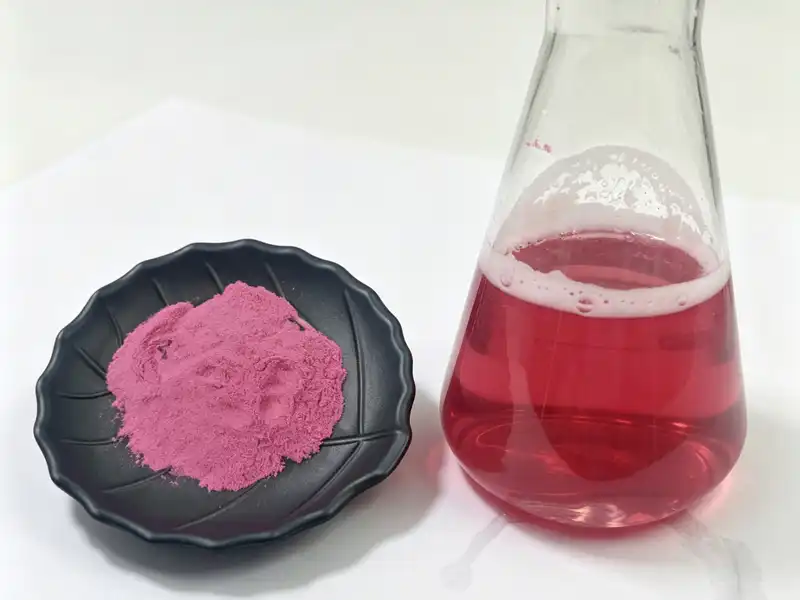
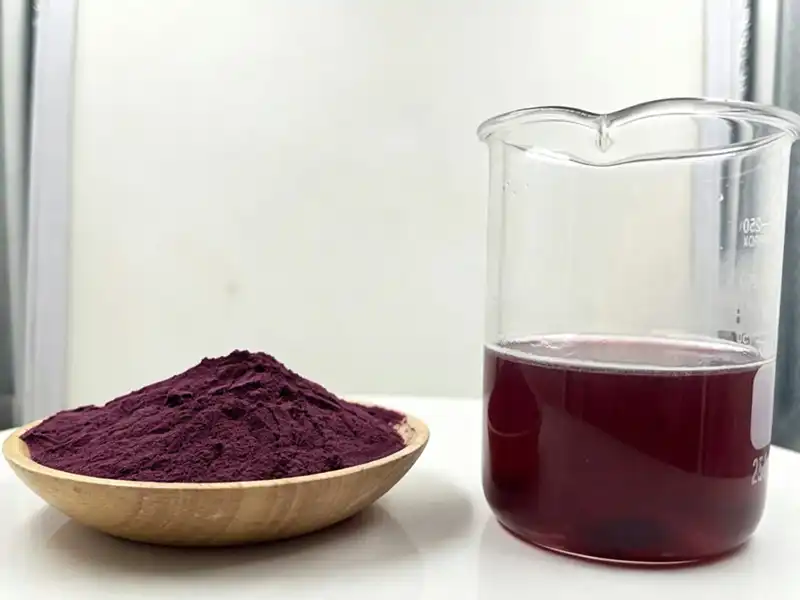
The effectiveness and applications of elderberry extract powder are directly impacted by its anthocyanin content. Lower concentrations, ranging from 5 to 10 percent, are used in economical combinations, such as nutritional drinks or beverages for general health, where immune support is one of several advantages. Mid-range specifications of 15% anthocyanins combine cost-effectiveness and efficacy, making them appropriate for daily supplement tablets and practical gummies designed to maintain excellent health. Standardized high-concentration extracts containing 25% anthocyanins are used in clinical research, upscale recipes, and goods that must rapidly strengthen the immune system. They are also used in high-end products when the increased expense of the ingredients is justified by the maximum bioactive delivery. Procurement teams may ensure that material specifications align with legal label requirements and product performance claims by being aware of these variations in elderberry extract powder specifications.
Quality Benchmarks Beyond Anthocyanin Content
A thorough quality evaluation considers many technological aspects in addition to anthocyanin content. Particle size distribution affects both solubility in liquid systems and flowability in packing machines. The optimal performance is about 95% through 80 mesh. To comply with nutritional safety regulations and prevent contamination throughout shelf life, total plate counts must be fewer than 1000 CFU/g. Heavy metal profiles should demonstrate that they adhere to USP and EP requirements, maintaining lead levels below 10 ppm and arsenic levels below pharmacopoeia limitations. The quantifiable information provided by Oxygen Radical Absorbance Capacity (ORAC) values supports marketing claims and distinguishes premium materials in competitive marketplaces.
Key Purchasing Criteria for Industrial Buyers
Complying with Application Requirements and Specifications
Standards and levels of anthocyanin purity must be tailored for every intended purpose. Extracts with a long shelf life and stability during heat processing are essential for functional beverage manufacturers operating in acidic environments (pH 3.0–4.0). Anthocyanins support the immune system and maintain the color's vibrancy. Because heat is employed in the production of nutritious gummies, extracts with regulated pH profiles are required to prevent the anthocyanins from degrading and becoming brown. High-concentration capsules for acute immunity therapies are made feasible by materials with the proper bulk density. Without using a lot of fillers, these capsules may contain 500 mg of medication. Selecting anthocyanin profiles that function effectively as antioxidants in skin formulations is crucial for cosmetic applications. This often indicates the need for more safety data and dermatological test results.
Organic versus Conventional Material Selection
There are other things to take into account while choosing between normal and organic elderberry extract powder, besides certification. Customers see organic materials as more valuable, especially in the natural goods industry where clean labels have a significant impact on customer choices. The resultant extract powder has extremely low residual profiles, making it simpler to pass strict testing standards since synthetic fertilizers and pesticides are not allowed in organic elderberry growing. Conventional materials, on the other hand, are more cost-effective and provide more supply chain flexibility, which makes them appropriate for value-oriented brands or applications where organic status does not offer a significant market differentiation. However, equivalent anthocyanin standardization and bioactivity profiles may be obtained when both conventional and organic elderberry extract powders are treated using the same extraction techniques.
Essential Supplier Certifications and Quality Systems
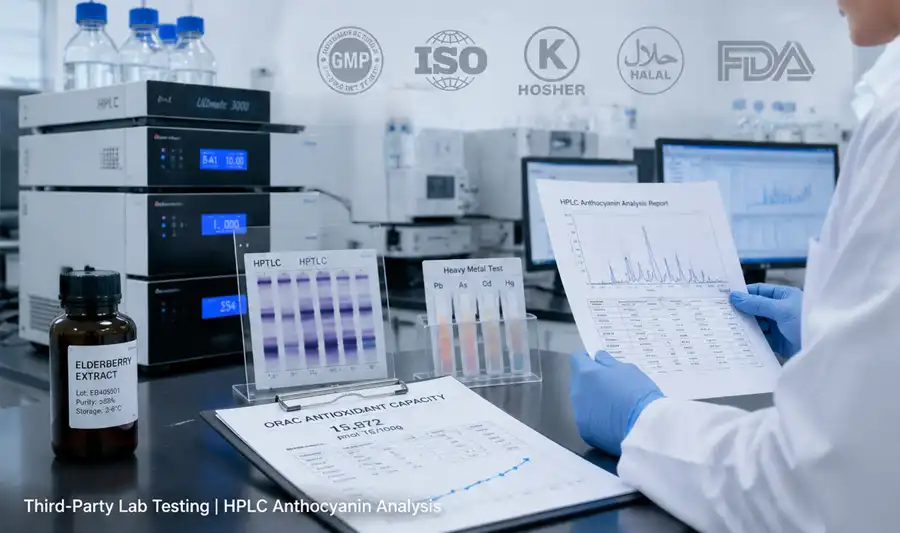
You should verify that a vendor has many levels of approval that demonstrate their ability to manufacture things properly and adhere to regulations in order to get their confidence. Approval for Good Manufacturing Practices (GMP) demonstrates that pharmaceutical manufacturing requirements are being fulfilled. These requirements include maintaining environmental control, ensuring equipment functions, and adhering to stringent guidelines for batch documentation. ISO 9001 quality management systems ensure that approaches for continuous improvement are used and that procedures are consistent. Food cultivation, processing segregation, and monitoring documentation must be verified annually for organic certifications from respectable organizations like the USDA, EU Organic, and JAS. Analytical claims are further supported by independent lab testing conducted by a third party, particularly when it comes to the quantity of anthocyanins, the botanical identity (using HPTLC fingerprinting), and the absence of adulterants like black rice extract or synthetic colorants that may appear in supply chains that have been compromised.
Comparative Advantages of Powder Formulations
Stability and Shelf Life Benefits
Powder formulations are much more practical in industrial settings than liquid mixes or entire fruit products. Reducing water activity prevents bacterial development without chilling the food, which facilitates storage and extends its shelf life beyond 24 months when stored under regulated conditions. In dry materials, anthocyanin degrades far more slowly than in water-based ones, where oxidation occurs rapidly, particularly when exposed to light. Because liquid items are thermally stable, worries about fermentation or enzymatic activity that may harm them are eliminated when they are transported between various temperature zones. These characteristics immediately result in reduced waste, improved inventory control, and uniform material performance throughout extended supply chains.
Dosage Precision and Formulation Flexibility
Standardized powder extracts enable accurate dosage calculations that support label claims and guarantee that the product always performs as promised. Based on its specifications, elderberry extract powder, for instance, enables formulators to determine the precise quantity of anthocyanin given per serving. This facilitates the transition from lab prototypes to large-scale commercial manufacturing. When powdered substances may be combined, product manufacturing becomes simpler. This is true whether you are creating sachet formulations, encapsulation mixtures, or pill matrices. Optimizing particle size facilitates the material's passage via automated filling machinery. This increases production rates and reduces machine downtime. To make instant-dissolving drink powders or long-lasting capsule matrices, for example, spray drying factors may be employed to modify a substance's dissolution in water.
Economic Considerations in Bulk Procurement
Cost analysis for powder extracts must include more than simply unit pricing in order to get the true formulation economics. Concentration considerations have an impact on cost-per-dose calculations. For instance, lower consumption rates are required to achieve target bioactive levels for larger anthocyanin percentages. By reducing shipment quantities and simplifying processing, this might help offset rising material prices. Benefits from stability reduce food loss and eliminate the need for a cold chain, which significantly raises transportation costs. Compared to liquid alternatives, using more effective packaging reduces the cost of containers and the amount of space required for storage. When purchasing, experts comprehend these intricate cost structures; they may assess entire value rather than simply purchase costs.
Practical Sourcing Strategies and Logistics
Identifying Qualified Suppliers and Distributors
Finding suppliers in an organized manner utilizing a variety of assessment criteria is the first step towards effectively sourcing in bulk. You get direct access to ingredient manufacturers and the opportunity to speak with them face-to-face about their technical expertise at industry trade fairs like SupplySide West and Vitafoods Europe. Online business-to-business (B2B) platforms provide searchable databases of verified suppliers with competency profiles. Nevertheless, further verification of the vendors' identities is required for these databases. Peers may more easily suggest well-known vendors with a successful track record thanks to professional networks inside trade associations like the American Herbal Products Association (AHPA). Before committing to large orders, labs may verify that the requirements are satisfied by requesting samples with Certificates of analysis.
Storage and Handling Protocols
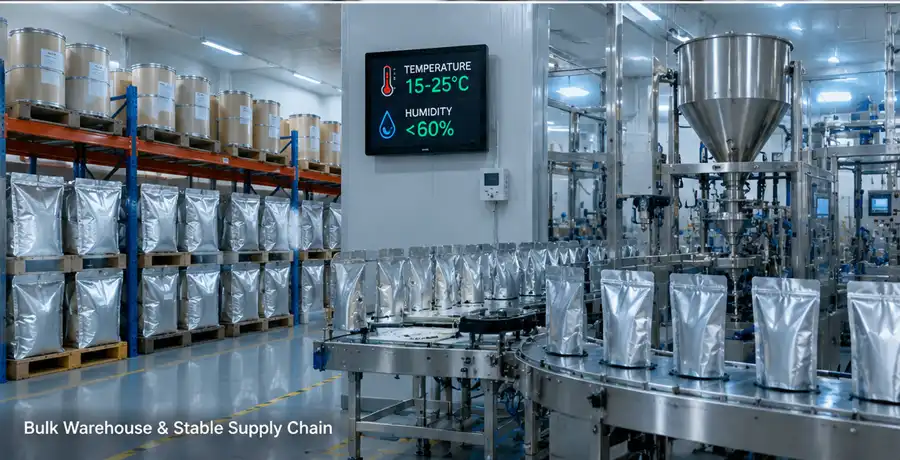
Care must be taken with the environment and how elderberry extract powder is handled in order to maintain its excellent quality throughout the supply chain. To avoid anthocyanins accumulating moisture, which decreases their stability and raises the chance of clumping, the ideal storage temperatures are between 15°C and 25°C, and the humidity should be maintained below 60%. A key factor in shelf life is packaging selection: fiber drums with polyethylene cores are better suited for greater amounts that need to be accessed on a regular basis, whereas multilayer foil bags with nitrogen flushing efficiently exclude oxygen. Elderberry extract powder should be kept out of direct sunlight and in opaque containers since anthocyanins break down quickly when exposed to light. Putting in place a first-in, first-out (FIFO) inventory system guarantees that no material is kept longer than is advised. When taken as a whole, these steps maintain the material's requirements from the moment of receipt until the final formulation.
Supply Chain Transparency and Traceability
In order to reduce the danger of obtaining botanical elements, complete tracking methods are crucial. From the time they are cultivated in the field until they are extracted, tested, and packed, Chain of Custody documentation should document their origins, harvest dates, and processing locations. DNA barcoding techniques verify that Sambucus nigra is the correct plant and not a closely related species or a potential counterfeit. This resolves authenticity issues in international supply chains. Certificates of Analysis that are unique to a batch and demonstrate the quantity of anthocyanin, the safety of microorganisms, and the screening for contaminants provide accountability mechanisms that support regulatory compliance and prompt action in the event of quality issues. You can trust suppliers for long-term partnerships when they provide you with real-time access to documents via secure digital platforms, demonstrating that they respect transparency.
Supplier Evaluation and Risk Management
Verification Protocols for Anthocyanin Content
Analytical techniques that provide reliable, repeatable data are necessary to validate the stated anthocyanin criteria. The best method for measuring anthocyanin is High-Performance Liquid Chromatography with UV detection (HPLC-UV), which can separate various cyanidin glycosides and compare percentages to reference samples. Spectrophotometric techniques screen more quickly than chromatographic techniques, although they are less precise. Purchasers should inquire about the analytical technique, including the measurement error ranges, the confirmation procedures, and the reference standards that were used. To ensure that the data supplied by the vendor is accurate, split samples may be sent to independent third-party laboratories. This is particularly useful when examining discrepancies between predicted and actual product performance or during the first certification process.
Detecting Common Adulteration Risks
Economic adulteration is a constant issue in elderberry markets because to strong demand and a finite global supply. Black rice extract, grape skin extract, and artificial anthocyanin colorants that mimic the genuine thing but lack its biological and functional qualities are a few examples of frequent adulterants. By altering patterns, HPTLC fingerprinting produces distinct chemical profiles for authentic Sambucus nigra that indicate the presence of alien substances. Isotope ratio mass spectrometry can distinguish between natural and artificial chemicals based on carbon isotope signatures. Regular surveillance testing using various orthogonal techniques protects consumers and the brand's reputation against sophisticated adulteration that single-method approaches could overlook.
Building Reliable Long-Term Partnerships
When both sides commit to maintaining high standards and open communication, relationships for sustainable sources flourish. To establish benchmarks for future performance, initial qualification tests examine the supplier's structures, quality procedures, and specialized expertise. Regular performance assessments examine the dependability of deliveries, the adherence to specifications, and the speed at which technical inquiries or formulation support requirements are addressed. Together, buyers and sellers may solve issues and generate new ideas when they are aware of each other's demands for an application and how they want to position themselves in the market. Everyone benefits from long-term agreements with precise quality requirements and frequent testing schedules. By guaranteeing a certain quantity of products, they reduce the possibility of supply issues and motivate vendors to maintain high standards.
Conclusion
You must strike a balance between technological requirements, quality control methods, and supplier connections if you want to purchase elderberry extract in bulk. For Elderberry Extract Powder, standardizing the anthocyanin concentration between 5% and 25% allows for more formulation freedom and makes it appropriate for a variety of uses. Supply chain risks are decreased by thorough quality testing and certification paperwork. Formulations based on powder provide cost-effectiveness, stability, and precise dosage, all of which facilitate efficient manufacturing processes. In order to ensure regulatory compliance even when dealing with various suppliers over long periods of time, a strong procurement process comprises meticulous supplier assessment, comprehensive data verification, and unambiguous traceability and compliance processes.
FAQ
1. What anthocyanin concentration works best for immune-support supplements?
Immune-support formulas usually have 15% to 25% anthocyanin levels to get effective doses that are useful in serving sizes that are reasonable. Acute-use methods may use 25% concentrations, which give 150–300 mg per dose, while daily maintenance goods often contain 15% extracts that give 50–100 mg of anthocyanins per serve. The choice is based on the drug's goal efficacy claims, the limitations of its dosage form, and the company's strategy for placing its costs in a competitive market.
2. How can buyers verify extract purity and prevent adulteration?
Multiple analytical methods are needed for verification, such as HPLC anthocyanin profiling, HPTLC fingerprinting for plant identity, and tests for common adulterants like black rice extract. Comprehensive authentication methods are made by asking for Certificates of Analysis from approved labs, having third-party tests done on a regular basis, and looking over source tracking paperwork. Including more quality factors than just the anthocyanin percentage in the specs helps find attempts to substitute.
3. Which certifications matter most when evaluating suppliers?
GMP approval shows that a company can make pharmaceutical-grade products, which are needed for nutritional uses. Systematic quality management is shown by ISO 9001, and organic licenses (USDA, EU Organic) check that organic goods are grown and processed according to certain rules. Analytical claims are more likely to be true when they are backed up by testing from independent labs. Suppliers with more than one certification usually show a better dedication to quality systems and following the rules. However, site checks and testing procedures should also be looked at.
Partner with Bolin Biotechnology for Premium Elderberry Extract Supply
Since 2012, Shaanxi Bolin Biotechnology Co., Ltd. has been a world leader in providing standardized plant extracts to companies around the world that make useful foods, medicines, and nutraceuticals. Our elderberry extract powder source can meet anthocyanin requirements ranging from 5% to 25%, which is confirmed by HPLC analysis and comes with full paperwork for tracking. We keep our ISO, GMP, and organic certifications, and our thorough testing methods make sure that the plants we use are real and that no adulterants are present. Whether you're making immune gummies, useful drinks, or high-potency capsules, our expert team can help you come up with the right recipe for your needs. Email our purchasing agents at sales1@bovlin.com to talk about your elderberry extract needs and get full product specs that meet your quality standards.
References
1. Ulbricht, C., Basch, E., Cheung, L., Goldberg, H., Hammerness, P., Isaac, R., Khalsa, K.P.S., Romm, A., Rychlik, I., Varghese, M., and Weissner, W., 2014. An evidence-based systematic review of elderberry and elderflower (Sambucus nigra) by the Natural Standard Research Collaboration. Journal of Dietary Supplements, 11(1), pp.80-120.
2. Mikulic-Petkovsek, M., Ivancic, A., Todorovic, B., Veberic, R., and Stampar, F., 2015. Fruit quality of different elderberry species and hybrids. Journal of Food Science, 80(10), pp. C2180-C2190.
3. Charlebois, D., Byers, P.L., Finn, C.E., and Thomas, A.L., 2010. Elderberry: botany, horticulture, potential. Horticultural Reviews, 37, pp. 213-280.
4. Salvador, Â.C., Silvestre, A.J., and Rocha, S.M. (2017). Sambucus nigra berries: a source of anthocyanins with antiproliferative activities. Planta Medica, 83(14-15), pp.1119-1126.
5. Sidor, A. and Gramza-Michałowska, A., 2015. Advanced research on the antioxidant and health benefits of elderberry (Sambucus nigra) in food—a review. Journal of Functional Foods, 18, pp. 941-958.
6. Tiralongo, E., Wee, S.S., and Lea, R.A., 2016. Elderberry supplementation reduces cold duration and symptoms in air travelers: a randomized, double-blind placebo-controlled clinical trial. Nutrients, 8(4), p.182.