_1745226507162.webp)

Benefits of Kojic Acid Powder in Cosmetic Formulations
Adding Kojic Acid powder, a solid tyrosinase inhibitor, to skincare items could completely change how hyperpigmentation problems are dealt with. This chelation agent, which comes from Aspergillus oryzae fermentation, can lower melanin levels and protect against free radicals. This makes it an essential ingredient for formulators looking for safer options to controversial whitening agents. Its copper-binding mechanism naturally stops pigmentation routes while staying compatible in acidic formulation environments. This makes it a scientifically proven option for the development of modern cosmetics.
Understanding Kojic Acid Powder and Its Cosmetic Benefits
The fact that this substance comes from fermentation makes it even more important in modern skin care science. This crystalline substance, on the other hand, comes from natural fungus processes. It's a plant active that meets the needs of clean beauty while still providing clinical-grade performance. More and more, people in our business are realizing that natural-origin actives work well and earn consumers' trust, especially when they are backed by strict quality standards.
The Science Behind Melanin Inhibition
The main way that 5-hydroxy-2-(hydroxymethyl)-4-pyrone works is by chelating copper ions inside tyrosinase enzymes, which are very important for making melanin. This interference process controls color well without the cell damage worries that come with hydroquinone. According to studies published in dermatology journals, the effectiveness depends on the concentration. For example, formulas at 1-2% showed a meaningful decrease in hyperpigmentation markers over 8–12 weeks. The low molecular weight of 142.11 g/mol of the substance makes transdermal penetration easier, especially when mixed with the right delivery methods.
Antioxidant Properties in Formulation Context
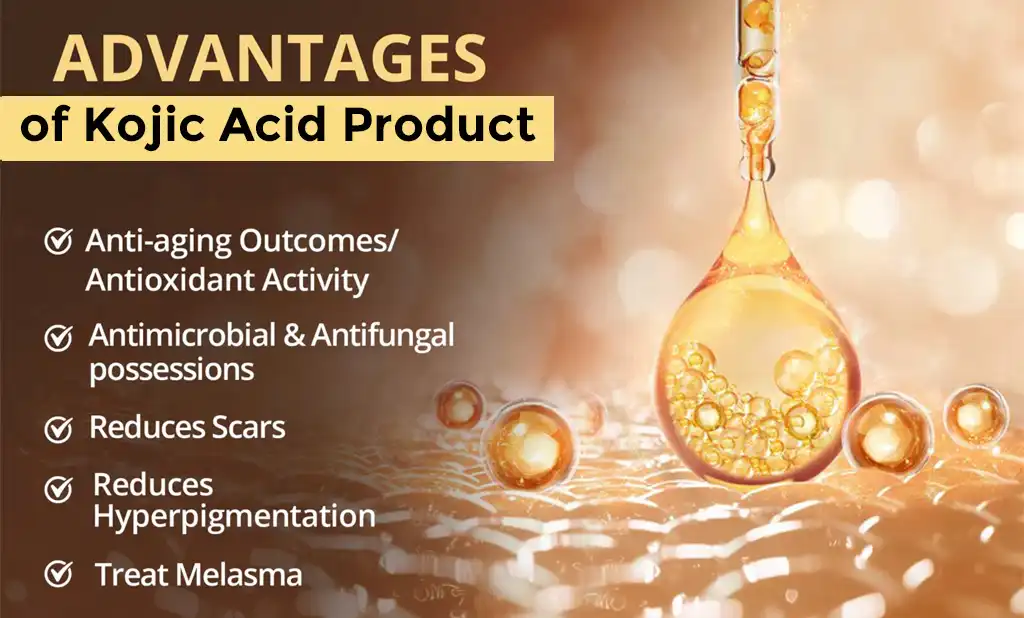
In addition to helping with coloring, this active ingredient is very good at getting rid of free radicals. Its chemical structure has hydroxyl groups that give electrons to neutralize reactive oxygen species that speed up the aging process of the skin. This dual-action profile cuts down on the number of ingredients needed for multifunctional products while still taking care of two different skin problems at the same time. Studies on stability show that keeping the pH level between 3.0 and 5.0 is important for keeping the antioxidant and tyrosinase inhibitory effects of a product for as long as it can be stored.
Compatibility With Complementary Actives
Synergistic mixtures are more important in modern cosmetic science than single-ingredient methods. When properly balanced, this Kojic Acid Powder from fermentation works very well with vitamin E derivatives, licorice extract, and alpha-hydroxy acids. Product development teams successfully combine it with niacinamide and tranexamic acid in advanced brightening systems. However, formulation timing needs to be carefully planned to account for solubility factors. It dissolves easily in water (about 44g/L at 25°C), so it can be easily added to hydrogel serums and lightweight emulsions that are popular in modern skin care products.
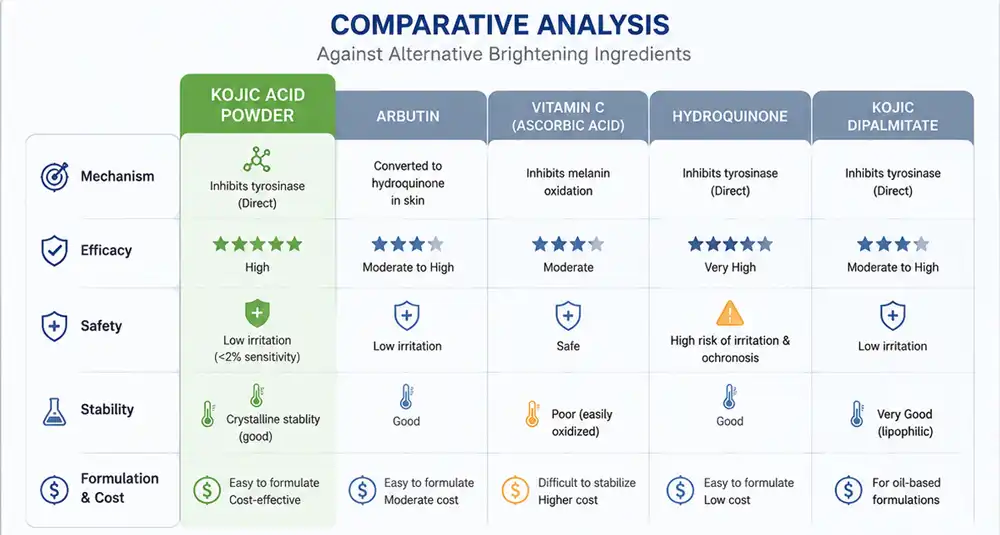
Comparative Analysis Against Alternative Brightening Ingredients
To choose the right actives, you need to know how the different chemicals work on pigmentation through different biochemical processes. This part looks at performance factors that affect recipe choices and regulatory positioning.
Performance Versus Arbutin and Vitamin C
Arbutin changes into hydroquinone in skin cells, which is a prodrug way to stop tyrosinase from working that might be less irritating. The substance we're talking about comes from fermentation and keeps its structure without being changed by metabolism. This makes dose-response relationships more reliable in clinical testing. Different forms of vitamin C, such as magnesium ascorbyl phosphate, work on different parts of pigmentation. They stop melanin from oxidizing instead of enzymes from doing their job, which makes combination tactics very effective. A cost study shows that while L-ascorbic acid formulations need complex stabilization systems, the crystalline stability of Kojic Acid Powder makes production procedures easier.
Safety Profile Compared to Hydroquinone
Concerns about cytotoxicity and possible ochronosis with long-term use have led to regulatory limits on hydroquinone in the European and Asian markets. According to data from the FDA's review of makeup ingredients, the option made from fungi doesn't pose any similar risks to systemic absorption. Patch tests on the skin show that sensitivity rates are less than 2% at amounts used in cosmetics. This is very different from what is known about hydroquinone's photosensitivity and dermal irritation patterns. Because of this difference in safety, the ingredient is becoming more popular in foreign beauty markets that need to follow strict rules and find options that are both gentle and effective.
Formulation Stability Versus Kojic Dipalmitate
Through esterification, kojic dipalmitate is made, which is a lipophilic product that is more stable but less soluble in water. The pure solid form has a higher specific activity per gram, but it needs to be carefully controlled for pH and chelating stabilizers like sodium metabisulfite to be used. Formulators who want to make oil-in-water emulsions usually choose the original Kojic Acid Powder because it dissolves easily in water, while anhydrous goods benefit from dipalmitate's ability to prevent oxidation. When making something, the temperature at which it is processed becomes very important. The original material has a melting point between 152 and 156°C, which lets it be made normally without worrying about thermal degradation.
Application Guidelines and Safety Considerations
Professional recipe creation tries to find a mix between goals for effectiveness, skin tolerance, and legal limits. Concentration limits, vehicle selection, and preservation methods need to be thought through before they can be put into practice.
Optimal Concentration Ranges for Different Product Types
Clinical studies show that 1-2% is the treatment window for leave-on serums and creams to make the skin look brighter. Spot treatment formulas can sometimes hit 3% when formulated with dermatologists' advice, but this level of discomfort is close for people with sensitive skin. Cleansers, masks, and other rinse-off items usually contain 0.5 to 1% to provide cumulative effects without requiring too much exposure time. Our experience with formulating shows that smaller amounts (0.3 to 0.5%) in daily moisturizers can gradually make the skin brighter when used with SPF protection and other antioxidants.
To get the right breakdown, you need to use certain methods to stop crystallization and keep the spread uniform. Here are tried-and-true ways to incorporate ingredients into stable formulations:
- Pre-dissolution technique: Before adding the powder to the water, dissolve it in propylene glycol or glycerin at temperatures below 60°C. This will make sure that the powder dissolves completely without any heat stress.
- pH adjustment protocol: Use citric acid or lactic acid buffers to keep the formulation's pH between 3.5 and 4.5. This improves both stability and the rate at which tyrosinase is inhibited.
- Stabilization systems: Add 0.1 to 0.3 percent sodium metabisulfite or EDTA disodium to bind stray metals that speed up the browning process.
These methods greatly increase the shelf life of products while keeping their active ingredients. When protection methods are used correctly, accelerated stability tests at 40°C show that systems that are properly made keep more than 90% of their assay value for 24 months.
Regulatory Compliance and Safety Testing
According to international rules for cosmetics, this ingredient is safe to use up to a certain quantity. It is listed as "Kojic Acid Powder" in the International Nomenclature of Cosmetic Ingredients (INCI) dictionary by the Personal Care Products Council. This makes it easier for labels around the world to be correct. The European Union CoSing database lets it be used without limits on quantity as long as safety studies show that consumers are exposed to the right amount of it. Challenge testing should be done to make sure the preservation system works well, since the weak acidity of the ingredient can affect some stabilizers. Dermatological safety groups say that reports of sensitive skin should be tested with a patch for 48 hours, and products meant to be used every day for a long time should be tested for cumulative irritancy.
Procurement Insights: Choosing the Right Supplier
Supply chain choices have a direct effect on the accuracy of the formulation, compliance with regulations, and ability to make a profit. For risk management, it's important to be able to tell the difference between quality levels and seller skills.
Pharmaceutical-Grade Versus Cosmetic-Grade Specifications
Pharmaceutical-grade materials meet the standards of the United States Pharmacopoeia (USP) or the European Pharmacopoeia (Ph.Eur.) monograph. They are ≥99.0% pure by HPLC analysis and have strict heavy metal limits (As < 2 ppm, Pb < 5 ppm). These standards are good for therapeutic formulations and nutraceutical uses that need API-level documents. Cosmetic-grade versions usually stay 98–99% pure with a few fewer strict testing requirements. This makes them cheaper for beauty uses that don't have to follow pharmacopoeia. Loss on drying requirements below 0.5% makes sure that activity levels are the same across production runs. This stops formulation inconsistency that hurts Kojic Acid Powder product performance.
Supplier Certification and Quality Assurance
Partners you can trust keep their GMP and ISO 9001 quality control systems up to date for the types of products they make. We suggest making sure that providers give you Certificates of Analysis that are special to each batch and list the assay values, microbial limits, and heavy metal tests. Facilities that are FDA-registered show that they are committed to regulatory responsibility, but registration doesn't mean that the facility is approved or of high quality. Suppliers with their own research and development departments can help with formulation problems, improving stability, and making unique concentrations. When setting up smart supply relationships, especially for private label manufacturing partnerships, site checks should be part of the due research process.
Bulk Purchasing and Private Label Considerations
When buying on a commercial scale, the minimum order size is usually 25 kg, and prices are set so that sales of 500 kg or more are favored. Lead times change based on production plans and can be anywhere from two to three weeks for stock items to eight to ten weeks for custom orders or organic certifications. Private label makers gain when providers offer blending services, custom packing, and formulation advice, which shortens the time it takes to make a new product. When planning logistics, it's important to keep shipping temperatures in mind. The substance is safe at room temperature, but climate-controlled transport stops moisture absorption that could affect how the powder flows and dissolves.
Future Trends and Innovations in Cosmetic Applications
As the market changes, new technology innovations are made to delivery systems and formulation methods that make them work better and meet new buyer needs.
Advanced Delivery Systems and Encapsulation
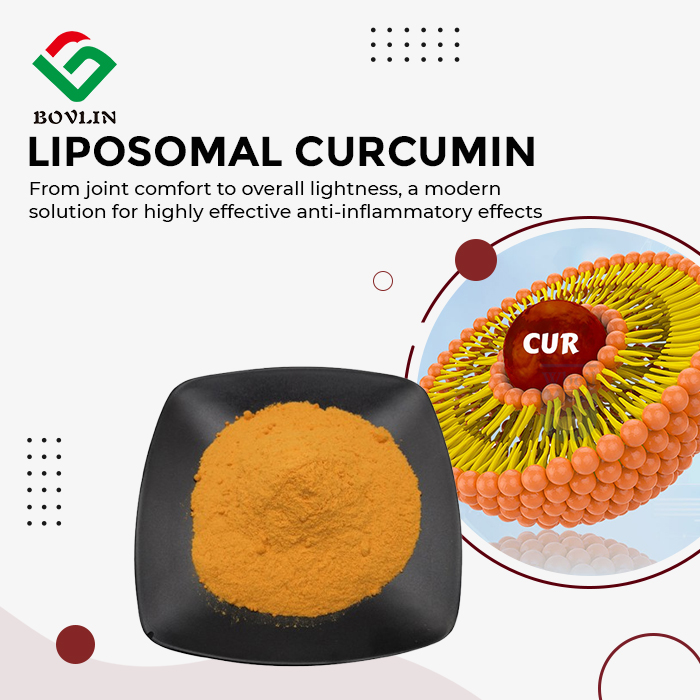
Liposomal capsule technology solves the usual problem of keeping the activity up while lowering short-term soreness during the first stages of application. It is the sustained-release patterns made by phospholipid vesicles that limit skin contact while improving penetration into the stratum corneum. Nanoparticle carriers that are 50–200 nm in size show better resistance to oxidative breakdown. This means that products can last longer without using harsh protection systems. New patents describe cyclodextrin complexation methods that make it easier to dissolve in dry bases. This means that this hydrophilic active can now be used in stick forms and oil-rich creams that it couldn't be used in before.
Synergistic Ingredient Combinations
Multi-pathway methods to pigmentation control are a big part of modern product development. When this tyrosinase inhibitor is mixed with tranexamic acid, it targets both the enzymes that make melanin and the inflammation factors that cause color. Formulators say that it works better when mixed with alpha-arbutin and vitamin C derivatives, because they work together to target different parts of the melanogenesis pathway. Botanical products from things like licorice root and mulberries help stop tyrosinase even more while also reducing inflammation. Managing the pH needs of multiple active ingredients is hard, especially when incorporating potent ingredients like Kojic Acid Powder, which requires a narrowly controlled acidic environment to remain stable and efficacious without degrading or discoloring. Formulations that work well usually use complex buffer systems that keep stable windows for each ingredient without affecting the consistency of the whole product.
Market Dynamics and Consumer Demand
The global market for skin whitening is expected to grow at rates higher than 6% per year until 2028. This is because more people are learning that there are alternatives to hard chemical peels that can help with hyperpigmentation. As consumer tastes change, they prefer naturally derived ingredients to manufactured chemicals. This fermentation-origin active fits right in with that trend. Clean beauty groups in North America and Europe are looking for alternatives that come from plants and have clear supply lines. Asian markets still have a high demand for brightening new products. Japanese and Korean brands are leading the way in creating new formulas that blend traditional ingredients with cutting-edge delivery technology. This coming together of standards for effectiveness and preferences for natural origins makes the ingredient a good candidate for continued market growth across a wide range of population groups.
Conclusion
After a thorough study, it is clear why Kojic acid powder remains a cornerstone of professional cosmetic formulations. Its unique combination of potent tyrosinase inhibition, antioxidant activity, and an excellent safety profile effectively addresses critical formulation challenges while meeting evolving regulatory standards. Superior to alternatives such as hydroquinone, this fermentation-derived active seamlessly integrates with modern delivery systems, making it indispensable for brands pursuing 'clean label' narratives without compromising clinical efficacy. Furthermore, strategic sourcing from authorized suppliers guarantees batch-to-batch formulation stability and full regulatory compliance—factors that are essential for commercial viability in the competitive beauty landscape.
FAQ
1. What concentration level provides optimal skin brightening results?
Clinical studies show that products with 1-2% retinol reduce discoloration in a way that can be seen over 8-12 weeks of treatment. Spot treatments sometimes use 3% when directed by a professional, while daily moisturizers usually use 0.3 to 0.5% for steady brightening with little chance of irritation.
2. How does powder form differ from liquid formulations in stability?
When kept correctly, in a cool, dry place away from direct light, crystalline powder stays more stable over time. Liquid formulations need pH buffering and stabilizer systems right away. For custom recipe creation and bulk storage before final product manufacturing, powder form is better.
3. What regulatory considerations affect international product imports?
This chemical is listed in the INCI list around the world, and most places don't have any limits on how much of it you can have as long as safety tests show it's safe. It can be used according to the European CosIng database and FDA cosmetic ingredient lists, but the final product labels need to follow the language and information rules for each target market.
Partner With Bolin Biotechnology for Premium Botanical Actives
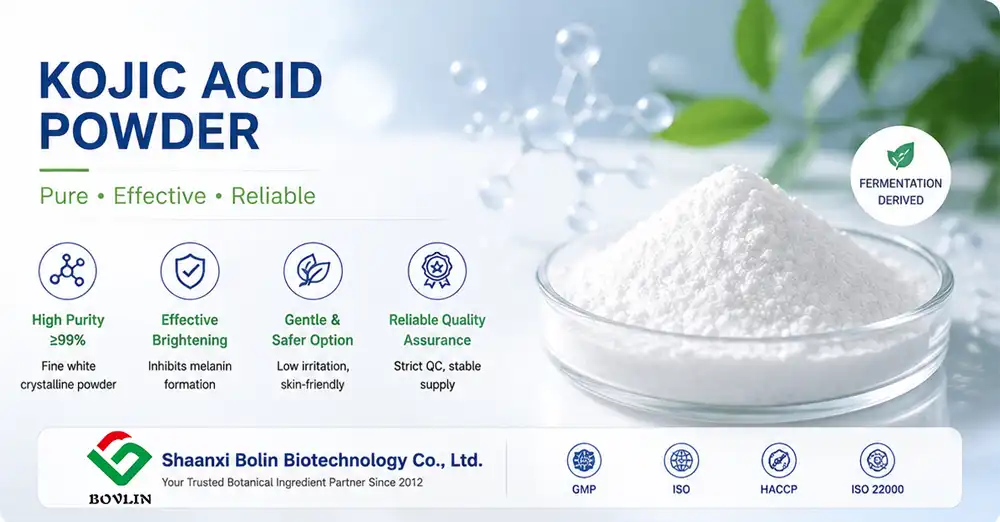
Shaanxi Bolin Biotechnology Co., Ltd. has been extracting plants for more than ten years and has strict quality standards that meet pharmaceutical-grade requirements. Our brightening compounds are made through fermentation and are ≥99.0% pure, as shown by HPLC analysis. They also have ISO 9001, GMP, and HACCP licenses, which are necessary for global legal compliance. As a well-known maker, we offer full expert help throughout the whole process of developing your formulation, from suggesting the best starting concentration to finding ways to make it more stable. With competitive wait times and flexible minimum order numbers, bulk buying choices can be used for business production. Get in touch with our technical team at sales1@bovlin.com to talk about your unique formulation needs and get full information on our cosmetic- and pharmaceutical-grade products that are available for private label agreements.
References
1. Maeda K, Fukuda M. "Arbutin: mechanism of its depigmenting action in human melanocyte culture. "Journal of Pharmacology and Experimental Therapeutics, 1996; 276(2): 765-769.
2. Burnett CL, Bergfeld WF, Belsito DV et al. "Safety Assessment of Kojic Acid as Used in Cosmetics." International Journal of Toxicology, 2010; 29(6 Suppl): 244S-273S.
3. Lim JT. "Treatment of melasma using kojic acid in a gel containing hydroquinone and glycolic acid. " Dermatologic Surgery, 1999; 25(4): 282-284.
4. Sarkar R, Arora P, Garg KV. "Cosmeceuticals for Hyperpigmentation: What is Available?" Journal of Cutaneous and Aesthetic Surgery, 2013; 6(1): 4-11.
5. Bentley R. "From miso, sake, and shoyu to cosmetics: a century of science for kojic acid." Natural Product Reports, 2006; 23(6): 1046-1062.
6. Draelos ZD. "Skin lightening preparations and the hydroquinone controversy." Dermatologic Therapy, 2007; 20(5): 308-313.