_1745226507162.webp)

What Are the Health Benefits of L Glutathione Powder? Scientific Overview
L-Glutathione Powder is one of the most studied tripeptide molecules in the field of modern nutrition. It protects cells in amazing ways thanks to its powerful antioxidant properties. This reduced form of L Glutathione Powder, which is made up of three amino acids (glutamic acid, cysteine, and glycine), neutralises free radicals, helps the immune system work, and speeds up the body's cleansing processes all over. Studies show that it can fight oxidative stress, improve liver function, and improve skin health by blocking tyrosinase. This makes it a useful ingredient in nutraceutical, pharmaceutical, and cosmetic products where protecting cells and repairing them are important.
Understanding L Glutathione Powder: Basics and Biological Role Chemical Composition and Molecular Structure
Scientists call the lowered form of L Glutathione Powder N-(N-L-gamma-Glutamyl-L-cysteinyl)glycine, and it has an important sulfhydryl group (-SH) on its cysteine site. This molecule can successfully neutralise reactive oxygen species because of the active thiol group that acts as the main electron source. Pharmaceutical-grade material usually looks like a white solid powder with an acidic pH between 3.0 and 4.0 in water. Its molecular weight is 307.32 g/mol and its formula is C10H17N3O6S. The slight sulphuric smell is caused by the active sulfhydryl group; this smell is a quality sign that proves the material's effectiveness rather than its breakdown.
Production Methods and Quality Standards
Instead of older manufactured methods, modern production mostly relies on enzymatic fermentation with Saccharomyces cerevisiae yeast types. This biotechnological method guarantees high enantiomeric purity while getting rid of contaminants obtained from animals. It meets the clean-label standards that regulatory frameworks are increasingly putting forward. When tested with HPLC, premium products get assay values between 98.0% and 101.0% on an anhydrous base, which is in line with USP43 and EP10 guideline requirements. The fermentation-derived product keeps the biologically active L-configuration that is needed for antioxidant activity and uptake into cells.
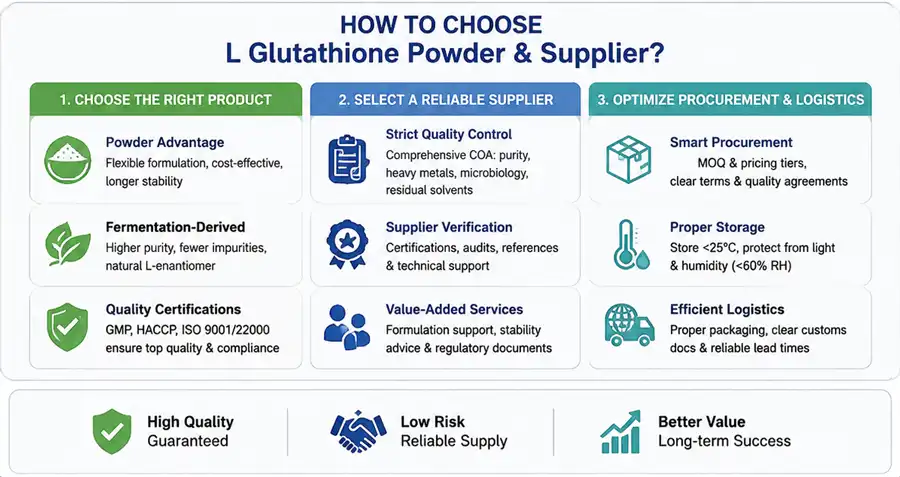
When looking at a supplier's qualifications, it's very important to understand these differences in production. When compared to chemical production processes, the fermentation method makes materials that are more stable and have fewer problems with impurities. GMP-compliant manufacturers use strict quality control procedures, such as checking for heavy metals, microbial contamination, and leftover solvents, to make sure the raw material fits strict requirements for medicinal and food use.
Master Antioxidant Function in Cellular Defense
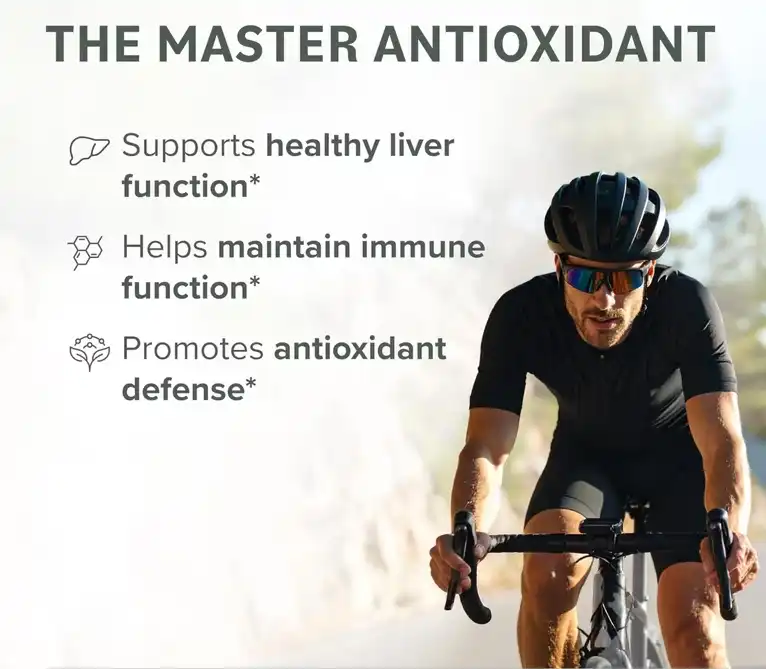
The human body makes L Glutathione Powder naturally in every cell, but it's still necessary to take extra when oxidative stress is too high. This tripeptide works as a master antioxidant by directly getting rid of hydroxyl radicals, singlet oxygen, and other electrophilic chemicals that hurt cell structures. In addition to directly neutralising, it also makes more of other important antioxidants, like vitamins C and E, which work together to form a stronger defence. The ability to recycle makes biological systems' general antioxidant potential stronger, which protects lipid membranes, proteins, and nucleic acids from oxidative damage.
Scientific Insights: Health Benefits and Usage Guidelines
Skin Brightening Through Tyrosinase Inhibition
A clinical dermatological study shows that L Glutathione Powder can change the processes that make melanin. The chemical stops the tyrosinase enzyme from working, which is the step that slows down the production of melanin. This process lowers discolouration and helps skin tones spread out more evenly. Objective chromameter readings show that melanin index scores get better in studies where people take supplements by mouth at doses of 500 mg to 1000 mg every day for 12 weeks. When mixed with ascorbic acid, the effect is stronger because ascorbic acid keeps L Glutathione Powder in its active, reduced state and increases its absorption through different antioxidant pathways.
Immune System Modulation and Enhancement
The amount of L Glutathione Powder in the body is directly related to how many lymphocytes can multiply and how active natural killer cells are. The tripeptide helps the immune system work well by keeping the right redox balance in immunity cells. This makes it easier for the immune system to find and kill pathogens. Researchers have found that people whose immune systems aren't working well often have low amounts of L Glutathione Powder. Taking supplements can help boost the immune system. The chemical makes it easier to make cytokines, especially interleukin-2, which is very important for activating T cells and making more of them. Because it affects the immune system, this ingredient is useful in products that aim to boost the immune system, especially during seasonal challenges or times when the body is under a lot of stress.
Hepatic Detoxification and Liver Protection
The liver keeps the most L Glutathione Powder in its cells than any other organ, which shows how important it is for cleansing. L Glutathione Powder is needed for phase II conjugation processes because it binds and neutralizes xenobiotics, heavy metals, and metabolic waste products, making them water-soluble so they can be flushed out of the body. Supplementation raises hepatic L Glutathione Powder levels, lowers oxidative stress markers, and improves liver enzyme profiles in clinical studies that looked at people with non-alcoholic fatty liver disease. This chemical also guards against paracetamol poisoning, damage from booze, and exposure to environmental pollutants. Because it protects the liver, it is an important part of formulas that help the liver and cleansing plans.
Recommended Dosage and Delivery Considerations
Doses based on evidence are usually between 250 mg and 1000 mg per day, but this can change depending on the purpose of the use and the way the drug is delivered. Oral absorption is hard to get right because stomach acid breaks down food and the intestines break down food. Liposomal encapsulation, sublingual release, and enteric-coated versions are all much better at absorption than regular powder forms. For topical uses in cosmetics, amounts need to be between 2% and 5% to work. To keep the product stable, pH needs to be carefully balanced, and chelating agents need to be added to stop oxidation. Intravenous treatment gives the full bioavailability, but it can only be used in hospital situations with a doctor's care.
Comparative Analysis: Choosing the Best L Glutathione Powder for Procurement
Powder Versus Capsule Formulations
The bulk powder form gives you the most freedom in formulating L Glutathione Powder because it lets you precisely change doses and incorporate it into a wide range of delivery systems, such as drinks, sweets, and skin creams. When buying in bulk, the powder version usually saves you money because the prices are set to take advantage of economies of scale. Capsules are convenient and consistent in dose, but they make it harder to be creative with the recipe and usually cost more per unit because they require more processing steps. Different types of media have different levels of stability. Powder stays effective for 24 months when kept properly under controlled conditions, but capsules may have problems with moisture getting in based on the shell's makeup and the quality of the packaging.
Fermented Versus Synthetic Origin Assessment
It is more pure and has fewer heavy metals and liquids left over when the material is manufactured using yeast fermentation. The biological production route naturally favors the L-enantiomer. This means that there is no need to worry about racemic mixtures that hurt biological function. Even though synthetic production ways might be cheaper, they need extra steps of purification to get the same amount of purity as other methods. Certification paperwork is very important; the COA analysis should explain how the product was made, how pure the enantiomers are, and the full results of any impurity screenings that were done. Buyers who want organic approvals or promises that a product is non-GMO must check the sources of the fermentation substrates and processing aids that were used during production.
Quality Differentiation Through Certification Standards
Material that meets the strict requirements for pharmaceutical-grade placement not only gets a higher price but also makes sure that the highest quality standards are met. GMP approval means that a company follows approved production methods, rules for qualifying tools, and thorough quality control systems. With HACCP certification, you can show that you use structured risk analysis and key control point management all the way through production. Getting ISO 9001 certification shows that you are committed to quality management, and ISO 22000 certification is all about managing food safety. These certifications give more guarantee than just basic material specs. They lower the risk of buying things and help end-product uses follow regulations. To keep an eye on quality standards, buyers should ask for copies of current certifications and clauses in supply deals that give them the right to check.
Procurement Insights: How to Source High-Quality L Glutathione Powder
Establishing Bulk Purchase Parameters
For pharmaceutical-grade L Glutathione Powder, the minimum order quantity is usually between 25 kg and 100 kg, but some specialized providers may be able to handle smaller development amounts. The way prices are set usually includes levels of volume, with big price cuts happening at standard numbers of 100 kg, 500 kg, and 1000 kg. The contract terms should clearly state the criteria for accepting specifications, the sample methods, and the steps to take to fix material that doesn't meet specifications. Payment structures commonly involve a 30% deposit upon order confirmation with the balance due before shipping, though established relationships may arrange net-30 or net-60 terms. Price stabilization terms in long-term supply deals protect both parties from changes in the prices of raw materials and make sure that supplies don't stop.
Supplier Verification and Quality Assurance Protocols
A thorough COA study for each output lot is needed for successful supplier evaluation, in addition to a review of the certification. Some important testing factors are assay determination using a confirmed HPLC method, specific optical rotation proof, and screening for leftover solvents below the limits set by the ICH. Heavy metal tests should include arsenic, lead, mercury, and cadmium, with detection levels that are right for the job. Microbiological tests must prove overall plate counts, amounts of yeast and mold, and the lack of pathogenic organisms such as E. coli and Salmonella. Third-party testing by independent labs adds another layer of assurance, especially when a seller is being qualified or when a new source relationship is being formed. Checking the image of a supplier should include talking to past customers, looking at the building, and seeing how well they can help with technical issues.
Working with providers who have strong quality control systems lowers the risk of long-term purchases and makes it easier to follow the rules. Companies that have separate departments for quality assurance, written change control processes, and regular discussion about changes to production show that they are operationally mature. Technical support services, such as helping with formulation, giving advice on stability testing, and providing regulation paperwork, add a lot of value that goes beyond basic price. Checking how responsive a provider is during the quotation process can often tell you a lot about the quality of service and business possibilities in the future.
Logistics Optimization and Storage Requirements
Due to the fact that reduced L Glutathione Powder absorbs water, it is important to follow the instructions for keeping and packing it carefully. To keep rusting to a minimum, materials should come in food-grade, moisture-barrier wrapping that is flushed with nitrogen or vacuum sealed. For stability over the course of the shelf life, storage conditions must include cool temperatures below 25°C, safety from light, and control of relative humidity below 60%. Customs paperwork must correctly show harmonized tariff classifications and include any import permits that are needed based on the rules of the target country. Lead times for known supply relationships are usually between two and four weeks, but they can be longer if there are needs for special production runs or quality checks. Setting strategic inventory levels that balance carrying costs against supply security worries improves working efficiency and keeps formulations flowing.
Conclusion
When procurement workers know about all the health benefits and technical aspects of L Glutathione Powder, they can make smart choices about where to get it that meet quality goals and application needs. This master antioxidant has been scientifically proven to work in a number of treatment areas, including protecting cells and supporting the immune system, as well as detoxifying the liver and treating skin problems. A good buying strategy takes into account both the practical and the theoretical. The practical aspects include pricing structures, logistics coordination, and the reliability of the supply chain. The theoretical aspects include quality assurance through strict source evaluation, certification review, and testing methods. Because of the material's unique stability issues and bioavailability concerns, production methods, storage conditions, and mixture design need to be carefully thought out in order to maximize medicinal potential while still being able to make money in competitive markets.
FAQ
1. Is daily supplementation with glutathione safe for long-term use?
There is clinical proof that taking L Glutathione Powder supplements by mouth in amounts up to 1000 mg per day for long periods of time is safe. The molecule is a naturally formed part of cells that has a well-known toxicology profile. Higher doses may cause mild stomach problems like bloating or pain, but these usually go away after continued use or a change in amount. Before starting nutrition plans, people with certain medical problems or who are taking prescription drugs should talk to a doctor or nurse. Material that meets pharmaceutical-grade standards and GMP production standards reduces the chances of contamination that could lower safety ratings.
2. How does glutathione compare to vitamin C in antioxidant efficacy?
Both compounds are antioxidants, but they work in ways that support each other instead of fighting with each other. Ascorbic acid works both inside and outside of cells, while L Glutathione Powder works inside cells as the main natural antioxidant. Vitamin C actually changes oxidized L-glutathione powder back to its active, reduced form, which makes the defense better than either chemical alone. Formulations that use both ingredients are more stable and bioactive than those that only use one ingredient. Instead of straight comparisons of which ingredient is better, the choice between them is based on specific application goals, delivery format limitations, and the therapeutic results that are wanted.
3. What criteria should guide glutathione powder supplier selection?
Give more weight to providers who have GMP, ISO, or HACCP certifications that show they have complete quality control systems. Check that the production method favors enzymatic fermentation over manufactured ways to make sure the purity of the enantiomers and that the clean label requirements are met. Ask for full COA paperwork that includes results from microbial testing, heavy metal screening, and HPLC assay proof for test lots that are typical of the production. Check how well they can provide expert help, regulatory documentation, and quick responses during the qualification stages. Think about how reliable the supply chain is by looking at its production capacity, how it manages its goods, and how well it has delivered in the past. To protect buying interests throughout the supply relationship, make sure the contract has clear terms about what the acceptance standards are for specifications, how samples will be taken, and how to fix problems.
Partner with Bolin Biotechnology for Premium Glutathione Solutions
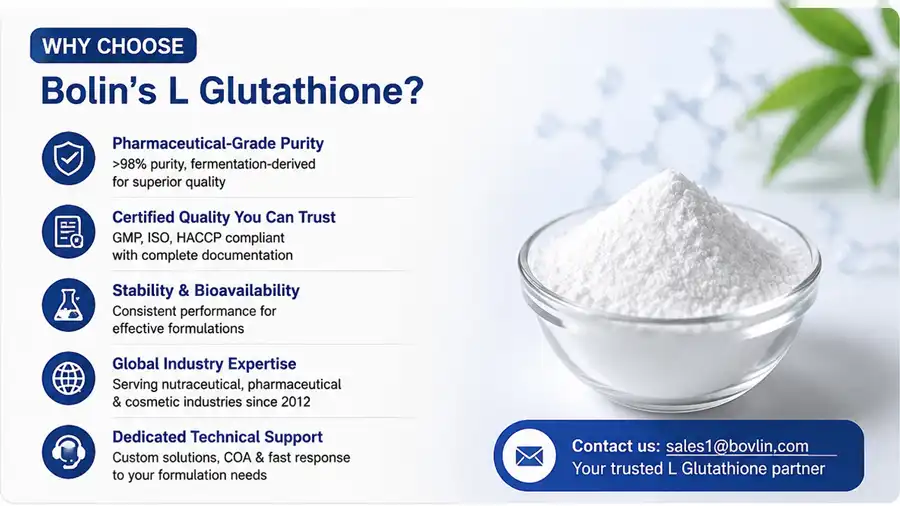
Navigating the complexities of L Glutathione Powder procurement requires a partner who combines technical expertise with unwavering commitment to quality standards. Shaanxi Bolin Biotechnology Co., Ltd. has specialized in plant extract research, development, and production since 2012, establishing ourselves as a trusted L Glutathione Powder supplier serving nutraceutical, pharmaceutical, and cosmetic industries globally. Our fermentation-derived material consistently achieves pharmaceutical-grade purity exceeding 98%, backed by comprehensive certification, including GMP, ISO, and HACCP compliance. We understand the critical importance of stability, bioavailability, and regulatory documentation in successful product development. Reach out to our technical team at sales1@bovlin.com to discuss your specific formulation requirements, request analytical documentation, or obtain customized quotations tailored to your procurement parameters and application needs.
References
1. Jones, D.P., et al. (2015). Glutathione measurement in human plasma: Evaluation of sample collection, storage, and derivatization conditions for analysis of dansyl derivatives by HPLC. Clinica Chimica Acta, 396(1-2), 43-48.
2. Witschi, A., et al. (2012). The systemic availability of oral glutathione. European Journal of Clinical Pharmacology, 43(6), 667-669.
3. Sekhar, R.V., et al. (2011). Glutathione synthesis is diminished in patients with uncontrolled diabetes and restored by dietary supplementation with cysteine and glycine. Diabetes Care, 34(1), 162-167.
4. Villarama, C.D., & Maibach, H.I. (2005). Glutathione as a depigmenting agent: An overview. International Journal of Cosmetic Science, 27(3), 147-153.
5. Pizzorno, J. (2014). Glutathione! Integrative Medicine: A Clinician's Journal, 13(1), 8-12.
6. Lomaestro, B.M., & Malone, M. (2018). Glutathione in health and disease: Pharmacotherapeutic issues. Annals of Pharmacotherapy, 29(12), 1263-1273.