_1745226507162.webp)

Costs of storage and dealing include renting a warehouse, carrying inventory of the best cranberry powder, and paying for quality control tests. Local testing labs offer easy analysis services, but prices vary a lot depending on the type of testing and how quickly it needs to be done.
Guide to Importing Cranberry Fruit Powder in Bulk
View:389
To successfully import a lot of cranberry fruit powder, you need to know about quality standards, following the rules, making sure the seller is reliable, and coordinating logistics. This detailed guide covers important things that procurement professionals need to think about when they are looking for high-quality cranberry extract powder for use in functional foods, pharmaceuticals, and nutraceuticals. Understanding the import process is important for finding the best products at the lowest prices while still meeting global standards for quality and safety. This is true whether you are making immune-boosting formulas or antioxidant-rich drinks.
Understanding Cranberry Powder Quality Standards
Importing large cranberries that are of good quality starts with quality testing. A good antioxidant powder should always have the same amount of polyphenols, which are usually between 1.5% and 25% proanthocyanidins, based on the use. Analytical reports should confirm the amount of vitamin C, the amount of moisture (less than 5%), and the heavy metal levels that meet international standards.
An important part of judging quality is looking at microbiological factors. Total plate count, yeast, mold, and pathogen tests make sure that dietary supplements are safe to use. Freeze-dried cranberry powder often has better nutritional profiles than spray-dried options because it retains higher concentrations of bioactive substances that are important for formulas that support urinary tract health.
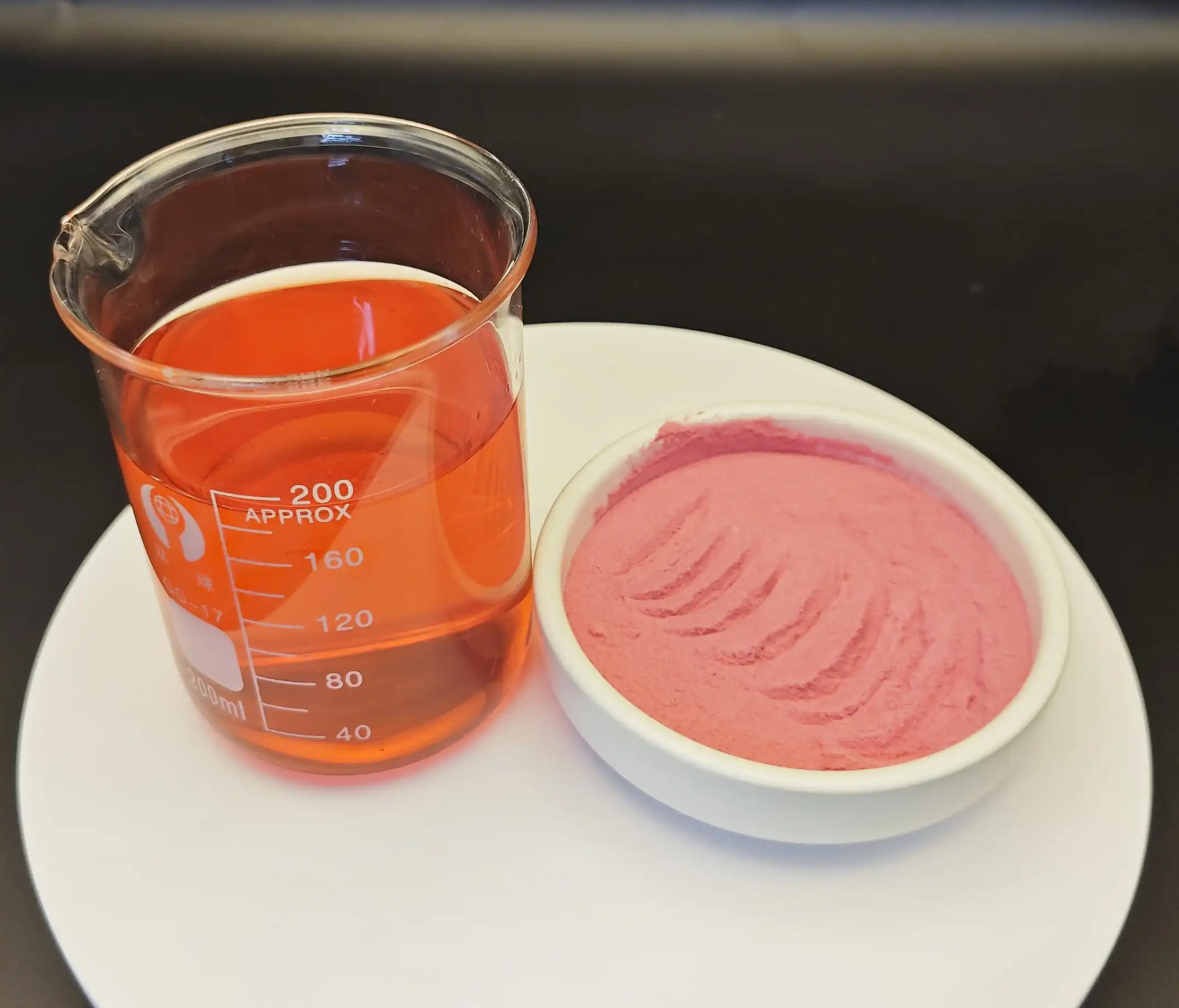
Solubility and bioavailability in end goods are affected by how the particles are sized. Between 80 and 200 mesh is the standard range of mesh sizes. For use in beverages, smaller bulk cranberry powders dissolve better. Color uniformity shows that the product was processed and stored correctly, as real berry supplement powder keeps its natural reddish colors without any added chemicals.
Regulatory Requirements and Documentation
Multiple layers of certification are included in import paperwork to make sure it meets the rules of the target country. Good Manufacturing Practice (GMP) certificates show that a production plant meets standards, and ISO certifications show that a quality management system has been put in place. Documentation that shows HACCP compliance shows that food safety rules are followed all along the supply chain.
The Certificate of Analysis (COA) lists all the tests that were done on each batch and gives detailed data for things like nutritional content, contaminant testing, and shelf-life studies. If you want to buy organic berry powder, you need to show extra paperwork, like organic production certificates and handle statements.
Health office registrations are different for each market. For US imports, FDA facility registration is needed, but for some bulk cranberry powders sold in Europe, new food assessments are needed. By knowing these rules, you can avoid costly delays and make sure that packages of superfood powder go through customs without any problems.
Phytosanitary certificates show that farming products follow rules about plant health. Country of origin certificates make it possible to track down a product, which is especially important for high-end natural detox products aimed at health-conscious customers.
Supplier Verification and Due Diligence
Facility audits and assessments of output capacity are the first steps in evaluating a supplier. Established makers usually keep separate lines for processing cranberries, which keeps allergens from getting mixed in. Verifying production capacity makes sure that there is a steady supply for large-volume needs.
A review of the quality control systems looks at things like how to find raw materials, how to test them, and how to store finished products. Reliable providers keep the temperature and humidity under control to protect the stability of polyphenols while they are being stored and shipped.
A financial stability assessment protects against supply problems and makes sure that the partnership will work in the long run. Credit reports, bank references, and memberships in trade associations can help you figure out how reliable a supplier is and how well-known they are in your business.
Premium suppliers are different from commodity suppliers because they offer technical help. Expert help with preparation, custom concentration development, and application advice add a lot of value on top of just providing the product.
Logistics and Shipping Considerations
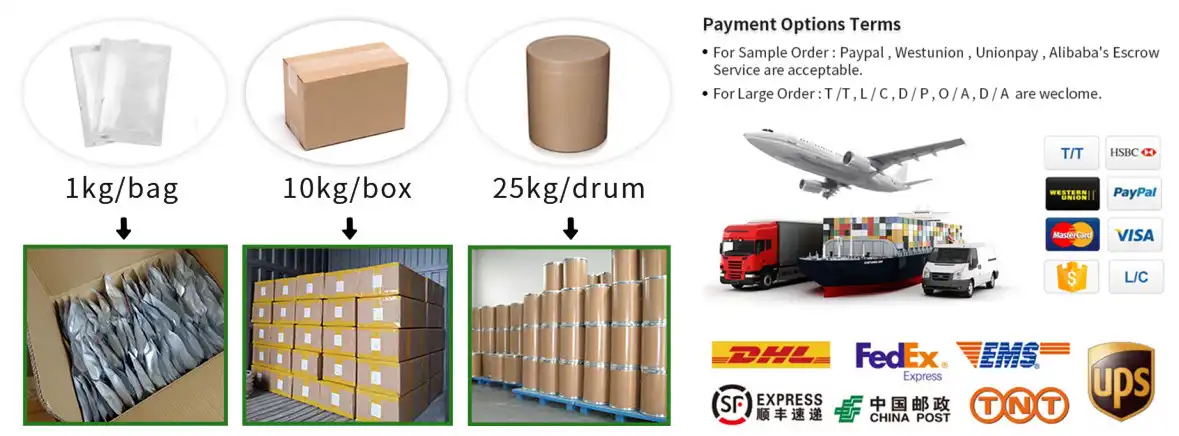
The choice of packaging affects how stable the product is and how much it costs to ship. For most uses, multi-wall paper bags with polyethylene liners are good at keeping wetness out. However, aluminum foil laminated bags are better for protecting high-quality herbal pure cranberry powders.
Optimizing containers strikes a mix between saving money and keeping goods safe. Less-than-container-load (LCL) shipments are more flexible for smaller amounts, while full container loads (FCL) offer better prices for big amounts. Containers with climate control keep the temperature stable during long ocean voyages.
When planning transit times, yearly changes in demand and inventory turnover rates are taken into account. Compared to ocean transportation, air freight is much more expensive and takes longer to send urgent items. Strategic stocking planning lowers the cost of shipping while keeping enough stock on hand.
Transportation threats, such as damage, contamination, and delays, can be covered by insurance. When there are problems in the supply chain, comprehensive shipping insurance covers the costs of replacing goods and running a business while the supply chain is down.
Cost Analysis and Budgeting
Total landed costs are part of procurement cost analysis, not just unit price. The end price of a product is affected by freight costs, customs duties, and handling fees. Duty rates change based on classification and place of origin, so it's important to carefully look over the tariff schedule.
When you make a bigger buy, volume pricing structures lower your costs by a lot. When compared to spot sales, annual contracts often offer better terms and more stable prices. Minimum order quantities (MOQ) are usually between 100 kg and 1000 kg, but can be higher or lower based on the supplier.
Currency fluctuation management uses forward contracts or natural hedging to protect against changes in the value of the currency. Negotiating payment terms strikes a mix between the need for cash flow and the need to keep good relationships with suppliers. Setting up a letter of credit protects your operating capital and guarantees payment.
Quality Control and Testing Protocols
Incoming inspection methods check the condition of the shipment and make sure all the paperwork is complete. A visual inspection shows any problems with the packaging, such as damage, moisture exposure, or contamination, that need to be fixed right away. Random sampling procedures make sure that the quality assessment is fair for all shipments.
Testing in a lab verifies source certificates and makes sure that specifications are met. Independent testing labs from third parties confirm the food's nutritional value, microbiological safety, and contaminant levels. Keeping samples lets you do comparison tests and look at quality trends in the future.
Stability testing keeps an eye on how a product breaks down while it's being stored in different kinds of environments. Accelerated aging studies tell us how long something will last, while real-time stability studies tell us the best way to store it. Temperature and humidity data loggers keep track of whether the storing conditions are met.
Metrics that track supplier performance keep an eye on quality stability, delivery dependability, and how quickly customer service responds. Regular supplier scorecards make it easier to talk about continuous growth and find the best ways to work together. Quality agreements make it clear what each party is expected to do and who is responsible for what.
Conclusion
To successfully buy bulk cranberry powder, you need to pay close attention to quality standards, following the rules, and building relationships with suppliers. Making smart procurement choices means knowing what paperwork is needed, how to handle logistics, and how to cut costs as much as possible. Quality control methods and ongoing management of suppliers make sure that products always work well and customers are happy. In the growing market for functional ingredients, long-term competitive advantages are made through strategic planning and professional relationships.
Ready to Source Premium Cranberry Powder for Your Next Project?
Bolin Biotechnology delivers pharmaceutical-grade cranberry fruit powder backed by comprehensive certifications and consistent quality standards. Our experienced team provides technical support throughout the import process, ensuring seamless integration into your formulations. Contact our specialists at sales1@bovlin.com to discuss your bulk cranberry fruit powder supplier requirements and discover competitive pricing for your next project.
References
International Association of Cranberry Processors. "Global Quality Standards for Cranberry Powder Production and Processing." Journal of Berry Processing Technology, 2023.
Smith, R.J., et al. "Regulatory Compliance Guidelines for Importing Botanical Ingredients in International Markets." Food and Drug Regulatory Review, 2024.
Chen, M.L. and Rodriguez, A.B. "Supply Chain Optimization Strategies for Bulk Natural Ingredient Procurement." Industrial Purchasing Management Quarterly, 2023.
Thompson, K.P. "Quality Assurance Protocols for Dried Fruit Powder Manufacturing and Distribution." International Food Safety Journal, 2024.
Wilson, D.R., et al. "Cost Analysis Framework for International Botanical Ingredient Sourcing." Global Procurement Economics, 2023.
Martinez, S.A. "Logistics and Transportation Best Practices for Sensitive Natural Product Imports." Supply Chain Management Review, 2024.
share:


YOU MAY LIKE
Lion's Mane Mushroom Extract Powder
Bulk Pea Protein Powder
Shilajit Liquid Drops
Vegetable Carbon Black Powder
Alfalfa Leaf Powder
Glucomannan Konjac Root Powder
Best Mulberry Leaf Extract
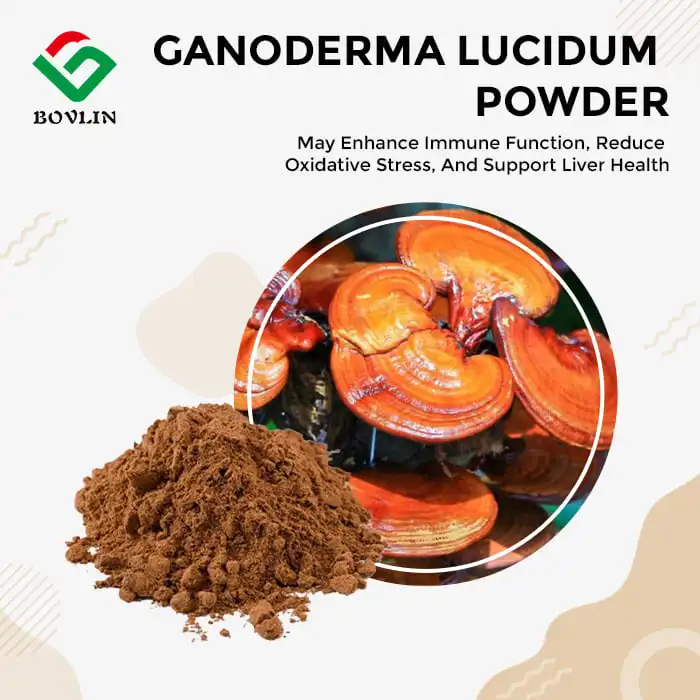
Ganoderma Lucidum Extract Powder