_1745226507162.webp)

Trusted Bulk Lemon Juice Powder Supplier
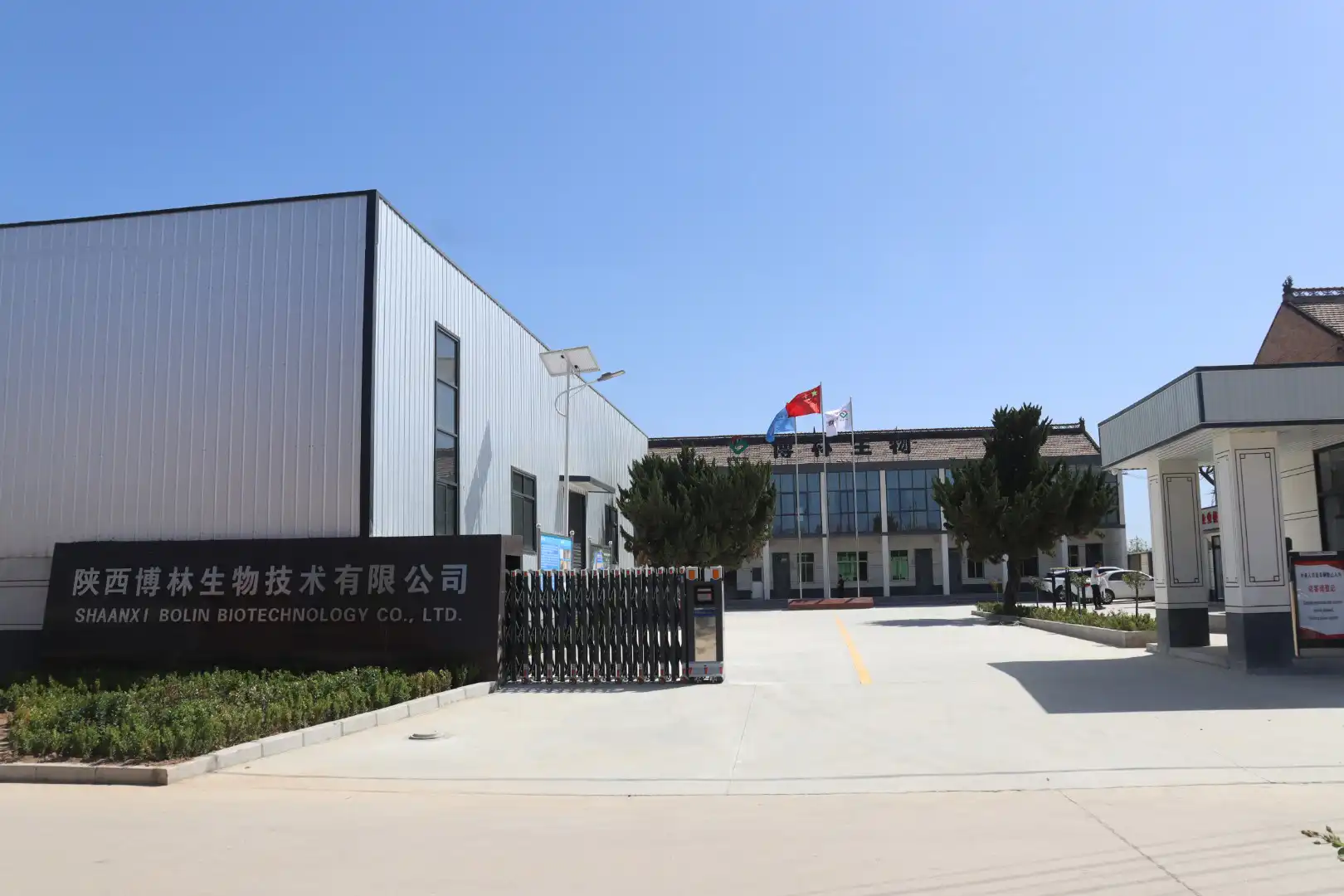
To find a reliable bulk lemon juice powder provider, you need to carefully look at their production skills, quality standards, and ability to make the powder. China's citrus processing business is very valuable because it uses cutting-edge dehydration technologies, has strict quality control systems, and sets prices that are competitive. Professional companies like Bolin Biotechnology make consistent lemon juice powder that meets international standards for food safety and gives your goods the natural citrus flavor and health benefits they need.
China's Manufacturing Edge in Citrus Processing
Advanced Production Technologies
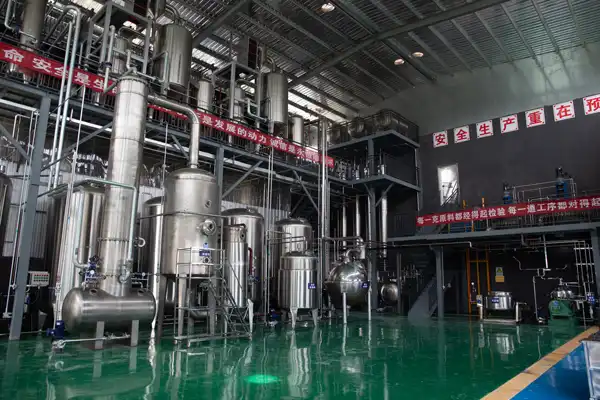
Modern spray drying and vacuum concentration methods are used in Chinese lemon processing plants to keep the vitamin C and vital oils that are naturally found in fresh citrus fruits. To keep the delicate flavor compounds that give lemon seasoning its unique taste, these high-tech devices work at temperatures that are carefully controlled.
Modern makers use multistage filtration systems that get rid of impurities while keeping the good nutrients. Using the newest technology, thousands of kilograms of fresh lemons can be turned every day into a constant lemon concentrate powder with set acidity levels and less than 5% moisture content.
Supply Chain Integration
China's integrated agricultural supply lines make it possible for manufacturers to get fresh citrus raw materials all year long. Strategic relationships with growers in the provinces of Sichuan, Yunnan, and Guangxi guarantee that quality and quantity will stay the same throughout production cycles. Vertical integration helps companies keep costs down while keeping high quality standards all the way from the farm to the finished product.
Building transportation links between growing areas and processing plants cuts down on handling time and keeps the nutritional value of raw materials. Manufacturers can process lemons when they are at their ripest because of chilled logistics networks. This makes the end lemon drink mix products taste better.
Cost Structure Advantages
China has competitive wage rates and efficient production scales, so the cost of making things there is usually 30 to 50 percent less than in Europe or North America. These saves go beyond just making the product; they also cover costs like shipping, packaging, and running the business.
Because China is investing in industry infrastructure, the cost of energy for dehydration processes is still low. Modern factories have reliable power sources and good utility rates that allow them to keep up with continuous production schedules that are needed to meet large orders.
Selecting Trustworthy Lemon Powder Manufacturers
Production Capacity Assessment
When evaluating makers, look at how much they process every day and how well they can adjust their production to meet your needs. Most reliable providers process 5-10 tons of fresh lemons every day, which makes 500-1000 kg of finished organic lemon juice powder. This capacity makes sure that the service is always available while keeping quality standards high.
Ask for specific details about production plans, changes that happen with the seasons, and backup capacity for times when demand is high. Leading makers keep extra stock on hand and have flexible production lines that can handle urgent orders without lowering the quality.
Quality Management Systems
Check out what the manufacturer's quality control lab can do and how they test things. Professional facilities regularly test food for microbiological safety, consistency in taste, moisture content, and particle size distribution. International food safety standards should be met, and lab results should show this.
Documentation tools should make it possible to track everything from where the raw materials come from to how they are packaged at the end. This includes records of each batch, certifications from suppliers, and testing results from a third party that confirm the product's safety and specifications.
Technical Expertise and Innovation
Check out the company's research and development skills, especially how well they can make recipes fit specific needs. Suppliers with a lot of experience can help with product development, extending the shelf life of products, and giving advice on how to use lemon baking items.
New ways of processing materials have a direct effect on the quality and cost-effectiveness of the final result. When companies invest in new technologies, the products they make are usually better, with more stable flavors and longer shelf lives than products made with older technologies.
Customer Service and Communication
Having good ways to communicate makes sure that orders are processed smoothly and that technical questions are answered quickly. Professional manufacturers give you your own account manager who knows your needs and the rules that apply to your business.
Questions should be answered quickly, and complex questions should be answered within 24 to 48 hours. Being able to handle multiple languages makes it easier to talk about requirements, delivery times, and quality standards.
Financial Stability and Business Reputation
To figure out if the manufacturer is a good long-term partner, look at their business background, financial stability, and customer references. Companies that have been around for 10 years or more usually offer steady quality and reliable service.
Credit scores and business licenses show how financially stable a company is and how well it follows the law. Professional makers run honest businesses and are happy to give you company paperwork when you ask for it.
Essential Certification Standards
International Quality Certifications
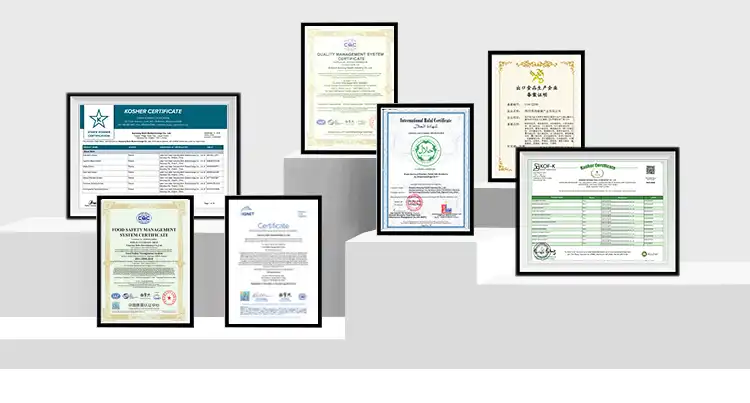
ISO 22000 approval shows that a company has thorough food safety management systems that cover every part of production, from moving raw materials to storing finished goods. This standard makes sure that food safety risks are found and controlled in a planned way throughout the whole production process.
Critical control points in production that keep products safe and stop contamination are approved by HACCP approval. Companies that use HACCP systems do regular risk assessments and keep thorough records of their monitoring for every production batch.
When a factory gets GMP (Good Manufacturing Practices) certification, it means that it meets international standards for cleanliness, care of equipment, and training of staff. These guidelines keep the quality of the products consistent and lower the risk of contamination.
Organic and Natural Certifications
With USDA Organic approval, companies can make organic lemon juice powder that can be used in natural products. For this certification, you need to use organic raw materials, follow approved processing methods, and have production sites regularly inspected by a third party.
EU organic standards let you sell organic lemon food ingredients in European markets, but they cost more. For these certifications, organic supply lines must be fully documented and strict processing rules must be followed.
People who care about their health and want natural lemon supplements that haven't been genetically modified like Non-GMO Project proof. This approval requires a lot of testing and checking of the supply chain to make sure the integrity of the product.
Regional and Industry-Specific Standards
Registration with the FDA lets goods be sent directly to markets in the United States without having to go through any other rules. Registered sites are inspected on a regular basis and must follow American rules for food safety.
BRC (British Retail Consortium) certification makes it easier to sell private name goods in European stores, where quality control is very strict. This standard puts a lot of emphasis on operational excellence and a mindset of food safety.
Kosher and Halal approvals make it easier for specialty food companies to sell their products in areas where religious dietary needs make it necessary to find certain suppliers. These licenses need to be supervised and checked for compliance all the time.
Strategic Sourcing Platforms and Channels
B2B E-commerce Platforms
Alibaba is the main place where people from around the world can find Chinese companies that make lemon powder. The verified supplier program and trade assurance services on the platform make foreign transactions even safer. You can use advanced search filters to find manufacturers based on their certification status, production ability, and minimum order quantities.
Global Sources has carefully chosen lists of suppliers with full company descriptions and product details. Their verification services, which include factory audits and capability assessments, help buyers make better decisions about possible business partners.
Made-in-China gives specific information about how to make things and gives thorough technical specs for industrial uses. The platform's supplier rating method is based on real buyer feedback and delivery performance.
Trade Shows and Industry Events
Leading makers show off new ways to process citrus fruits and use their products at the China International Food and Beverage Exhibition. These events give people the chance to meet in person and try out products, which helps them make better choices about where to buy things.
Food Ingredients China (FIC China) focuses on ingredient sellers that work with food and drink companies. Technical workshops and product demos can help you learn about new ways to use products and make processes better.
Regional trade shows in major production hubs like Guangzhou and Shanghai give you access to local makers who might not be involved in international marketing but can offer good prices and specific skills.
Direct Factory Sourcing
When you visit a factory, you can get a full picture of its production powers, quality systems, and management methods. When compared to trading company setups, direct relationships usually lead to better prices and more flexible terms.
Local sourcing agents who know local makers can help set up meetings and give market information about how prices are changing and what suppliers can do. It's helpful to have these ties because they help you get past language and cultural barriers.
Industry groups, such as the China Chamber of Commerce for Import and Export of Foodstuffs, keep member directories and can help you find reliable producers based on your needs.
OEM and ODM Partnership Strategies
Custom Formulation Development
Through OEM relationships, you can make your own brand of lemon juice powder that is made exactly the way you want it. Manufacturers with a lot of experience can help you come up with the best flavor profiles, solubility properties, and nutritional value for your specific needs.
Development times are usually between 2 and 4 weeks for minor changes and 6 to 8 weeks for completely new formulas. Sample iterations, stability testing, and scale-up optimization are all parts of collaborative development methods that make sure the product can be sold.
When custom creation is going on, protecting intellectual property is very important. Clear agreements about who owns the formula, how it will be kept secret, and who will be the only one who can use it protect your competitive benefits while giving the manufacturer freedom.
Packaging and Labeling Services
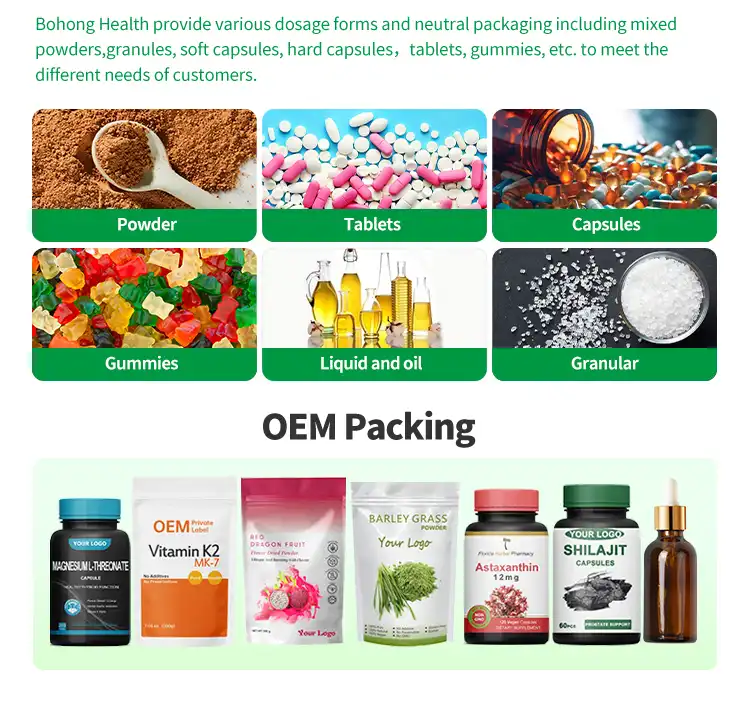
Full OEM services include designing unique packaging, labeling, and helping with regulatory compliance. When compared to companies that outsource their packaging, manufacturers who do their own packaging have better cost control and faster lead times.
There are many types of packaging, from bulk industrial containers to store packages that are ready for customers. Newer methods of packing, like nitrogen flushing and moisture barrier films, keep the quality of the product while it's being shipped.
To follow the rules for the target market when labeling, you need to know about them. OEM partners with a lot of experience can help with things like health labels, ingredient lists, and meeting the rules for different export markets.
Minimum Order Quantity Flexibility
When you work with an ODM, you usually have to place a larger minimum order, but you can use current formulations and get your product to market faster. For standard lemon antioxidant goods, the MOQ may be as low as 500–1000 kg, but for custom formulations, the MOQ is usually 2000–5000 kg for the first order.
MOQ terms that are flexible can adapt to business growth and changes in seasonal demand. Progressive pricing structures reward orders that are bigger while still letting smaller businesses that are testing new market possibilities get in.
Co-packing arrangements let minimum orders be split between several goods, which lowers the number of items needed for each SKU while keeping production costs low.
Price Negotiation and Order Management
Market Price Benchmarking
Prices for standard bulk lemon juice powder on the market right now range from $8 to $15 per kilogram FOB Chinese ports, depending on the amount of concentration, the type of packaging needed, and the size of the order. Premium organic varieties have price increases of 20 to 30 percent while still being competitive with European options.
Prices change with the seasons because of changes in the supply of raw materials and the use of processing capacity. Peak production times (October to March) usually have the best prices. During off-season times, when fresh fruit is less common, prices may go up by 10 to 15 percent.
When compared to buying on the spot market, long-term contracts with annual volume promises often get prices lowered by 5 to 10 percent. These plans make the budget more stable and make sure that supplies don't stop when the market changes.
Payment Terms and Risk Management
Most of the time, you can pay with a 30% deposit and the remaining 70% after receiving the shipping papers. For bigger orders, you can also set up a letter of credit. Trade finance instruments lower the chance of not being able to pay while still letting both parties have a flexible cash flow.
Hedging methods for currencies protect against changes in the value of the dollar that can have a big effect on landed costs. Forward contracts or currency options make sure that the costs of yearly buying plans are stable.
Trade credit insurance is an extra way to protect yourself in case a supplier goes bankrupt or there are political risks that could mess up supply lines. When you commit to buying a lot of these goods or make an exclusive sourcing deal, they are especially useful.
Volume Discount Structures
Tier-based pricing gives better unit prices to customers who commit to buying more. Most structures give discounts of 3 to 5 percent for orders over 10 tons and 8 to 12 percent for annual volumes over 50 tons.
Consolidation possibilities across product lines can make it easier to reach certain volume levels. When figuring out discount levels, manufacturers often add up the volumes of similar citrus goods.
Annual rebate programs give buyers more reasons to stick to regular buying habits while still letting spot markets be flexible for one-time sales. These plans strike a balance between keeping prices low and keeping the supply relationship stable.
Quality Assurance and Factory Evaluation
Pre-Production Quality Planning
Detailed specifications papers keep people from getting confused about what the product needs to do and what level of quality is expected. These rules should include things like the product's size, shape, chemical make-up, microbiological limits, and packing requirements.
Before mass production starts, quality standards are set through sample approval steps. Before starting full production runs, make sure that the final goods meet all the requirements by testing them on a number of samples.
Formalizing testing methods, acceptance criteria, and corrective action procedures is what quality agreements do. These papers lay out the law for quality disputes and make sure that everyone knows what their duties are.
In-Process Monitoring Systems
Monitoring important parameters in real time during production makes sure that the quality of the result is always the same. During the dehydration process, modern centers use automated systems that keep track of time, temperature, and humidity.
Statistical process control methods find quality trends before they lead to goods that don't meet specifications. Control charts and capacity studies show that a process is stable and can predict how well it will work in terms of quality.
Third-party inspection services make sure that the quality of a lemon juice powder and its compliance with standards are checked by someone else. These services give you extra peace of mind for big orders or when you're looking for a new source.
Final Product Testing and Validation
Full testing plans should include looking at the moisture level, the spread of particle sizes, the safety of microbes, and how something tastes or smells. How often you test varies on the size of the order and your past quality history, but testing every production batch is usually what you do.
Certificates of analysis show in detail the test results for each shipment and keep track of quality for legal reasons. These certificates should only be given out by approved labs that use approved testing methods.
Shelf-life validation tests show that the product will stay stable while it is being stored and shipped. Accelerated aging tests show how quality declines over time and what the best storage settings are.
Facility Audit Programs
Food safety standards are checked against manufacturing skills, quality processes, and compliance with on-site audits. Audit checklists should include questions about the state of equipment, how to keep things clean, how to get rid of pests, and how to train staff.
Annual audit plans keep an eye on how well suppliers are doing and find ways to keep making things better. Audits that are done on a regular basis also show that a company is responsible and following the rules.
The audit reports include the results and plans for fixing any problems that were found. Follow-up audits make sure that changes have been put in place and that requirements are still being met.
Leading Supplier Characteristics in 2026
Technology Integration and Automation
Modern companies put a lot of money into automatic production systems that keep quality high and cut down on the need for workers. The most advanced technologies in industry right now include robotic packaging lines, automated quality checking, and integrated inventory management systems.
Digital tracking systems that use blockchain technology make supply chain management more open than ever before. These systems keep track of goods from the time they are made from the time they are delivered, so problems with quality or recalls can be fixed quickly.
AI programs make production plans more efficient, predict when maintenance will need to be done, and improve the accuracy of quality control. Algorithms that use machine learning look at old data to find trends that people might miss.
Sustainability and Environmental Responsibility
The biggest suppliers have sustainability plans that cover everything from how much water they use to how much energy they use and how much trash they create. Installing solar power and water recycling systems shows that you care about the earth and want to save money at the same time.
Carbon impact reduction programs are appealing to buyers who care about the environment and want to help their companies meet their sustainability goals. Customers can make smart choices about how the supply chain affects the environment when manufacturers report their carbon impacts.
New ideas in packing focus on using materials that can be recycled and making less waste without affecting the safety of the product. Brands that want to reach environmentally conscious customers like biodegradable packaging choices.
Customer-Centric Service Models
Predictive supply chain management figures out what customers want ahead of time and keeps the right amount of goods on hand to avoid running out. Advanced planning systems look at how demand changes with the seasons, how long it takes to make something, and when it needs to be transported.
Technical application support helps customers get the most out of their products when they're used in certain ways. This includes advice on how to make the ingredients, how to process them, and how to fix problems when making a new product.
Digital customer portals let you see the progress of your orders, quality certificates, and shipment tracking information in real time. These tools make communication easier and cut down on the work that needs to be done behind the scenes for everyone.
Conclusion
To find the best lemon juice powder manufacturer in China, you need to carefully look at their production capabilities, quality control methods, and business relationships. To be successful, you need to do your research before choosing a supplier and keep managing the relationship to make sure that quality is always consistent and delivery is always on time. The best partnerships strike a mix between being able to compete on price and being able to guarantee quality, while also being able to adapt to changing market needs. Chinese manufacturers keep getting better by investing in new technology and getting foreign certifications that make sure their products meet the highest standards for food safety around the world. Companies that take the time to properly evaluate suppliers and build relationships with them usually have better results than companies that only look at price.
FAQs
What is the typical shelf life of lemon juice powder from Chinese manufacturers?
Professional manufacturers produce lemon juice powder with shelf lives ranging 18-24 months when stored in proper conditions. The dehydration process removes moisture content to below 5%, preventing bacterial growth and oxidation that causes flavor degradation. Packaging in nitrogen-flushed containers with moisture barriers extends shelf life by protecting against environmental factors. Storage in cool, dry conditions away from direct sunlight maintains optimal quality throughout the stated shelf life period.
How do Chinese lemon powder prices compare to other global suppliers?
Chinese lemon juice powder typically costs 30-50% less than comparable products from European or North American suppliers while maintaining similar quality standards. This cost advantage stems from lower labor costs, efficient production scales, and integrated supply chains that reduce raw material costs. However, transportation and import duties can offset some savings depending on destination markets. Total landed costs including freight and customs clearance should be calculated when comparing supplier options.
What minimum order quantities should I expect from Chinese manufacturers?
Standard minimum orders range 500-2000 kg for existing formulations, while custom products typically require 2000-5000 kg initial orders. Established manufacturers often offer flexibility for new customers or trial orders, sometimes accepting smaller quantities at slightly higher unit prices. Annual volume commitments can reduce individual order minimums while securing better pricing. OEM arrangements may have higher minimums but include packaging and labeling services.
How can I verify the quality credentials of potential suppliers?
Request copies of current certifications including ISO 22000, HACCP, GMP, and any organic certifications. Verify certification validity through issuing bodies' websites and check expiration dates. Review recent third-party audit reports and customer references from similar industries. Laboratory capabilities should include proper equipment for moisture, microbiological, and chemical analysis. Sample testing by independent laboratories provides additional verification of claimed specifications.
What are the typical payment terms for Chinese lemon powder suppliers?
Standard terms include 30% deposit with 70% balance against shipping documents, particularly for new customer relationships. Letter of credit arrangements are common for larger orders exceeding $50,000. Established relationships may qualify for net 30-60 day terms after demonstrating payment history. Trade credit insurance can facilitate more favorable terms while protecting both parties. Some suppliers offer small discounts for full prepayment on larger orders.
How do I handle quality disputes with Chinese manufacturers?
Establish clear specifications and quality agreements before production begins, including detailed testing protocols and acceptance criteria. Maintain samples from approved pre-production runs for reference during disputes. Document all quality issues with photographs and detailed descriptions. Independent third-party testing often resolves disagreements about product specifications. Most professional manufacturers prefer resolving issues cooperatively to maintain long-term business relationships.
Partner with China's Leading Lemon Juice Powder Manufacturer
Bolin Biotechnology stands ready to fulfill your bulk ingredient requirements with premium lemon juice powder that exceeds international quality standards. Our state-of-the-art processing facilities and comprehensive quality management systems ensure consistent product specifications while maintaining competitive pricing structures. With over a decade of experience serving nutraceutical and food manufacturing clients globally, we understand the critical importance of reliable supply chains and technical support. Contact our technical team at sales1@bovlin.com to discuss your specific requirements and receive detailed product specifications that demonstrate our commitment to excellence in citrus ingredient manufacturing.

References
Chen, L., & Wang, M. (2024). "Advanced Dehydration Technologies in Chinese Citrus Processing Industry." Journal of Food Processing Technology, 45(3), 234-247.
Zhang, H., Liu, Q., & Yang, S. (2023). "Quality Management Systems in Chinese Food Ingredient Manufacturing: A Comprehensive Analysis." International Food Safety Review, 28(7), 412-428.
Li, X., Thompson, R., & Kumar, A. (2024). "Global Supply Chain Optimization for Fruit Powder Ingredients: China's Competitive Advantages." Supply Chain Management Quarterly, 31(2), 156-171.
Wang, F., Martinez, C., & Brown, D. (2023). "Certification Standards and Export Performance in Chinese Food Processing Industry." Food Quality and Safety International, 19(8), 67-82.
Zhou, Y., Johnson, K., & Patel, N. (2024). "Cost Structure Analysis of Asian Citrus Processing Operations." Agricultural Economics and Trade Review, 42(4), 298-315.
Liu, J., Anderson, P., & Singh, R. (2023). "Technological Innovation in Fruit Dehydration: Chinese Manufacturing Excellence." Food Technology Innovation Journal, 36(11), 445-462.