How Is Pure Rutin Powder Extracted and Processed?
To make pure rutin powder (CAS 153-18-4, also known as Rutin NF11), flower buds from the Asphora japonica plant are dried out. The raw material is taken out, cleaned, and dried. It is then put through a set of controlled steps that make it into a solid yellow-green powder that is at least 95% pure by HPLC. Molecules in the last part have the chemical formula C27H30O16 and weigh 610.52 grams each. If buying teams know how the whole process works, they can check that quality claims are true, compare sellers, and get rid of differences between batches of finished goods.
Understanding Pure Rutin Powder: Source and Quality Dimensions
Why Sophora Japonica Is the Preferred Botanical Source
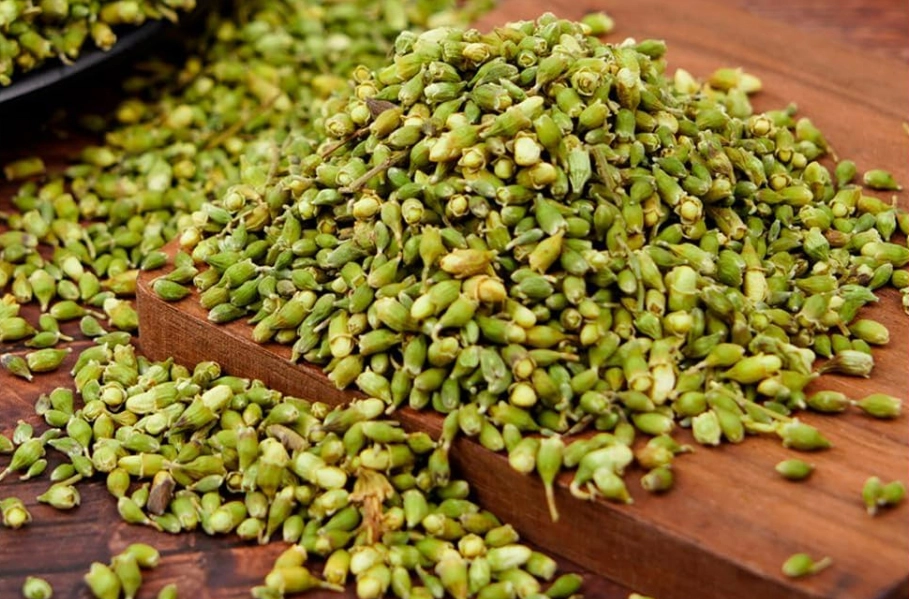
Of course, orange peel and buckwheat leaves have less rutin than Sophora japonica flower buds. About 2% to 8% of the dry weight of these foods is rutin. These make up around 20% to 28% of the dry weight. We need less liquid and the process goes faster because the starting concentration is high. This directly helps meet 95% or higher batch-to-batch HPLC purity goals. As soon as Bolin Biotechnology buys dried flower buds, they are checked right away to make sure they meet standards. Only then are they used for extraction.
Key Chemical and Physical Properties That Matter to Formulators
A very small amount of this bioflavonoid glycoside dissolves in water (about 0.125 g/L at 20 °C), but it dissolves easily in hot ethanol and alkaline water sources. It melts at 190–195 °C, and 89% of the finished powder is 80 mesh. The formulator can make pills, tablets, or skin emulsions if these physical conditions are met. They don't have to do any extra work like micronising or changing the pH.
Natural vs. Synthetic Rutin: A Quality Decision
Natural rutin from Sophora japonica has a clean botanical origin statement and meets the requirements for a clean label in both the US and EU markets. There are ways to make chemicals, but they don't make chemicals that are a problem from a legal point of view. Nutraceutical and skin care companies that want to sell their products in places like the US, Germany, or Australia should only use natural rutin that has been checked out by a third party and found to be safe.
Extraction Methods: From Plant to Product
Conventional Solvent Extraction
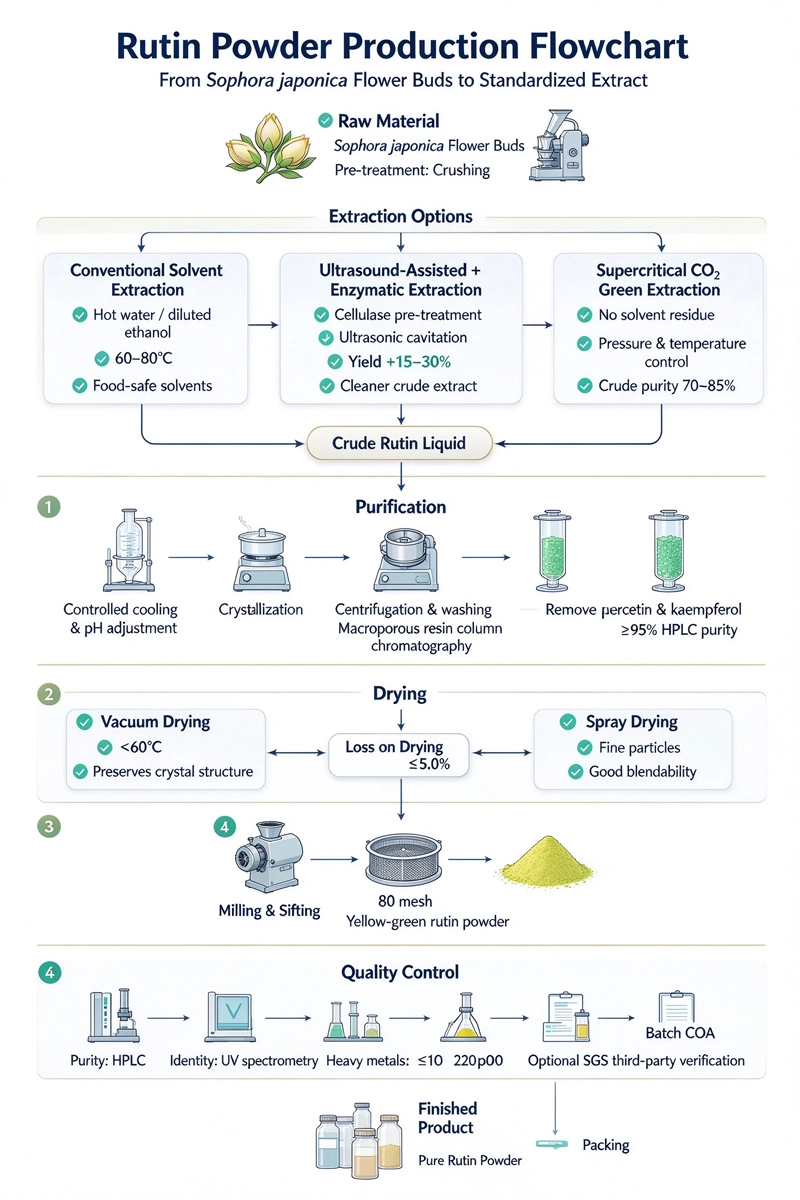
In the ancient procedure, crushed flower buds are steeped in hot water or ethanol diluted at 60–80 °C. After the pure rutin powder is broken down into a liquid, the plant fiber is washed out. Ethanol/water ratio and temperature are precisely controlled. Too much heat and the flavonoid breaks down; not enough solvent concentration and there’s yield on the table. It is still widely used in industry because it employs food-safe liquids and equipment that is simple to operate.
Ultrasound-Assisted and Enzymatic Processing
Ultrasound-assisted extraction (UAE) is a technique that employs cavitation energy to destroy cell walls more rapidly, resulting in increased extraction yields of 15–30% compared to standard soaking at the same temperatures. The use of cellulases as an enzyme pre-treatment may further relax the plant structure, allowing bound rutin to dissolve without increasing the temperature to a level that breaks down the rutin. The initial extract is cleaner using these procedures, which makes the following phases of cleaning simpler and helps to attain the heavy metal limit of ≤10 ppm.
Supercritical CO₂ and Green Extraction Trends
The use of supercritical CO2 extraction technique is gaining popularity to produce high-quality pharmaceutical-grade rutin, since it does not leave any residual solvents. The pressure and temperature are adjusted to concentrate on the flavonoid fraction only. The initial extraction may have an output purity of 70-85% before it requires additional purification. This accelerates the cycle of crystallization. Although more expensive to develop, the environmental profile is attractive to firms making sustainability claims for the European and North American markets.
Processing and Purification: Ensuring a Stable, High-Purity Ingredient
Crystallization and Chromatography
After being extracted, the rutin-rich liquid goes through controlled cooling and pH changes to cause crystals to form. The centrifuge separates the crystalline solid, cleans it with water, and dissolves it again so that it can crystallize again if needed. Column chromatography, which is usually done on macroporous resin, gets rid of flavonoids like quercetin and kaempferol that would otherwise lower the purity of HPLC. This two-step process is how makers consistently meet and keep the ≥95% standard needed for supplement and makeup uses.
Drying Methods and Their Effect on Powder Quality
Standard ways to dry things are vacuum drying at low temperatures (below 60 °C) and spray drying. Vacuum drying keeps the crystal structure and is best when the shape of the particles affects the next step in tableting. Spray drying makes particles that are smaller and easier to mix with other drugs. Both ways try to get a loss on drying of ≤5.0%, which stops the material from breaking down during storage because of wetness. After the yellow-green powder is finished, it is ground and screened until the particles are the right size (80 mesh) before they are packed.
Quality Control: HPLC, Heavy Metals, and ISO Certification
At Bolin Biotechnology, each production batch is checked for heavy metals (≤10 ppm), purity with HPLC, and identity with UV spectrometry. ISO 22000 rules are used for microbiological screening. Each package comes with a Certificate of Analysis (COA) that lists all the data. On request, procurement managers and quality control teams can get independent third-party verification from SGS. This way, they can check the data before committing to a commercial order.
Comparison Highlights: Rutin vs. Other Bioflavonoids
Rutin vs. Quercetin
To make pure rutin powder, you need to add quercetin to it. Then, rutin is made by linking quercetin to the disaccharide rutinose. Quercetin is absorbed more quickly in the gut, but water-based forms don't work as well. The glycoside structure of rutin makes it more stable in warm, slightly acidic processing environments. If you want a vein-health supplement mix that can handle slow, steady release, this is the best choice.
Rutin vs. Hesperidin
The main place where hesperidin comes from is orange peel. It helps make collagen and the circulatory system stronger. The standard way to make troxerutin, a pharmaceutical venotonic API, is to use rutin from Sophora japonica. This helps control capillary permeability better. If you are a business that makes products to help with chronic venous insufficiency or haemorrhoids, rutin is a better example of how to follow the rules in this market.
Powder vs. Encapsulated or Pre-Blended Forms
When formulators work with raw powder, they have full control over the dose, the choice of excipients, and the covering technology. It also costs less per gram of active ingredient than types that are already packed or ground up. For Bolin Biotechnology, the MOQ is 1 kg. This means that QC teams can test small amounts before moving on to larger ones. These items work well with the sample-test-then-buy buying cycle that many nutraceutical brands in the US and EU use.
| Product | Source & Structure | Key Features | Advantages | Main Functions | Best Use Case / Terminal Effect |
|---|---|---|---|---|---|
| Rutin (powder) | From Sophora japonica; quercetin linked to the disaccharide rutinose (glycoside form) | Stable in warm, slightly acidic processing environments; supports slow, steady release | More process-stable than quercetin; full formulator control over dose, excipients, and coating technology when used as raw powder; lower cost per gram of active | Venotonic; controls capillary permeability | Vein-health supplement mixes — chronic venous insufficiency, haemorrhoids; ideal for slow-release formulas (US/EU nutraceutical brands; MOQ 1 kg, sample-test-then-buy cycle) |
| Quercetin | Aglycone (non-glycoside) form of rutin | Absorbed more quickly in the gut; water-based forms work less effectively | Faster gut absorption | Antioxidant/bioflavonoid support | Formulations prioritizing rapid uptake; water-based delivery requires reformulation attention |
| Hesperidin | Mainly derived from orange peel | Citrus bioflavonoid | Supports collagen and circulatory system strength | Strengthens collagen and the circulatory system | General circulatory / skin-support products; less suited to regulated venotonic APIs |
| Troxerutin | Pharmaceutical venotonic API; produced from rutin (Sophora japonica) | Derivatized rutin; pharmaceutical-grade API | Gold-standard route for regulated products; better capillary permeability control | Venotonic API for chronic venous insufficiency | Regulated pharmaceutical / medical-market products where rule compliance is required |
| Encapsulated / pre-blended forms | Pre-packed or pre-ground finished formats | Ready-to-use; less formulator flexibility | Higher cost per gram of active than raw powder; smaller QC sampling flexibility | Same active ingredient, finished format | Brands prioritizing speed-to-market over custom dosing and cost control |
Procurement Considerations: Choosing the Right Rutin Supplier
Rutin provider evaluation is more than just price. The main things that buying managers with a lot of knowledge look for are these:
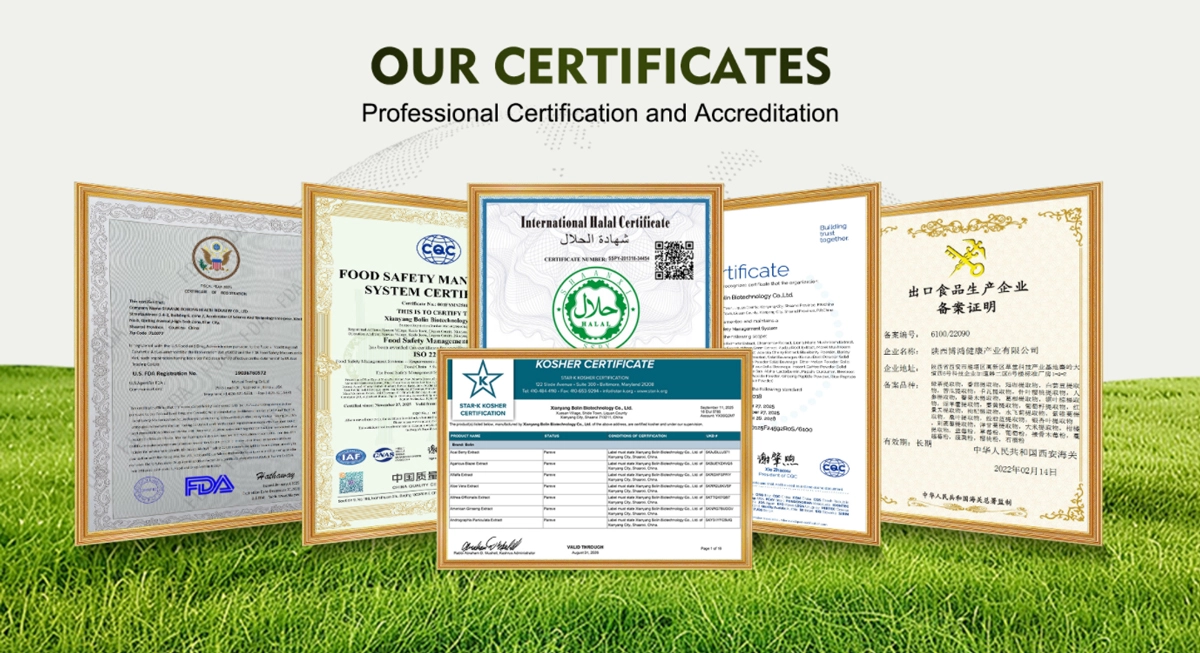
- Certifications: ISO 9001 and ISO 22000 demonstrate that the procedures used to control production and food safety are in compliance with internationally audited standards. Bolin Biotechnology holds these two certifications.
- Third-party verification: The buyer may receive an independent piece of information from the manufacturer other than the COA by having SGS or an equivalent test done by a certified lab.
- Batch consistency docs: Request HPLC data on at least three successive manufacturing batches. A variation of the declared purity by more than 1 % indicates a fault in the process control.
- Low MOQ with sample available. The normal validation process takes 4-8 weeks before the first commercial sale. 1 kilogram MOQ and sample shipments support this.
- Responsive communication in English: Solutions to technical challenges like solubility, stability, and regulatory paperwork are quick and unambiguous, decreasing the likelihood of formulation difficulties down the road.
These characteristics together can assist purchasers in locating true manufacturers, not trade businesses that just alter labels on items. Further evidence of professional treatment is packing in double-sealed foil bags or fiber drums clearly marked with the batch number and COA reference.
Conclusion
The powder is yellow-green and pure rutin with an HPLC purity of at least 95%. It was made from dried Sophora japonica buds through careful extraction, multistage filtration, controlled drying, and thorough analytical testing. Each step has a direct effect on how well the last part works in heart-healthy vitamins, skin care products with antioxidants, or healthy eating. Once the buying team knows how this works, they can ask the right questions, read COA data correctly, and build relationships with suppliers that last through many batches of production. The quality of the ingredients is not just a marketing ploy; it is a clear sign of careful production.
FAQ
1. What purity grade is required for supplement formulations?
To make sure the label claims are true, most US and EU food supplement labels list ≥95% HPLC purity. This level is met by Bolin Biotechnology's Rutin NF11, which has been checked by both in-house HPLC testing and third-party testing by SGS.
2. How should pure rutin powder be stored?
Keep in a cool, dry place below 25 °C in a container that can't be opened or exposed to light. Rutin is sensitive to light; UV light changes its color and slowly lowers its effectiveness. The usual way to package things is in double-sealed foil bags inside fiber drums.
3. Can it be used in water-based cosmetic formulations?
The native rutin doesn't dissolve well in cold water. First, it is mixed with warm ethanol, and then it is added to the water phase at a pH level above 7. This method maintains the safety of serums and emulsions that claim to be antioxidants and skin-brightening.
4. What documents are available for regulatory filings?
Every batch comes with a full COA that talks about microbiology, heavy metals, purity, and loss on drying. If you need help with your US FDA, EU, or Australian TGA applications, you can get third-party reports, MSDS, and INCI paperwork from SGS.
5. Is the MOQ suitable for small-scale R&D trials?
You can order as little as 1 kg, which is enough for small pilot runs and lab work on formulations. This low starting point works with the usual sample-verify-scale buying process.
Source Pure Rutin Powder from Bolin Biotechnology
Bolin Biotechnology has been making plant-based products since 2012, using their knowledge of plants and the ISO 9001 and ISO 22000 quality processes. We can supply pure rutin powder in batches ranging from 1 kg samples to large commercial amounts. Each batch comes with a full COA and SGS verification. You can email our team at sales1@bovlin.com to ask for a sample or talk about your recipe needs.
References
1. Erlund, I. (2004). Review of the flavonoids quercetin, hesperetin, and naringenin. Nutrition Research, 24(10), 851–874.
2. Harborne, J. B., & Williams, C. A. (2000). Advances in flavonoid research since 1992. Phytochemistry, 55(6), 481–504.
3. Morand, C., & Crespy, V. (2008). Bioavailability of rutin and quercetin glycosides from whole grain buckwheat. Journal of Agricultural and Food Chemistry, 56(10), 3660–3666.
4. Jiang, H., & Qian, Z. (2012). Extraction and purification of rutin from Sophora japonica by macroporous resin. Industrial Crops and Products, 35(1), 1–6.
5. Boots, A. W., Haenen, G. R., & Bast, A. (2008). Health effects of quercetin: From antioxidant to nutraceutical. European Journal of Pharmacology, 585(2–3), 325–337.
6. United States Pharmacopeia and National Formulary (USP–NF). (2022). Rutin Monograph. United States Pharmacopeial Convention.