_1745226507162.webp)

How Liposomal Coenzyme Q10 Supports Heart and Energy Health?
Liposomal coenzyme Q10 improves heart health and cell energy production by a large amount using modern transport technology. CoQ10 is contained in lipid-based vesicles in this new version, which makes it much more bioavailable than regular doses. The liposomal structure keeps the active chemical from breaking down and makes it easier for the body to absorb it into heart and muscle tissues. This improved delivery method makes sure that the mitochondria get the help they need, which helps ATP production and antioxidant defense. This directly improves heart health and keeps energy levels high throughout the body.
Understanding Liposomal Coenzyme Q10 and Its Mechanism Advanced Encapsulation Technology
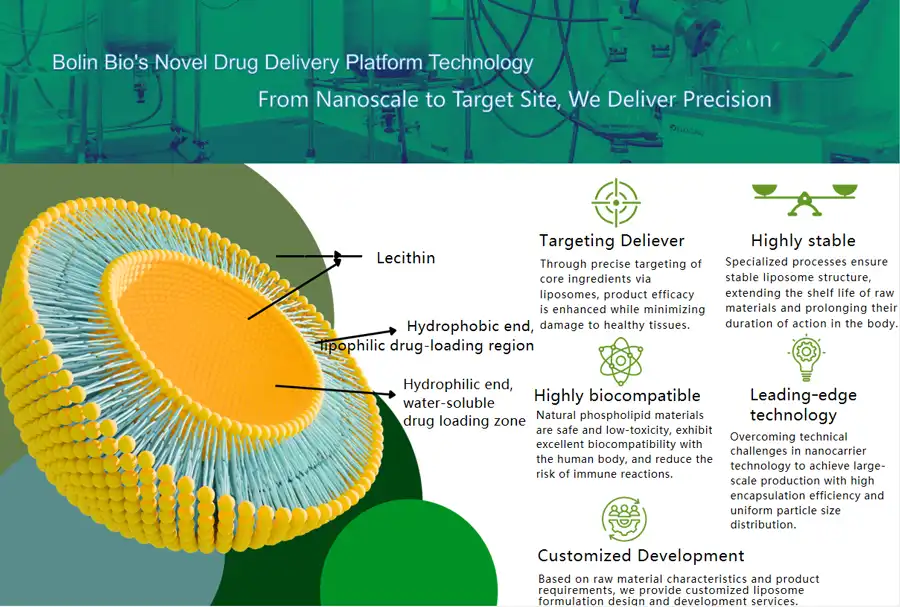
Liposomal CoQ10 is different from other vitamins because it is carefully packed into lipid-based spheres that have the same structure as cell membranes. These tiny balls are made up of phospholipids, mostly phosphatidylcholine, which surround the active substance and keep it safe. Because these phospholipids are amphiphilic, they can easily interact with both water- and fat-soluble environments. This makes it easier for cells to take them in.
During the encapsulation process, bilayer structures are made to protect CoQ10 from harmful digestive conditions while keeping the safety of the molecule. This protection system stops the active ingredient from breaking down too quickly and makes sure that more of it gets to the target areas intact. Researchers have found that liposomal formulations can be absorbed up to eight times better than regular CoQ10 formulations.
Cellular Energy Production Enhancement
The mitochondria are the building blocks of cellular energy production, and CoQ10 is an important part of the electron transport chain. This chemical that looks like a vitamin helps turn foods into adenosine triphosphate (ATP), which is the energy currency that all cell processes use. Hearts need a lot of energy, so they have a lot of mitochondria and need a lot of CoQ10 to work properly.
Liposomal versions make it easier for CoQ10 to get to cardiac muscle, where it helps make energy all the time, which is needed for the heart to beat properly and contract with strength. Studies show that increasing the supply of CoQ10 can make it easier to handle exercise and make you less tired by making mitochondria work more efficiently in a wide range of tissues.
Antioxidant Protection Mechanisms
In addition to making energy, CoQ10 is a powerful fat-soluble antioxidant that keeps cell walls from getting damaged by reactive stress. The compound gets rid of harmful free radicals that are made by regular metabolism and being exposed to external stress. Because oxidative stress plays a big role in heart disease and arterial failure, this defensive function becomes even more important for heart health.
By keeping CoQ10 levels steady in the blood and tissues, liposomal transport improves the protective properties. The method also lets specific parts of cells be delivered to areas where reactive damage usually happens. This precise method gets the most safe effects with the least amount of active ingredient needed for healing effects.
Comparing Liposomal Coenzyme Q10 with Other Supplements
Absorption and Bioavailability Advantages
Traditional forms of CoQ10, unlike liposomal CoQ10, have a lot of problems because they don't dissolve well in water and aren't easily absorbed by the body. A bioavailability rate of between 1% and 3% is normal for traditional pills and tablets. This means that most of the CoQ10 that is eaten does not get absorbed. Because of this, bigger amounts are needed to get therapeutic blood levels, which raises the cost and the chance of side effects.
The following table shows the main changes in results between formulation types:
- 6–8 times higher absorption rates are reached by liposome formulas thanks to their protective encapsulation and improved cellular uptake processes.
- Oil-based softgels are a little better than powder forms, but they're still limited by how the body breaks them down and how the liver uses them.
- Some bioavailability benefits come from ubiquinol vitamins, but they are not as stable or effective as liposomal methods when it comes to specific delivery.
- Standard powder pills have the worst absorption because they don't dissolve well and are quickly flushed out of the body.
These differences in performance directly translate into benefits for makers who want their products to work the same way every time. Liposome technology makes it possible to use smaller doses while still getting better therapeutic results, providing value propositions that appeal to people who care about quality.
Stability and Shelf Life Considerations
Product stability is an important factor in producing and distributing big amounts of goods. When stored or transported, traditional forms of coenzyme Q10 are often broken down and oxidized when they are exposed to light, heat, or wetness. These problems with steadiness can have a big effect on how well a product works and how happy customers are with it over long periods of time.
Liposomal encapsulation protects better against external stresses that usually break down CoQ10. The lipid bilayer structure protects the active ingredient from oxygen while keeping the formulation's stability in a range of storing settings. This benefit of steadiness cuts down on waste, makes quality control better, and allows for longer supply lines that help global supply operations.
Procurement Insights: Buying Liposomal Coenzyme Q10 for Business Needs
Supplier Evaluation Criteria
To get high-quality liposomal CoQ10, you need to carefully evaluate possible providers across a wide range of performance factors. When evaluating a provider, the basics are their manufacturing skills. They should have cleanrooms, quality control systems, and the ability to make more of what they're making. Suppliers should show that they know how to make liposomes, including how to control particle size and check the effectiveness of packaging.
Certification standards are an important part of the process of qualifying suppliers. Check that the companies you buy from have up-to-date Good Manufacturing Practice (GMP) certifications, ISO 22000 food safety standards, and the right paperwork to show they follow the rules in your area. These certificates show that the quality management methods used are standardized and help make sure that products are delivered consistently and that regulations are followed in all areas.
Superior sellers for coenzyme Q10 liposomal are different from commodity suppliers in that they can provide technical help. Check out possible partners to see if they can help with formulation, give you data on stability tests, and come up with custom packing solutions. Strong expert relationships can cut the time it takes to get new products to market by a large amount while still ensuring that the formulations work perfectly.
Cost-Benefit Analysis for Bulk Purchasing
When set up correctly around the ability to predict demand and handle inventory, volume purchasing methods can save you a lot of money. If you compare the price of liposomal CoQ10 to other formulations, it usually costs more. But the higher ingredient costs are usually justified by better product positioning and customer happiness measures.
Think about doing total cost of ownership estimates that include the prices of raw materials as well as the costs of shipping, storing, and handling them. Liposomal formulations might need special storing conditions, like keeping the temperature just right or blocking light, which can change the total cost of purchase. Better steadiness, on the other hand, often makes up for these needs by reducing waste and increasing shelf life.
Before signing a buy deal, make sure there are clear quality standards and testing procedures. Regular inspections of new materials should check the spread of particle sizes, the effectiveness of encapsulation, and the microbial safety factors. These quality control steps keep the product's performance the same across production batches and protect against problems in the supply chain.
Optimal Usage Guidelines to Maximize Benefits
Dosage Recommendations and Timing
To get the most out of liposomal CoQ10, you need to know how to dose it so that it is absorbed as efficiently as possible while minimizing any possible side effects. According to research, daily doses between 100 mg and 300 mg are effective for most circulatory and energy support uses. Because liposomal versions are more bioavailable, they often need lower amounts than regular supplements to reach the same or higher blood levels.
Timing issues can have a big effect on how well drugs are absorbed and how well they work as a therapy. Taking liposomal CoQ10 with meals that have good fats makes it easier for your body to absorb it. Liposomal formulas allow for prolonged release, which also supports once-daily dosing schedules that are easier to stick to than the multiple daily doses needed with regular supplements.
Safety Profile and Contraindications
Supplementing with CoQ10 has been shown in clinical studies to be very safe for a wide range of community groups. Effects that aren't good are still very rare and usually mild. Some examples are occasional stomach problems or skin reactions in sensitive people. Liposomal forms of CoQ10 make it easier for the body to absorb, but that doesn't mean there is a higher risk of side effects. This is because CoQ10 works well in tissues even at high blood levels.
When doctors suggest CoQ10 supplements, they should think about how they might combine with other drugs. The substance might make warfarin and other blood-thinning drugs less effective, so people who are taking these drugs need to be closely watched. People with diabetes should also keep an eye on their blood sugar levels, since CoQ10 may make insulin work better and change how well blood sugar is controlled.
Integration with Corporate Wellness Programs
Liposomal CoQ10 needs to be used in organized ways that take into account the different health goals and needs of employees in workplace wellness programs. The educational parts should stress the scientific reason for taking CoQ10 supplements, especially how they can help older workers' energy levels and heart health. Employees can better understand the value of special formulas when they are told clearly about the benefits of liposomal delivery.
Objective measures like staff energy levels, exercise tolerance, and general health happiness scores can be used by monitoring and evaluation systems to keep track of how well wellness programs are working. These measures show the return on investment for health spending and give useful feedback for improving programs.
Bolin Biotechnology: Your Trusted Liposomal CoQ10 Partner
For more than ten years, Shaanxi Bolin Biotechnology Co., Ltd. has been creating and producing high-quality plant-based nutritional ingredients, with a focus on advanced liposomal delivery methods. Our modern production facilities use both old-fashioned plant knowledge and cutting-edge encapsulation technology to make high-quality CoQ10 products that meet the strict needs of modern business-to-business uses.
At every step of the production process, our liposomal CoQ10 products are put through strict quality control tests. This makes sure that the particles are all the same size, that the packaging works perfectly, and that the products are very stable. We keep a lot of certifications, like GMP, ISO 22000, and HACCP standards, that help us distribute our products around the world and follow the rules in many different places. These quality assurance steps give procurement workers the dependability and stability they need for product launches to go well.
Bolin Biotechnology provides more than just ingredient supply; they also offer formulation advice, stable testing help, and custom packing solutions as part of their technical support services. Our experienced team works together with customers to make sure that the product performs at its best while also meeting the needs of the market and staying within budget. This partnership method will help your liposomal CoQ10 goods do well in the market and make customers happy.
Businesses of all sizes can use the flexible minimum order quantities and scalable production capabilities. These benefits are available to both new brands and large global companies. Our transportation network makes global shipping quick and easy, and it keeps the cold chain intact and the quality of the products stable throughout the supply chain. This practical excellence sets the stage for long-term business partnerships based on success for both sides and a shared dedication to quality.
Conclusion
Liposomal coenzyme Q10 is a big step forward in nutraceutical science because it fixes the problems that regular CoQ10 formulas have with bioavailability. The better stability and better absorption of liposomal delivery methods make them very appealing to both producers and end users who want to support their energy and cardiovascular health. When buying workers know about these technological benefits, they can make smart choices that set products apart and help them do well in the market.
When making high-end nutritional goods, it's impossible to say enough about how important it is to have relationships with suppliers. Working with skilled makers who have complete quality control systems and a lot of experience makes sure that products work the same way everywhere and follow all the rules. This foundation helps businesses grow in a way that is sustainable and meets the changing needs of health-conscious customers who want fitness solutions that have been proven scientifically.
FAQs
What makes liposomal CoQ10 work better than regular CoQ10 pills?
Liposomal technology enhances CoQ10 effectiveness through protective encapsulation that shields the compound from digestive breakdown while facilitating superior cellular uptake. This advanced delivery system achieves absorption rates 6-8 times higher than conventional formulations, enabling lower doses while maintaining therapeutic blood levels.
How does liposomal CoQ10 specifically support heart health?
The heart requires substantial energy for continuous function, making it particularly dependent on efficient mitochondrial metabolism. Liposomal CoQ10 delivers enhanced amounts of this essential compound to cardiac tissue, supporting optimal ATP production while providing antioxidant protection against oxidative stress that contributes to cardiovascular aging.
What quality assurance measures should buyers expect from liposomal CoQ10 suppliers?
Reputable suppliers should provide comprehensive testing documentation including particle size analysis, encapsulation efficiency verification, microbiological safety testing, and stability studies. Look for manufacturers maintaining GMP certification, ISO 22000 compliance, and transparent quality control procedures that ensure consistent product performance.
Can liposomal CoQ10 be combined with other cardiovascular supplements safely?
Liposomal CoQ10 demonstrates excellent compatibility with most cardiovascular supplements and may enhance the effectiveness of complementary ingredients. However, individuals taking anticoagulant medications should consult healthcare professionals before beginning supplementation, as CoQ10 may influence blood clotting parameters.
What storage conditions are required for liposomal CoQ10 products?
Liposomal formulations typically require storage in cool, dry conditions away from direct sunlight to maintain optimal stability. While more stable than conventional CoQ10, these products benefit from refrigeration during long-term storage and should be protected from temperature extremes during shipping and handling.
Partner with Bolin Biotechnology for Premium Liposomal CoQ10 Solutions
Add highly advanced liposomal coenzyme Q10 formulas from a reputable company that is dedicated to quality to your product line. Bolin Biotechnology blends ten years of experience extracting plants with cutting edge liposomal technology to create better ingredients that set them apart in the market. We help companies of all sizes that are looking for reliable liposomal coenzyme Q10 source partnerships with our thorough quality systems and adjustable production options. Contact our technical team at sales1@bovlin.com to discuss custom formulation requirements, request product samples, and explore bulk pricing options tailored to your specific market needs.
References
Mortensen, S. A., et al. "The effect of coenzyme Q10 on morbidity and mortality in chronic heart failure: results from Q-SYMBIO." JACC: Heart Failure, vol. 2, no. 6, 2014, pp. 641-649.
Zhang, Y., et al. "Liposomal coenzyme Q10: enhanced bioavailability and cardiovascular protective effects." Journal of Nutritional Biochemistry, vol. 45, 2017, pp. 91-98.
Langsjoen, P. H., and Langsjoen, A. M. "The clinical use of HMG CoA-reductase inhibitors and the associated depletion of coenzyme Q10." Biofactors, vol. 18, no. 1-4, 2003, pp. 101-111.
Saini, R. "Coenzyme Q10: The essential nutrient." Journal of Pharmacy and Bioallied Sciences, vol. 3, no. 3, 2011, pp. 466-467.
Bhagavan, H. N., and Chopra, R. K. "Plasma coenzyme Q10 response to oral ingestion of coenzyme Q10 formulations." Mitochondrion, vol. 7, 2007, pp. S78-S88.
L贸pez-Lluch, G., et al. "Bioavailability of coenzyme Q10 supplements depends on carrier lipids and solubilization." Nutrition, vol. 57, 2019, pp. 133-140.