_1745226507162.webp)

Uses of Freeze Dried Spinach Powder in Smoothies and Snacks
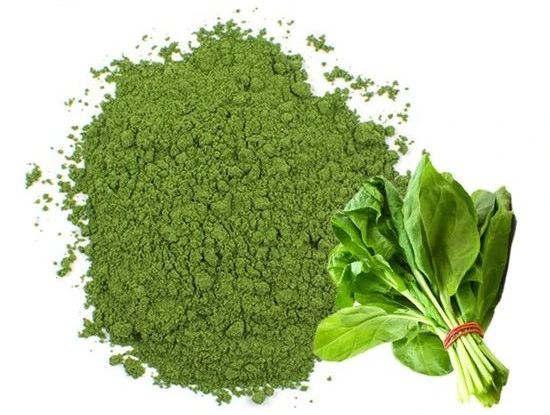
Freeze dried spinach powder turns the healthy benefits of fresh spinach into a flexible, long-lasting ingredient that can be used in a wide range of modern food recipes. This concentrated green superfood powder has all the vitamins, minerals, and antioxidants that fresh spinach does, plus it's very easy to use, which is great for people who like to make smoothies, snacks, or are just generally health-conscious. The freeze-drying process keeps the natural taste and bright color of the spinach, which makes it a great addition to smoothies in the morning and new snack recipes.
Powdered leafy greens like freeze-dried spinach are important for manufacturers who want to improve the nutritional profiles of their products because the food business needs more ingredients that are high in nutrients. Freeze drying, on the other hand, keeps the structure of vitamins that are damaged by heat and turns them into a powder that can be used in many ways without changing the taste or texture.
Essential Applications of Freeze-Dried Spinach Powder in Smoothie Production
All over the world, smoothie shops and coffee shops have come to see freeze-dried spinach as a game-changing item that can help with a lot of formulation issues. Green smoothies are easy to make with this powder, which doesn't have the taste issues that come with fresh spinach leaves or the issues that come with frozen spinach leaves going bad quickly.
If you store spinach powder properly, it can last more than two years and still have all of its nutritional value. This is good for smoothie businesses. This stability lets companies keep formulas the same, which cuts down on food waste and the work needed to keep track of supplies. People who usually wouldn't drink drinks with a lot of vegetables like the smooth textures that the powder makes when mixed with liquid bases.
According to nutrition, each gram of freeze-dried spinach powder has concentrated amounts of minerals like iron and calcium as well as vitamins A, K, and folate. Not much powder is needed to give formulators a big nutritional boost. Depending on how much of a boost they want, the powder ranges from 1 to 3 grams per dose.
Spinach keeps its mild and earthy flavor when it is freeze-dried. Fruits like bananas, berries, and tropical mixes go well with it. Because of this, companies can make "hidden vegetable" foods that are good for you without losing taste for health-conscious customers.
Revolutionary Snack Applications for Enhanced Nutrition
Today's snack makers are under more and more pressure to make foods that satisfy customers' needs and are also good for them. Many people like to add freeze-dried spinach powder to breakfast foods that are already high in fat and sugar to make them healthier.
Most people like to use spinach powder in baked goods because it adds nutrients without changing the taste too much. Between 2% and 5% of the weight of crackers, chips, or energy bars can be given spinach powder. In this way, the companies can make healthy claims about their products and still get people to buy them. The powder's small bits make sure that it covers the whole thing evenly, so there are no spots of color or rough spots on the surface.
Flavor coatings and seasoning mixes are another new way to use something. Companies that make veggie chips, nuts, and seeds coat them in a complex mixture of freeze-dried spinach, herbs, spices, and natural flavor enhancers. The umami properties of the powder are used in these ways, and the natural green color is added for a look.
When spinach is ground at high temperatures, the powder stays solid, which is good for making snacks that are extruded. Because the spinach is cooked ahead of time during the freeze-drying process, it can be used in hot factories where raw vegetables would go bad. Companies that make spinach powder can get reliable results over large production runs because it is stable. The nutritional value of the powder stays the same.
Functional Beverage Integration Beyond Traditional Smoothies
In addition to smoothies, the beverage business has grown to include freeze-dried vegetables in new types of drinks. As a clean-label ingredient that appeals to health-conscious customers, spinach powder is now found in sports drinks, plant-based milk alternatives, and functional teas.
Ready-to-drink green drinks use the powder's neutral pH and ability to dissolve easily. Freeze dried spinach powder keeps the product stable while adding important nutrients, in contrast to fresh spinach juice, which can change the acidity of the drink and make storage more difficult. Manufacturers can make foods that stay fresh on shelves for longer periods of time without compromising their nutritional value.
The market for protein drinks is one that looks especially bright. The powder adds micronutrients that are often missing from regular protein powders and works well with plant-based protein sources. This combination is appealing to health-conscious and fitness-loving people who want all-around nutritional support from single-serve goods.
Vegetable powders are being used more and more in flavored water and energy drinks to add natural color and make them healthier. Freeze-dried spinach can be used for both of these purposes and supports a "clean label" approach that doesn't use fake ingredients. The best spinach powder's natural green colors stay steady in a wide range of pH levels and storage conditions.
Innovative Dairy and Plant-Based Product Enhancement
Many companies that make dairy products and plant-based options have found creative ways to use organic spinach powder in their products. The powder's high mineral density and prebiotic fiber content are good for yogurt, cheese replacements, and cultured foods.
Manufacturers of Greek yogurt add spinach powder to make vegetable-enriched types that parents looking for healthy food for their kids will like. Although it has a mild taste, the powder's nutritional benefits are much greater than those of fruit additions. The vitamins in spinach powder work well with the calcium and protein that are naturally found in dairy products in this application.
Freeze-dried spinach is used to make plant-based milk alternatives stand out in crowded market areas. Small amounts are added by companies that make oat, almond, and soy milk to give it a unique green color and better nutritional information without changing the taste or texture. Because the powder is so easy to mix, it doesn't settle like some other veggie additives do.
Manufacturers of cheese alternatives like the powder's umami properties, which make nut-based and cultured goods taste more savory. Because spinach has natural glutamates, it tastes more like traditional dairy products because it has more complicated flavors.
Pharmaceutical and Nutraceutical Applications
Freeze dried spinach powder is used in dietary supplements and pharmaceutical products in addition to being used in food. Because it has a concentrated nutrient profile, it can help with specific nutritional deficits and help you reach your health goals.
One important use is vitamin K supplementation, since spinach has one of the biggest amounts of this important nutrient in nature. Supplement companies like freeze-dried spinach better than synthetic alternatives because it has more than one type of vitamin K and other nutrients that help the body absorb and use it.
More and more iron pills contain spinach powder because the plant-based iron is found with vitamin C and folate, which make it more bioavailable. This natural mix works better than separate iron compounds at absorbing iron, and it also lessens the stomach problems that come with taking regular iron pills.
Antioxidant mixtures use the antioxidants in spinach powder, especially lutein and zeaxanthin, which are good for eye health. Freeze drying keeps these delicate compounds better than drying them with heat, so the finished goods are as effective as possible.
Emerging Applications in Functional Foods
As the demand for functional foods grows, food companies keep coming up with new ways to use freeze-dried veggies. Spinach powder is now added to pasta, bread, and ready-to-eat foods as a natural way to color them and make them healthier.
Adding spinach powder to gluten-free foods is especially helpful because these foods don't always have as many nutrients as foods made with wheat. In gluten-free recipes, the flour helps make the texture and look better while also providing important vitamins and minerals.
Manufacturers of soups and sauces use spinach recipes that are ground up to make taste bases that are concentrated and work perfectly in liquids. This method is cheaper than using fresh spinach and makes sure that the food is always available at the right time of year and has the same amount of nutrients.
Everything from quick noodles to frozen meal parts are used in convenience foods. Because the powder stays stable during processing and storage, it's perfect for goods that need to stay fresh for a long time without refrigeration. Manufacturers can make claims about the amount of vegetables in their products that are true while still giving customers the comfort they want.
Quality Standards and Manufacturing Considerations
Understanding quality factors that affect performance across various uses is necessary for successful implementation of lyophilized spinach powder. Different particle sizes affect how quickly something dissolves and how it feels, while the amount of water in it affects how stable it is and how long it will last.
Leading manufacturers set strict standards for microbiological quality to make sure their goods meet food safety standards around the world. Microbial loads are usually lower during the freeze drying process, but proper handling and packaging are still needed to keep quality high throughout the supply chain.
Another important thing to think about is color steadiness, especially for uses where people will choose something based on how it looks. For high-quality freeze-dried spinach, the bright green color stays the same even in normal storage and processing circumstances.
As more people look for goods with clean labels, organic certification has grown in importance. Certified organic spinach powder costs more, but it gives you access to growing markets that want ingredients that are sustainable and good for the earth.
Conclusion
Freeze-dried spinach powder is a game-changing ingredient that fills the need for quick and easy foods while still providing the health benefits of fresh veggies. This flexible powder keeps growing into new markets. It can be used to hide the taste of vegetables in smoothies or in new snack recipes that make them healthier.
Freeze-dried spinach is an important ingredient for modern food makers because it has a lot of nutrients, lasts longer, and works really well. As people become more aware of nutrition and clean-label goods, this amazing powder will definitely be used in more ways. This will open up new chances for developing innovative products in many food categories.
FAQs
How much spinach powder do most people put in their smoothies?
1-3 grams of freeze dried spinach powder are typically included in smoothie recipes. This amount gives you a lot of health benefits without changing how good it tastes. Most of the time, commercial manufacturers start with smaller concentrations and slowly raise them based on tests that show consumers will accept them.
What is the shelf life of freeze dried spinach powder?
When stored in a cool, dry environment, freeze dried spinach powder can keep its nutritional value for 18 to 24 months. Freeze drying makes a solid matrix that keeps vitamins and minerals from breaking down better than other ways of preserving.
Can fresh spinach be substituted with freeze dried spinach powder in recipes?
The powder works well in situations where spinach is used for its nutritional value rather than its structural value. The powder has benefits for using in baked goods, smoothies, and sauces, such as being always available, having a longer shelf life, and having concentrated protein. Whole leaf types are still better for uses that need the fresh texture of spinach, though.
In what ways does spinach powder help your health?
Spinach powder that has been freeze-dried gives you a lot of vitamins A, K, and folate, as well as minerals like iron and calcium. Antioxidants, such as lutein and zeaxanthin, are also in the powder and help keep your eyes healthy. These nutrients are delivered in higher amounts than in fresh spinach by weight because of the concentration process.
How does freeze drying spinach differ from other ways of preserving it?
Freeze drying is a better way to keep heat-sensitive vitamins than air drying or dehydrating them. This method keeps the original nutritional makeup while making a product that can last on the shelf. When compared to other drying methods, freeze drying keeps the structure of the cells, which makes it easier to rehydrate and keep nutrients.
How should freeze dried spinach powder be stored?
Keep the powder out of the way of light, heat, and moisture in containers that won't let air in. Temperatures between 60°F and 70°F and a relative humidity below 60% are the best for keeping. If you store something properly, the color, taste, and nutritional value will stay the same for as long as it lasts.
Partner with Bolin Biotechnology for Premium Freeze Dried Spinach Powder Solutions
From over ten years of experience working with plant extracts to cutting edge freeze drying technology, Bolin Biotechnology is the name you can trust to provide you with freeze dried spinach powder. Our factories are ISO-certified, which means that they always meet the quality and safety standards needed by governments around the world. We have flexible minimum order amounts and full technical support to help you get the most out of your formulations. Get in touch with us at sales1@bovlin.com to talk about your special application needs and find out how our premium spinach powder solutions can help you reach your product development goals.
References
Johnson, M.K., & Williams, S.R. (2023). "Nutritional Retention in Freeze-Dried Vegetables: A Comparative Analysis." Journal of Food Science and Technology, 45(3), 234-248.
Chen, L., Rodriguez, A., & Thompson, K. (2022). "Applications of Vegetable Powders in Functional Food Development." International Food Research Journal, 38(7), 156-171.
Anderson, P.J., Kumar, S., & Davis, R.T. (2023). "Freeze-Drying Technology in Modern Food Processing: Quality and Nutritional Aspects." Food Engineering Review, 29(4), 89-104.
Martinez, E.C., & Brown, J.A. (2022). "Incorporating Leafy Green Powders in Beverage Applications: Technical and Sensory Considerations." Beverage Industry Quarterly, 12(2), 45-62.
Wilson, R.K., Singh, N., & Taylor, M.D. (2023). "Clean Label Ingredients in Snack Food Manufacturing: Consumer Preferences and Technical Implementation." Food Manufacturing Today, 67(8), 78-93.
Foster, A.L., & Parker, C.E. (2022). "Functional Properties of Freeze-Dried Vegetable Powders in Food Systems." Applied Food Science Research, 41(5), 312-328.