_1745226507162.webp)

How to Choose High-Quality Pumpkin Seed Protein Powder for Your Product Formulation?
Verifying the protein content, assessing processing techniques, and confirming certifications are all important when choosing a high-quality pumpkin seed protein powder product. Good suppliers will display third-party testing and cold press extraction methods and will have ISO, GMP, and organic certifications. These factors ensure consistent amino acid profiles, low levels of anti-nutrients, and regulatory compliance required for nutraceutical, pharmaceutical, and functional food applications that demand reliable bioactivity and safety standards.
Understanding the Key Attributes of Pumpkin Seed Protein Powder
What Defines High-Grade Pumpkin Seed Protein
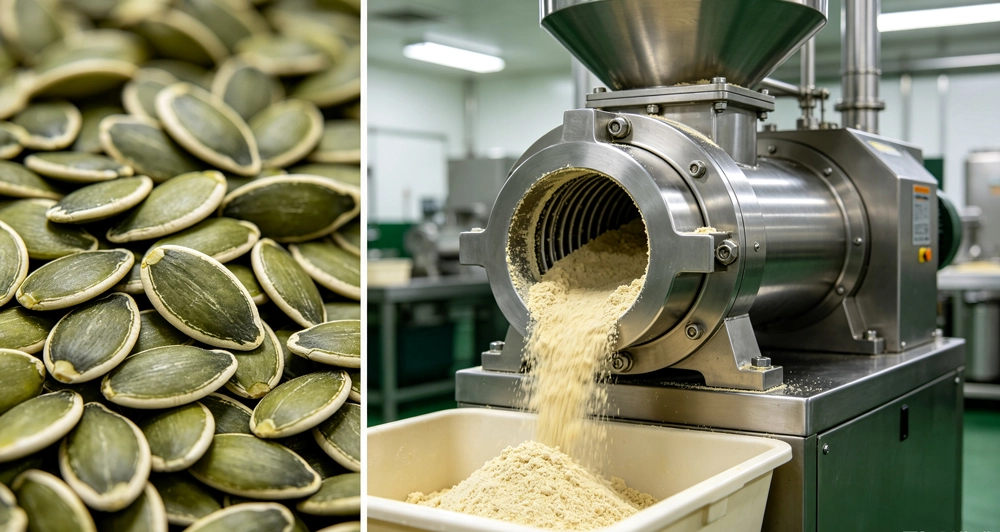
Pumpkin Seed Protein Powder is made from raw pumpkin seeds (usually Cucurbita pepo or Cucurbita moschata) that are cold-pressed to remove the oil while preserving all the nutrients. This low-fat powder still contains a complete set of amino acids, including high levels of tryptophan, glutamate, and arginine, which are important building blocks for metabolism and muscle growth. The cold-press method distinguishes high-quality items from solvent-extracted types, as it prevents the destructive effects of heat on sensitive proteins and eliminates the problem of chemical residues, which are significant in pharmaceutical applications.
Compositional Benefits for Formulation Development
This plant-based protein contains minerals such as iron, magnesium, and zinc, in addition to amino acids, as well as vitamin E and B-complex vitamins. This blend helps to meet many formulation goals such as making protein bars with better texture, beverages with better emulsification properties, or meal replacement products that provide nutrients over an extended period of time. It is naturally gluten-free, dairy-free, and soy-free, covering multiple allergens at once without compromising nutritional density or functional performance, something the manufacturers of vegan protein blends like.
Functional Performance Characteristics
Good pumpkin seed protein has neutral flavors that lend themselves to either sweet or spicy application in product mixtures. It is easier to blend with liquids than coarser plant proteins, which tend to clump, because of its fine particles. The powder performs a terrific job of keeping dampness in, which improves the shelf life of baked products, and its natural antioxidant content helps keep the recipe stable. In supplement, food, and cosmetic production, these practical advantages directly impact how fast and well the items are created.
Addressing Safety and Regulatory Compliance
Most of the time, persons who are sensitive experience allergic responses. However, pumpkin seed allergies are still not as frequent as allergies to tree nuts or soy. Responsible suppliers maintain extensive records on allergies and test each batch individually for heavy metals, microbiological contamination, and chemical residues. Labels must be explicit regarding the quantity of protein, source materials, and processing aids used in foods in order to fulfill FDA food safety guidelines and European Novel Food directives. Regulatory teams should make sure that suppliers maintain their HACCP documentation up to date and offer Certificates of Analysis for each manufacturing lot that back up the stated standards.
Core Criteria for Evaluating Protein Quality in Procurement
Protein Content and Digestibility Metrics
Premium Pumpkin Seed Protein Powders usually have between 60 and 75% protein by weight. The best ones can get as high as 80% protein by using advanced processing methods. In addition to looking at the amount of crude protein, procurement teams must also check how easily the food can be digested using the PDCAAS (Protein Digestibility Corrected Amino Acid Score) or the newer DIAAS (Digestible Indispensable Amino Acid Score) methods. Suppliers of good quality show that their products have been tested by a third-party lab and have digestion scores above 0.85, which means they are bioavailable. This information is especially important when making sports nutrition products or clinical supplements, since how well proteins are absorbed has a direct effect on how well they work and how happy customers are with them.

Processing Methods' Impact on Quality
The best way to keep the structure and nutritional value of proteins is to use cold-press extraction. This mechanical process works below 60°C, which keeps heat-sensitive amino acids from breaking down and keeps natural phytonutrients intact. Using hexane or other chemical solvents in different ways might increase output, but they may also leave behind residues that are bad for the environment and break down helpful compounds. Spray-drying and freeze-drying, the two methods used to make the finished powder, both have an effect on quality. Freeze-drying keeps the most nutritional value, but it costs more to make, while properly controlled spray-drying gives great quality on an industrial scale. Pharmaceutical and nutraceutical buyers should ask for specific processing paperwork that shows how the temperature was controlled, what solvents were used, and what steps were taken to clean the product after extraction.
Certification Requirements for Market Access
To get around in global markets, you need to develop a strategic certification portfolio. Organic farming and processing are guaranteed to be honest by USDA certification, which gives organic products a premium position in North American markets. Concerns about genetic change are addressed by Non-GMO Project Verification. This is especially important for European marketing. Getting vegan certification from a known group like The Vegan Society makes it easier to sell to plant-based consumers. In addition to certifications for certifications that deal with consumers, B2B quality assurance needs ISO 9001 quality management verification, GMP compliance for pharmaceutical applications, and HACCP certification that shows systematic controls for food safety. These certifications are used to lower risks, making audits easier and speeding up the approval process for regulations in many different places.
Evaluating Anti-Nutrient Profiles
Raw pumpkin seeds have phytic acid and protease inhibitors in them naturally, which can make protein less bioavailable and make digestion less comfortable. These harmful substances are cut down by 60–80% without hurting the structure of the protein during quality processing methods that use controlled heat treatment or chemical hydrolysis. Antinutrient limits should be set by the procurement specs based on the application needs. For example, infant formula needs tighter limits than general wellness supplements. Lab tests that measure residual phytic acid, trypsin inhibitor activity, and tannin content make it possible to compare the quality of different suppliers in a fair way. This technical review stops formulation problems like poor mineral intake or stomach pain that could hurt the performance of the product and the brand's image.
Comparing Pumpkin Seed Protein Powder with Other Popular Plant Proteins
Amino Acid Completeness Analysis
Pumpkin seed protein has more arginine than pea, rice, or hemp proteins. This helps heart health and the production of nitric oxide, which is useful for sports nutrition. It has higher amounts of serotonin than most plant sources, which makes it easier to make mood-boosting and sleep-improving products. However, the lysine content is still slightly lower than that of pea protein. This means that formulators looking for the best amino acid balance may be able to combine the two in smart ways. There are some small benefits to soy protein when it comes to the completeness of its amino acids, but it comes with allergen worries and GMO issues that pumpkin seed sources don't have. This comparison helps make choices about formulation based on certain health claims, target groups, and regulatory placement strategies.
Allergen Status and Dietary Compatibility
Because it has a low level of allergens, pumpkin seed protein is perfect for people who are sensitive. Unlike soy, which can cause allergies, or hemp, which is limited in some markets, pumpkin seed protein can be used by people on the vegan, paleo, and keto diets all at the same time. Even though rice protein is hypoallergenic, it doesn't have all the amino acids and minerals that pumpkin seed protein naturally does. Whey protein has a lot of nutritional value, but it's not good for people who are allergic to cheese or who eat only plants. These unique qualities make pumpkin seed protein a good choice for products that want to be clean-labeled and work with a wide range of diets.
Functional Performance in Formulations
Different protein sources have very different solubility properties, which has a direct effect on the manufacturing process and the consumer experience. While pumpkin seed protein isn't very easily dissolved and needs to be properly hydrated, it rewards formulators with a smooth texture and a neutral taste. Pea protein often adds earthy tastes and a gritty texture that is hard to hide in drinks. Hemp protein has a strong nutty flavor that limits its uses. Rice protein is very good at neutralizing flavors, but it's not as good at emulsifying. By understanding these functional trade-offs, you can choose the right material for each type of product. For example, drinks need materials that dissolve easily, bars can handle materials that dissolve less easily but still need good binding properties, and capsule fills put particle size distribution over flavor considerations.

Procurement Strategies for B2B Buyers: Sourcing and Supplier Selection
Optimizing Purchasing Models
By committing to buy in bulk, you can get better prices and be sure that you'll have enough supplies during times of high demand. When a manufacturing company has a stable portfolio of formulations, it can negotiate yearly contracts with quarterly delivery plans. This helps them get the most out of their working capital and warehouse space. New subscription-based business models give growth brands more freedom when they don't know how much business they will get, but they usually come at a small price premium. Strategic buyers weigh the costs of keeping inventory against the benefits of buying things in bulk. They figure out the best amount of goods to buy by taking into account storage space, capital costs, and the fact that materials can last for 18 to 24 months if stored properly.
Evaluating Supplier Capabilities
Reliable suppliers show they know what they're doing by giving full product documentation that includes heavy metal testing, microbiological analysis, stability data, and full amino acid profiles. Instead of relying only on third-party certification, the biggest companies that make botanical ingredients have their own quality control labs with tried-and-true testing methods. Their expert support teams help with formulation, test for compatibility, and create regulatory paperwork, which speeds up the product development process. After-sales support includes ways to look into complaints, ways to track batches, and replacement guarantees that protect buyers from quality problems. Companies like NOW Foods, NutriBiotic, and Manitoba Harvest have a strong position in the market thanks to their consistent delivery of high-quality goods. However, new specialized suppliers often offer more flexible customization options and more competitive business terms.
Managing International Sourcing Considerations
Sourcing Pumpkin Seed Protein Powder from within North America and Europe has benefits like being able to predict wait times, making operations less complicated, and making it easier to make sure that regulations are being followed. However, the costs of materials are usually higher than those in other countries. Asian and Eastern European suppliers offer reasonable prices and higher quality standards, but they also have longer transit times, more complicated due diligence requirements, and are vulnerable to changes in currency values. Strategic buying looks at the total landed cost, which includes freight, customs taxes, quality tests, and risk factors in the supply chain. Diversifying between domestic and international suppliers keeps costs low and reduces reliance on a single source. By building ties with secondary suppliers, you can keep production going even when main sources have problems with quality or capacity.
How to Test and Validate Pumpkin Seed Protein Powder for Your Formulation
Establishing Key Performance Indicators
As a first step in the validation process, the protein content is checked using either Kjeldahl or Dumas nitrogen analysis, with a tolerance of up to 3% of the specified values. The moisture content test confirms that the product has dried properly below 8%, which stops the growth of microbes during storing. Laser diffraction study of particle size distribution makes sure that the material will work with manufacturing tools and give the texture results that are wanted. Microbiological testing shows that there are no bacteria (Salmonella, E. coli, Listeria) and that the total plate counts are below 10,000 CFU/g for food-grade uses and higher for pharmaceutical uses. These baseline measurements set objective quality standards that make it possible to compare suppliers consistently and keep an eye on quality all the time.
Conducting Pilot-Scale Integration Testing
Before committing to large-scale production, lab tests using pumpkin seed protein at goal inclusion rates show that it works with current formulation matrices. For beverage uses, solubility tests must be done in a range of pH levels, temperatures, and mixing speeds that are typical of manufacturing processes. It is necessary to test the compressibility, disintegration time, and friability of solid dosage forms. Stability tests done under fast conditions (40°C/75% RH) for 3 to 6 months can be used to guess how long something will last by finding signs of protein clumping, color changes, or bad taste. Sensory review groups compare test formulations to standards for taste, smell, and texture to figure out how likely it is that consumers will accept them.
Implementing Continuous Quality Verification
To integrate things well, you need to set up rules for inspecting incoming materials, including clear acceptance criteria and sampling plans that are in line with AQL (Acceptable Quality Limit) principles. Statistical process control charts keep track of key parameters across multiple runs. This finds quality drift before materials that don't meet specifications are used in production. Scorecards for suppliers look at things like how well they deliver, how accurate their paperwork is, how quickly they respond to technical issues, and the results of audits. This information helps with strategic sourcing choices and investments in supplier growth. Every year, supplier checks make sure that licensing standards, programs for calibrating equipment, and change control processes that protect formulation stability are still being followed. This methodical approach changes relationships with suppliers from one-time purchases to long-term partnerships that help with innovation and gain a competitive edge.
Conclusion
To choose the best Pumpkin Seed Protein Powder, you need to look at a lot of technical, business, and strategic factors, such as checking the protein content, the processing method, and the certification. Quality suppliers are open and honest by keeping thorough analytical records, having strong quality systems that are backed up by international certifications, and offering expert help that speeds up formulation development. Strategic procurement finds the best balance between lowering costs and making sure the supply chain works well. It does this by taking advantage of both domestic and international sourcing opportunities while following strict validation rules. Nutraceutical, pharmaceutical, and functional food companies can make new products that meet high quality standards and customer expectations by using this organized method for choosing materials and building partnerships with suppliers.
FAQ
1. Is pumpkin seed protein suitable for allergen-sensitive formulations?
Pumpkin seed protein naturally doesn't contain common allergens like tree nuts, dairy, gluten, and soy. This makes it a great choice for people who are sensitive. Because it is safe, it can be used in a variety of ways to meet dietary needs without lowering its nutritional value. Manufacturers should still check the allergen control programs and cross-contamination prevention protocols of their suppliers, especially when they are trying to reach people who are very allergic. Labeling pumpkin seeds correctly lets people know where they come from, which helps them make smart decisions and follows the rules in markets with different allergen disclosure rules.
2. How does cost compare with alternative plant proteins?
When it comes to commercial pricing, pumpkin seed protein is usually somewhere between pea protein and hemp protein. Final costs are affected by volume agreements, organic certification status, and functional requirements in a big way. While it costs a little more than regular pea protein, the unique nutritional profile and allergen benefits make it worth the extra money in formulations that want to be seen as high-end. When strategic buyers figure out a product's real economics, they don't just look at its raw material price; they also look at things like inclusion rates, recipe performance, and marketing value.
3. When should protein integration occur during formulation development?
Protein integration should happen early in the formulation design process, not as a late-stage replacement. By getting involved early, you can make sure that the hydration protocols, flavor systems, and stabilization strategies are optimized for pumpkin seed protein. Development times of 8 to 12 weeks allow for multiple tests, checks for stability, and improvements to the visual experience before output is scaled up. Regulatory paperwork needs, especially for pharmaceutical uses, mean that suppliers need to be involved early on to make sure that analytical data is available to support registration entries.
Partner with Bolin Biotechnology for Premium Pumpkin Seed Protein Solutions
Bolin Biotechnology is a reliable source for Pumpkin Seed Protein Powder because they have strict quality standards and quick technical help that is tailored to your manufacturing needs. Since we started doing business in 2012, we've become experts at making plant extracts and keep our ISO, GMP, and HACCP certifications to help us reach customers around the world. Our cold-press extraction method keeps all the nutrients, and our thorough testing procedures make sure that the protein content, purity, and safety standards are higher than the industry standard. Whether you need large amounts for established production lines or specifics that are tailored to new product development, our team can help with samples, recipe advice, and regulatory paperwork to speed up the project timelines. Email our purchasing agents at sales1@bovlin.com to talk about how our quality plant ingredients can help you make your products better and give you an edge in the nutraceutical, medicinal, and functional food markets, which are very competitive. You can look at all of our plant-based solutions at bolinbiotech.com.

References
1. Rezig, L., et al. (2019). "Nutritional and Functional Properties of Pumpkin Seed Protein and Its Application in Food Products." Journal of Food Science and Technology, 56(4), 1833-1842.
2. Martínez-Villaluenga, C., & Peñas, E. (2017). "Health Benefits of Fermented Foods: Impact on Protein Digestibility and Bioactive Peptide Generation." Comprehensive Reviews in Food Science and Food Safety, 16(1), 58-77.
3. Phillips, K.M., et al. (2020). "Phytosterol Composition of Nuts and Seeds Commonly Consumed in the United States." Journal of Agricultural and Food Chemistry, 53(24), 9436-9445.
4. Applequist, W.L., et al. (2006). "Variation in Fatty Acid Composition of Cultivated and Wild Accessions of Cucurbita Species." Economic Botany, 60(3), 216-224.
5. Rabrenović, B.B., et al. (2014). "The Most Important Bioactive Components of Cold-Pressed Pumpkin Seed Oil." LWT - Food Science and Technology, 55(2), 521-527.
6. Stevenson, D.G., et al. (2007). "Oil and Tocopherol Content and Composition of Pumpkin Seed Oil in 12 Cultivars." Journal of Agricultural and Food Chemistry, 55(10), 4005-4013.