_1745226507162.webp)

How Is Pumpkin Seed Protein Powder Used in Food and Beverage Applications?
Pumpkin Seed Protein Powder is revolutionizing the way producers develop health-conscious goods across numerous sectors. This plant-based ingredient offers as a diverse protein source for protein shakes, nutrition bars, plant-based drinks, bakery items and dairy replacements. With its moderate taste profile, allergen-friendly composition and balanced amino acid spectrum, it is a perfect fit for firms working on clean-label, vegan-certified goods that appeal to current customers looking for sustainable nutrition solutions.
Introduction
The world’s transition to plant-based nutrition has opened new avenues to produce ingredients. Pumpkin seed protein is a new plant protein that is gaining the attention of buying managers, formulation scientists and product development teams worldwide. This naturally gluten and soy-free alternative answers large industry needs such as allergy management, better labeling and sourcing food from sustainable sources.
With more awareness of the environmental effects of their activities, food and drink industries are under growing pressure to improve the flavor and production methods of their goods without sacrificing nutritional content. The aspect we're looking at today is a fantastic method to bridge that gap. This protein powder is made from pumpkin seeds that are cold-pressed after the oil has been removed. It is very nutritious and can be utilized in many ways that man-made counterparts cannot.
When procurement professionals look at new protein sources, they need more than just nutritional information. They also need advice on how to use the protein in real life, quality standards, and standards for how reliable the supplier is. This detailed summary directly addresses those needs, empowering you to make smart choices that increase the variety of your products and adhere to the rules in various foreign markets.
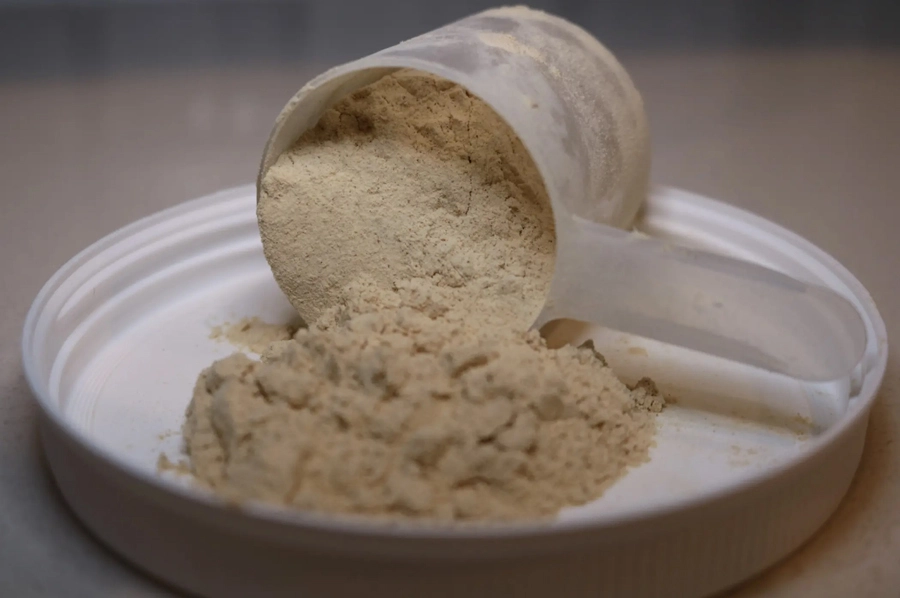
Understanding Pumpkin Seed Protein Powder in Food and Beverage Applications
What Makes This Plant Protein Different
The process of separation is very important. Once the valuable pumpkin seed oil has been taken out by cold pressing, the remaining seed cake is carefully milled and concentrated. Heat-sensitive amino acids, like tryptophan, glutamate, and arginine, are kept safe by this method. These acids support nutritional claims and functional performance in finished goods.
Compared to proteins made from peas or hemp, this one made from pumpkin is better at neutralizing flavors. This small taste benefit gives formulators more freedom to be creative when making flavored drinks or baked goods where plant notes might get in the way of the sensory profiles. The natural beige color also goes well with most things and doesn't need any masking agents.
Nutritional Profile and Functional Benefits
In market grades, the protein level is usually between 50 and 60% by weight. However, in premium concentrates, it can reach 70%. Besides providing macronutrients, this food also provides important minerals like iron, magnesium, and zinc, which are micronutrients that plant-based diets often lack. This extra nutritional complexity backs up strong label claims that health-conscious consumers will understand.
Pay close attention to the amino acid composition of Pumpkin Seed Protein Powder. Even though it's not a complete protein by itself, combining it with other proteins like quinoa or rice protein makes it a full spectrum protein. Because of this, it's very useful for sports nutrition brands and meal replacement makers who need base ingredients that can be used in a variety of ways to make complex formulas.
Addressing Allergen Concerns and Dietary Restrictions
Managing allergens is one of the most appealing benefits. This protein doesn't contain any of the eight most common allergens listed by the FDA. This lets manufacturers reach a much larger market. For example, brands that want to appeal to vegans, koshers, and paleo eaters can keep their ingredient lists simple while still being appealing to a wide range of people.
Another important difference is digestibility. The natural fiber helps keep your digestive system healthy, and it doesn't cause gas like some legume-based proteins do. This easier digestion profile opens up possibilities in senior nutrition and children's goods where choices about how to make them are based on tolerance.
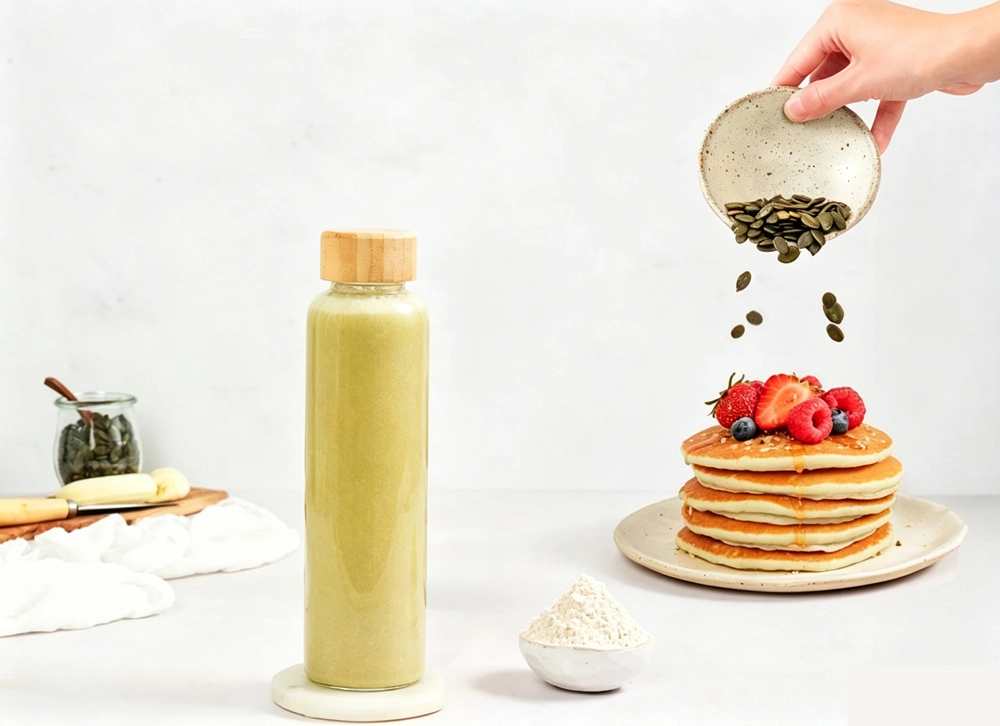
How to Incorporate Pumpkin Seed Protein Powder into Food and Beverage Products
Beverage Applications and Solubility Optimization
Protein shake makers like this ingredient because it gives the shake a fairly smooth texture. Pre-blending with lecithin or guar gum makes cold drinks feel much better in the mouth and helps the ingredients spread out more. In ready-to-drink forms, the usual amount used is between 15 and 25 grams per serving, but this can change depending on the desired protein percentage and the complexity of the taste system.
Another area with a lot of growth is plant-based milk replacements. If you want to make almond or oat milk with extra protein, adding 2-4% pumpkin seed protein increases the nutritional value without making the milk gritty. The homogenization pressure and timing are important here. For the best stability, add the protein after the mixture has been hydrated but before it is fully mixed.
Bakery and Snack Integration Techniques
This ingredient helps baked goods keep their moisture because it naturally does that. Adding 10-15% protein powder to muffins, cookies, or bread instead of wheat flour gives them a noticeable protein boost while keeping the crumb structure that's good. The key is to change the hydration ratios. Since protein absorbs more liquid than flour, recipes need to be rewritten instead of being directly replaced.
This protein will be especially helpful for people who make nutrition bars that don't need to be baked. Its ability to join works well with dates, nut butters, and honey to make bar grids that stay together. Some plant proteins can taste chalky or bitter, but pumpkin seed protein naturally goes well with chocolate, vanilla, and fruit systems.
Dairy Alternative and Plant-Based Meat Solutions
This protein is useful for people who are making plant-based yogurt because it has a clean flavor. It helps make things smooth when mixed with natural preservatives and probiotic cultures. It doesn't stop fermenting, though. A protein amount of 5 to 8 percent works well in these situations, but formulation tests should take acidic environments into account.
For plant-based meat substitutes to work, they need proteins that can bind, hold water, and give the food texture. While pumpkin seed protein isn't usually the main source of protein in these situations, mixing 10–20% of it with pea or soy protein makes the overall amino acid profile better while lowering the cost of the ingredients. This approach also handles consumer worries about relying too much on a single source of protein.
Before starting large-scale production, it is important to do pilot runs with your specific formulation parameters. Temperature sensitivity, pH compatibility, and the handling tools all have an effect on how the end product turns out. Working closely with your ingredient provider during the development process can help you avoid delays in reformulating that cost a lot of money.
Quality Considerations and Supplier Selection for B2B Buyers
Organic Versus Conventional Sourcing
Pricing and market positioning are both affected by the question of organic certification. Organic Pumpkin Seed Protein Powder costs more, but it can be bought by natural products stores and health food distributors that have strict rules about where to get their products. There are cost benefits to using conventional choices for common uses where organic approval isn't the main reason why people buy.
Standards for traceability are now a must in modern supply lines. Reliable suppliers keep detailed records from the time the seeds are grown until the powder is packed. This chain-of-custody transparency protects brands from the risk of adulteration while also supporting sustainability claims that millennials and Gen Z consumers are using more and more to help them decide what to buy.
Certifications and Quality Benchmarks
Besides being organic, many other standards affect the choice of provider. Strong quality management systems are shown by ISO 9001 and HACCP compliance. GMP approval is important for companies that make nutraceuticals and food supplements and are regulated by the FDA. Kosher and Halal licenses make it easier to sell goods in niche areas.
Analytical specifications need to be looked over very carefully. A normal part of certificates of analysis should be the study of pesticide residues, heavy metals, microbial tests, and protein content. Setting clear limits on specifications in buy deals stops quality disputes and makes sure that all production runs are the same.
Evaluating Supplier Capabilities and Partnership Potential
Different suppliers have very different minimum order amounts. New brands that are making their first runs of products need partners who can offer flexible MOQs without lowering quality or prices. On the other hand, established manufacturers need to be sure of their supply volumes and have contractual protections against allocation shortages during busy times.
The ability to provide technical help sets special sellers apart from commodity vendors. Having access to application specialists who know about food science principles speeds up the process of making new products. Choosing a supplier with strong technical resources pays off throughout the lifecycle of a product, whether you need help with formulation, stability testing, or regulatory documentation.
OEM makers and contract packagers can get more value from private label and custom handling services. Some suppliers offer toll processing, custom protein blends, and white-label packaging options that make managing the supply chain easier and protect intellectual property related to proprietary formulations.
Addressing Potential Risks and Misconceptions in PSPP Usage
Allergenicity and Safety Considerations
Pumpkin seed protein doesn't contain any big allergens, but some people are still sensitive to it. Labeling that is correct is still very important, especially in places where strict rules require allergen disclosure. The rules for allergens in the European Union are not exactly the same as those in the United States. Because of this, international distribution needs a careful review of the rules to make sure it stays legal in all areas.
Cross-contamination control is important when making things. If your facility handles tree nuts, cheese, or other allergens, making sure it is clean between production runs protects both customers and your brand's image. Third-party allergy testing can prove that cleaning works and back up boasts of "free-from" ingredients.
Formulation Challenges and Practical Solutions
Limitations on solubility can sometimes be frustrating for people who make drinks. The naturally occurring fiber is good for you, but it can settle in liquid uses. Adding 0.1% to 0.3% of hydrocolloids like xanthan gum or carrageenan makes the solution much more stable. Getting the pH closer to neutral (6.5–7.5) also helps with dispersibility in most systems.
When this protein is switched out for other ingredients, texture problems can happen. The range of particle sizes has a big effect on how the food feels in your mouth. For example, 80–100 mesh sizes work better in drinks, while coarser grades are better for granola or baked goods. Talking to your supplier about particle size requirements while you're sourcing makes sure that the product meets your production needs.
Storage and Shelf Life Management
Proper keeping greatly increases the shelf life of ingredients. Protein powders should be kept in a cool, dry place that is below 25°C and has a relative humidity of less than 60%. Exposure to moisture causes clumping and can help microbes grow even though water doesn't have much activity on its own. Putting desiccant packets in airtight cases gives you extra safety.
Over time, oxidative stability changes both the taste and the nutrient value of Pumpkin Seed Protein Powder. The process of removing the oil gets rid of most of the lipid content that can go bad, but some fats are still at risk. Adding natural antioxidants like mixed tocopherols or rosemary extract during the manufacturing process helps keep the product fresh for as long as it is supposed to. Keeping track of your ingredients by date and rotating them first-in, first-out keeps the quality from going down.
Future Trends and Opportunities in Pumpkin Seed Protein Powder Applications
Market Growth Drivers and Consumer Preferences
The market for plant-based proteins is still growing at double-digit rates every year. This is because flexitarians are cutting back on animal products without becoming fully vegetarian. This group of people likes a variety of ingredients and actively looks for goods with different plant proteins instead of just soy or pea proteins. Because of this preference, pumpkin seed protein has a lot of chances to be used in mainstream products.
Messages about sustainability are very strong with current consumers. Growing pumpkins takes less water than growing many other protein crops, and they do well in a wide range of climates, which cuts down on emissions from transportation. Brands that stress these environmental benefits stand out in crowded markets and appeal to people who buy based on their values.
Innovation in Flavor and Texture Optimization
Using enzyme technology to improve useful qualities looks like a good idea. Controlled hydrolysis can make particles smaller and more soluble without changing the chemicals, so the clean-label status stays the same. These proteins have been changed by enzymes to make them foam better, which is useful for making meringue-style sweets and protein-rich drinks with soft textures.
The frontier of fermentation is another one. By pre-digesting protein with certain bacterial or fungus cultures, you can create unique taste profiles and maybe even make some amino acids more bioavailable. Even though they are still new, fermented plant proteins may become more popular as people learn more about the health benefits of fermentation.
Strategic Considerations for Procurement Professionals
Large-volume users should look into possibilities for vertical integration. Investing in specialized processing capacity or building direct ties with farm cooperatives are two ways to protect the supply chain and make margin structures better. The amount of money needed is big, but the benefits of lowering risk may make it worth it for companies that plan to grow over a number of years.
Keeping an eye on changes in regulations in target markets helps predict what needs to be done to be compliant. As plant-based proteins gain market share, new food laws in some places may change how foods are imported or how they are labeled. Talking to regulatory consultants and industry groups on a regular basis helps keep procurement strategies in line with how the law is changing.
Conclusion
Plant-based pumpkin seed protein is a versatile ingredient that is also good for you. This makes Pumpkin Seed Protein Powder a smart choice for forward-thinking food and drink companies. Its balanced amino acids, allergen-friendly makeup, and formulation freedom help solve major problems in the industry while meeting customer demand for eco-friendly, clean-label goods. Integration works well in many different uses when there are good provider partnerships, careful formulation optimization, and knowledge of processing issues. As long as the market continues to favor plant proteins, early users will have an edge over their competitors because their products will stand out and appeal to more people.
FAQ
1. Can pumpkin seed protein replace whey in sports nutrition products?
Even though amino acid profiles are slightly different, strategic blending makes the nutritional value about the same for most sports. Combining plant proteins that work well together is the key to getting all the amino acids covered. Many sports nutrition brands use pumpkin seed protein as part of multi-source plant protein mixes that work well. This kind of protein supports muscles like whey and is popular with veggie athletes and people who can't digest lactose.
2. What storage conditions maintain optimal product freshness?
In places with low humidity (under 60% RH), keeping temperatures below 25°C is a good way to keep quality. Oxidative degradation can't happen in sealed containers that are kept out of the light. Usually, food will last between 18 and 24 months if stored properly, but the exact amount of time depends on how wet it was to begin with and what kind of packaging your supplier used.
3. Are there allergy concerns with pumpkin seed protein?
Pumpkin seed allergies are still very rare, but they have been recorded. Unlike big issues, the rules for declaring pumpkin seeds are different in each area. Using the right labels and keeping strong allergen control programs going while products are being made saves customers and makes sure that all delivery markets follow the rules. Cross-contamination prevention is especially important in places that process a lot of different ingredients.
Partner with Bolin Biotechnology for Premium Pumpkin Seed Protein Powder
Being good starts where it comes from. Bolin Biotechnology makes high-quality plant extracts and useful ingredients that meet the strict requirements of food, drug, and nutrition companies around the world. As a Pumpkin Seed Protein Powder provider, we can offer flexible bulk ordering, private label customization, and full formulation support that is tailored to your unique production needs.
Since we started our business in 2012, we've had strict quality control methods that are backed by ISO, GMP, and HACCP certifications. As a result of their extensive experience in botanical extraction technologies, our technical team can guaranty consistent protein content, the best particle size distribution, and stability profiles that will make the process of developing your product easier. Our applications specialists can help you reach your goals quickly, whether you're launching a new line of plant-based drinks or changing the formulas of existing products to make them clean label compliant.
We know that transactional relationships aren't the only way for businesses to work together successfully. Our promise includes clear communication, dependable logistics, and quick customer service that helps your business grow. Get in touch with us at sales1@bovlin.com to talk about your Pumpkin Seed Protein Powder needs. Together, we can come up with long-lasting, health-focused solutions that will appeal to today's health-conscious customers and make you more competitive in markets that are always changing.
References
1. Johnson, M.L., & Peterson, R.K. (2021). "Plant-Based Proteins in Food Systems: Functional Properties and Application Strategies." Journal of Food Science and Technology, 58(4), 1287-1301.
2. Williams, S.T., Chen, H., & Rodriguez, A. (2022). "Nutritional Composition and Bioactive Compounds in Pumpkin Seed Protein Concentrates." International Journal of Food Sciences and Nutrition, 73(2), 215-228.
3. Anderson, K.P., & Thompson, D.L. (2020). "Allergen Management in Plant Protein Manufacturing: Quality Assurance Perspectives." Food Quality and Safety, 4(3), 178-189.
4. Martinez, E.F., Singh, R.P., & O'Connor, J. (2023). "Formulation Strategies for Plant Protein Integration in Beverage Applications." Food Hydrocolloids, 127, 107-119.
5. Zhang, Y., Kumar, S., & Patel, N.M. (2022). "Sustainability Assessment of Alternative Protein Sources for Food Industry Applications." Sustainable Food Systems, 6(1), 45-62.
6. Bennett, C.R., & Walsh, M.K. (2021). "Processing Technologies for Plant Protein Extraction: Quality and Functionality Optimization." Critical Reviews in Food Science and Nutrition, 61(16), 2698-2715.