_1745226507162.webp)

Lion's Mane Extract Vs Reishi Mushroom Extract: Which Is Better?
When choosing between Lion's Mane extract and Reishi mushroom extract for your product recipes, the answer depends on what you want to use the product for and the biological profile you want it to have. Both extracts have their own benefits. Lion's Mane is great for improving memory because it contains special chemicals called hericenones and erinacines. On the other hand, ganoderma lucidum extract powder is the best for supporting the immune system because it contains normal triterpenoids and beta-glucans. Instead of seeing this as a competition, people who work in sourcing should see these extracts as complementary ingredients that can be used in a variety of treatment areas and target markets.
Viedo source: https://www.youtube.com/watch?v=sRzftivqI50
Understanding Lion's Mane and Reishi Mushroom Extracts
The main difference between these mushroom extracts for medical use is where they come from botanically, what beneficial chemicals they contain, and how they were extracted. By knowing these technical factors, you can make smart choices about what to buy that are in line with formulation needs and legal compliance standards.
Botanical Origins and Extraction Methods
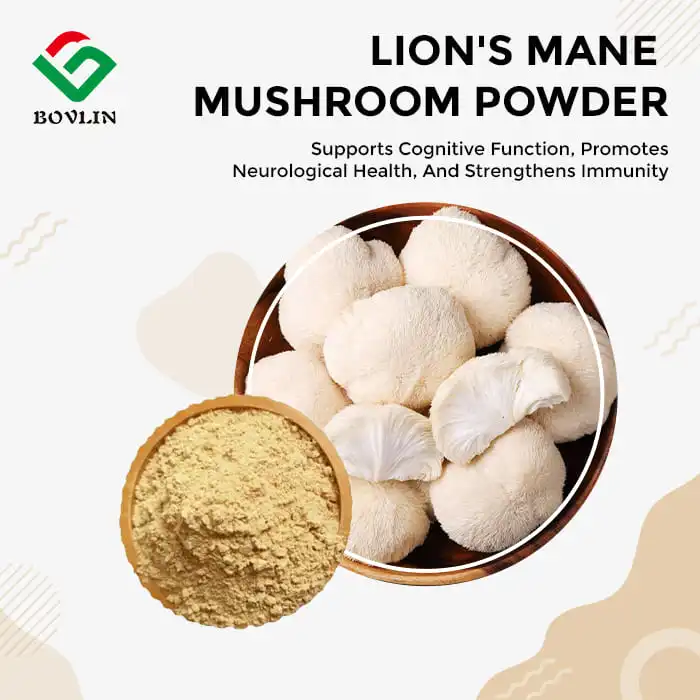
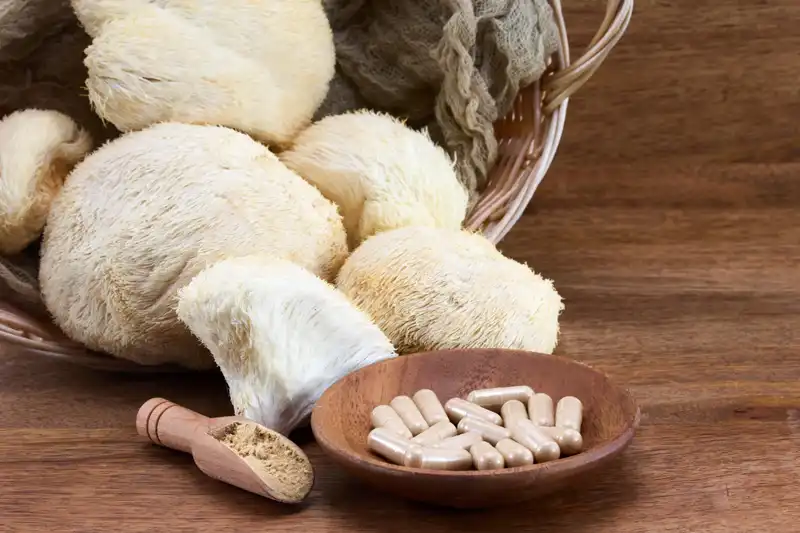
Lion's Mane (Hericium erinaceus) has white spines that fall down and look like its namesake. These spines contain special chemicals that aren't found in any other mushroom species. These days, extraction methods combine hot water and ethanol to get both medicinal chemicals that dissolve in alcohol and polysaccharides that dissolve in water. This method makes the most of the hericenones and erinacines that are found in mushrooms and are what give them their antioxidant qualities.
The two-step process for extracting reishi mushrooms is similar, but the focus is on getting the most out of the triterpenes while also protecting the beta-glucans. The process turns the raw Ganoderma lucidum into a compressed powder that meets certain standards for testing. High-quality ganoderma lucidum extract powder usually has 10–50% polysaccharides and 1–15 % triterpenoids. This is tested using approved HPLC methods that make sure stability from batch to batch.
Primary Bioactive Compounds and Quality Markers
The bioactive properties of Lion's Mane are based on its special compounds, hericenones A-H and erinacines A-K. These compounds can get into the brain from the blood and help make nerve growth factors. Because these chemicals aren't found in other types of mushrooms, Lion's Mane extract is the only one that can be used in recipes for brain health. Polysaccharide content is usually between 15% and 30%, and beta-glucan amounts are used to show secondary quality.
Ganoderic acids, lucidenic acids, and other triterpenoid compounds give reishi extract powder its medicinal worth. These compounds also give it a bitter taste and help the defense system. The Megazyme method, not general UV testing, is used to measure beta-glucan content, which is often higher than 20% in top types. With these uniform factors, formulators can figure out exact doses and guess how bioactive different types of products will be.

Health Benefits and Functional Properties Comparison
Because these mushroom extracts work on different physiological processes, it's not as important to directly compare them as to understand their unique roles in product creation when using extract powder. Each product is made for a specific group of people and has study to back up its health claims.
Cognitive Enhancement vs Immune Support
Lion's Mane extract is known for protecting neurons, and studies have shown that it can help older people with mild memory decline think and remember things better. Because the extract can increase the production of nerve growth factor, it is useful for making nootropics, brain health supplements, and goods that fight cognitive loss that comes with getting older. According to research, the best daily doses for cognitive benefits are between 500 and 1000 mg. The results will be noticeable after 4 to 8 weeks of constant use.
Through its wide range of beneficial chemicals, reishi mushroom extract aims to change the immune system. It has been shown in clinical tests to boost immune cell activity while lowering inflammatory markers. This means it can be used in immune support formulations and health goods for stress. The adaptogenic benefits of the extract also help with sleep and general health, so it can be used for more than just immune supplements.
Formulation Considerations and Delivery Methods
When choosing between these extracts, product makers need to look at how well they dissolve, how they taste, and how stable they are. Most of the time, Lion's Mane extract tastes better. It has a mild, slightly sweet flavor that works well in useful foods and drinks. It can be used for quick drink mixes and ready-to-drink formulas because its water-soluble chemicals stay stable under normal processing conditions.
Because it is naturally bitter from the triterpenoid content, ganoderma lucidum extract powder makes it hard to make other things. This quality actually serves as a sign of quality, since real Reishi extract should have a strong bitter taste. For consumer goods, encapsulation or flavor hiding is needed, while bitterness goes well with coffee and tea because it improves the total taste profile.
Comparing Product Forms and Quality Factors
The right product types are chosen based on how easy they are to make, what the target market wants, and how much they cost. Each format has its own benefits that make it better for certain types of applications and delivery platforms.
Manufacturing Suitability and Processing Requirements
Powder types are the most common way to buy things from businesses because they can be used in many ways and are cheap to make on a large scale. You can get both Lion's Mane and Reishi extracts as fine powders with mesh sizes between 80 and 120. This makes sure that they flow easily through automatic capsule filling and pill compression equipment. The bulk density ranges from 0.45 to 0.65 g/ml, which affects how well things are packed and how much it costs to ship them internationally.
The moisture level must be specified in the quality standards. Usually, this should be kept below 5% to avoid caking and increase shelf life. Microbiological factors demand tight adherence to pharmaceutical-grade standards. This is especially important because mushrooms naturally get contaminated. Mushrooms can bio-accumulate environmental toxins, which makes heavy metal testing very important. Supplier approval and testing procedures are important parts of quality assurance programs.
Certification Standards and Regulatory Compliance
For pharmaceutical and nutritional uses of ganoderma lucidum mushroom extract, GMP certification is the minimum standard. Organic certification, on the other hand, opens up higher-end markets with bigger profit margins. ISO standards give foreign markets more respect, especially in European Union countries that have strict rules about botanical extracts. Traceability paperwork must keep track of raw materials from the time they are grown until they are finished being processed. This lets quality problems be fixed quickly if they happen.
Validated tests for active chemicals, contaminants, and microbiological safety should be included on analytical reports. HPLC fingerprinting adds another layer of protection against fake or altered materials, which helps stop supply chain fraud that is still a problem in the mushroom extract market. Independent labs that do testing for a third party can provide extra confirmation for important quality factors.
Procurement Strategies for Medicinal Mushroom Extracts
To be good at sourcing, you need to know how the market works, what your suppliers can do, and how to handle risks in a way that keeps the supply chain running smoothly. The mushroom extract market has its own problems that need special ways to evaluate suppliers and handle relationships with them.
Bulk Purchasing and Cost Management
When negotiating a volume-based price, you should think about how much you expect to use each year, how much space you have, and your cash flow. The price of ganoderma lucidum extract powder changes depending on the supply of raw materials, the yield of the extraction process, and the level of competition in the market. Long-term partnerships with well-known providers can help keep prices stable and make sure that customers get what they need when supplies run out.
Different types of packaging affect both the cost and the security of the product. These range from simple polyethylene bags to complex barrier films that can keep wetness out. Intermediate bulk containers, or IBCs, are cheaper for people who use them in large quantities and lower the risk of pollution and handling. For some types of extract, especially those with bioactive substances that change when the weather does, cold chain procedures may be needed.
Quality Assurance and Supply Chain Risk Mitigation
Audits of suppliers should look at how crops are grown, where they are extracted, how quality is controlled, and how records are kept. Geographic diversity lowers the risks that come with weather-related crop failures, changes in regulations, or political unrest that affect providers who only work with one company. Building relationships with certified suppliers in different regions gives you backup choices and pushes prices down by letting suppliers compete with each other.
Cost concerns and quality assurance needs must be balanced in testing methods. When testing new materials, they should be checked for contaminants, their identification, and their strength. Statistical sample plans make testing possible while keeping quality control at a good level. Keeping samples from each batch makes it easier to look into complaints from customers or quality problems found after the product has been shipped.
Practical Decision-Making: Which Extract Is Right for Your Business?
The best choice between Lion's Mane and reishi extract powder products relies on the needs of the target market, the rules, and the company's strategy for competing. By knowing about these things, you can make smart choices about procurement that are in line with your business goals and the possibilities in the market.
Application-Specific Selection Criteria
Lion's Mane extract has a unique set of beneficial compounds that help cognitive health products. Also, more and more people are becoming aware of brain health vitamins. Market possibilities are growing because the population is getting older, and the sports nutrition and nootropics markets also have room to grow. Product marketing should highlight the extract's benefits that have been backed by research and set it apart from other "brain health" products.
Immune support uses Reishi extract because it has been used for a long time, has been proven to work by a lot of study, and people are familiar with the idea of the "mushroom of immortality." The extract works well with other plant ingredients in formulas that help the immune system as a whole. Stress management and sleep aid apps give advertisers more ways to place their products than just immune function claims.
Market Trends and Future Opportunities
People's interest in useful mushrooms keeps growing, moving beyond traditional supplement uses and into more common food and drink uses. Both extracts have a lot of room to grow in ready-to-drink functional drinks, especially coffee and tea, where mushroom extracts can add to the flavors that are already there. Topical formulas with antioxidants derived from mushrooms can be positioned as high-end in beauty and personal care products.
As the need for sustainable and traceable ingredients grows, sellers with clear supply lines and environmental certifications will be favored. More and more, purchasing choices are affected by organic farming methods, fair trade practices, and efforts to lower carbon emissions. Standardized extract blends, new delivery methods, and specialized grades for specific uses or customer groups are all examples of areas where innovation can happen.
Conclusion
Lion's Mane and Reishi mushroom oils each have their own benefits for different types of products and markets. Lion's Mane is great for brain health because it has special chemicals that protect neurons, and ganoderma lucidum extract powder is great for immune support because it has well-studied triterpenoids and beta-glucans. Instead of seeing these extracts as competing ingredients, procurement workers should look at them based on their intended uses, quality standards, and place in the market. When making a successful product, both ingredients are often used together in similar ways that help with more than one health problem.
FAQ
What are the key differences between Lion's Mane and Reishi extraction methods?
Both extracts use two different types of extraction—hot water and ethanol—to get rid of chemicals that dissolve in water and compounds that dissolve in alcohol. Lion's Mane extraction, on the other hand, focuses on protecting heat-sensitive hericenones and erinacines, while Reishi extraction maximizes the recovery of triterpenes while also protecting polysaccharides. Processing conditions are different depending on the bioactive profile and use that is being planned.
How do standardization methods compare between these mushroom extracts?
Lion's Mane standardization usually focuses on the total polysaccharide content (15–30%), but new ways are starting to focus on particular hericenone ratios. Standardizing reishi focuses on measuring both the carbohydrate content (10–50%) and the triterpenoid levels (1–15%) using tried-and-true HPLC methods. Beta-glucan content is a good way to tell if two extracts are of good quality, though testing methods may be different from one provider to the next.
Which extract offers better cost-effectiveness for supplement formulations?
How cost-effective something is based on what it's used for and how much power is wanted. Because of proven supply lines and bigger production volumes, reishi extract usually has more competitive prices. Lion's Mane extract is very expensive because it needs to be processed in a certain way and the market demand is rising. Buying in bulk and having long-term ties with suppliers have a big effect on the prices of both extracts.
Partner with Bolin Biotechnology for Premium Mushroom Extract Solutions
Bolin Biotechnology provides pharmaceutical-grade mushroom products that are backed by strict quality control and full approval. For customers around the world, our network of ganoderma lucidum extract powder suppliers guarantees regular levels of potency and reliable supply chain performance. We have been making plant extracts for more than ten years and offer expert help, custom formulation services, and low prices for large orders. Email our team at sales1@bovlin.com to talk about your unique needs and find out how our high-quality mushroom extracts can help your product formulas.
Shaanxi Bolin Biotechnology Co., Ltd offers a variety of customization services, including raw material selection, customized dosage forms, customized specifications, and packaging. If your company needs to customize its own mushroom extract branded products, please contact us: betty@bovlin.com.

References
Lai, P. L., Naidu, M., Sabaratnam, V., Wong, K. H., David, R. P., Kuppusamy, U. R., and Malek, S. N. A. (2013). Mushrooms called Lion's mane and Hericium erinaceus have neurotrophic effects. There are 168–175, in the Journal of Traditional and Complementary Medicine, 3(3).
Wachtel-Galor, S., Yuen, J., Buswell, J. A., and Benzie, I. F. F. (2011). Ganoderma lucidum, also known as Lingzhi or Reishi, is a medical plant. The book Herbal Medicine: Biomolecular and Clinical Aspects is now in its second version. Taylor and Francis/CRC Press.
Zhang, C. C., Cao, C. Y., Kubo, M., Harada, K., Yan, X. T., Fukuyama, Y., and Gao, J. M. (2017). Through the TrkA/Erk1/2 pathway, chemicals from Hericium erinaceus help neurons stay alive and make neurite sprouting stronger. The 18th issue of the International Journal of Molecular Sciences has the number 1659.
Bishop, K. S., Kao, C. H., Xu, Y., Glucina, M. P., Paterson, R. R., & Ferguson, L. R. (2015). Beginning with Ganoderma lucidum 2000 years ago and continuing with new developments in nutraceuticals today. 114: 56–65 in Phytochemistry.
Brandalise, F., Cesaroni, V., Gregori, A., Repetti, M., Botta, L., Girometta, C., and Rossi, P. Hericium erinaceus added to the diet of wild-type mice improves mossy fiber-CA3 hippocampal neurotransmission and recognition memory. Supplemental and alternative medicine based on evidence, 2017, 3864340.
Ahmad, M. F., Ahmad, F. A., Ashraf, S. A., Saad, H. H., Wahab, S., Khan, M. I., & Athar, M. T. (2021). A reasonable pharmaceutical way to beat cancer is ganoderma lucidum. 260: 113047 in the Journal of Ethnopharmacology.