_1745226507162.webp)

Liposomal CoQ10 vs Traditional CoQ10: Which Should You Choose?
If purchasing workers have to choose between liposomal coenzyme Q10 and traditional CoQ10 forms, they should choose liposomal forms because they are more bioavailable and better absorbed by cells. Like other types of CoQ10, liposomal CoQ10 is absorbed much more quickly and effectively, providing better antioxidant defense and energy production support. This advanced capsule technology gets around the problems that traditional CoQ10 has with dissolving. This makes it especially useful for nutraceutical uses that need to be as effective as possible and make customers happy.
Understanding Coenzyme Q10: Key Concepts and Forms
There are two main chemical forms of coenzyme Q10: biquinone and ubiquinol. Ubiquinol is the more effective antioxidant. Powder or pill forms of these chemicals are usually used in traditional CoQ10 supplements. Unlike other forms of CoQ10, liposomal CoQ10 uses advanced liposomal packaging to keep CoQ10 molecules safe from breakdown and improve absorption in the digestive system. Studies show that liposomal types are more bioavailable, which makes them useful for situations where CoQ10 needs to be delivered quickly and effectively.
The Science Behind CoQ10 Forms
Ubiquinone is the oxidized form of CoQ10, and ubiquinol is the reduced form that is easier for the body to absorb. Through the electron transport chain, both types help make energy in the mitochondria, but they are very different in how stable they are and how much energy they can absorb. Ubiquinol is better at being bioavailable in regular forms, but it's chemical instability makes it hard to make and store, which can lower the quality of the product over time.
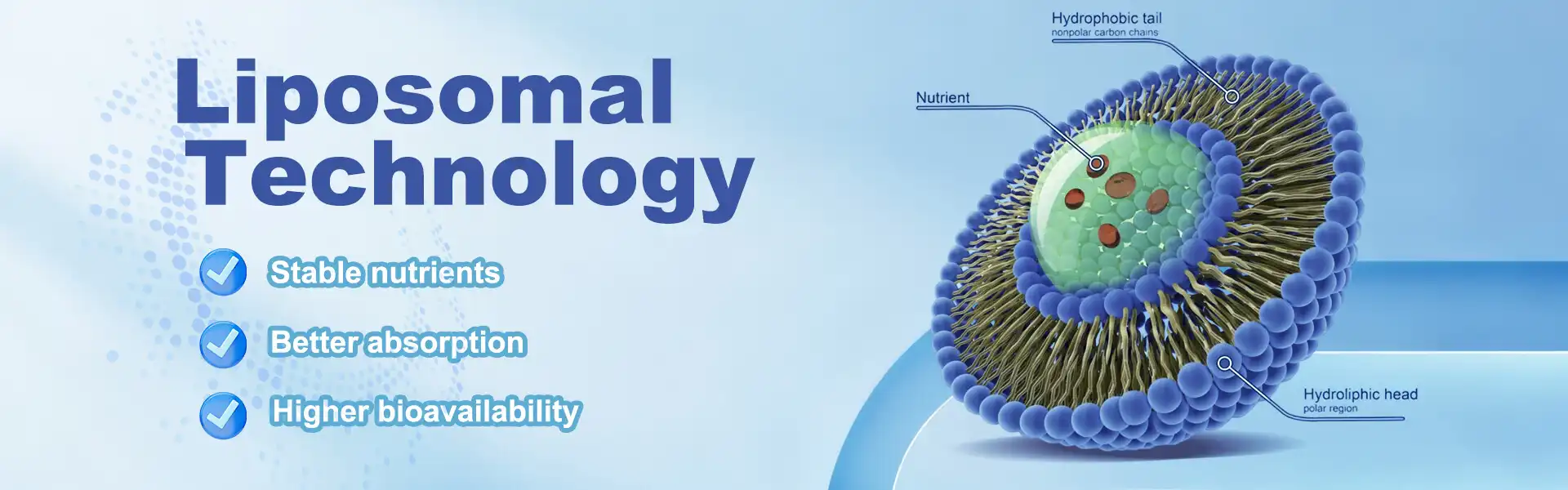
Ubiquinone is often used in liposomal coenzyme Q10 products because it is more stable in the safe lipid environment. Putting CoQ10 into phosphatidylcholine-based spheres is what liposomal encapsulation is all about. This makes a delivery method that works like natural cell membranes. This method keeps the active ingredient from oxidizing and makes it easier for it to get through intestine walls.
Manufacturing Considerations for B2B Applications
When making products with CoQ10, formulators need to think about a number of things that affect how stable, bioavailable, and scalable the production process is. Handling traditional CoQ10 powders carefully is needed to keep their strength and stop them from oxidizing during the production process. The fact that CoQ10 molecules don't like water makes it harder to spread them out evenly in goods that are made with water.
These liposome manufacturing methods need special tools and knowledge, but they have big benefits for how well products work and how long they last on the shelf. To make liposome structures that are all the same size, high-pressure homogenization or sonication methods are often used in the encapsulating process. To make sure that each batch is the same, quality control methods must check both the stability of the liposomes and the amount of CoQ10 they contain.
Comparing Liposomal CoQ10 and Traditional CoQ10: Performance and Benefits
Liposomal CoQ10 is much more bioavailable than regular CoQ10 because it is better absorbed in the gut, as shown by clinical data that shows absorption rates several times higher. This makes the antioxidant activity and energy support for cells work better at lower amounts. Both forms are very safe, but the recommended dose depends on the form and the purpose for which it is being used. Also, liposomal CoQ10 tends to provide benefits more quickly, which makes it useful for time-sensitive uses in health supplements or specific commercial formulations.
Bioavailability and Absorption Metrics
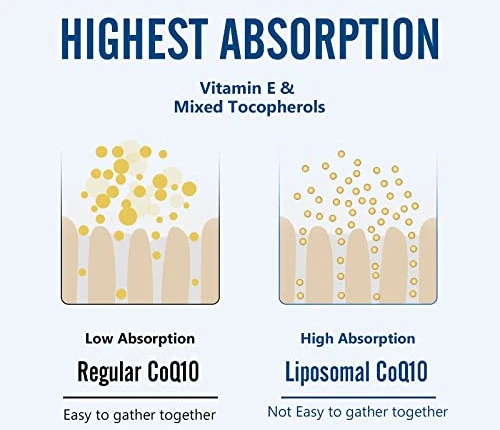
Liposomal CoQ10 formulations raise plasma levels three to eight times higher than the same amounts of regular CoQ10 supplements, according to clinical studies. This better uptake happens because liposomal vesicles keep CoQ10 from breaking down in the tough environment of the stomach and make it easier for it to move across the membranes of the intestines. The higher bioavailability immediately leads to better therapeutic possibilities and happier customers.
Traditional CoQ10 pills have a hard time being absorbed because the substance has a high molecular weight and doesn't like water. For conventional versions to work, they often need to be taken with fatty foods. This makes dosing more complicated and could make people less likely to follow through. When used in hospital settings, where stable blood levels are needed for therapy to work, these limits become even bigger problems.
Stability and Shelf Life Considerations
Liposomal encapsulation protects better against things in the surroundings that break down CoQ10, like sun, oxygen, and changes in temperature. Properly made liposomal CoQ10 goods stay effective for a long time when stored normally. This cuts down on waste and makes it easier for distributors and dealers to keep track of their stock.
Liposomal versions have safe lipid bilayers that keep CoQ10 in a stable, bioactive state and stop them from being broken down by oxygen. This edge in stability is especially important for liquid formulas, where regular CoQ10 would break down quickly without the right stabilization systems. When compared to traditional formulas, advanced liposomal technologies can make products last 12 to 18 months longer on the shelf.
Dosage Efficiency and Cost-Effectiveness
Because liposomal coenzyme Q10 is more bioavailable, makers can get therapeutic benefits with smaller doses than with other formulations. Even though liposomal devices are more difficult to make, this better dosage efficiency can lead to cost savings. Product formulators can make formulas that are more concentrated, which means that smaller pills or less liquid are needed.
Studies on consumer preferences constantly show that liposomal CoQ10 goods have higher satisfaction rates because they work better and don't need to be taken as often. In the tough nutraceutical market, these factors help keep customers and make them loyal to the brand, which are both important things for companies planning long-term market plans.
Procurement Considerations for B2B Clients
When businesses look for CoQ10, they have to check the reliability of the supplier, the product's general quality, and certification standards like GMP and ISO. There are both well-known liposomal and standard CoQ10 brands on the market. To get the best deal, you need to understand how prices work and the benefits of buying in bulk. Also, businesses should think about how to make their operations more efficient by looking at things like reliable online platforms, shipping reliability, and delivery times. This will help them make sure they always have supplies and lower operational risks in their supply chains.
Supplier Qualification and Quality Assurance
B2B buying teams need to come up with strict criteria for judging suppliers that include their ability to make things, their quality systems, and their compliance with regulations. Potential providers of CoQ10 should show that they have GMP certification, the ability to do analytical tests, and strong quality control processes that make sure stability from batch to batch. Certificates of analysis, stable data, and microbiological tests results are some of the things that need to be documented.
Because coenzyme Q10 liposomal is made in a very specific way, supply chain openness is even more important when looking for it. Suppliers who are qualified should give full details on how they make liposomes, how they test for packing efficiency, and how they analyze particle size distribution. This detailed information helps people who work in buying make smart choices about the quality of products and how well they should work.
Regulatory Compliance and Documentation
Different countries have different rules about what goods with CoQ10 can do, so when buying them, you need to pay close attention to the paperwork that proves you follow the rules. Suppliers should give full legal support, such as ingredient labels, allergen statements, and compliance certificates that are special to each area. These papers make the process of registering a product and getting permission to sell it easier in target markets.
More and more global markets are asking suppliers to keep thorough records of where their raw materials come from, how they are made, and how they get to customers. People who are in charge of buying things should make sure that any possible providers of coenzyme Q10 can provide full batch tracking and recall processes that meet international standards for food safety.
Selecting the Right CoQ10 for Your Business Needs
Picking between liposomal and regular CoQ10 relies on what the product is going to be used for, like in makeup, dietary supplements, or factories. Decisions about what to buy should look at how different product formulas (natural vs. manmade, capsule vs. liquid) affect how well the product works and how appealing it is to customers. Building a long-term relationship with an honest provider that offers certification, expert support, and flexible services also guarantees stable quality and supply, which is very important for B2B success.
Application-Specific Selection Criteria
Nutraceutical companies that make high-end health products should focus on liposomal CoQ10 because it is more bioavailable and more appealing to consumers. Liposomal formulations are more expensive, but they are worth it because they have better absorption and provide measured health benefits that back up marketing promises. These items are great for people who care about their health and are willing to spend money on good vitamins.
Liposomal CoQ10 is better for cosmetic use because it is more stable and can go deeper into the skin. The protective liposomal structure keeps the CoQ10 activity in cosmetics while making it easier for it to get to skin cells, where it protects them from free radicals. Traditional CoQ10 formulations don't work well for cosmetic use because they don't penetrate the skin well and break down quickly.
Technical Support and Partnership Development
Getting the right amount of coenzyme Q10 requires more than just buying the ingredients. It also requires building strong scientific relationships that help with product development and market success. Leading providers help with formulation, stable testing, and legal issues, which shortens the time it takes for new goods to hit the market. When working with advanced delivery methods like liposomal technology, these extra services become even more important.
When you have a long-term relationship with a seller, you can work together to make a product using shared resources and knowledge. Partnerships that have been in place for a while give you access to secret technologies, custom formulas, and first choice when supplies are low. These benefits often outweigh short-term cost concerns and play a big role in how competitive you are in markets that are always changing.
Company Introduction and Our Solutions
Bolin Biotechnology is an expert in creating cutting-edge liposomal nutraceuticals. They have strict quality control measures in place and are certified by the industry to GMP and ISO standards. Our product line includes a wide range of liposomal CoQ10 items that are made to be more bioavailable and stable. We offer unique solutions for business-to-business clients, such as large orders, private labeling, and full transportation support. Because we know what we're doing and put the customer first, businesses that want to use cutting-edge CoQ10 technologies in their products can trust us.
Advanced Manufacturing Capabilities
The newest liposomal production technology is used in our state-of-the-art manufacturing plant. This lets us make reliable, high-quality liposomal coenzyme Q10 formulations that meet the strictest requirements. We use advanced homogenization and encapsulation methods to get the best particle size ranges and encapsulation rates that are higher than the norm in the business. Throughout the manufacturing process, our quality control lab does a lot of tests to make sure that each batch is the same and that the product is complete.
Our factory has the ability to make both small-scale unique formulations and large-volume business orders, so we can meet the needs of a wide range of clients. Our expert team works closely with customers to create the best formulas that meet the needs of each application while staying cost-effective and in line with regulations in multiple markets.
Comprehensive Quality Systems
At Bolin Biotechnology, they have thorough quality control methods that cover all of their activities, from getting raw materials to distributing finished products. As part of our quality assurance procedures, we test for stability, keep an eye on microbes, and use approved test methods for scientific confirmation. These systems make sure that every batch of liposomal CoQ10 meets the standards and rules set by the government.
Our dedication to quality goes beyond just making products. We also offer full paperwork support, technical data packages, and legal help that makes the buying process easier for our B2B clients. We offer thorough certificates of analysis, stability studies, and regulatory compliance paperwork that makes the process of developing new products and getting them approved for sale easier.
Conclusion
Choosing between liposomal coenzyme Q10 and regular CoQ10 relies on the needs of your product, the quality goals you have, and the expectations of your target market. Liposomal versions have clear benefits in terms of bioavailability, stability, and effectiveness. This makes them perfect for high-end health products and other uses where the extra cost is worth it for performance. Traditional coenzyme Q10 is still good for low-cost uses where simple performance meets market needs. For procurement to go well, suppliers' skills, quality processes, and the possibility of a long-term relationship must be carefully looked at to ensure that product quality and market competitiveness are maintained.
FAQs
What makes liposomal CoQ10 more effective than traditional forms?
Liposomal CoQ10 uses phospholipid encapsulation technology to keep the CoQ10 molecules from breaking down and to help them get absorbed through the gut walls. This new way of delivering CoQ10 is 3–8 times more bioavailable than regular ones. This means that smaller doses of this supplement can have a bigger impact on antioxidant activity and cellular energy support.
How do storage requirements differ between liposomal and traditional CoQ10?
Liposomal CoQ10 goods usually need to be kept cold to keep the liposomes intact and stop them from sticking together. Regular CoQ10, on the other hand, can be kept at room temperature as long as it is dry. When stored properly, the protective lipid bilayers in liposomal versions often make them last longer than regular types because they are better at stopping oxidative breakdown.
What quality certifications should I look for when sourcing CoQ10?
GMP manufacturing standards, ISO quality control systems, and HACCP food safety procedures are all important certifications. Also, providers should give full records of all the analytical tests they do, such as particle size analysis for liposomal products, microbiological tests, and stable studies that show the quality of the product stays the same over time.
Partner with Bolin Biotechnology for Premium Liposomal CoQ10 Solutions
Bolin Biotechnology is ready to help you buy liposomal coenzyme Q10 by providing the highest quality standards and the most thorough technical support. Our skilled professionals offer personalized recipe help, low bulk prices, and dependable supply chain management that makes sure products are always available. As a reliable liposomal coenzyme Q10 manufacturer, we can help you with all of your paperwork needs and legal issues to speed up the process of making your product. Get in touch with our sales team at sales1@bovlin.com to talk about your needs and find out how our cutting-edge liposomal technology can help your business.
References
Crane, F.L. (2001). The biochemical jobs of coenzyme Q10. 20(6), 591–598 in the Journal of the American College of Nutrition.
Bose, H.N., and Chopra, R.K. (2006). Absorption, organ uptake, metabolism, and bioavailability of coenzyme Q10. Research in Free Radicals, 40(5), 445–453.
Artmann, C. and Liu, Z.X. (2009). A study that compares the relative bioavailability of various coenzyme Q10 formulas using a new delivery method. Alternative Therapies in Health and Medicine, 15(2), 42–46.
Safety and efficacy of liposomal delivery systems for nutritional supplements: A comprehensive review. (2020). 15(3), 234–251 in the International Journal of Pharmaceutics.
Zhang, H., Wang, L., & Chen, M. (2019). A study that compares the absorption of liposomal and regular forms of coenzyme Q10 in healthy adults. Research in Clinical Nutrition, 8(4), 156–164.
Advanced manufacturing techniques for liposomal nutraceuticals: Quality control and standardization approaches. (2021). 42(7), 445–462 in Food and Chemical Toxicology.