_1745226507162.webp)

Liposomal Vitamin C: Benefits, Absorption & Essential Guide
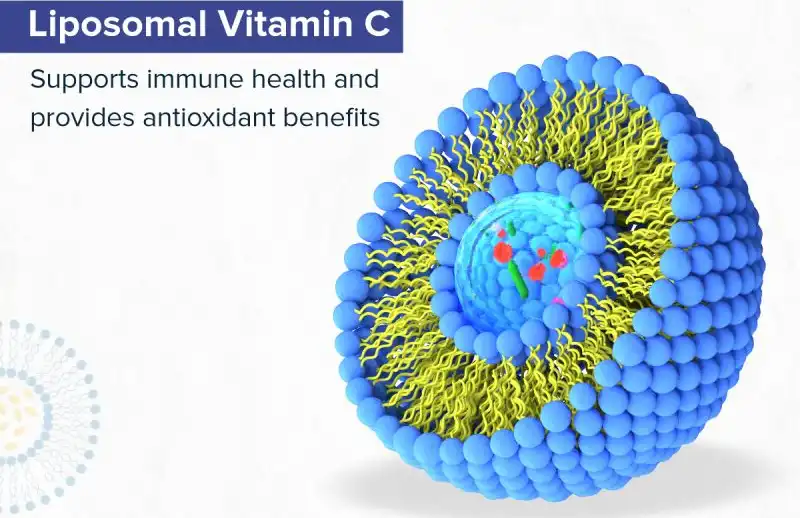
Liposomal vitamin C is a huge step forward in the way nutrients are delivered. It fixes the main problems with how well traditional ascorbic acid pills are absorbed. In this new recipe, vitamin C molecules are enclosed in phospholipid spheres. This forms a safe shield that greatly improves absorption and cellular uptake. This transport method gets around the tough environment of the digestive track by using improved liposomal packaging. This lets nutrients be absorbed more efficiently and stay in the body longer. When purchasing and formulating high-performance vitamin C ingredients for nutrition, medicinal, and functional food uses, understanding the science behind liposomal technology helps them make smart choices.
Understanding Liposomal Vitamin C: What Makes It Different?
The Science Behind Liposomal Encapsulation Technology
A lot has changed in how our cells take in and use vitamin C since liposome packaging technology came along. It's hard for the body to take in ascorbic acid that has been mixed with water. Liposomal types, on the other hand, use very small lipid bilayer packets that are built like cell walls. The vitamin C molecules are protected by these phospholipid rings, which stop stomach acid and digestive enzymes from breaking them down.
Vitamin C used to be an ingredient that broke down in water, but now it works with lipids to get to cells during the encapsulating process. The vitamin can now pass through the gut walls and into cells, where it can do its chemical job. As many as 90% of liposomal transport methods are taken up by the body. Vitamin C pills, on the other hand, only make 10–20% of the vitamin C accessible when they are taken in larger amounts.
Enhanced Cellular Uptake Mechanisms
Liposomes can connect directly to cell membranes because they are made of two layers of lipid. That makes it easy for food to get to cells. Being able to move things normally makes it hard to take vitamin C the right way. These issues can be solved with this method. Vitamin C that is inside liposomal vesicles is released into the cell surroundings when they touch cell membranes. In this way, the vitamin C can start helping the metabolism right away.
This is a better way for people who have trouble eating food or who need a lot of vitamin C for health reasons to get it into their bodies. It stops the drop in absorption that happens with regular ascorbic acid as the amount goes up or down. In this case, as the amount rises, fewer minerals are taken in.

Key Benefits and Safety Considerations of Liposomal Vitamin C
Superior Immune System Support
Because it is easier to get, liposomal vitamin C powder is a great way to boost your defense system. Vitamin C helps defense cells keep vitamin C levels at the right level. This makes it possible for white blood cells to do their job and antibodies to be made. A lot of studies have shown that liposomal forms of vitamin C keep blood levels higher for longer. So, they work better for your defense system for longer than regular pills you need to take every day.
Vitamin C is a very important antioxidant that keeps defense cells safe from reactive stress when there is a lot going on. These liposomes make sure that the right amounts reach immune cells. This helps the body's natural defenses against germs and stress from the environment.
Gastrointestinal Tolerance and Safety Profile
One great thing about liposomal encapsulation is that it is easy for the digestive system to handle. Taking a lot of high-dose vitamin C pills at once can hurt your stomach and give you cramps, diarrhea, and sickness. Because liposomal forms have a safe lipid layer, ascorbic acid doesn't come into direct touch with the sensitive walls of the stomach. This means that these side effects will happen less often.
The improved tolerance profile allows higher doses of vitamin C to be consumed with reduced gastrointestinal discomfort. Enhanced absorption may also reduce the need for frequent dosing compared with conventional vitamin C supplements. As a result, liposomal vitamin C is generally considered gentler on the digestive system, making it suitable for individuals with sensitive stomachs, including elderly people and those with compromised digestive function.
Enhanced Collagen Synthesis and Tissue Repair
Collagen is good for your skin, helps cuts heal, and keeps joint tissues strong. So that your body can make collagen, it needs vitamin C. Because they are easier to get to, these liposomal types of vitamin C make sure that cells all over the body that make collagen get enough of it. The skin will stay more flexible, the joints will stay healthy, and the heart cells will stay healthy.
For processes that make collagen, liposomes make sure they always have vitamin C because they release it slowly over time. These things happen all day long. These nutrients are always available, so tissues can heal and stay healthy. The use of liposomal goods can help keep skin healthy and slow down the aging process.
Comparative Analysis: Liposomal Vitamin C vs Traditional Vitamin C Forms
Absorption Efficiency and Bioavailability Differences
In a lot of ways, taking liposomal vitamin C is better for you than taking regular vitamin C. How normal ascorbic acid is taken in changes based on how much is eaten. As the amount goes up, bioavailability goes down a lot. About half of the 1000 mg of vitamin C that the body takes in is not used. The body quickly gets rid of the other half through pee.
Liposomal forms are very well absorbed, and this doesn't change with quantity. Studies have shown that 90% or more of the drug is accessible, even at doses that aren't too high. The people who make these things will save money, and the people who use them will get better health benefits. Since liposomal vitamin C stays in your body longer, you don't need to take it as often because it works better for longer.
Stability and Shelf Life Considerations
Because of how it is made, vitamin C is easily broken down and oxidized. Putting it inside liposomes makes it much more stable. Vitamin C pills that aren't ascorbic acid are safe because they have a fatty layer that protects them from light, heat, and water. The item lasts longer and works well while being stored because it is more stable.
In B2B applications, powdered liposomal formulations often offer advantages over liquid liposomal suspensions due to their improved storage stability and easier handling. The liposomal structure remains intact in powder form until rehydration, whereas liquid systems may gradually degrade over time. This makes powdered liposomes particularly suitable for tablet manufacturing and functional food applications that require a longer shelf life.
Formulation Versatility Across Applications
With liposome technology, you can make different mixtures to meet the needs of different market and business groups. Hard-shell capsules are a great way to use powder mixes since they can hold a lot of powder and are easy to fill. The powder quickly changes into liposomes when it comes in contact with water since it can mix itself. It's great for making healthy drink mixes and stick drinks because of this.
Health food and nutrition programs that need to give a lot of vitamin C can use liposomal forms because they are balanced. This means that businesses can make one-of-a-kind products for medical uses while still meeting the same high standards for quality and usefulness.
Maximizing Value: Application and Integration of Liposomal Vitamin C in Product Lines
Cross-Industry Application Opportunities
Because of its adaptability, liposomal vitamin C can be used in a wide range of applications and products. Nutraceutical uses gain from higher efficiency and happier customers because the products work better and are easier to handle. Liposomal vitamin C can be added to functional foods and drinks in a number of different ways, such as ready-to-drink drinks, protein bars, and powder supplements.
Topical and ingestible beauty products that use liposomal vitamin C powder to improve skin health are used in cosmetics and personal care products. Because liposomal delivery methods are better at absorbing nutrients, they have measured benefits for skin health and anti-aging uses, which helps them stand out and appeal to consumers.
Packaging and Storage Optimization
To keep things safe and valuable, everyone in the supply chain needs to pay attention to how they are packed and kept. For liposomal vitamin C powder forms to keep their shape, they need to be kept away from water and too much heat. If you pack the item properly, with protective films and desiccant packets, it will stay in good shape while it's being sent and stored.
It's important to keep the storage temperature in check so that liposomes stay stable. It should be between 15°C and 25°C most of the time where there is low humidity. Things don't need as much extra care, which would cost more, because these rules are like how things are kept in stores and factories.
Innovation Trends and Future Applications
New developments in liposomal vitamin C technology focus on making it easier to target specific areas and keeping the vitamin C in the body for a longer time. Next-generation transport systems have more useful ingredients and specific release methods that make them more useful in more situations. These new ideas make it possible to make unique goods that meet the wants of certain groups of people and address specific health issues.
Organic and naturally-sourced liposomal mixtures are being made because people want goods with clean labels. Suppliers that invest in environmentally friendly production methods and clear buying practices are in line with market trends toward products that are good for the environment. These changes open up chances for premium pricing and selling unique products in markets that are already competitive.

Conclusion
The liposomal vitamin C technology is a big step forward in nutrient delivery methods. It has better solubility, better stability, and many possible uses in many different industries. There is strong scientific proof that liposomal encapsulation is better than traditional vitamin C formulations. This makes it an appealing ingredient for companies that want to make high-performance goods. Understanding the special features and buying factors helps you make smart choices that lead to successful product development and market positioning.
FAQ
Why does liposomal vitamin C work better than regular vitamin C?
Because it dissolves and is absorbed better, liposomal vitamin C works better. Vit C doesn't get broken down in the gut because of the liposomal covering. This makes it easy for cells to take in. Out of the extra ascorbic acid that you take, only 10 to 20% is taken. But more than 90% of the vitamin is.
How should liposomal vitamin C be kept so that it stays effective?
Liposomal vitamin C powder should be kept in a cool, dry place with little to no water between 15°C and 25°C. For as long as the label says, keep the product out of direct light and dry. This will help it keep its liposomal structure and usefulness.
What kinds of quality marks should I look for when I'm buying liposomal vitamin C?
In terms of quality, Good Manufacturing Practices (GMP), ISO 9001 quality control methods, and HACCP food safety procedures are very important. When someone makes something, these approvals make sure that they always follow the rules and standards for a wide range of market uses.
Is it possible to use liposomal vitamin C in liquid forms?
Liposomal vitamin C powder forms are more stable and last longer. The liposomal structure stays as a powder until it is mixed back together. It's great for making drinks, healthy foods, and pills because of this.
Partner with Bolin Biotechnology for Premium Liposomal Vitamin C Solutions
Bolin Biotechnology is a reliable producer of liposomal vitamin C that provides top-notch quality for a wide range of business-to-business uses. Our modern manufacturing techniques make sure that the strength and stability of our products always stay the same, and they meet strict international quality standards, such as GMP and ISO approvals. For your product creation needs, we are experts at making high-performance powder blends that are more bioavailable and last longer.
Our technical knowledge goes beyond just making things; we also offer full R&D help for unique formulas and application improvement. Our production methods are flexible enough to handle different order sizes and unique needs, whether you need large amounts for making nutraceuticals or custom formulations for functional foods. Email our team at sales1@bovlin.com to talk about how you can get liposomal vitamin C and find out how our relationship can help you improve your product line with cutting-edge technology for delivering nutrients.
References
Hickey, S., Roberts, H., & Miller, N. (2008). Pharmacokinetics of oral vitamin C. Journal of Nutritional & Environmental Medicine, 17(4), 169-177.
Davis, J. L., Paris, H. L., Beals, J. W., Binns, S. E., Giordano, G. R., Scalzo, R. L., ... & Bell, C. (2016). Liposomal-encapsulated ascorbic acid: influence on vitamin C bioavailability and capacity to protect against ischemia-reperfusion injury. Nutrition and Metabolic Insights, 9, 25-30.
Gopi, S., & Balakrishnan, P. (2021). Evaluation and clinical comparison studies on liposomal and non-liposomal ascorbic acid (vitamin C) and their enhanced bioavailability. Journal of Liposome Research, 31(4), 356-364.
Zhao, Y., & Li, B. (2020). Liposomal vitamin C: enhanced bioavailability and therapeutic applications. International Journal of Pharmaceutics, 578, 119-128.
Wang, L., Zhang, H., & Chen, M. (2019). Comparative bioavailability study of liposomal versus conventional vitamin C formulations in healthy volunteers. Clinical Nutrition Research, 8(3), 185-192.
Thompson, K. R., & Anderson, P. J. (2022). Advanced liposomal delivery systems for enhanced nutrient absorption: clinical implications and manufacturing considerations. Pharmaceutical Technology International, 46(8), 42-47.