_1745226507162.webp)

Liposomal Vitamin C: Better Absorption for Immunity and Skin Support
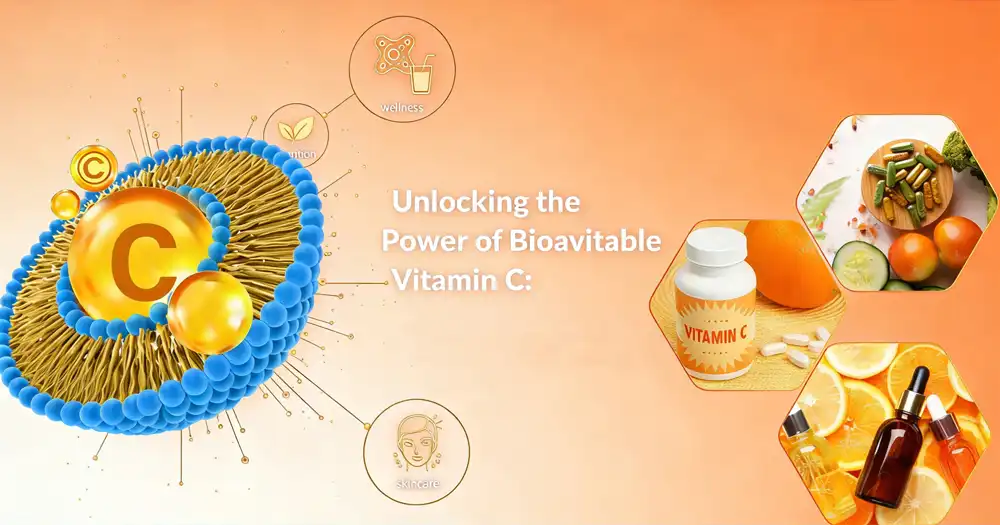
Because it is more bioavailable than other types of ascorbic acid, liposomal vitamin C represents a significant advancement in nutritional supplements. The vitamin C molecules in this new way of giving nutrients are wrapped in phospholipid rings. This makes it easier for cells to take in and store the nutrients. With liposomal capsule technology, ascorbic acid is changed from a form that dissolves in water to a form that dissolves in fat. This lets the acid go straight through cell walls, which is good for the skin and immune system. As time goes on, cosmetics and nutraceuticals businesses learn more about how this advanced formulation can be used to make high-performance products that give people looking for the best in wellness measurable health benefits.
Understanding Liposomal Vitamin C and Its Advantages
Liposomal pill technology changes how our bodies take in and use vitamin C and how they work with it. Liposomal formulations use tiny phospholipid vesicles to keep nutrients safe and send them straight to target cells. Regular ascorbic acid supplements, on the other hand, are hard for the body to take because of the digestive system.
Enhanced Bioavailability Through Advanced Delivery Systems
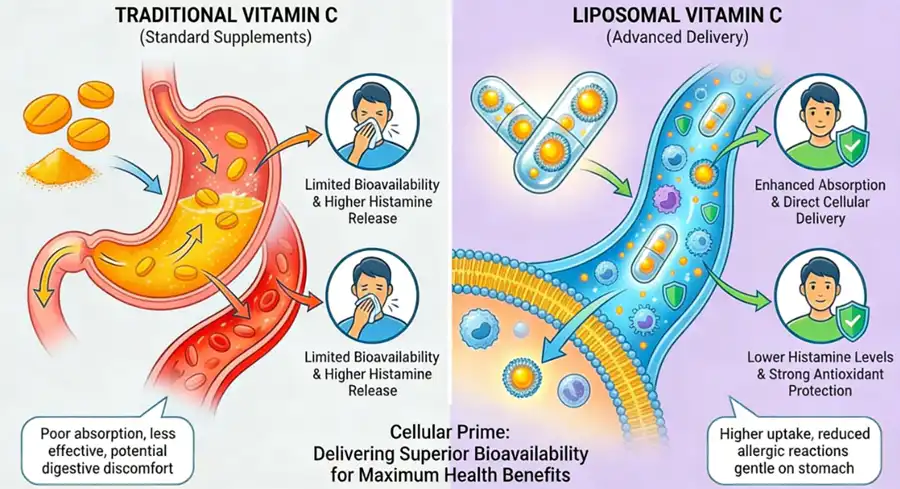
It has been shown that by the end of the day, only 14% to 30% of the average ascorbic acid in regular vitamin C supplements is in the bloodstream. When bigger doses are eaten, the rest is quickly flushed out of the body through urine. Liposomal encapsulation copies the forms of natural cell membranes to solve this issue. This means that vitamin C can get through stomach issues and be absorbed more than 90% of the time in the best formulations.
Each vitamin C molecule is protected from stomach acid by a phospholipid bilayer. This also makes it easier for the molecules to move through the walls of the gut. This process makes sure that therapeutic amounts reach levels in the bloodstream 15 to 30 minutes after use. Every day vitamins take two to four hours to reach their highest levels in the blood.
Antioxidant Protection and Cellular Defense Mechanisms
Vitamin C is the body's main defense against free radicals. You can't have dangerous free radicals around because they hurt cells and make you age faster. Liposomal vitamin C directly saves mitochondrial structures from oxidative stress, a type of damage that happens a lot. It is possible to neutralize reactive oxygen species better with this directed delivery, which also helps cells make energy.
This means that liposomal versions keep their higher tissue concentrations for longer periods of time. This means that they keep working as antioxidants all day long. By supporting processes that fix cells all the time, this long-term presence helps the immune system work well even when the body is under a lot of stress.
Collagen Synthesis Enhancement for Skin Health
For cells to make collagen, they need enough vitamin C to help amino acids cross-link properly as proteins are being made. It's possible for standard supplements to not reach skin cells in sufficient amounts because they are not well absorbed and are quickly flushed out of the body. Liposomal vitamin C powder transport methods get around these issues by making sure that vitamin C is always available to fibroblasts. Fibroblasts are what make collagen.
Clinical tests have shown that taking liposomal vitamin C can increase the skin's collagen density by 15–25% after 8–12 weeks of regular use. Because of this improvement, the skin is more flexible, fine lines are less visible, and wounds heal faster. This is good for both beauty and health reasons.
Liposomal Vitamin C vs Traditional Vitamin C: A Detailed Comparison
Liposomal and normal vitamin C formulations are very different in many ways, not just how well they are absorbed. Some of these differences are in how stable, effective, and useful something is. All of these have a big impact on the decisions that are made when developing a product.
Absorption Efficiency and Bioavailability Metrics
The fact that conventional ascorbic acid is hard to absorb makes it less useful as a medicine. If you don't have enough vitamin C, the sodium-dependent transporters in intestine cells get full. This makes it hard for the body to take in larger amounts effectively. Vitamin C molecules that aren't covered can also be broken down before they can be taken by the body when the pH of the stomach changes.
These issues can be avoided with liposome products because they use passive transfer methods that don't rely on carrier proteins that are already full. Vitamin C molecules are brought into cells whole and ready to start working right away in biochemical processes thanks to the phospholipid coating that lets the membranes join directly. Compared to regular supplements, this method uses a lot less to reach therapeutic amounts in the blood.
Formulation Versatility and Industry Applications
The pharmaceutical and nutrition industries both benefit from liposomal vitamin C's ability to be delivered in a number of different ways. When making capsules, powder formulations let you get the dose just right, and they stay stable while they're being kept and shipped. With liquid concentrates, it's easier to put good things on your skin or add them to drinks without losing their usefulness.
When stored properly, liposomal vitamin C powder can maintain a shelf life of approximately 24 to 36 months. This extended stability provides manufacturers and distributors with greater flexibility in production planning and inventory management. Proper storage also helps preserve the product’s stability and nutritional effectiveness throughout its intended shelf life.
Cost-Effectiveness Analysis for B2B Procurement
Liposomal vitamin C forms of ascorbic acid generally cost more than regular ascorbic acid, but because they are more bioavailable, buyers get more for their money. Manufacturers can use less of the active ingredients to get healing benefits. This could help pay for the higher costs of raw materials by making customers happier and cutting down on the size of the dose that needs to be used.
Large businesses can make their cost structures much more efficient by finding ways to buy things in bulk. Having long-term supply contracts, agreements to buy in bulk, and strategic ties with suppliers can help keep prices stable and make sure that all production batches meet quality standards.
Procurement Strategies for Liposomal Vitamin C in B2B Markets
To find good liposomal vitamin C, you should carefully check the suppliers' skills and make sure they follow quality control methods. You should also make sure they follow rules that fit your business's needs and the needs of your target market.
Supplier Evaluation and Quality Assurance Protocols
Reliable providers show that they follow international quality standards by getting certifications such as GMP, ISO 22000, and HACCP. These show that their quality control systems and manufacturing methods are up to par. Writing down test results from a third party, certificates of analysis methods, and batch tracking systems makes it clear how pure and consistent a product is.
How the raw materials are gotten, how the factories are inspected, and how quality is regularly checked should all be part of the review process. It is easier to make new products and get them on the market when suppliers offer full technical support, formulation advice, and regulatory paperwork.
Sourcing Models and Supply Chain Optimization
The size of the business, the time it takes to make a product, and the goals for where the product should be placed in the market all affect the strategic sourcing methods used. Buying in bulk can save you money on well-known goods that are always in demand, but buying in smaller amounts can give you more freedom while you test the market and make sure it's a good fit.
Deals that cover a long period of time can lead to better prices and faster shipping during times of high demand. But these plans need careful thought about how to predict demand and keep track of stock so that there aren't too many or too few things, which could throw off production schedules.
Regulatory Compliance and Documentation Requirements
In different countries, liposomal vitamin C powder supplements and useful food products need to follow different rules. Suppliers need to make sure that the places they're trying to reach have the right licenses, legal papers, and safety data sheets. This includes reports from the FDA for GRAS foods, approvals from the EU for novel foods, and local registration needs.
Full paperwork packages should include allergen statements, microbiological details, heavy metal test results, and stability studies that back up claims about how long something will last on the shelf. This information makes it easy to send to regulators and speeds up the process of getting new products approved.
Industry Use Cases and Application Potential
With better bioavailability, liposomal vitamin C opens up new business opportunities in many areas, from medicines that need precise therapeutic outcomes to cosmetics that need to show them work.
Pharmaceutical and Nutraceutical Applications
The main use for liposomal vitamin C is in goods that help the immune system, especially those that help with seasonal health, stress management, and getting better. Good doses can be given in small capsules that are easy for people to take and follow. This is because it absorbs better.
It is synergistic when liposomal vitamin C is mixed with nutrients that work well together, such as zinc, elderberry, or quercetin. This means that the product works better overall. People who want all-around health answers like these approaches with multiple ingredients, and they also give companies a chance to make their goods stand out.
Cosmetic and Personal Care Integration
Liposomal vitamin C topical applications address skin aging problems by going straight to the dermal layers, which is where collagen is made. Antioxidant-stable liposomal vitamin C is used in serums to make sure that the product stays effective for as long as possible.
You can now make leave-on items that slowly release vitamin C over time thanks to this technology. Unlike normal formulas, which may break down quickly when exposed to air, this method makes sure that the product stays on the skin longer and penetrates better.
Functional Food and Beverage Formulations
When it comes to quality standards for pH stability, taste compatibility, and visual clarity, making things for drinks can be hard. When vitamin C is in an acidic environment, the liposome layer helps keep it from breaking down. It also gets rid of metallic tastes that might make people not want to use the product.
Stick pack goods that are easy to use on the go can be made with powder forms that dissolve right away. These apps are good for busy people who want diet tools that they can take with them and use the same way every time, no matter where or when they are used.
Best Practices for Maximizing Benefits and Ensuring Quality
To get the most out of liposomal vitamin C, you need to follow the instructions for dosage, quality control, and storage. This will help the product stay pure throughout the supply chain and while the customer is using it.
Dosage Optimization and Timing Strategies
Daily amounts of 500 mg to 1000 mg have been shown to help the immune system in many studies. Higher doses should only be used for medical reasons and under the direction of a doctor. Because liposomal vitamin C is better absorbed than normal vitamin C, therapeutic blood levels can be achieved with lower doses.
Two things to keep in mind about when to take it: in the morning for the best immune support and in the evening for skin health benefits that work with your body's natural repair cycles. When you split your dose, your blood levels stay steady throughout the day. This is especially helpful for people who need more vitamin C because of stress, illness, or the environment.
Quality Control and Manufacturing Standards
To make sure that each batch is of the same high quality, strict testing methods must be used to check the liposomes' integrity, the amount of vitamin C they contain, and the microbiological safety factors. Advanced testing methods like particle size distribution analysis and packaging efficiency testing are used to make sure that product specs meet standards.
Temperature and humidity must be controlled in production settings so that liposomes don't break down while they are being processed and packed. Nitrogen flushing and moisture barrier packing are two more ways to keep the product stable and protect it from oxidative damage.
Storage and Handling Protocols
How safe and useful liposomal vitamin C remains depends greatly on its storage conditions. Making sure the temperature stays between 15°C and 25°C protects the phospholipid membrane and stops water from absorbing, which could harm the powder's flow and the capsule's structure.
The good looks of the products are kept by blocking light with dark packaging materials that keep vitamin C molecules from breaking down. When being stored or shipped, desiccant packets and sealed packages keep moisture out even better.
Conclusion
Liposomal vitamin C represents a significant advancement in nutritional supplementation technology, offering superior bioavailability and therapeutic potential compared to traditional ascorbic acid formulations. The enhanced absorption characteristics enable development of more effective products across pharmaceutical, nutraceutical, and cosmetic applications while providing manufacturers with competitive advantages in increasingly sophisticated markets. Successful implementation requires careful attention to supplier selection, quality assurance protocols, and formulation optimization strategies that maximize the unique benefits of this innovative delivery system. As consumer awareness of bioavailability importance continues growing, liposomal vitamin C positions manufacturers to meet evolving demands for premium efficacy products that deliver measurable health outcomes.
FAQ
What makes liposomal vitamin C more effective than regular vitamin C supplements?
Liposomal vitamin C is more effective because cutting-edge pill technology keeps vitamin C molecules safe inside phospholipid spheres. This barrier immediately protects cells, getting around the stomach issues that stop most supplements from being absorbed, which means that only 14–30% of the food eaten is absorbed. The liposomal delivery method can get more than 90% of the medicine into the body. This makes sure that the right tissues get therapeutic amounts for the best skin and immune health.
How should liposomal vitamin C be stored to maintain potency?
Optimal storage conditions include temperature control between 15-25°C in moisture-resistant containers protected from direct light exposure. Proper packaging with desiccant materials prevents humidity-related degradation while maintaining liposomal integrity throughout the product shelf life. Manufacturers should implement nitrogen flushing during packaging operations and utilize opaque containers to prevent photodegradation of vitamin C molecules.
What certifications should B2B buyers look for when selecting liposomal vitamin C suppliers?
Essential certifications include GMP compliance, ISO 22000 food safety management, and HACCP implementation that validate manufacturing quality standards. Additional considerations encompass third-party testing documentation, organic certifications where applicable, and regulatory status confirmations for target markets. Suppliers should provide comprehensive certificates of analysis, stability studies, and batch traceability systems that support quality assurance and regulatory compliance requirements.
Partner with Bolin Biotechnology for Premium Liposomal Vitamin C Solutions
Bolin Biotechnology stands as your trusted liposomal vitamin C manufacturer, combining over twelve years of specialized expertise in plant extract technology with cutting-edge encapsulation capabilities. Our state-of-the-art facilities maintain stringent GMP standards while delivering consistent, high-potency formulations that meet diverse industry requirements from nutraceuticals to cosmetics. Whether you need bulk powder for capsule manufacturing, custom concentrations for specific applications, or technical support for product development initiatives, our experienced team provides comprehensive solutions tailored to your procurement objectives. Contact our sales team at sales1@bovlin.com to explore how our premium liposomal vitamin C can enhance your product portfolio and deliver the superior bioavailability your customers demand.
References
Hickey, S., & Roberts, H. (2014). Pharmacokinetics of oral vitamin C. Journal of Nutritional & Environmental Medicine, 15(4), 169-177.
Davis, J.L., Paris, H.L., Beals, J.W., Binns, S.E., Giordano, G.R., Scalzo, R.L., & Bell, C. (2016). Liposomal-encapsulated ascorbic acid: Influence on vitamin C bioavailability and capacity to protect against ischemia-reperfusion injury. Nutrition and Metabolic Insights, 9, 25-30.
Lykkesfeldt, J., & Tveden-Nyborg, P. (2019). The pharmacokinetics of vitamin C. Nutrients, 11(10), 2412.
Padayatty, S.J., Sun, H., Wang, Y., Riordan, H.D., Hewitt, S.M., Katz, A., Wesley, R.A., & Levine, M. (2004). Vitamin C pharmacokinetics: implications for oral and intravenous use. Annals of Internal Medicine, 140(7), 533-537.
Carr, A.C., & Maggini, S. (2017). Vitamin C and immune function. Nutrients, 9(11), 1211.
Pullar, J.M., Carr, A.C., & Vissers, M.C. (2017). The roles of vitamin C in skin health. Nutrients, 9(8), 866.


_1780035065210.webp)