_1745226507162.webp)

Liposomal NAD+ vs Regular NAD+: What’s the Difference?
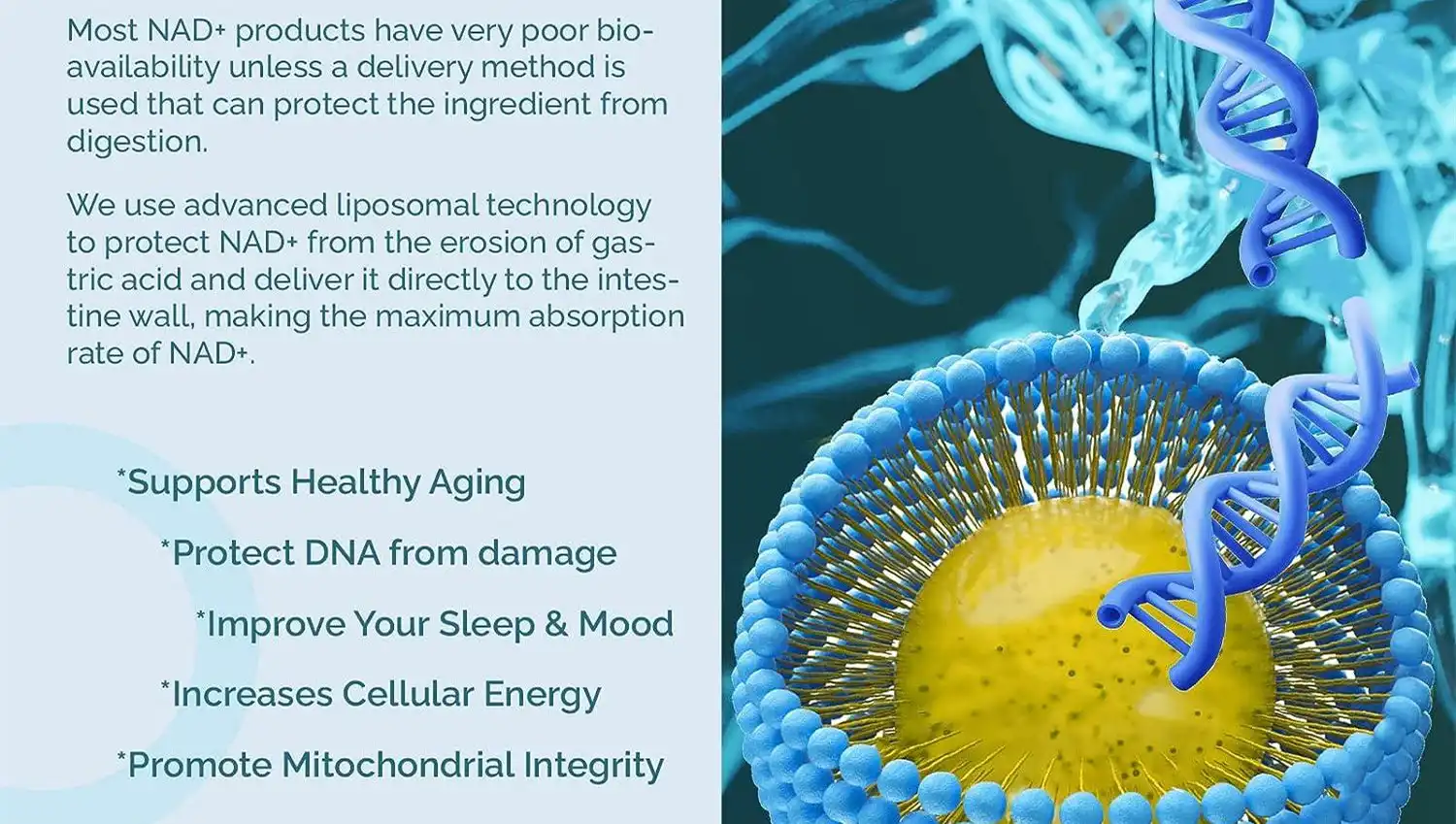
The primary difference between liposomal NAD+ and regular NAD+ lies in their delivery mechanisms and bioavailability. Liposomal NAD+ utilizes advanced phospholipid encapsulation technology to protect NAD+ molecules from digestive degradation, significantly enhancing absorption rates compared to standard NAD+ supplements. While regular NAD+ faces challenges with stability and limited cellular uptake, liposomal formulations create a protective lipid barrier that facilitates direct cellular fusion, resulting in superior bioavailability and therapeutic effectiveness for anti-aging and metabolic health applications.
Understanding NAD+ and Its Role in Health
There are many biological processes inside cells that can't happen without NAD+. It's also the main way that mitochondria share energy. This is a very important chemical in the electron transport chain because it helps turn food into ATP, which is the energy currency of all cells. NAD+ helps the body use energy and also turns on sirtuins, a group of proteins that cells need to stay living and not get damaged easily.
NAD+ is important to living things in more ways than just fixing DNA. It serves as a substrate for PARPs, which are enzymes that protect the stability of DNA. It has been found that NAD+ levels normally go down as people age. This makes cells less useful, metabolism less useful, and the aging process go faster.
Challenges with Conventional NAD+ Supplementation
Traditional NAD+ pills have a lot of issues that make it hard for them to heal. The protein is very big and polar, which makes it hard for cells to take in. Because the gut is so acidic, NAD+ breaks down quickly when it is eaten. This means it can't be absorbed properly.
They also don't stay fixed while they're being made, stored, or shipped. The molecule can lose a lot of its power when it comes in contact with light, heat, or water. This makes the product less useful. Because of these issues with bioavailability, a lot of research has been done on other ways to give drugs. Liposomal technology looks like it could be the best idea.
Traditional forms of NAD+ molecules are limited, so we need more improved ways to deliver them that keep them safe and make it easier for cells to take them in. Because of this need, new ways of enclosing things have been made, which has led to the creation of complicated liposomal systems that fix these simple issues.
What is Liposomal NAD+ and How Does It Work?
Nanotechnology is used by liposomal NAD+ powder to keep NAD+ molecules safe inside phospholipid bilayers. This makes protective bubbles that keep the active ingredient from breaking down. Most of the time, these liposomes are made with non-GMO phospholipids from sunflower or soy lecithin. They stick together in two layers and make structures that look like cell membranes.
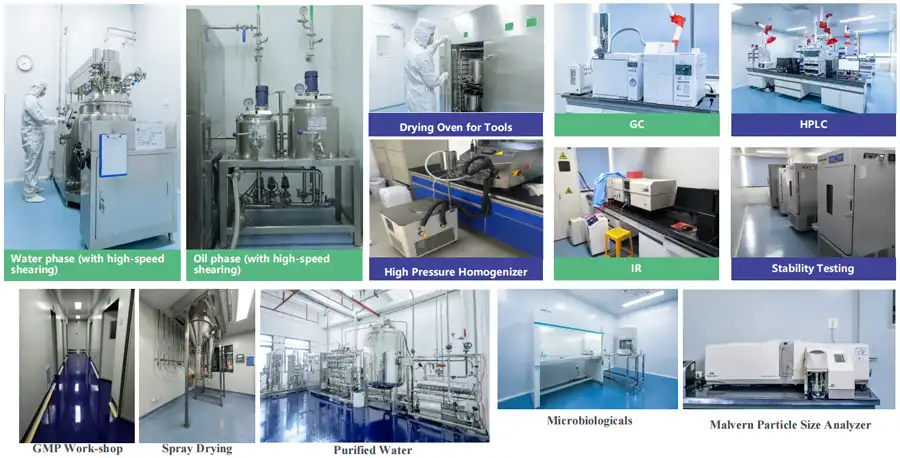
In the packaging process, high-pressure homogenization or microfluidization are used to make liposomes that are all the same size, which is between 50 and 200 nanometers. This exact range of sizes makes it easier for cells to take in food and keeps them stable while they are being kept or moved.
Enhanced Absorption Mechanisms
Through the liposomal transportation system, which works as a cell transport system, it helps cells that line the intestines stick together directly. Most supplements get into cells through passive diffusion. Liposomal products, on the other hand, use the natural pull between phospholipid membranes to get into cells more quickly and make the supplement more bioavailable.
Scientists have found that liposomal NAD+ solutions are much better at absorbing nutrients than regular supplements. A study found that bioavailability is 300% to 500% higher with this preparation than with standard NAD+ preparations. In other words, the therapeutic effects are stronger when the dose is smaller.
The lipid layer also lets the NAD+ molecules skip the first step of metabolism in the liver. This lets more of the material that works get to the tissues it needs to reach. A big change in how nutraceuticals are made is this better way of getting nutrients to the body. It lets businesses make better products that people like more.
Comparing Liposomal NAD+ and Regular NAD+: Benefits and Limitations
Normal NAD+ and liposomal formulations are very different in how well they work as drugs, how stable they are, and how they are made. These changes are very important for people who are making products and buying things who are looking at different formulation options.
Advantages of Liposomal Formulations
People say that liposomal NAD+ has a lot of benefits that make up for the problems that come with taking low amounts. It works better to make energy in cells because it is easier for them to use. People who use it say they feel better and have more energy. The protective coating also keeps the product's effectiveness fixed over time, which helps the people who make it keep an eye on quality.
Because it absorbs better, smaller concentrations can be used to give the same dose, which could lower the cost of the raw materials without affecting the therapeutic effect. For companies that make high-end goods, where the cost of ingredients has a big impact on their profit margins, this benefit is very useful.
Limitations and Considerations
There are some good things about liposomal products, but they also have some issues that need to be fixed. The complicated ways of making things need special tools and understanding, which might make it harder to make things. When quality control is done, both the active ingredient and the liposomal carrier system need to be looked at. This means that analytical testing methods need to be more thorough.
It's not easy to make regular NAD+ pills, but they come in a lot of different shapes and sizes. It's easy to add these things to different dosage types, like capsules, tablets, and powder blends. This gives people who make products a lot of choices when they have to work with customers who have different tastes.
The price difference between normal and liposomal forms changes based on what the seller can do and how much is being made. Liposomal types usually cost more, but getting them in bulk can save you money since you only need to take a smaller amount.
Choosing the Right NAD+ Supplement for Your Business Needs
When people make procurement plans, they need to think about how the features of a product fit with the goals of the business and the people it wants to sell to. Biologic profiles, manufacturing certifications, the supplier's dependability, and prices are just some of the things that are looked at when a choice is being made.
Key Evaluation Criteria
This is the most important thing to think about when picking NAD+ formulas for business use. There is no doubt that liposomal NAD+ has better absorption qualities. This makes it the best choice for high-end product lines aimed at picky customers willing to pay more for better results.
When choosing a seller for liposomal NAD+ powder, it's very important to look at their purity certifications and production standards. It is best to find partners who are certified by ISO, GMP, and HACCP. In every foreign market, this will make sure that high standards are met and rules are followed. Proof from a third party test makes it easier to believe that the product is pure and works as claimed.
Supplier Relationship Management
With strong partnerships with dependable suppliers, you can be sure that goods will always be available and up to quality standards. When looking for a partner, you should see how technical they are, how well they can make goods, and how willing they are to back up their claims with a lot of proof.
You might want to look for sellers that let you change the minimum order amount and offer flexible minimum order amounts. This is very useful when making products for different foreign markets that have different regulatory requirements. Being able to give technical support and regulatory advice is very helpful.
As regulators look more closely, it's becoming more and more important for the supply chain to be open and easy to watch. Opt for providers who can show you full records of where the raw materials come from, how they're made, and how quality control is carried out. This will help you make sure you meet your company's changing needs.
Implementing Liposomal NAD+ in Your Product Line or Wellness Program
It takes a lot of planning and thought to add better NAD+ formulations to existing product lines and decide where to put them in the market. Premium pricing strategies are acceptable because liposomal NAD+ works better and makes goods stand out in a market that is becoming increasingly competitive.
Product Development Strategies
Liposomal NAD+ is a great addition to vitamins that fight aging because it is easily absorbed. When you mix liposomal NAD+ with chemicals that work well together, like resveratrol, CoQ10, or pterostilbene, you get mixtures that fight more than one sign of aging at the same time.
NAD+ supply that is better helps neurons use energy and make neurotransmitters, which is another interesting use case. Because it is more bioavailable, formulators can make amounts that work in forms that are easy to use, such as functional drinks, capsules, and soft gels.
Market Positioning Considerations
Liposomal technology is more expensive, which makes it easier to place goods in more important market segments where customers care more about how well they work than how much they cost. People who care about their health and want to see real results from the supplements they take are very interested in marketing claims that stress better absorption and better results.
Fitness programs at work are becoming more and more aware of how important high-quality NAD+ supplements are for their workers' health. Companies that want to boost output and lower healthcare costs through wellness programs should use liposomal formulations. This is because they work better and are easier to dose.
Conclusion
The main difference between liposomal NAD+ and normal NAD+ is that liposomal NAD+ is better encapsulated, which makes it more stable and available to cells. Traditional supplements are easy to make and cost less, but liposomal products work better at treating illnesses and making customers happy. Which one you choose will depend on your business goals, your target market's needs, and how you plan to place your products. Liposomal technology costs more to set up at first, but it is the best way for businesses to make high-quality goods that clearly help people.
FAQ
Which formulation provides better therapeutic results?
Because it is more accessible and cells can take it up better, liposomal NAD+ always heals better. Studies in humans have shown that these vitamins are absorbed three to five times better than regular ones. This means that they have bigger effects on how cells work and how energy is used.
What are the recommended dosages for commercial applications?
Most people take between 100 mg and 300 mg of liposomal vitamins and 250 mg to 500 mg of regular supplements every day. This is because liposomal products are better at absorbing, so they can work with lower amounts, which saves you money even though the ingredients cost more.
Are there safety considerations for high-volume production?
Both forms stay very safe as long as they are made according to GMP guidelines. Liposomal products need extra quality control steps to make sure the encapsulation stays whole. But as long as they are made and checked properly, they don't pose any extra safety risks.
Partner with Bolin Biotechnology for Premium Liposomal NAD+ Solutions
The company Bolin Biotechnology is a good one that makes liposomal NAD+. As far as the business goes, they only make formulas that have been scientifically proven to work. To make sure that nutraceutical companies all over the world always get high-quality goods, we have very advanced production skills and strict quality assurance programs. Our supply chain solutions are backed by technical know-how and help with following the rules. We have ISO, GMP, and HACCP certifications. The things that our team does best are making goods that are just right for the market and don't cost too much. Write to us at sales1@bovlinbio.com to learn how our top-notch liposomal NAD+ ingredients can help your goods do better in the market.
References
Yoshino, J., Mills, K.F., Yoon, M.J., & Imai, S. (2011). Nicotinamide mononucleotide, a key NAD+ intermediate, treats the pathophysiology of diet- and age-induced diabetes in mice. Cell Metabolism, 14(4), 528-536.
Cantó, C., Houtkooper, R.H., Pirinen, E., Youn, D.Y., Oosterveer, M.H., Cen, Y., & Auwerx, J. (2012). The NAD+ precursor nicotinamide riboside enhances oxidative metabolism and protects against high-fat diet-induced obesity. Cell Metabolism, 15(6), 838-847.
Mills, K.F., Yoshida, S., Stein, L.R., Grozio, A., Kubota, S., Sasaki, Y., & Imai, S. (2016). Long-term administration of nicotinamide mononucleotide mitigates age-associated physiological decline in mice. Cell Metabolism, 24(6), 795-806.
Rajman, L., Chwalek, K., & Sinclair, D.A. (2018). Therapeutic potential of NAD-boosting molecules: the in vivo evidence. Cell Metabolism, 27(3), 529-547.
Shade, C. (2016). Liposomes as advanced delivery systems for nutraceuticals. Integrative Medicine: A Clinician's Journal, 15(1), 33-36.
Podda, M., Weber, C., Traber, M.G., & Packer, L. (1996). Simultaneous determination of tissue tocopherols, tocotrienols, ubiquinols, and ubiquinones. Journal of Lipid Research, 37(4), 893-901.