_1745226507162.webp)

What are the Benefits of Liposomal Vitamin C?
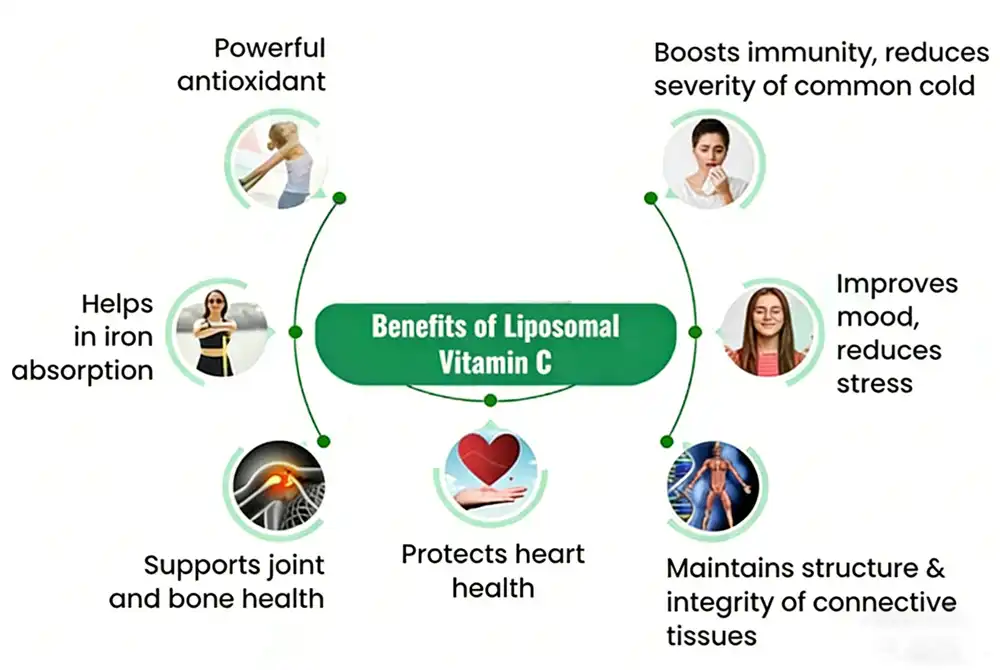
Liposomal vitamin C offers superior bioavailability and absorption compared to traditional ascorbic acid supplements through advanced phospholipid encapsulation technology. This revolutionary delivery system protects vitamin C molecules within microscopic liposomes, enabling enhanced cellular uptake, reduced gastrointestinal irritation, and sustained nutrient circulation. The encapsulated form bypasses digestive degradation, delivering potent antioxidant support for immune function, collagen synthesis, and overall wellness while addressing the absorption limitations that plague conventional vitamin C formulations in nutraceutical and pharmaceutical applications.
Understanding Liposomal Vitamin C and Its Unique Benefits
Liposomal vitamin C is different because it is stored in very tiny liposomes. Phospholipids are used to make these spheres, which look like the membranes of our cells. Ascorbic acid dissolves in water, but this new way turns it into a delivery system that dissolves in fat. Cells can use it more easily and quickly because of this compared to vitamins that you take in pill form.
Enhanced Absorption Mechanism
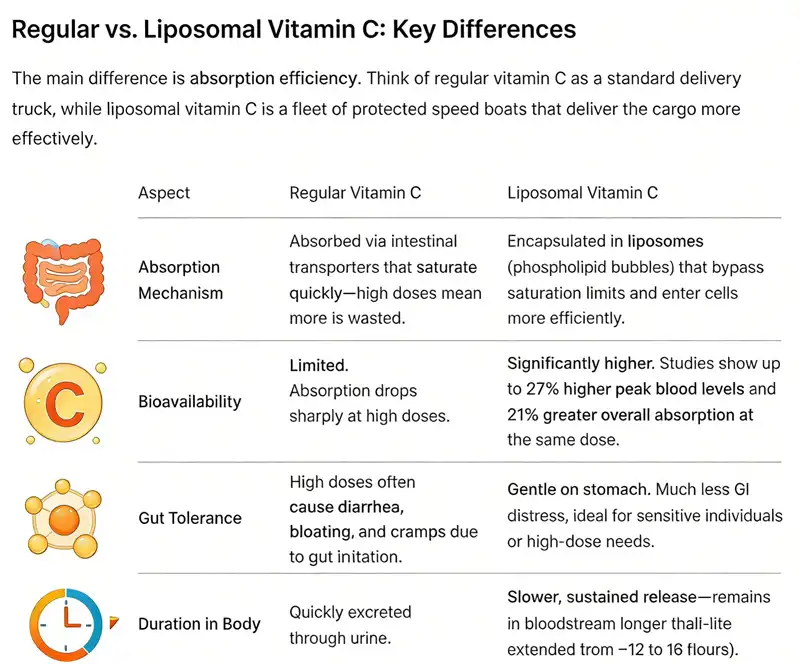
The liposomal delivery method fixes big problems with vitamin C pills that make it hard for the body to absorb them. When the amount goes up, the ascorbic acid doesn't work as well because it's hard for the body to absorb. Vitamin C is absorbed by the body until about 200 mg is reached. After that, any extra is flushed out of the body through the urine.
Liposomal encapsulation gets around these issues by protecting vitamin C molecules inside phospholipid bilayers that are the same as cell walls. Gut acid and digestive enzymes can't get to the vitamin because of this barrier. It can go through the digestive system whole. They join with cell membranes when they get to the areas they're meant to reach. Vitamin C can do its best work inside cells, so this lets it get there right away.
Superior Bioavailability Advantages
Clinical tests have shown that liposomal versions make bioavailability a lot better. Taking the same amount of ascorbic acid as a capsule makes the blood level of vitamin C much higher than when it is taken as a pill. This better bioavailability means more useful goods for businesses that make high-end supplement lines, drugs, and functional foods.
The phospholipid carriers do more for your health than just help vitamin C get to where it needs to go. These important fatty acids help brain cells work well and liver cells stay healthy. They work better together, which makes the product more useful for picky shoppers who want health answers for all of their problems.
Reduced Gastrointestinal Impact
Traditional high-dose vitamin C pills can make your gut feel bad and cause problems like nausea, diarrhea, and irritation. It's harder to give the right amount of medicine and get people to take it as directed because of these side effects. This is especially true for medical uses that need a lot of vitamin C.
Liposomal vitamin C significantly lessens gastrointestinal discomfort thanks to its secure packaging system. Ascorbic acid doesn't touch the gut walls directly because of the phospholipid coating. This keeps the healing power while lowering discomfort. Because of this, bigger doses can be used without making the patient less comfortable. This means that the drug can be used on a wider range of sensitive groups, like older people and people who have digestive problems.
Scientific Insights and Practical Applications of Liposomal Vitamin C
A study backs up the claim that liposomal vitamin C is better in a number of health situations that are important to B2B makers. Clinical studies show that these versions help the immune system more, heal wounds faster, and fight against free radicals better than regular versions.
Immune System Enhancement
Vitamin C is important for the immune system because it helps make white blood cells, antibodies, and protects against oxidative stress as an antioxidant. It makes these benefits even better by getting nutrients to cells more efficiently. It also makes sure that tissues have the right amount of vitamin C for a strong immune system.
There have been clinical studies that show liposomal products can help people get fewer respiratory infections, feel better faster, and have milder symptoms when they do get them. The data show that the technology has therapeutic potential for lines of products that focus on the immune system, seasonal wellness blends, and clinical nutrition uses.
The higher bioavailability is especially helpful when someone is sick, when their immune system is under a lot of stress, or when they are working out very hard. The market for sports nutrition, clinical formulations, and preventive health supplements is already very competitive. Liposomal technology can help businesses stand out in this market.
Collagen Synthesis and Skin Health
It is collagen that gives skin its elasticity, helps cuts heal, and keeps the structure of connective tissues stable. Collagen production needs vitamin C in order to work. Collagen production is slowed down when you don't get enough vitamin C. This makes it harder for tissues to heal and speeds up the aging process.
Liposomal vitamin C transport makes sure that the dermal cells, which are where collagen is made, get the right amount of vitamin C. This makes more of it available, which speeds up skin regeneration, helps wounds heal faster, and supports anti-aging benefits that cosmetic companies really like.
It can be used for more than just beauty products. As well as beauty supplements, it can be used to make medical nutrition therapy for wound care and recipes for slowing down the aging process. Although there are many chemicals that can be used to make beauty products, liposomal vitamin C stands out because it has been clinically proven to work and is liked by customers.
Antioxidant Protection and Cellular Health
Free radicals are bad for cells, cause inflammation, and can lead to the development of chronic diseases. Vitamin C is a strong antioxidant that fights them off. The greater bioavailability of liposomal vitamin C strengthens the body's antioxidant defenses everywhere, enhancing heart health, brain function, and longevity.
Study after study has shown that liposomal formulations keep plasma antioxidant levels high for longer than normal supplements. This long-lasting protection is useful for companies that make products for brain health, heart health, and general antioxidant complexes for older people.
Because cells take in more of the drug, smaller doses are needed to keep the therapeutic effects. Making pills this way saves money and makes them easy to take. Controlling the costs of ingredients is still a key part of making money in the high-end formulation business, so this efficiency is very attractive.
Comparing Liposomal Vitamin C with Other Forms for Informed Purchasing
The people who work in buying have to compare a number of vitamin C formulas to discover the best one for their needs. This list looks at the main ways that liposomal technology is different from other ways of delivering drugs. Because it tells you important things you need to know to make smart sourcing decisions.
Traditional Ascorbic Acid Limitations
The type of vitamin C that you most often find in basic pills is standard ascorbic acid. It costs less than other types, but the body doesn't use it very well. It is harder for the body to absorb because it dissolves in water, especially when there are larger amounts. This means that a lot of nutrients leave the body through pee.
Traditional forms of vitamin C powder need to be dosed more often to keep therapeutic plasma levels. This is inconvenient for patients and makes them less likely to follow through with their treatment plans. Acidic foods often make stomach problems worse, which restricts the dose choices for people who are sensitive to them and for medical uses that need high levels.
When making something, you need to think about how it will react to oxidation, moisture, and not being able to stay fresh on the shelf without being wrapped in protected material. It's harder to make and keep the formula because of these things. This could change how much the product costs and how quality is checked.
Comparison with Alternative Delivery Systems
There are different kinds of vitamin C made by different companies that are meant to help people who have trouble getting enough of it in different ways. Time-release formulas make it easier for cells to absorb the drug, but they don't really make it more bioavailable because they improve absorption windows.
Ascorbate calcium and vitamin C metabolites are mixed in Ester-C, which is an option that promises to improve absorption and retention. It has been studied a lot that liposomal vitamin C technology is helpful, but not as much has been studied that better solubility is helpful.
Powder forms of ascorbic acid are easier to dose and break down quickly, but they still have the same general problems with absorption as regular ascorbic acid. It's easier to take vitamin C in liquid form, but it can be unstable and needs to be flavored with chemicals to hide its sour taste.
Quality Evaluation Criteria
To find the best liposomal providers, you should carefully look at their technical know-how, how they make their products, and how they keep an eye on quality. Some important things to think about are the different liposome shapes, how well they are encapsulated, and the ways that the product is tested to make sure it always works well.
A confirmation of third-party testing, proof of regulatory compliance, and certifications for the production site are all important ways for procurement teams to make sure the quality of the goods they buy. Some certifications, such as ISO, GMP, and HACCP, show that a business is dedicated to the quality standards that picky B2B buyers look for in vendors they work with.
You can pick a good service if they are open about where the raw materials come from, how they are made, and the results of analytical tests. People who work in procurement look for companies that give them a lot of information, such as bioavailability data and stable studies. This proves they have the technical skills and dedication to quality that people who work in buying look for.
Procurement Considerations for Liposomal Vitamin C
To find liposomal vitamin C in a smart way, you need to understand how the market works, how prices are set, and what your sellers can do that could hurt your long-term relationship. People who work in procurement can benefit from thorough evaluation methods that look at things like cost, quality, and dependability.
Pricing Structures and Volume Advantages
Because it takes longer to make and works better, liposomal vitamin C powder costs more than normal vitamin C. On the other hand, when bioavailability is better, effective amounts are lower. This might be able to make up for higher raw material costs by making the formulation work better.
When it comes to price, buying in bulk is a great choice for experienced makers whose number needs are known ahead of time. A lot of suppliers use tiered pricing to reward customers who make bigger promises. This saves money for buying teams while still making sure they have steady supply lines.
When you have a premium supplier tie, you often get extra services that add value, such as expert support, help with formulation, and regulatory advice. Not only do these services add worth to the cost of raw materials, but they also help make products and meet government standards.
Supply Chain Management
To keep product quality and availability stable in places that are competitive, it's important to have strong relationships with other people in the supply chain. Short-term supply problems that could mess up production plans and customer obligations are less likely to happen when sources have been around for a long time and have good quality control and manufacturing skills.
Suppliers who know a lot about global manufacturing can make sure that their products meet the different quality standards and rules that apply in different markets. This is something that companies need to be able to do if they want to sell their goods or meet strict rules in more than one country.
Ahead of the curve businesses have long-term partnerships where they work together on new ideas and making technology better. Suppliers who spend money on research and development often let customers know about new technologies and better recipes for their goods before anyone else.
Quality Assurance and Regulatory Compliance
Full quality control programs check raw materials, watch the production process, and look over produced goods to make sure they meet normal quality standards. When the product is used for healing purposes that need precise nutrition delivery, consistency from batch to batch is very important.
It is easier to get goods approved and on the market when they have paperwork that backs up health claims, safety assessments, and manufacturing standards. Strong regulatory help from suppliers cuts down on development times and lowers their customers' compliance risks.
Getting certificates of analysis, records of stability tests, and records of contamination screenings are all important ways for buying teams to check the quality of goods. People can use these papers to help them make smart choices, and they also support the quality control methods that are needed to make medicines and supplements.
Conclusion
Liposomal vitamin C represents a transformative advancement in nutrient delivery technology, addressing fundamental absorption limitations that plague conventional ascorbic acid formulations. The sophisticated phospholipid encapsulation system delivers superior bioavailability, enhanced cellular uptake, and reduced gastrointestinal irritation while maintaining therapeutic potency across diverse applications.
Scientific evidence validates significant advantages in immune support, collagen synthesis, and antioxidant protection, making liposomal formulations increasingly valuable for manufacturers developing premium health products, pharmaceutical applications, and cosmeceutical solutions. The technology's proven benefits justify premium positioning while offering meaningful differentiation in competitive markets.
FAQ
Is liposomal vitamin C safe for long-term use?
When used according to the recommended dosage, liposomal vitamin C is very safe to take for long amounts of time. The phospholipid transporters are made up of natural membrane parts that are easy for the body to break down. It's safe to use for a long time because it doesn't cause stomach problems as often, even at therapeutic doses.
How does liposomal vitamin C compare to intravenous administration?
Vitamin C given through an IV has higher peak plasma concentrations, but liposomal forms have longer release patterns and are simple to swallow. The better bioavailability bridges the gap between regular supplements taken by mouth and clinical IV treatments, which makes daily supplement plans more helpful.
What applications work best with liposomal technology?
Liposomal vitamin C excels in immune support formulations, anti-aging supplements, wound healing applications, and high-dose therapeutic protocols. The technology particularly benefits populations with digestive sensitivities, absorption challenges, or requirements for sustained nutrient delivery.
Partner with Bolin Biotechnology for Premium Liposomal Vitamin C Solutions
Bolin Biotechnology stands as a trusted liposomal vitamin C manufacturer, delivering scientifically validated formulations that meet the demanding requirements of nutraceutical, pharmaceutical, and cosmeceutical applications. Our advanced manufacturing capabilities ensure consistent quality, superior bioavailability, and regulatory compliance across global markets.
Connect with our technical team at sales1@bovlin.com to discuss your specific requirements for bulk liposomal vitamin C powder, custom formulations, or private label manufacturing solutions. Discover how our expertise can enhance your product portfolio while ensuring reliable supply chain partnerships that support long-term business growth. Visit bolinbiotech.com to explore our complete range of advanced nutritional ingredients.
References
Hickey, S., Roberts, H., & Miller, N. J. (2008). Pharmacokinetics of oral vitamin C. Journal of Nutritional & Environmental Medicine, 17(4), 169-177.
Davis, J. L., Paris, H. L., Beals, J. W., et al. (2016). Liposomal-encapsulated ascorbic acid: influence on vitamin C bioavailability and capacity to protect against ischemia-reperfusion injury. Nutrition and Metabolic Insights, 9, 25-30.
Gopi, S., & Balakrishnan, P. (2021). Evaluation and clinical comparison studies on liposomal and non-liposomal ascorbic acid (vitamin C) and their enhanced bioavailability. Journal of Liposome Research, 31(4), 356-364.
Padayatty, S. J., Sun, H., Wang, Y., et al. (2004). Vitamin C pharmacokinetics: implications for oral and intravenous use. Annals of Internal Medicine, 140(7), 533-537.
Lykkesfeldt, J., & Tveden-Nyborg, P. (2019). The pharmacokinetics of vitamin C. Nutrients, 11(10), 2412.
DePhillipo, N. N., Aman, Z. S., Kennedy, M. I., et al. (2018). Efficacy of vitamin C supplementation on collagen synthesis and oxidative stress after musculoskeletal injuries. Orthopaedic Journal of Sports Medicine, 6(10), 2325967118804544.