_1745226507162.webp)

Lutein Powder for Eye Health: Benefits and Uses
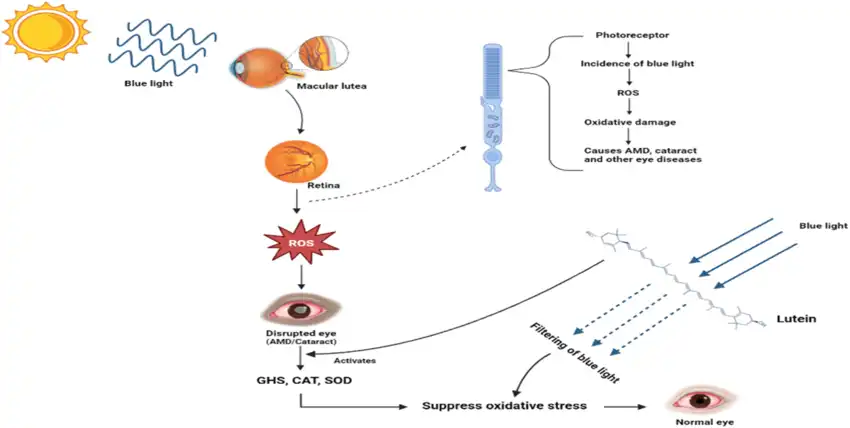
Lutein powder has become an essential ingredient for B2B manufacturers seeking to develop eye health solutions with proven efficacy. Extracted primarily from marigold flowers (Tagetes erecta), this xanthophyll carotenoid concentrates in the macular region of the retina, where it filters harmful blue light and neutralizes oxidative stress. The growing prevalence of digital eye strain and age-related vision decline has positioned this botanical extract as a cornerstone ingredient for nutraceutical companies, pharmaceutical formulators, and functional food developers targeting the American wellness market.
Understanding Lutein Powder and Its Eye Health Benefits: The Science Behind Macular Protection
The human macula lutea accumulates lutein, creating macular pigment optical density. This concentration of life protects nature from high-energy visible light. Higher MPOD levels slow age-related macular degeneration, according to ophthalmology journal studies. A longitudinal study in the Archives of Ophthalmology found that a diet high in this carotenoid reduced AMD rates over time.
Modern life makes eye care harder. American adults spend over seven hours a day on screens, exposing them to 380–500 nanometer blue light. This spectrum creates reactive oxygen species deep in retinal tissue, damaging photoreceptor cells. Marigold carotenoids lose their antioxidant properties to neutralize free radicals before they damage cells, stopping this chain reaction.
Comparative Bioavailability and Absorption
Bioavailability differences matter to product makers. Lipidophilic lutein molecules need fat in food to be absorbed in the digestive tract. Healthy fats increase bioavailability by 300% compared to eating the food alone, according to research. Because of this, softgel capsule manufacturers mix the powder with MCT or sunflower oil to make it easier to absorb.
Zeaxanthin, a molecular cousin of lutein, accumulates in retinal tissue, but more in the fovea. There is evidence that these carotenoids work better together to protect cells. Products with lutein and zeaxanthin in a 5:1 ratio worked better than those with only one ingredient in MPOD studies. This study helps procurement teams find complementary carotenoids.
Another popular antioxidant, beta-carotene, has a different role in eye health. The body converts beta-carotene into vitamin A, which makes rhodopsin, which aids night vision. Since it doesn't build up in macular tissue like xanthophylls, it doesn't block blue light as well. B2B buyers use all three carotenoids in eye health formulas because each meets a different physiological need.
Clinical Evidence for Cataract Prevention
New research is investigating how this ingredient may prevent cataracts and macular degeneration. Oxidative modification clouds lens proteins, making them hard to see. Xanthophyll carotenoids protect lens epithelial cells from oxidative damage, according to lab tests in the Journal of Agricultural and Food Chemistry. Epidemiological data suggests that people who eat more have later-forming cataracts, though clinical trials are ongoing.
How to Use Lutein Powder Effectively?
Evidence-Based Dosage Recommendations
Daily doses of 10–20 milligrams, including marigold extract powder, were common in successful clinical trials. The National Eye Institute's Age-Related Eye Disease Study 2 (AREDS2) used 10 mg of zeaxanthin daily. This dosage standard aids supplement makers. The fact that these levels are safe for many people, including older people with health issues, pleases regulatory teams.
Bioavailability is also time-dependent. It is best absorbed with the largest meal of the day, when dietary fat is highest. This information helps product makers write instructions that get customers the best results. Some companies recommend taking their supplements after breakfast or dinner.
Powder Versus Capsule Formulations
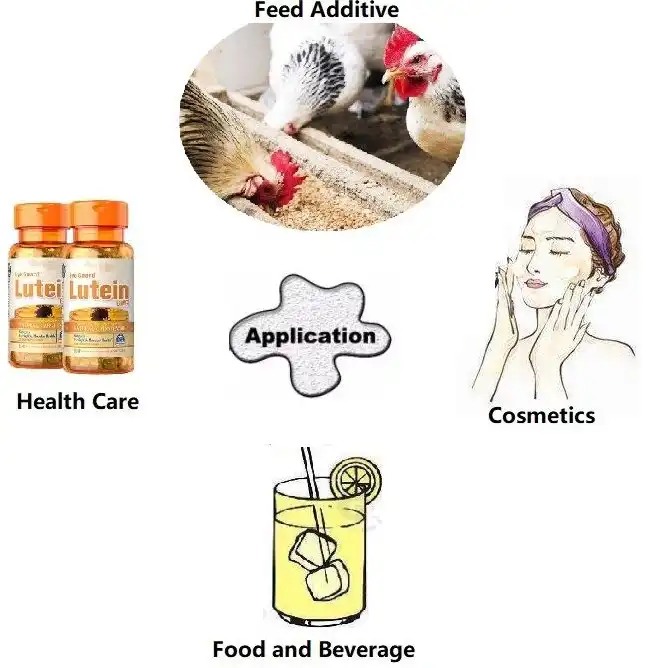
Manufacturing teams must choose delivery formats strategically. Free-flowing powders offer many product-making options. They work well in functional beverage systems, protein powders, and nutrition bars, unlike capsules. Carotenoids are unstable, but new microencapsulation technologies can make heat- and bake-resistant beadlets.
For many reasons, capsules, especially softgels, are still popular. These chemicals mask their non-bitter taste. Softgel technology also allows precise oil-based formulations that improve bioavailability without changing behavior. Supplement makers targeting traditional channels often choose capsules because customers view them as more expensive.
Quality control is crucial regardless of format. The powder must maintain its assay levels of 5%, 10%, or 20% throughout its shelf life. Temperature, light, and water can reduce potency. Procurement professionals should ensure suppliers follow GMP nitrogen flushing, light-protective packaging, and stability testing protocols.
Safety Profile and Quality Certifications
Many toxicology studies have shown this plant extract is safe. Only mild stomach pain was reported at very high doses of over 50 mg per day in clinical trials. There have been no major drug interactions, but over-the-counter drug manufacturers should consider how they may interact with therapeutic agents.
Compliance is still impossible in the US market. The FDA regulates dietary supplements and requires manufacturers to label them safely under the Dietary Supplement Health and Education Act. Outside certifications like NSF International, USP Verified, and Informed-Choice add peace of mind. These certifications ensure products have the right ingredients and no harmful heavy metals, pesticides, or microbes.
Comparing Lutein Powder to Alternative Eye Health Ingredients
Zeaxanthin and Synergistic Formulations
Despite being chemically similar, zeaxanthin is distributed differently in the retina. Unlike lutein, which is scattered across the macula, it is mostly found in the central fovea, which provides clear central vision. This complementary distribution explains why mixture formulations usually work better than single-ingredient ones. Procurement teams should look for raw material suppliers with standard blends similar to the 5:1 ratio in food.
Cost-effectiveness analysis reveals interesting market behavior. Since extraction is more complicated, pure zeaxanthin costs more. Marigold flowers naturally contain 80–90% lutein and 10–20% zeaxanthin. This lowers lutein-rich extract prices. To maintain product efficacy, mass-market manufacturers emphasize lutein content and low zeaxanthin levels.
Whole Marigold Extract Versus Purified Forms
Some companies sell whole marigold flower extract, including lutein powder, as a natural alternative to cleaned carotenoid powders. These extracts contain many plant chemicals, including flavonoids and polyphenols. Supporters say this complexity, like whole food nutrition, may offer more benefits than isolated compounds.
Purified forms help ensure formula accuracy and quality. Production batches are dosed consistently by standardizing carotenoids to percentages. Pharmaceutical companies value this accuracy when making pharmacopeia-compliant products. Chemicals that can cause allergies are also removed during purification.
Organic Certification Considerations
American consumers want more organic products. Organic ingredients cost more, but health-conscious consumers are willing to pay more for purity. The USDA National Organic Program certifies that marigolds were grown without synthetic fertilizers or pesticides.
Organic sourcing complicates supply chains. Organic marigold yields are 20–30% lower than conventional, making them harder to find when demand is high. Business-to-business buyers should work with suppliers who stock both organic and conventional goods to ensure they always have what they need and can satisfy a variety of customers.
Procurement Insights for B2B Buyers
Quality Indicators and Testing Protocols
Smart buyers view raw materials through multiple quality lenses. Assay verification ensures that the powder meets carotenoid concentrations after lab testing. HPLC analysis is still the best way to separate and measure carotenoids. Every batch should have a Certificate of Analysis (CoA) with potency and contaminant screening results.
Heavy metal testing screens contain lead, cadmium, mercury, and arsenic. Polluted soil plants accumulate these elements. Proposition 65 limits set high standards for consumer safety in California. Pathogens like Salmonella and E. coli are tested by microbiology. coli, yeast, and mold counts below limits.
Volume Pricing and Negotiation Strategies
Trustworthy sources can be distinguished from unclear ones. Top manufacturers provide full traceability documentation showing where and how raw materials were extracted and processed from farms. Site audits assess GMP compliance by inspecting building cleanliness, equipment maintenance, and staff training. Getting ISO 9001 certification shows that you care about quality management systems.
Buyers can maximize their budgets by understanding prices. Raw material prices vary with marigold harvests, which vary by season and location. India grows most of the world's marigolds, so harvest time affects price. If you buy things once a year, consider forward contracts during post-harvest times when supply is high and prices are low.
Evaluating Manufacturer Credentials
Volume tiers enable scale. Because they are harder to package and move, samples under 25 kilograms cost more per unit. Commercial purchases over 500 kilograms can get better prices, but buyers must consider storage and inventory. Suppliers with flexible minimum order quantities can help growing companies increase production.
When buying botanical extracts, including marigold extract powder, reputation matters. Famous companies invest heavily in modern extraction facilities, analytical labs, and quality assurance teams to ensure product quality. A supplier's history shows their performance. For instance, how long have they operated? Do they have big pharmaceutical or healthy food clients? Online presence, customer testimonials, and field certifications complete the picture.
Application Scenarios and Case Studies
Successful Integration in Nutraceutical Products
OEM partnerships enable new product development. Experienced manufacturers help clients create unique blends that differentiate their brands. Working together creates unique concentrations, coating technologies for stability, and delivery systems. Businesses without R&D departments benefit from these partnerships.
American supplement sales have increased for vision-focused products. Senior brands emphasize scientifically proven macular health ingredients. Eye health solutions with 20 mg of the carotenoid and omega-3 fatty acids in softgels cover all bases. The lipid matrix improves absorption, and fish oil reduces retinal inflammation.
Functional Food and Beverage Innovation
As a tasty alternative to pills, gummy supplements are also effective. Formulating carotenoids in the gummy matrix, which contains sugars and water that break them down, is difficult. Top manufacturers use microencapsulated beadlets to protect the active ingredient during processing and storage.
Innovative food companies add eye-healthy ingredients to everyday products. Protein bars for gamers and office workers tout blue light blocking's health benefits. Eye and reaction-conscious athletes drink sports nutrition. Powders that dissolve in water and blend easily without changing taste or appearance are needed for these uses.
Long-Term Investment Benefits
Regulatory concerns shape functional food development. Structure-function claims about how ingredients affect body function should not imply they treat disease. Benefits like "helps filter blue light" and "supports eye health" can be discussed without FDA drug classification. This delicate balance is maintained by regulatory teams.
In competitive markets, high-quality ingredients set brands apart. When smart customers examine supplement facts panels, companies that invest in high-quality raw materials with good records stand out. Independent testing, clear sourcing, and clinical research support build trust and customer loyalty.
Conclusion
Market research shows that eye health supplement buyers return. Vision support formulations, including lutein powder, are meant to be used long-term, unlike acute-condition products. This ensures revenue stability. Baby Boomers are getting older and are worried about staying independent. This is increasing the number of people willing to pay for preventative health care.
High-quality marigold carotenoids in eye health products are crucial. In this market, business-to-business buyers must balance effectiveness with bioavailability, regulatory compliance, and supply chain reliability. Clinical research is validating macular dosage and delivery mechanisms as scientific evidence grows for its health benefits. Companies should prioritize suppliers with strong quality control, traceability, and international manufacturing certifications when making purchases. Vision-focused ingredients will remain popular as populations age and screen time increases. Nutraceutical, pharmaceutical, and functional food companies will have long-term growth opportunities.
FAQ
What dosage of carotenoid powder delivers optimal eye health benefits?
Clinical studies like the AREDS2 study show that 10–20 mg daily changes macula pigment density. Most commercial supplements are 10–20 mg per serving, which balances efficacy and cost. High doses don't help proportionally, so moderate supplementation is fine for most formulations.
How does powder form compare to encapsulated supplements for bioavailability?
Both formats can absorb well when made properly. Powder is versatile in food and drinks, but it must be eaten with fat. Softgel capsules contain oils, so the ingredient is easily absorbed regardless of the meal. Here come microencapsulated beadlet powders. They maintain stability and flexibility.
What quality certifications should buyers prioritize when sourcing ingredients?
GMP certification ensures pharmaceutical-quality production. ISO 9001 demonstrates quality management system setup. The product is pure and effective after third-party testing by NSF International or USP. Some market segments want USDA organic certification. No matter the certification, full COAs with heavy metals, microbes, and test results are required.
Partner with Bolin Biotechnology for Premium Lutein Powder Supply
Shaanxi Bolin Biotechnology makes botanical extracts since 2012. Their method combines old plant knowledge with modern analytical precision. Our marigold-derived carotenoid ingredients meet nutraceutical formulators, pharmaceutical developers, and functional food manufacturers' high standards. We maintain GMP and ISO certifications to ensure potency and purity in every batch. Our technical team can help you create custom formulations by offering a variety of concentrations and processing options for your application.
Whether you're making more of a popular eye health supplement or creating new functional drinks, we offer reliable supply chains with clear traceability. We can offer volume pricing that meets your profit goals without sacrificing quality as a competitive lutein powder manufacturer. Contact sales1@bovlin.com about your ingredient needs. R&D directors, product development specialists, and procurement teams. Ask for samples to test our materials, inquire about OEM partnerships, or inquire about bulk purchases. Visit bolinbiotech.com to learn more about our botanical extracts and how our quality can help your product formulations stand out in the tough American wellness market.
References
Age-Related Eye Disease Study 2 Research Group. "Lutein + Zeaxanthin and Omega-3 Fatty Acids for Age-Related Macular Degeneration: The Age-Related Eye Disease Study 2 Randomized Clinical Trial." Journal of the American Medical Association, vol. 309, no. 19, 2013, pp. 2005-2015.
Bone, Richard A., et al. "Macular Pigment Response to a Supplement Containing Meso-Zeaxanthin, Lutein and Zeaxanthin." Nutrition & Metabolism, vol. 4, no. 12, 2007.
Hammond, Billy R., et al. "Effects of Lutein/Zeaxanthin Supplementation on the Cognitive Function of Community Dwelling Older Adults: A Randomized, Double-Masked, Placebo-Controlled Trial." Frontiers in Aging Neuroscience, vol. 9, 2017.
Seddon, Johanna M., et al. "Dietary Carotenoids, Vitamins A, C, and E, and Advanced Age-Related Macular Degeneration." Archives of Ophthalmology, vol. 272, no. 18, 1994, pp. 1413-1420.
Stringham, James M., and Billy R. Hammond. "Macular Pigment and Visual Performance Under Glare Conditions." Optometry and Vision Science, vol. 85, no. 2, 2008, pp. 82-88.
Yeum, Kyung-Jin, et al. "Carotenoid Bioavailability and Bioconversion." Annual Review of Nutrition, vol. 22, 2002, pp. 483-504.